• KGS/USD = 0.01144 0%
  • KZT/USD = 0.00215 0%
  • TJS/USD = 0.10691 0.09%
  • UZS/USD = 0.00008 0%
  • TMT/USD = 0.28530 0%
  • KGS/USD = 0.01144 0%
  • KZT/USD = 0.00215 0%
  • TJS/USD = 0.10691 0.09%
  • UZS/USD = 0.00008 0%
  • TMT/USD = 0.28530 0%
  • KGS/USD = 0.01144 0%
  • KZT/USD = 0.00215 0%
  • TJS/USD = 0.10691 0.09%
  • UZS/USD = 0.00008 0%
  • TMT/USD = 0.28530 0%
  • KGS/USD = 0.01144 0%
  • KZT/USD = 0.00215 0%
  • TJS/USD = 0.10691 0.09%
  • UZS/USD = 0.00008 0%
  • TMT/USD = 0.28530 0%
  • KGS/USD = 0.01144 0%
  • KZT/USD = 0.00215 0%
  • TJS/USD = 0.10691 0.09%
  • UZS/USD = 0.00008 0%
  • TMT/USD = 0.28530 0%
  • KGS/USD = 0.01144 0%
  • KZT/USD = 0.00215 0%
  • TJS/USD = 0.10691 0.09%
  • UZS/USD = 0.00008 0%
  • TMT/USD = 0.28530 0%
  • KGS/USD = 0.01144 0%
  • KZT/USD = 0.00215 0%
  • TJS/USD = 0.10691 0.09%
  • UZS/USD = 0.00008 0%
  • TMT/USD = 0.28530 0%
  • KGS/USD = 0.01144 0%
  • KZT/USD = 0.00215 0%
  • TJS/USD = 0.10691 0.09%
  • UZS/USD = 0.00008 0%
  • TMT/USD = 0.28530 0%

Viewing results 2113 - 2118 of 3623

Kazakhstan Political Experts Outline Tasks Ahead for New Government

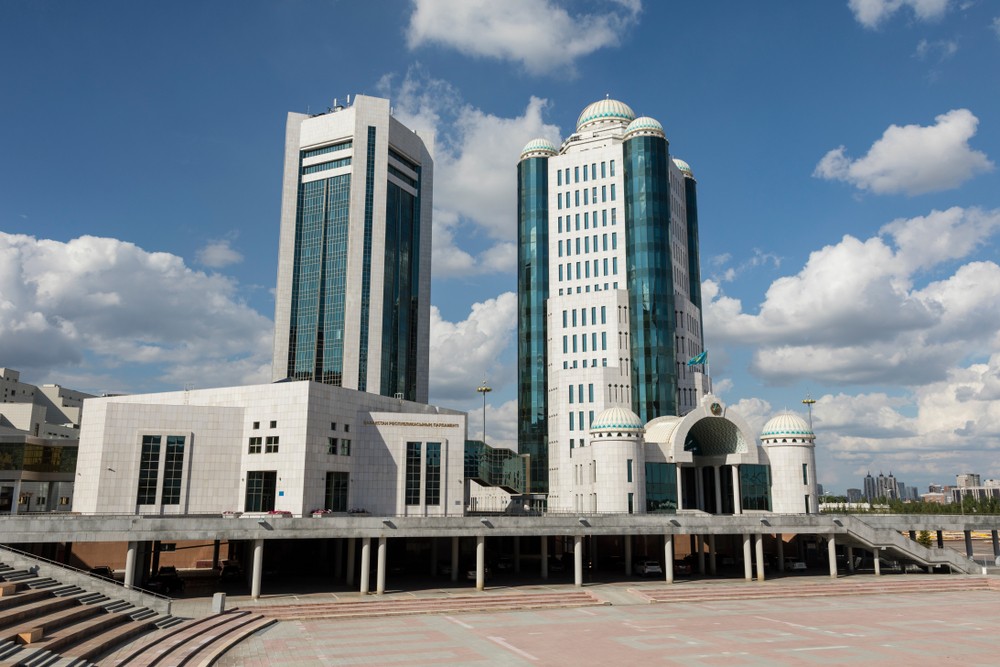
On February 7th, an expanded meeting of Kazakhstan's new government took place at which President Tokayev sharply criticized previous initiatives. For example, tax code improvements had been in the works for quite some time, but the final proposal was reduced to raising rates and even imposing taxes on mobile-phone transfers. This caused a wave of resentment among ordinary Kazakhstanis and entrepreneurs. Therefore, the recent resignation of the government is not a surprise, according to political scientist and Director of the Institute of Eurasian Integration, Urazgali Selteyev, who also labeled such legislative reforms "mistakes." "The resignation was long overdue," Selteyev told The Times of Central Asia. "There are accumulated omissions and systemic failures in the work of the government. For all the months of work, no serious improvements are visible. A practical vision of a new economic model has not been presented. The development of the budget code has been delayed, and the clarification of tax reform has failed. Positive statistics on the reduction of inflation do not correspond to the real state of affairs in the economy and social sphere." A similar opinion is held by political scientist and Managing Director of GR Consulting Group, Yerbol Yedilov, who notes that the focus will now be on improving the economy, but not to the detriment of business, as instructed by Tokayev at the meeting. "I think they will target [improving] the country's economy, and, led by the prime minister, will carry out large-scale work on the return of illegally exported funds. Reforming the budget sphere, which the president is talking about, is only the beginning. There are deeper plans, and in time they should lead to a global increase in the country's economy," Yedilov told The Times of Central Asia. The head of state referred to this in his address, stating that Kazakhstan will seek to improve its anti-corruption policy, meaning that further personnel reshuffles are inevitable."Tokayev mentioned that the state of roads, heat and power centers is a reflection of our corruption. It can be understood that [more] personnel purges within the ministries lay ahead. Emphasis will be placed on honest and incorruptible officials," Yedilov concluded. Currently, according to political analysts, Kazakhstan is lacking in investment resources, and the main goal of the new cabinet is to replenish the national fund. "This is a transformation of the economy on the basis of strengthening and expanding investment activity," political scientist Gaziz Abishev told The Times of Central Asia. "After all, the liberalization of prices in a number of sectors, the liberalization of the economy itself, the protection of investors from corruption and bureaucracy, the use of public funds and simplification of the tax code is all about investment, which is now so lacking in Kazakhstan. We need to invest in new production and the creation of [value-added industries], but this cannot be done without capital. For both internal and external reasons, and because of volatility in foreign markets, there is not a lot of free money in Kazakhstan's economy. How realistic...
Turkmen Prosecutors Fired in an Attempt to Curb Corruption

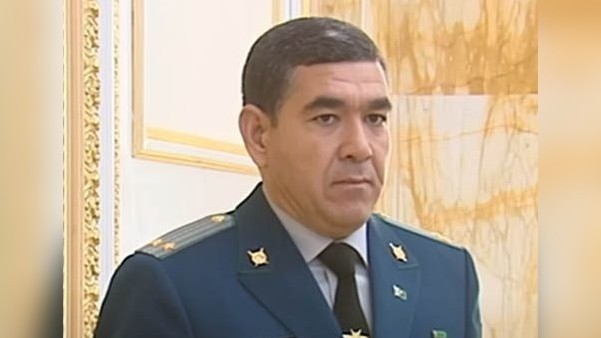
The Prosecutor General of Ashgabat, Ovezmammed Shykhmammedov, was fired and then arrested on the night of February 3rd, according to Turkmenistan's central state news agency. President Serdar Berdymukhamedov reportedly fired him for "improper fulfillment of his official duties and serious shortcomings in his work." Shykhmammedov's arrest followed the dismissal of Turkmenistan's Prosecutor General, Serdar Myalikgulyev, just two weeks earlier. The reason given was similarly named as a failure to properly fulfill his official duties. Both men held their posts for about one-and-a-half-years. During this time, they surrounded themselves with trusted confidants and ousted possible opponents from their posts. Former Minister of Justice (2013 - 2021), Begmurat Mukhamedov has been named the new Prosecutor General. He was Chairman of the Committee on International and Inter-parliamentary Relations in the Mejlis (Parliament) prior to his appointment. The position of the capital's prosecutor is still vacant. Sources familiar with the case say Serdar Myalikgulyev testified against Shykhmammedov after he was ejected from the session hall and afterwards detained. The former prosecutors are implicated in a scandal involving embezzlement from state-subsidized stores. They are also believed to be involved in Turkmenistan's recent agriculture crisis, wherein last year only half of the planned wheat and cotton harvest target was realized. This is seen as a driving factor behind such radical measures being taken against the former Prosecutor General, notwithstanding his distant ties with the family of the President. Despite being a signatory to the UN Convention Against Corruption since 2005 and crafting a five-year National Anti-Corruption Action Program, Turkmenistan remains the most corrupt country in Central Asia, ranking 170th out of the 180 countries included in Transparency International's Corruption Perceptions Index for 2023.

Tokayev Outlines Vision for New Government of Kazakhstan

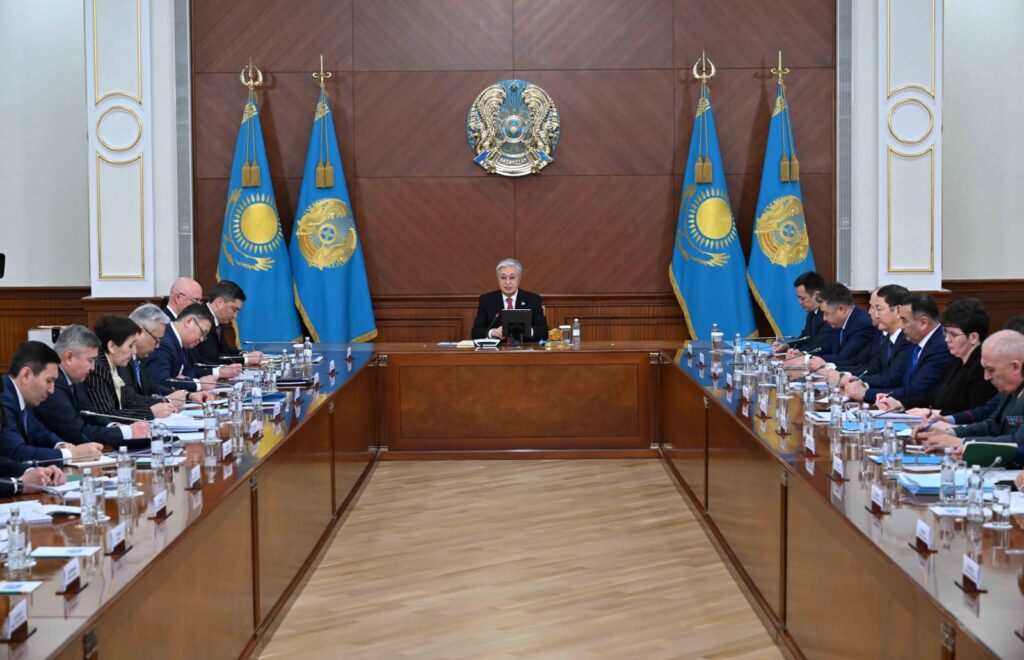
Following a tumultuous week, just a day after appointing a new prime minister, Kazakhstan’s President Kassym-Jomart Tokayev chaired an extended government meeting on February 7th. The meeting was attended by ministers, including the new Prime Minister, Olzhas Bektenov, the chairman of the National Bank, governors of Kazakhstan’s regions, and the mayors of the country’s three largest cities of Astana, Almaty, and Shymkent. Tokayev reported that last year the economy grew by 5.1%, but stressed that there is still work to be done. “We need a new impetus for the government's activities. It has a clear target — to increase the economy to $450bn by 2029. To achieve this goal, the country's GDP must grow by at least 6% annually. At the same time, it is important that macroeconomic indicators ensure rapid growth in the real incomes of our citizens,” the President said. Tokayev spoke of the need to make budget and tax policies function better. The problem, the President said, is the way budget funds are allocated, which is not currently aimed at stimulating economic activity. He added that budget funds are spent on day-to-day tasks, while larger strategic goals fade into the background. “The government will have to define clear spending priorities with an emphasis on obtaining maximum economic returns,” he said. The President stated that a new Tax Code is currently being drafted, which will aim to provide a balance between creating a good investment environment and maintaining the required level of budget revenues. Tokayev also pointed out that the share of investment in fixed capital is declining, stating that “it is necessary to significantly increase the influx of external and internal investment. This is a key task for the newly-established Investment Headquarters.” According to his speech, another source of funds should be the return of illegally withdrawn assets, which could be used to implement important projects. At the same time, Tokayev warned against going too far: “Arbitrariness on the part of law enforcement agencies is unacceptable. There will be a harsh reaction on my part to every such signal. This work is of great importance from the point of view of ensuring social justice, so no one is allowed to discredit it,” he said. Another priority task is the development of the agro-industrial sector, and the rational use of water resources. “The problems that hinder the development of the agro-industrial sector are well known, the most acute of which is chronic underfunding. Lack of investment leads to wear and tear of agricultural machinery, low yields, and low labor productivity. Therefore, it is necessary to maximize, if possible double, the financing of agriculture, attracting not only budget money, but also funds from other sources, including second-tier banks.” The government resigned en masse on Monday; changes had been expected by inside observers, as prior to the resignation, Tokayev had increasingly expressed his dissatisfaction with progress in addressing socioeconomic issues, and with stagnation in general. Over the past two years, Tokayev has implemented sweeping reforms aimed at democratizing the country...

Enclaves, Exclaves, and Soviet Mapmakers

Representatives of the Kyrgyz Republic and Tajikistan met in Bishkek on February 5th to complete negotiations on another 3.71 km of the common state border, the press service of the Cabinet of Ministers of the Kyrgyz Republic has reported. The next meeting will be held in Tajikistan, with no date yet specified. Currently, approximately 90% of the border has been demarcated, with the remaining 10% still considered disputed. A long-standing source of conflict between the two nations, it is emblematic of the problem that even the length of the border - sometimes cited as being 975-kilomtres long, and at others times 972-kilomteres - is rarely agreed upon. As of January 2023, Tajikistan’s President Rahmon stated that 614-kilometres had been settled upon, backtracking on a previously stated figure of 664. In a sign of thawing relations, however, on November 9th 2023, the Cabinet of Ministers of the Kyrgyz Republic announced that a further 17.98 kilometers of the border had been agreed. With its scant natural resources and dwindling water supplies, the border between Kyrgyzstan and Tajikistan has been the scene of numerous skirmishes for many years. In 2014, all borders between Kyrgyzstan and Tajikistan were closed indefinitely to Kyrgyz and Tajik citizens following clashes over a bypass road in disputed territory; mortars were fired and both armies suffered casualties. Trouble spilled over again throughout 2021 and 2022, reportedly starting over a water dispute in the Vorukh enclave, and leaving an unknown number in the hundreds killed, and up to 136,000 people evacuated. An enduring example of the chaos left behind by the USSR, the arbitrary division of Central Asia into Soviet Socialist Republics wholly disregarded existing cultural and geographical realities. This is exemplified by Stalin's application of Lenin’s policy on the “self-identification of working people,” a classic divide-and-rule play which saw culturally Tajik cities such as Samarkand and Bukhara being incorporated into Uzbek territory. In exchange, Tajikistan was given the inhospitable Khojand landmass surrounding the Fan Mountains. As late as 1989, Tajikistan petitioned Mikhail Gorbachev for the ‘return’ of Samarkand and Bukhara. This haphazard division also isolated around 100,000 residents in the Ferghana Valley from their central governments, creating eight large enclaves. Although three of these enclaves had populations fewer than 10,000 and two were used exclusively for pastures, the remaining three - Sokh (Uzbekistan within Kyrgyzstan), Vorukh (Tajikistan within Kyrgyzstan), and Shakhimardan (Uzbekistan within Kyrgyzstan) have repeatedly proven problematic, particularly when countries enforce strict border regulations in response to disputes and disagreements over demarcation arrangements. These enclaves have been hotbeds for conflict: between 1989 and 2009, the Ferghana Valley witnessed approximately 20 armed conflicts, and in 2014 alone, Kyrgyzstan reported 37 border incidents.

Harnessing Social Media for Social Change: An Interview with Tashkent-based Eco-Blogger Mutabar Khushvaktova

More and more people in Uzbekistan are paying attention to environmental issues and aspiring to make a real change in their country. One such campaigner is Mutabar Khushvaktova, an eco-blogger who has used her platform to draw attention to environmental issues and inspire others to take action. The Times of Central Asia spoke to Khushvaktova. What is it like to be an environmental activist in Uzbekistan, and when did you first become so involved in environmental issues? After my daughter was born, I began thinking about the future and what I could do to provide her with a favorable environment in which to live. I decided to start blogging and talking about the environment to raise awareness about these issues. I realized that the media plays an important role in shaping public opinion, so I resolved to use this tool. One of my main accomplishments was to create a popular blog about environmentalism and opportunities to change our situation. I try to use my blog for educational outreach and to bring attention to these issues. I base my content solely on source-verified information, including global statistics. This allows me to create content that’s truthful and credible. Next year, I plan to enroll in a European Master's program to get a specialized education in the field of ecology. I would like to create books for kindergartners, school children and students. From my childhood, I was very much in love with nature - animals, plants, everything related to nature. It was a passion my parents also shared. Being a parent is a huge responsibility, and a great motivator. I see every child as if they were my own; this generation is very exciting to me, and I want them to have a good future.[/vc_column_text][vc_single_image image="13505" img_size="full" el_class="scond-image" parallax_scroll="no" woodmart_inline="no"][vc_column_text woodmart_inline="no" text_larger="no"]You’ve been involved in eco-activism in Uzbekistan for some time, now; have you noticed any improvement? Yes, I have. After all, in the almost three years I’ve been involved in this field, I’ve witnessed the emergence and development of various eco-initiatives. Compared to when I first started addressing this issue, the situation today has changed considerably. Back then, people had no idea about environmental issues at all, especially on social media. But even at that time, I felt that people were ready to learn more. They were very interested, and asked me a lot of questions. Nowadays, because there are more and more pressing environmental issues, people are paying more attention to this topic. It is worth saying that the whole idea of environmental awareness has become very popular in our society. For example, I notice that people no longer just send me direct messages with questions, but also actively discuss the issues in the comments section. They share their successes, tell me that they have started sorting garbage for recycling, started their own eco-friendly businesses, and even stopped using plastic bags.[/vc_column_text][vc_single_image image="14067" img_size="full" el_class="scond-image" parallax_scroll="no" woodmart_inline="no"][vc_column_text woodmart_inline="no" text_larger="no"]Recently, there have been stories in the news about the deteriorating air quality in...

Bektenov Named as New Prime Minister of Kazakhstan

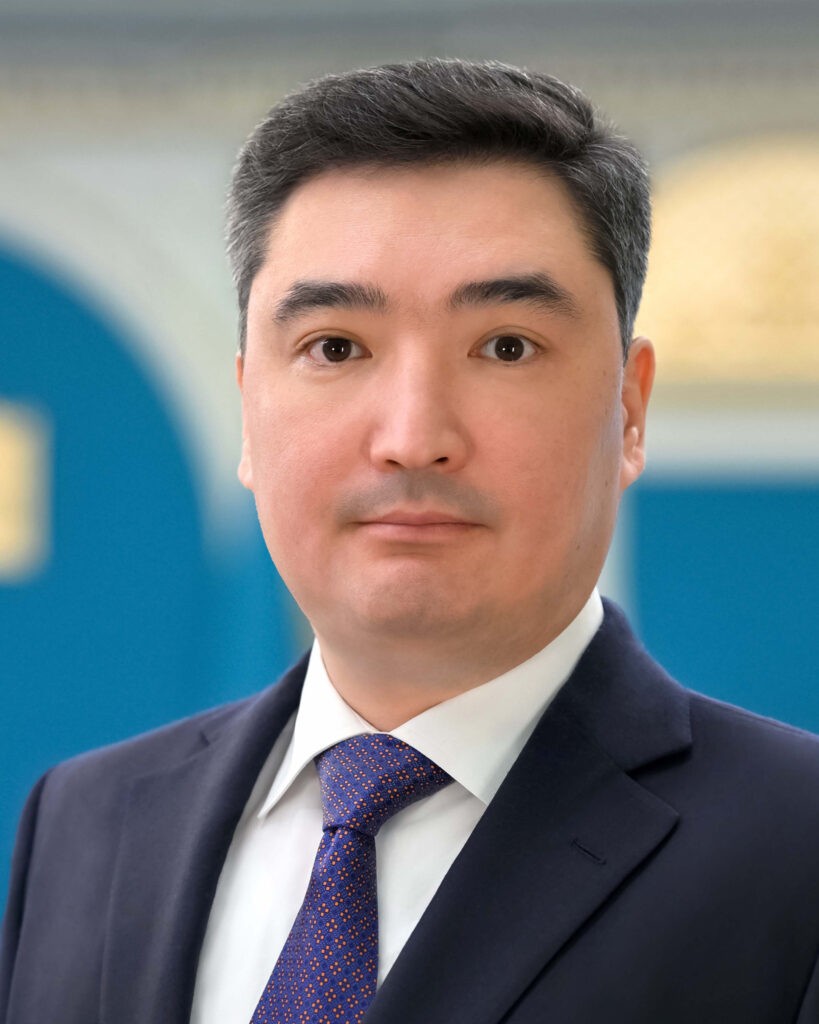
Olzhas Bektenov has been named as the new Prime Minister (PM) of Kazakhstan. His candidacy was presented to the President of Kazakhstan by the chairman of the ruling party, Amanat, Yerlan Koshanov. In accordance with the current legislation, President Kassym-Jomart Tokayev discussed Bektenov's candidacy with the heads of parties in the Mazhilis (lower house of Parliament). These were Yelnur Beisenbaev (Amanat), Magerram Magerramov (People's Party of Kazakhstan), Azat Peruashev (Ak Zhol), Askhat Rakhimzhanov (National Social Democratic Party), Serik Egizbaev (Auyl), and Aidarbek Hodzhanazarov (Respublica). Bektenov's candidacy was approved by Ak Zhol, Auyl and Respublica, whilst the People's Party of Kazakhstan and the Nationwide Social Democratic Party (OSDP) abstained from agreeing to Bektenov's candidacy as the head of the Cabinet of Ministers. Since April 2023, Bektenov has served as head of the Presidential Administration. Previously, he worked as chair of the Anti-corruption Agency, head of the Department of Public Procurement, and the National Anti-Corruption Bureau for the city of Astana. Political analysts noted  that Bektenov has the qualities to become an effective leader, especially when Kazakhstan is de-monopolizing the economy. "Bektenov has experience in the regions - in the akimats of Astana and Akmola Region," stated political scientist Gaziz Abishev on his widely-quoted Telegram channel. "His main thing is his work in the anti-corruption service, where he carried out serious work to identify and fight corruption schemes. Last year, President Tokayev appointed him head of his Administration. Bektenov has resolutely embarked on management reform, streamlining processes and significantly reducing bureaucracy. At the same time, he actively coordinated the process of returning illegally acquired assets. "It seems that Tokayev looked at him for a long time and had the opportunity to make sure of his professional and personal qualities," Abishev continued. "Now, the economy needs a decisive manager capable of actively reconfiguring processes, while not being constrained by excessive fears and being focused on concrete results. Bektenov will benefit from his experience in the Anti-Corruption Service, and [undertake] a merciless anti-corruption clean-up." For the first hundred days as head of the Cabinet of Ministers, Bektenov will be granted wide-ranging powers to achieve results. Deputies also expressed their opinions today on who should be removed from their posts. Additionally, the head of state made by decree a number of other personnel changes. Murat Nurtleu was reappointed to the post of Minister of Foreign Affairs, and was also named as a Deputy Prime Minister. Defense Minister, Ruslan Zhaksylykov, and Interior Minister, Yerzhan Sadenov, meanwhile, were both reappointed to their respective offices.