• KGS/USD = 0.01144 0%
  • KZT/USD = 0.00194 0%
  • TJS/USD = 0.10864 0.09%
  • UZS/USD = 0.00008 0%
  • TMT/USD = 0.28571 0%
  • KGS/USD = 0.01144 0%
  • KZT/USD = 0.00194 0%
  • TJS/USD = 0.10864 0.09%
  • UZS/USD = 0.00008 0%
  • TMT/USD = 0.28571 0%
  • KGS/USD = 0.01144 0%
  • KZT/USD = 0.00194 0%
  • TJS/USD = 0.10864 0.09%
  • UZS/USD = 0.00008 0%
  • TMT/USD = 0.28571 0%
  • KGS/USD = 0.01144 0%
  • KZT/USD = 0.00194 0%
  • TJS/USD = 0.10864 0.09%
  • UZS/USD = 0.00008 0%
  • TMT/USD = 0.28571 0%
  • KGS/USD = 0.01144 0%
  • KZT/USD = 0.00194 0%
  • TJS/USD = 0.10864 0.09%
  • UZS/USD = 0.00008 0%
  • TMT/USD = 0.28571 0%
  • KGS/USD = 0.01144 0%
  • KZT/USD = 0.00194 0%
  • TJS/USD = 0.10864 0.09%
  • UZS/USD = 0.00008 0%
  • TMT/USD = 0.28571 0%
  • KGS/USD = 0.01144 0%
  • KZT/USD = 0.00194 0%
  • TJS/USD = 0.10864 0.09%
  • UZS/USD = 0.00008 0%
  • TMT/USD = 0.28571 0%
  • KGS/USD = 0.01144 0%
  • KZT/USD = 0.00194 0%
  • TJS/USD = 0.10864 0.09%
  • UZS/USD = 0.00008 0%
  • TMT/USD = 0.28571 0%
22 December 2025

Viewing results 1117 - 1122 of 1814

Iran-Turkmenistan-Kazakhstan-China Rail Transport Route Resumes Operation

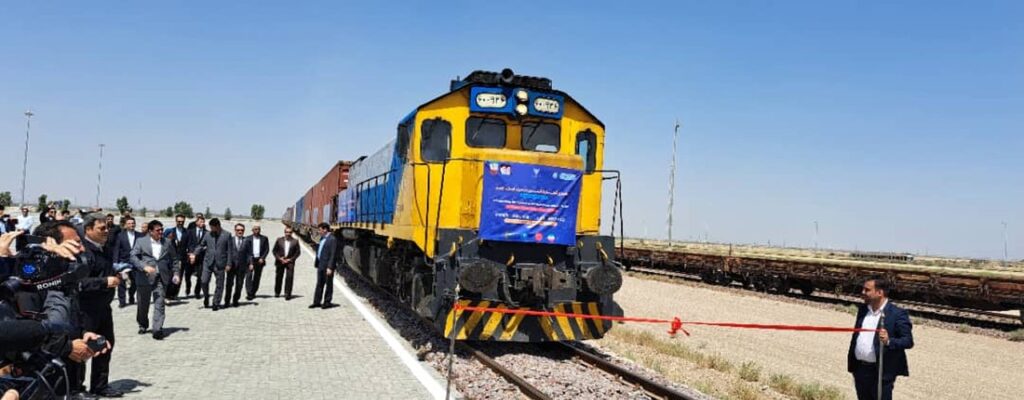
KTZ Express, a subsidiary of Kazakhstan’s national railways company Kazakhstan Temir Zholy (KTZ), and China Railway Container Transport Co. Ltd. have resumed the operation of  container trains on the Iran-Turkmenistan-Kazakhstan-China route. As reported by KTZ’s press service, representatives of Iran, China, Kazakhstan, and Turkmenistan attended a ceremony on July 21 at Iran's Aprin station to mark the departure of a container train to China. The train, consisting of 50 forty-foot containers, will arrive in China within 12 days. This shipment marks the restoration of the transport corridor, strengthening trade relations between participating countries.

Kazakhstan Looks to Increase Oil Shipment Across Caspian Sea

Kazakhstan’s national oil and gas company, KazMunayGas (KMG), is studying options to increase the shipment of Kazakh crude oil through the Trans-Caspian route. Askhat Khassenov, KMG's CEO, announced this during negotiations in Baku last week with Rovshan Najaf, president of Azerbaijan’s State Oil Company SOCAR. In 2022, KMG and SOCAR signed the five-year Aktau-Baku-Ceyhan Oil Transit Agreement to transport 1.5 million tons of crude oil annually. In 2023, 1.057 million tons of oil were shipped from the Kazakh port of Aktau, and in the first half of this year, the figure exceeded 700,000 tons. During his visit to Baku, Khassenov visited the BP Sangachal and Azertrans terminals, a Kazakh oil transit hub.

NVIDIA to Launch AI Educational Programs in Kazakhstan

On July 26, a delegation from the Kazakh Ministry of Digital Development, Innovations, and Aerospace Industry visited the head office of US technology corporation NVIDIA in San Francisco, to discuss cooperation in artificial intelligence and supercomputer technologies. The ministry and NVIDIA have agreed to launch artificial intelligence educational programs in Kazakhstani educational institutions, within the framework of the Deep Learning Institute program. The US company will help create educational content in the Kazakh language. The parties are planning hackathons and boot camps on artificial intelligence to identify and support talented young specialists in this field. These events will help develop digital skills among young people, and strengthen Kazakhstan's position as an innovation hub. The ministry also said it is working to create computing power using NVIDIA chips to develop artificial intelligence in Kazakhstan.

ADB to Advise Kazakhstan’s Energy Ministry on Hydropower Development

The Asian Development Bank (ADB) has signed a transaction advisory services agreement with the Kazakh government for its Hydropower Development Program, which aims to attract the private sector to design, finance, construct, operate, and maintain the country’s hydropower projects. According to the agreement, ADB will work with Kazakhstan's Energy Ministry to conduct pre-feasibility studies, prepare auction documents and a template power purchasing agreement, and attract competitive offers to crowd investors. ADB will help the ministry prepare and auction hydropower projects with private sector participation in the southeast, with a potential cumulative capacity of around 600 megawatts across the Alakol, Balkhash, and Irtysh/Zaysan basins. The agreement was signed on July 26 in London by Kazakhstan’s minister for energy, Almasadam Satkaliyev, and ADB’s head of public–private partnerships, Cleo Kawawaki. Emphasizing that supporting Kazakhstan in developing renewable energy sources is a priority for ADB, Ms. Kawawaki commented: “ADB’s focus is to assist the country’s efforts to address the impacts of climate change, promote decarbonization, and facilitate sustainable economic growth. This will help Kazakhstan achieve its goal of increasing its renewable energy capacity, reduce carbon emissions, and enhance the country’s energy security.” Satkaliyev also proposed collaborating with ADB to attract technological support, investments, and grants to reduce methane emissions in all sectors of Kazakhstan’s economy, including the oil and gas industry.

Responsible AI Rankings: Uzbekistan Leads in Central Asia

The Global Center on AI Governance has published a report titled “Results of the Global Index on Responsible AI in Eastern Europe and Central Asia.” Among Central Asian countries, Uzbekistan has been judged to use artificial intelligence in the most responsible way. Recent AI initiatives in Uzbekistan cover fields including cultural and linguistic diversity, international cooperation, public sector skills development, and transparency. Kazakhstan ranks second in the region. Among Central Asian countries, Kazakhstan ranks first for the number of government initiatives related to responsible AI. Kyrgyzstan ranks third in the region, demonstrating significant non-governmental sector participation in responsible AI. However, the need for a comprehensive government system affects its overall outcome. The report states that the country has received a high rating for responsible AI governance, second only to Uzbekistan in the region. However, due to the scarcity of government frameworks, which, along with government initiatives, had the most weight in the index score, Kyrgyzstan scored lower in the Responsible AI Index. Tajikistan is the only Central Asian country with an AI national strategy aimed at development until 2040. It ranks fourth in the region. However, this strategy covers only 5 out of 19 thematic directions. Tajikistan's scores are relatively high regarding responsible AI governance; however, the country has the most passive non-state sector among the pillars assessed. Turkmenistan has the lowest indicator in the region. Government structures related to the responsible use of artificial intelligence have not been identified in the country.

Kyrgyzstan and Turkmenistan to Increase Trade and Economic Cooperation

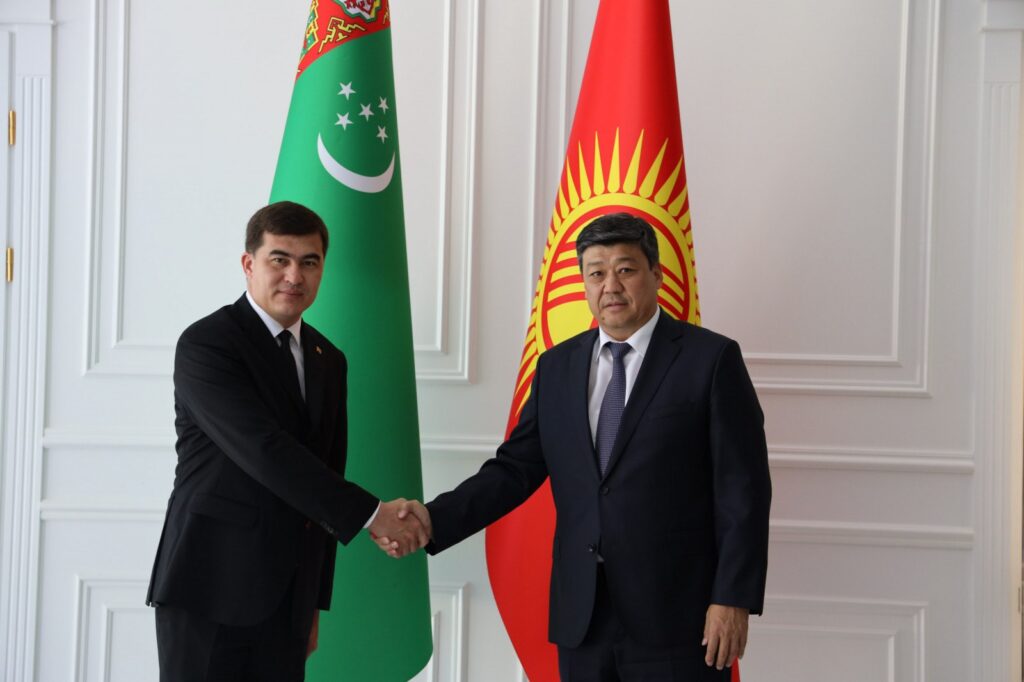
On July 25, Kyrgyzstan hosted the 6th meeting of the Kyrgyz-Turkmen intergovernmental commission on trade, economic, scientific, technical, and humanitarian cooperation, chaired by Kyrgyzstan’s Deputy Chairman of the Cabinet of Ministers—Bakyt Torobaev, Minister of Water Resources, Agriculture and Processing Industry, and Annageldi Saparov, Minister of Energy of Turkmenistan. The parties noted the sevenfold increase in trade turnover between Kyrgyzstan and Turkmenistan over the past four years and discussed means for further improvement.  In 2023, bilateral trade totalled $64 million. Torobaev proposed opening a joint bonded zone in Turkmenistan to develop trade infrastructure and postal operations in e-commerce. He also noted that providing preferential tariffs for Kyrgyz cargo trucks through Turkmenistan's territory and simplifying the visa procedure for Kyrgyz drivers will significantly expand bilateral trade exchange. Due to their geographical locations, the parties emphasized that Kyrgyzstan and Turkmenistan have significant potential in the transport and logistics sector. In particular, the planned launch of a transport corridor from China through Kyrgyzstan and Uzbekistan to Turkmenistan, utilizing the Turkmenbashi seaport, will provide access to the Caspian Sea and the Russian Federation, opening up new economic opportunities for both countries. The meeting addressed the need to continue working on creating a Kyrgyz-Turkmen Development Fund as a mechanism for uniting the two countries' business sectors and stimulating the creation of joint ventures. The parties also discussed a project to build a Turkmen resort in Cholpon-Ata at Lake Issyk-Kul. The Kyrgyz government’s press service stated that the parties signed documents on Kyrgyzstan's import of Turkmen electricity in 2025 but did not disclose details.