Viewing results 1513 - 1518 of 2256
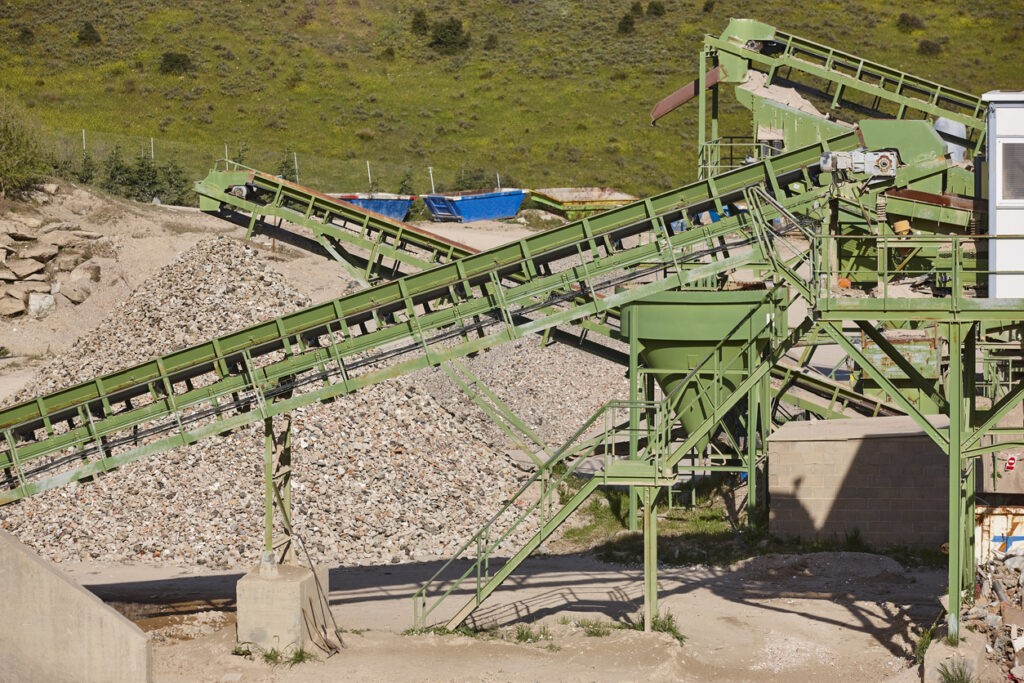
Uzbekistan is launching a slate of promising projects focused on mining rare earth elements (REEs) worth $500 million. The country has a large stock of REEs that are needed for industrial uses, and with the involvement of foreign partners, it plans to ramp up production. Among the critical raw materials (CRMs) targeted for production are molybdenum, tellurium, selenium and graphite. Uzbekistan recently signed a memorandum of understanding with the European Union in the field of CRM development. The memorandum seeks to ensure a diversified and sustainable supply of CRMs for the world's economic transition to green energy and a more heavily digitalized existence for humankind, including 5G connectivity, the Internet of Things (IoT) and artificial intelligence (AI). "This agreement with resource-rich Uzbekistan will help the EU secure much-needed access to critical raw materials. It is part of our wider global work with partners to secure the supply of materials for the future. It will be a major boost for Uzbekistan to realize its ambitions to diversify its economy and sustainably develop its extractive industry," said European Commission Executive Vice-President Valdis Dombrovskis. Experts note that Uzbekistan has the second largest reserves of critical raw materials in the region, including deposits of various minerals such as copper, molybdenum and gold. Investing in CRM development will help spur economic growth in Central Asia and increase competition with China. "China is creating very closed mining and supply chains for rare earth elements. Today, rare earth metals and their production are almost completely monopolized by the People's Republic of China (PRC). 80-90 percent of rare earth element processing is controlled and carried out directly inside the Middle Kingdom. Beijing hopes that it will be able to use this advantage in international relations, that it will be able to play a dominant role in the emerging new energy and economic architecture of the world economy, which will determine in the future everything from energy to geopolitics," said Wesley Hill, manager of the international program called "Energy, Growth and Security" at the International Tax and Investment Center.
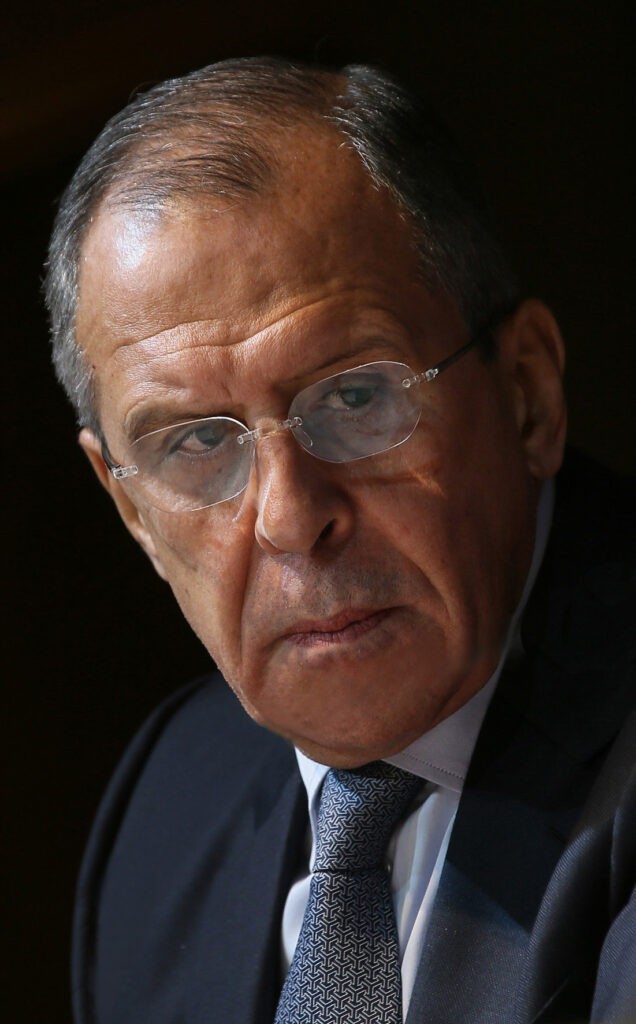
Russian Foreign Minister, Sergey Lavrov has called his Tajik counterpart to explain Russia´s anti-terrorism measures at border points, the Russian Foreign Ministry said on Tuesday, following Tajikistan’s complaints that its citizens are being singled out for tough treatment on arrival at Moscow airports. Lavrov’s telephone call to Foreign Minister Sirojiddin Muhriddin of Tajikistan was initiated by the Russian side, indicating that Moscow is seeking to ease tension between the two countries in the aftermath of the killing of more than 140 people by gunmen who stormed the Crocus City Hall on the outskirts of Moscow on March 22. Several Tajik suspects were arrested, leading to increased scrutiny and harassment of the large population of Tajik migrants in Russia. This past weekend, Tajikistan urged its citizens to temporarily refrain from traveling to Russia “unless absolutely necessary,” and said more than 1,000 Tajik nationals were being held in detention facilities at Moscow airports in unsanitary conditions and without access to hot meals. In the phone call, Lavrov and Muhriddin agreed on the need to preserve the “time-tested” alliance between their two countries, the Russian Foreign Ministry said. Muhriddin has previously complained about an “information campaign” of racism and xenophobia against Tajik migrants since the terrorist attack. “The Tajik side was given additional detailed explanations about the measures taken by Russian services to prevent terrorism in accordance with the legislation of the Russian Federation,” the ministry said. “The tragic events at Crocus City Hall became the main reason for more thorough checks of foreign citizens arriving to us. The temporary nature of the measures taken, their non-direction against a specific nation or religion, and the gradual normalization of the situation at checkpoints are especially emphasized.” The Islamic State group, which has recruited some people from Central Asia, claimed responsibility for the Crocus City Hall attack.
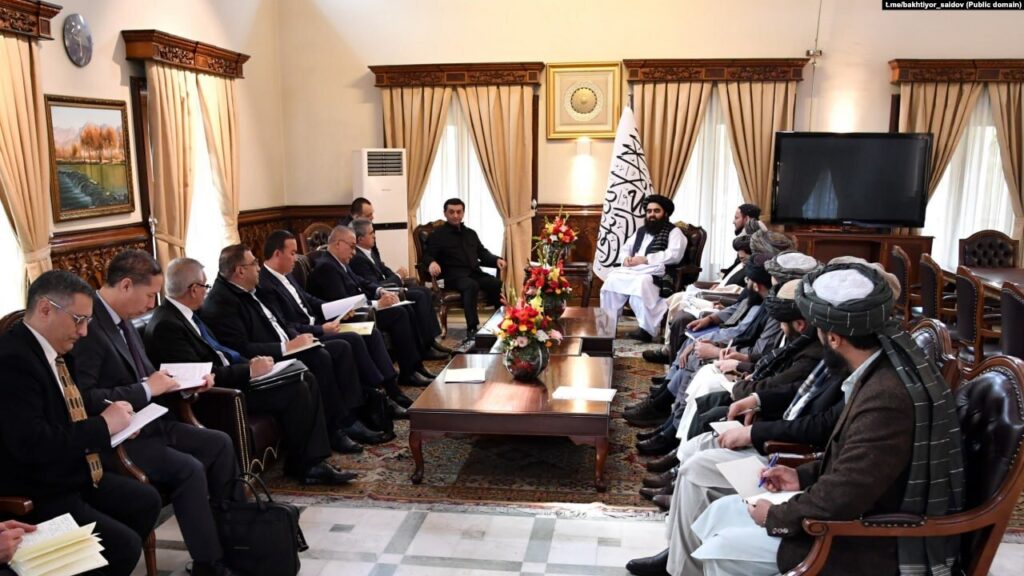
Uzbekistan has agreed to sign export contracts worth $44 million with Afghanistan, according to a report by the Chamber of Commerce and Industry of Uzbekistan. The contracts were signed during a three-day visit to Tashkent by a delegation of Afghan businessmen. The two nations are also planning to form an Uzbekistan-Afghanistan Business Council, which will have 18 Afghan companies among its members. Afghanistan's import market is worth $7 billion. The goods that are most in demand with Afghan importers are agricultural products, processed food, textiles, leather, electrical components and construction materials.
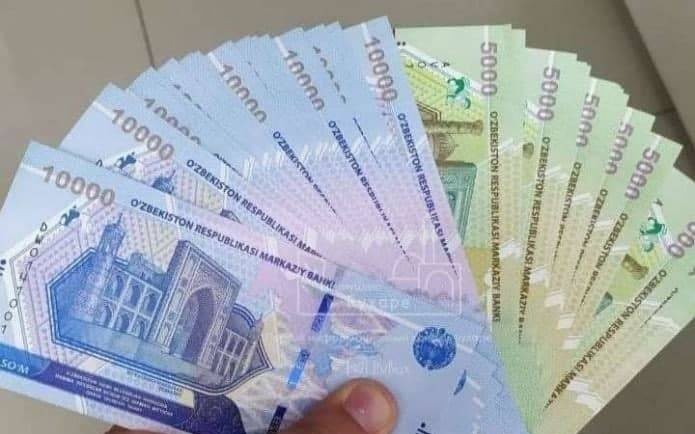
According to the Uzbek Statistics Agency, as of the end of the first quarter of 2024, the average monthly nominal salary in Uzbekistan reached $389. This translates to an increase of almost 20% compared to the same period last year. Average wages are among the highest in the capital of Tashkent ($640) and the Navoi region ($514). Workers in the banking, insurance, credit and professional services spheres earn the most, at $1,043 per month. In the IT sector, Uzbeks earn $925 on average. The lowest wages are traditionally paid to workers in education and healthcare; in the first quarter of 2024, their salaries averaged $269 and $253, respectively. Since 2019, average salaries in Uzbekistan have increased from $183 to $389. For 2023, all Commonwealth of Independent States (CIS) countries saw an increase in average monthly wages. The highest rates of growth were recorded in Armenia and Belarus. Average wages in the CIS countries in 2023 were as follows (based on state statistics): 1. Tajikistan - 2,013.11 somoni ($183) 2. Uzbekistan - 4.5 million som ($360) 3. Turkmenistan - 1,200 manat ($360) 4. Kyrgyzstan - 33,664 som ($376) 5. Azerbaijan - 942 manat ($550) 6. Belarus - 1,991.2 rubles ($616.50) 7. Armenia - 266,990 dram ($660) 8. Russia - 73,709 rubles ($805) 9. Kazakhstan - 393,605 tenge ($874)
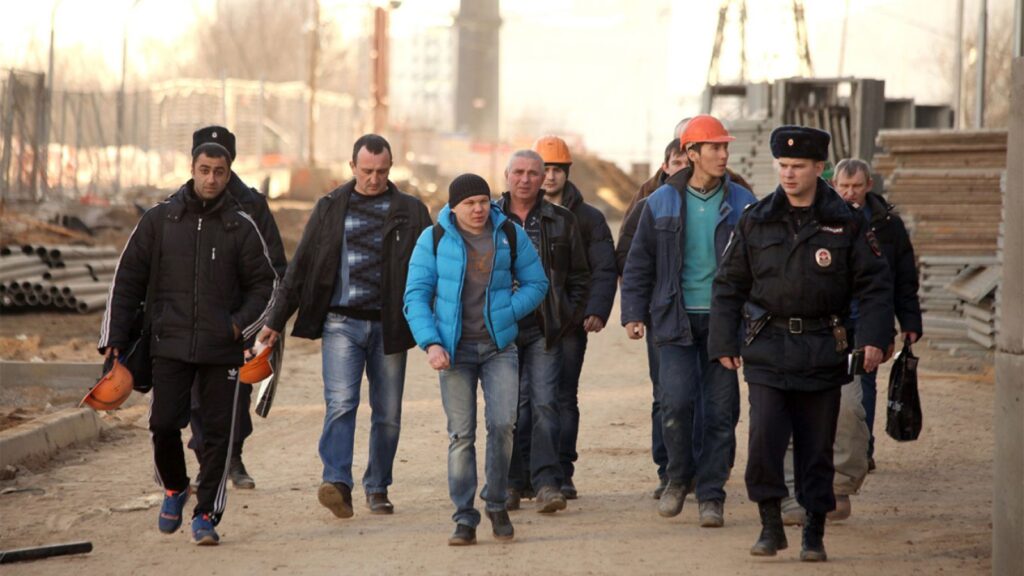
Foreign Minister of the Kyrgyz Republic, Zheenbek Kulubaev met with a representative of the Moscow Government, Sergey Cheremin, where they discussed the situation surrounding labor migrants in the Russian capital. Kulubaev spoke about the large number of Kyrgyz working in Moscow, most of whom are employed in wholesale and retail, construction, catering, hotel and hospitality services, and processing of industrial goods. According to the Ministry of Foreign Affairs, more than 200,000 Kyrgyz live in Greater Moscow, and according to unofficial data, the number is possibly two to three times that. Regulations on Kyrgyz citizens residing and working in Russia are governed by several bilateral agreements and treaties: Kyrgyz citizens can be employed under a civil-law contract without the need to obtain a labor permit; Kyrgyz citizens can also work in Russia using driver's licenses issued in their homeland. However, in the aftermath of the attack on the Crocus City Hall on March 22 - allegedly perpetrated by Tajik terrorists - the overall Russian attitude towards migrants who perform many essential jobs has changed, and local authorities want to tighten Russia's migration legislation. In late March, the Kyrgyz Foreign Ministry called on his compatriots to refrain from traveling to Russia until additional security measures are lifted. There are known cases when Kyrgyz citizens have been refused admission by the Federal Customs Service's passport control at Sheremetyevo International Airport. The migrants who flew in had their documents taken and were not allowed to enter Russia. Earlier, Cheremin said that the Kyrgyz diaspora occupies a very important place in social and cultural projects in the Russian capital, adding that many Kyrgyz work in high-tech industries.
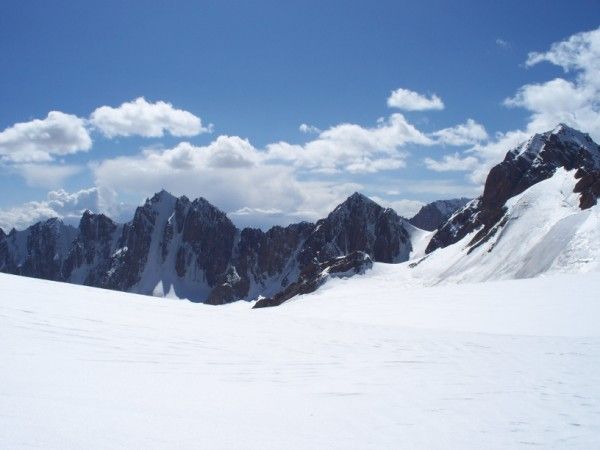
A new ski resort called Three Peaks will soon open in the Issyk-Kul region of Kyrgyzstan. According to plans, Société Des Trois Vallées, the operator of the elite Courchevel resort in France, will build slopes with a total length of 200 kilometers in the villages of Jyrgalan, Ak-Bulak and Boz-Uchuk. The first stage of construction will require an investment of $165 million. This money will be used to build 60 kilometers of ski slopes, six cable cars, as well as the full suite of hospitality infrastructure: hotels, restaurants, conference halls and recreation areas. The works are planned to be completed by the end of 2026. Representatives of a consortium of French companies that develop and manage ski resorts came to Kyrgyzstan in the spring of last year. Later, the French ambassador to the Kyrgyz Republic, François Delaus, announced the construction of a large tourist facility in Issyk Kul.