Viewing results 1543 - 1548 of 2291
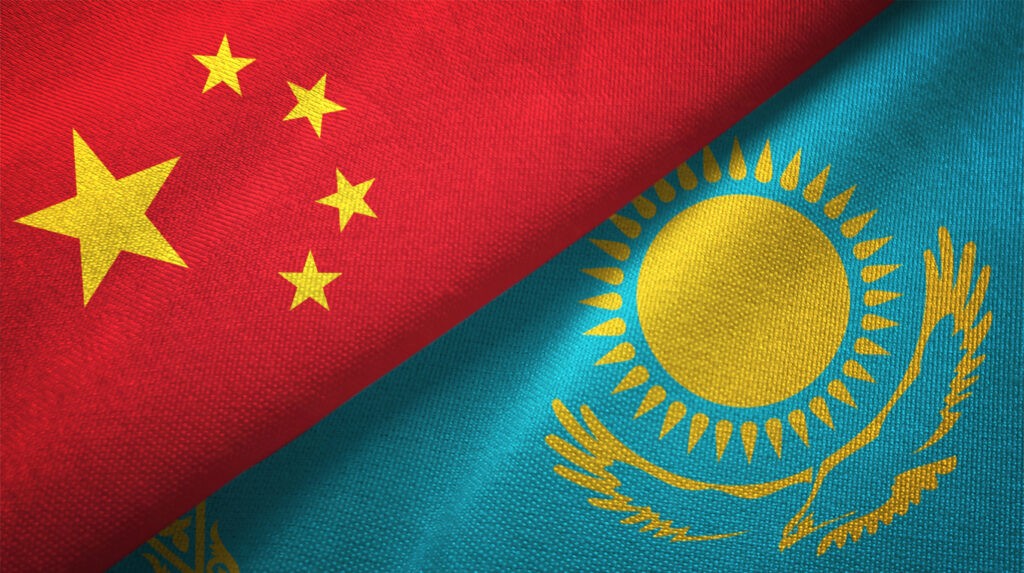
According to Chinese Customs Service data from the first quarter of 2024, Kazakhstan became the main trade partner of China's Xinjiang Uygur Autonomous Region. Since the beginning of the year, Xinjiang has conducted trade with 193 countries and regions of the world. The volume of imports and exports with Kazakhstan and Kyrgyzstan in currency terms has increased by 58.8% and 1.9% respectively. The volume of foreign trade originating from Xinjiang since the beginning of 2024 has increased by 42.7% year-on-year and reached about $13.2 billion. That puts Xinjiang in second place in China in terms of trade growth at the provincial level. Imports of agricultural products specifically increased by 36%. According to the General Customs Administration (GCA) of China, last year the trade turnover between Kazakhstan and Xinjiang increased by 63% and reached $20.3 billion. In the first half of 2023 China became Kazakhstan's main trading partner, displacing Russia. China supplies the country with cars, computers and laptops, plastics and plastic products -- and from Kazakhstan imports oil, natural gas, uranium, ferroalloys, mined ores and concentrates and oilseeds.
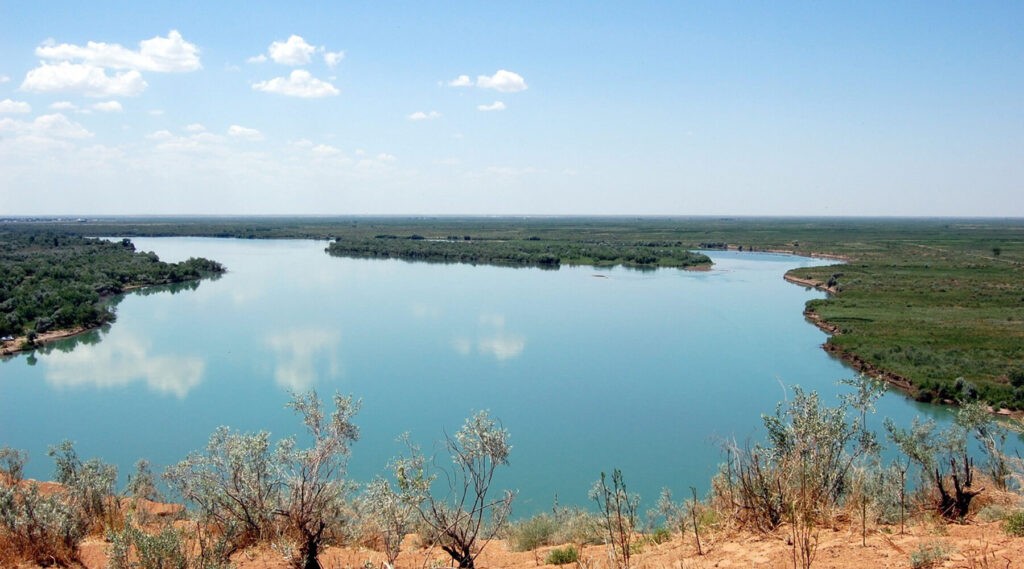
Last week in Kazakhstan, delegates came together for the 87th meeting of the Interstate Commission for Water Coordination (ICWC) of Central Asia, where they discussed the potential and limitations of regional water reservoirs ahead of the 2023-2024 agricultural growing season. According to the ICWC, some of the more pressing questions focused on confirming limits of water usage for the 2024 growing season for the Syr Darya and Amu Darya river basins and the prognosis for water release from the reservoirs in those basins. There's still no information on how much water will be sent to the Aral Sea basin. In accordance with the quota, the draw on water from the Amu Darya watershed will be 56 billion cubic meters for the year, with about 40 billion cubic meters to be used in the April-to-October growing season. As stated in the ICWC agreement, Uzbekistan will receive 16 billion cubic meters, Turkmenistan 15.5 billion cubic meters, and Tajikistan will get 6.9 billion cubic meters. The Syr Darya's water use quota for this year's growing season is around 11.9 billion cubic meters, with 8.8 billion cubic meters going to Uzbekistan, 1.9 billion cubic meters for Tajikistan, 920 million cubic meters for Kazakhstan, and 270 million cubic meters for Kyrgyzstan. According to the ICWC, the totals for irrigated lands by Central Asian country are 4.3 million hectares in Uzbekistan, 2.5 million hectares in Kazakhstan, 1.9 million hectares in Turkmenistan, 1 million hectares in Kyrgyzstan, and 680,000 in Tajikistan.
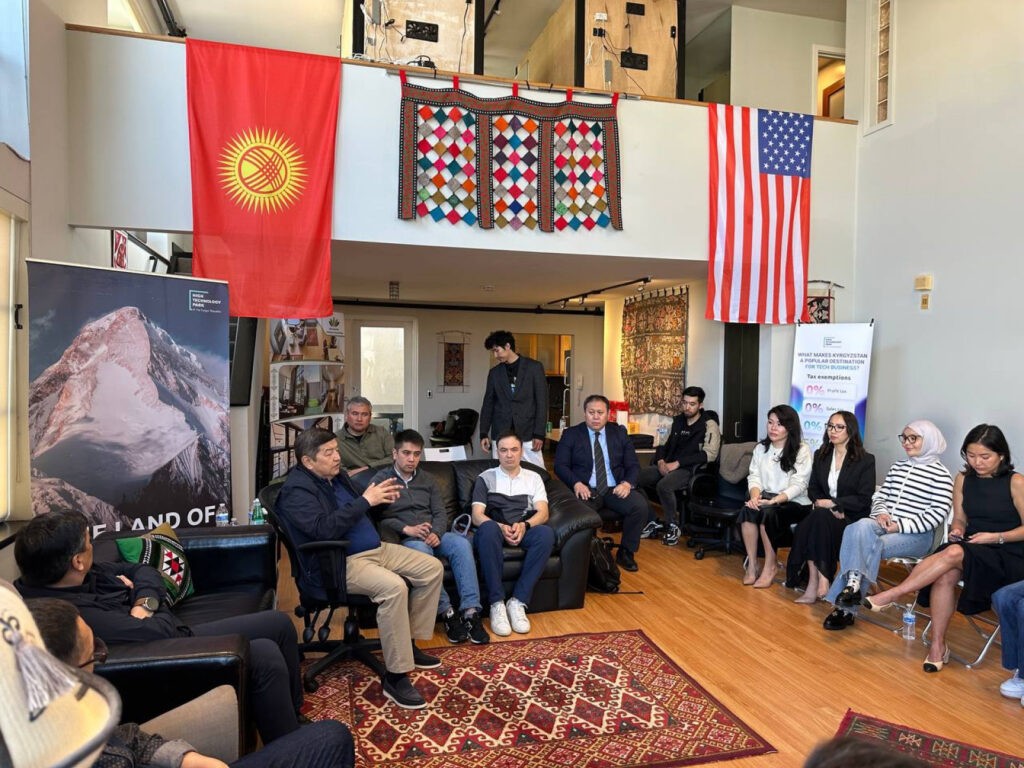
On a visit to San Francisco (USA) on April 21, Chairman of the Cabinet of Ministers of the Kyrgyz Republic Akylbek Japarov was guest of honour at the opening of the High Technology Park (HTP) House of the Kyrgyz Republic in Silicon Valley. Speaking at the event which brought together Kyrgyz IT specialists working in international technology corporations, the prime minister, emphasized the state’s readiness to support IT initiatives and the Cabinet of Ministers’ goal to make Kyrgyzstan a centre of excellence for the development of the industry: “All of you, young people, working in international IT companies are the pride of our country. Your innovation, talent and dedication make us stronger and more competitive on the world stage. It would be great if we could attract your companies to open development centres in Kyrgyzstan. We believe in you, in your capabilities and are ready to support you at every stage of your path to success.” During meetings with IT corporations at the head offices of Apple Inc., the Nvidia Corporation, and Hewlett-Packard, the Kyrgyz delegation led by Akylbek Japarov, focused on prospects afforded by collaboration to enable the government to fulfil its plans to create an IT park in Kyrgyzstan.
The World Bank has given Uzbekistan a soft loan of $50 million to grow its digital economy. The loan will help employ about 9,000 young people -- including 4,500 women and 360 persons with disabilities -- in IT-related services. The funds will also be used to create 11 IT service centers, and train 6,200 people in digital skills, communication and foreign languages. The program, which will run until 2029, foresees the creation of a legislative framework in the IT sphere. The IT sector's contribution to Uzbekistan's GDP remains insignificant -- it was just 1.9% in 2022.
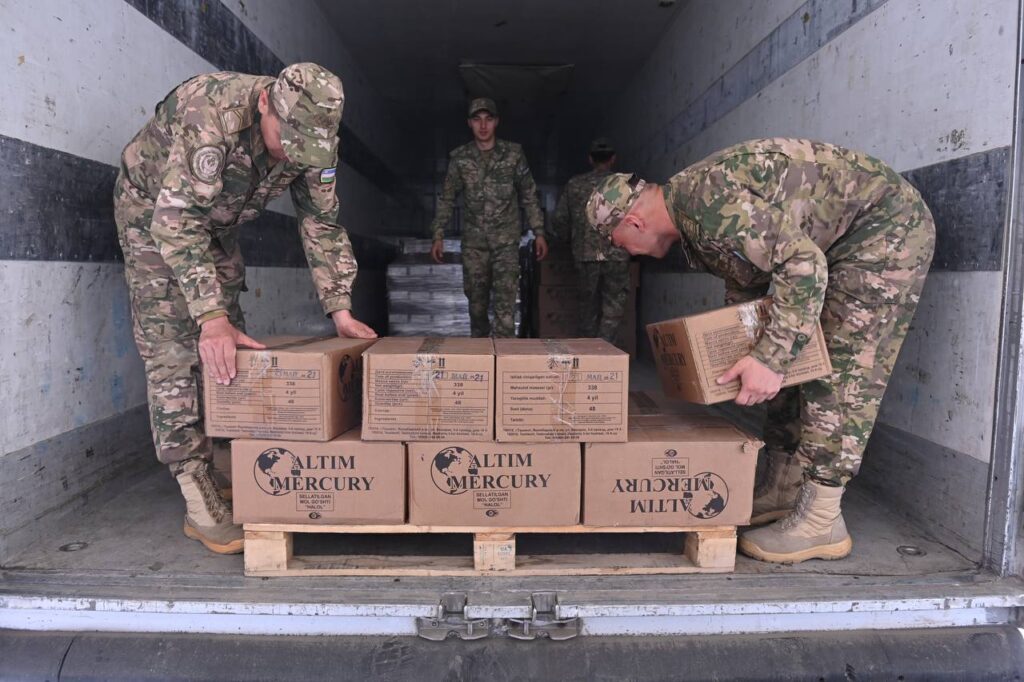
The people of Uzbekistan plan to send humanitarian aid to the people of Kazakhstan affected by the spring floods, according to a report by news outlet 24.KZ. The initiative was proposed by a group including a local blogger, activists and Kazakhs living in Uzbekistan. Residents of Upper Chirchik, Tashkent region, sent hundreds of liters of vegetable oil and bedding. There are also people bringing inflatable boats, rubber boots and personal hygiene items to the collection center. Uzbeks also organized fundraising, with the amount of funds raised reaching 60 million sum (~$4,700). According to 24.KZ, the volunteers planned to send humanitarian aid to Kazakhstan on April 19 to a village affected by the flood in the Kostanay region. Humanitarian aid has been sent to the people affected by the floods in Kazakhstan. Fifteen large trucks will deliver food, clothes, blankets, blankets, pillows, hygiene products, special equipment tents, rubber boat kits and other essential items.
The Kyrgyz government has completed the resettlement of residents of the Barak exclave, a portion of a country separated from the Kyrgyz mainland that is completely encompassed by Uzbekistan. That's according to a report by the TV channel ELTR. All houses and social infrastructure in Barak were dismantled and moved to Kyrgyzstan. Ninety-eight families were temporarily placed in different areas of Osh region, with some of them staying with relatives, and others placed in rented houses. According to the report, the government of Uzbekistan allocated 208 hectares of land to Kyrgyzstan in exchange for Barak. The Kyrgyz government plans to build housing in this area and settle the relocated families. Barak is a rural settlement with a total area of about 4 square kilometers, where 1,250 people lived. It was the largest exclave of Kyrgyzstan, surrounded on all sides by the Uzbek region of Andijan's Korgontepa district. Barak is located 1.5 kilometers from the border with the Kyrgyz mainland. In 2018 Kyrgyzstan and Uzbekistan agreed on an exchange of land plots whereby Kyrgyzstan would receive the territory of Barak, and in return swap an equivalent plot of land adjacent to the village of Aktash in the Karasuv district. However, the exchange did not take place. In November 2022 Kyrgyzstan announced that it had reached a final agreement on the exchange of territories with Uzbekistan, giving the green light to the current resettlement plan.