• KGS/USD = 0.01144 0%
  • KZT/USD = 0.00211 0%
  • TJS/USD = 0.10460 0.19%
  • UZS/USD = 0.00008 0%
  • TMT/USD = 0.28490 0%
  • KGS/USD = 0.01144 0%
  • KZT/USD = 0.00211 0%
  • TJS/USD = 0.10460 0.19%
  • UZS/USD = 0.00008 0%
  • TMT/USD = 0.28490 0%
  • KGS/USD = 0.01144 0%
  • KZT/USD = 0.00211 0%
  • TJS/USD = 0.10460 0.19%
  • UZS/USD = 0.00008 0%
  • TMT/USD = 0.28490 0%
  • KGS/USD = 0.01144 0%
  • KZT/USD = 0.00211 0%
  • TJS/USD = 0.10460 0.19%
  • UZS/USD = 0.00008 0%
  • TMT/USD = 0.28490 0%
  • KGS/USD = 0.01144 0%
  • KZT/USD = 0.00211 0%
  • TJS/USD = 0.10460 0.19%
  • UZS/USD = 0.00008 0%
  • TMT/USD = 0.28490 0%
  • KGS/USD = 0.01144 0%
  • KZT/USD = 0.00211 0%
  • TJS/USD = 0.10460 0.19%
  • UZS/USD = 0.00008 0%
  • TMT/USD = 0.28490 0%
  • KGS/USD = 0.01144 0%
  • KZT/USD = 0.00211 0%
  • TJS/USD = 0.10460 0.19%
  • UZS/USD = 0.00008 0%
  • TMT/USD = 0.28490 0%
  • KGS/USD = 0.01144 0%
  • KZT/USD = 0.00211 0%
  • TJS/USD = 0.10460 0.19%
  • UZS/USD = 0.00008 0%
  • TMT/USD = 0.28490 0%

Viewing results 277 - 282 of 693

Kyrgyzstan Cracks Down on Major Religious Extremist Organization

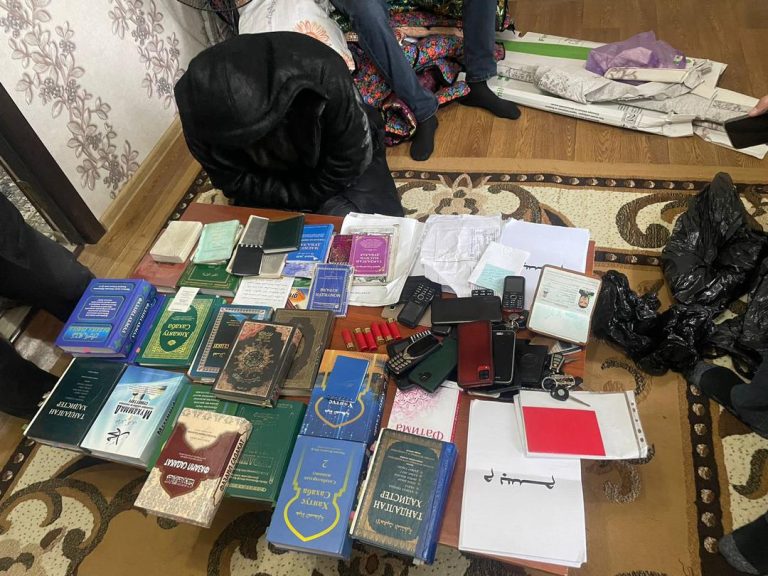
In Jalal-Abad, officers of Kyrgyzstan's State Committee for National Security (SCNS) neutralized one of the largest structural networks of the banned religious extremist organization Hizb ut-Tahrir. According to the SCNS press service, 22 active members of the organization were detained, including the leader (“masul”), five spiritual leaders (“nakibs”), and eight teachers (“mushrifs”) who taught extremist ideology to small groups of 3-5 students in clandestine settings. The SCNS reported that the detainees had been actively spreading destructive ideas, recruiting supporters, and distributing extremist materials for several years. During the operation, authorities discovered an underground printing house where extremist materials were being produced. A large cache of literature, as well as computers and copying equipment, was seized. The SCNS also noted that members of the network used drones to ensure the security of their meetings by detecting possible surveillance by law enforcement agencies. The detainees are currently being held in the SCNS detention center, and investigations are ongoing to identify additional members of the network and their activities. Hizb ut-Tahrir is an international religious extremist organization banned in Kyrgyzstan since 2003. Its goal is to establish a global Islamic caliphate by overthrowing secular governments. The organization is particularly active in Kyrgyzstan's southern regions, where it promotes extremist ideology and recruits new members. Kyrgyz authorities have been proactive in combating Hizb ut-Tahrir, regularly detaining its members and working to suppress its activities.

Uzbek Suspect Charged in Moscow Assassination; Putin and Mirziyoyev Talk

Russian President Vladimir Putin and President Shavkat Mirziyoyev of Uzbekistan spoke by telephone about joint security efforts, while an Uzbek man who had allegedly acted on behalf of Ukraine was charged in Moscow with the assassination of a top Russian military officer. Uzbekistan's embassy in Russia said on Wednesday that it was in contact with Russian law enforcement and was "clarifying the information" about the suspect. “The importance of continuing close and effective cooperation between the special services of the two countries in order to strengthen the fight against security threats and dangers was noted,” Mirziyoyev’s office said in a statement about the call on Thursday. A Kremlin statement also noted the agreement to continue security collaboration, adding that Mirziyoyev expressed condolences over the assassination of Lt. Gen. Igor Kirillov, head of the Russian military’s Chemical, Radiation and Biological Defence Troops, and his aide Ilya Polikarpov. “The Uzbekistani side emphatically condemns this vile terrorist act,” the Kremlin said. Kirillov was killed by a bomb that was planted on an electric scooter outside a residential building in Moscow on Tuesday, according to Russian authorities. On Thursday, a Moscow court charged Uzbek suspect Akhmadzhon Kurbonov with the killing and ruled that he will be held in custody until at least Feb. 17, the state-run Tass news agency reported. A video released by Russian officials shows the purported confession of the suspect, who was allegedly promised $100,000 by Ukraine and residence in a European Union country as a reward. The conditions surrounding the alleged confession are unclear. Several Western media outlets have quoted unidentified Ukrainian security sources as saying Ukraine was responsible for killing Kirillov. Ukraine had blamed Kirillov for the alleged use of banned chemical weapons in Ukraine. Russia denies the use of such weapons.

Gas Station Explosion in Uzbekistan Kills Four; Arrests Made

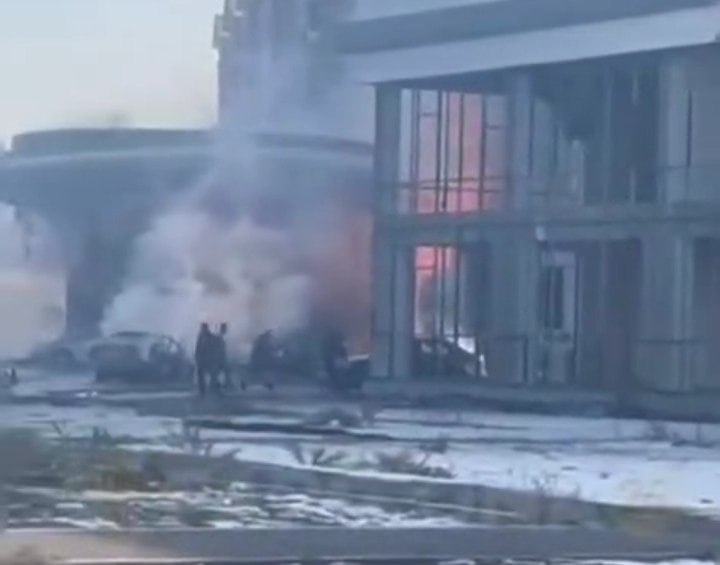
The death toll in an explosion and fire at a propane gas filling station in the Uzbek city of Ferghana has risen to four, and five people have been arrested as part of a criminal investigation into the incident, according to authorities. The Internal Affairs Department of the Ferghana region also said on Telegram that the blast happened when a crack appeared during the filling of a gas container. Emergency responders previously attributed the explosion to safety failures at the site of the explosion on Tuesday afternoon. One person died at the scene and three others later died of their injuries after being hospitalized, the internal affairs statement said. It said authorities are seeking to detain two other people in addition to the five already in custody. Images posted on social media show sheets of flame and thick smoke billowing from the scene. The Qalampir.uz site posted photos of the fire. A photo report on the Kun.uz media site showed the Petroleum station that was gutted by fire and damaged cars. A Kun.uz reporter who spoke to witnesses said there had been unease among people in the area about the presence of a liquefied gas station in the city’s Yangiyo‘l neighborhood, a populated area with residential buildings. Gasoline was initially sold at the station and propane was connected several months ago, according to the report. "The cars were burning right on the roadway. There is a cafe and a kindergarten next to the gas station, and new houses are being built," the media outlet quoted witness Khamidjon Madrakhimov as saying. Children in the kindergarten were evacuated to nearby apartments before their parents arrived to take them away.

Kyrgyz Security Chief Declares Crackdown on Organized Crime a Success

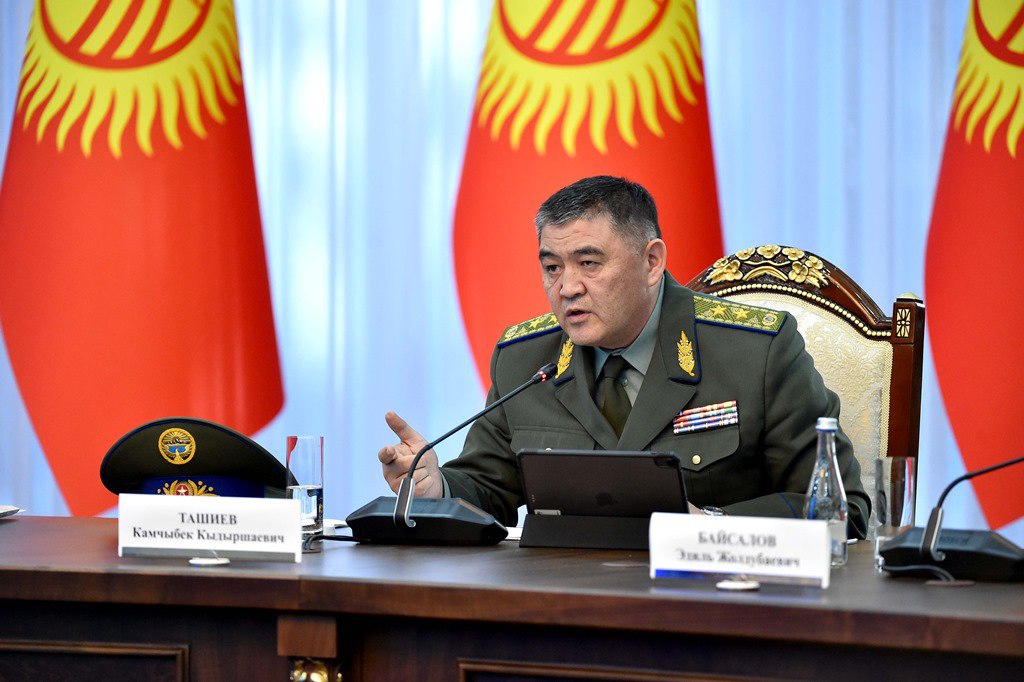
Kamchybek Tashiyev, the head of Kyrgyzstan’s State Committee for National Security (SCNS), declared that organized criminal groups (OCGs) have almost been eradicated nationally. Speaking at a press conference in Bishkek, Tashiyev highlighted significant achievements in the fight against organized crime. According to Tashiyev, property valued at 50 billion Kyrgyzstani som (KGS) has been recovered for the state budget as part of ongoing anti-crime efforts. Among the confiscated assets are those belonging to prominent figures in the criminal underworld, such as Kamchy Kolbayev, Kadyr Dosonov, Chyngyz Jumagulov, and Erkin Mambetaliyev. “A lot of property has been seized. Several boarding houses and sports complexes have already been sold,” Tashiyev stated. He also added that organized criminal groups have lost their influence and resources, asserting that Kyrgyz citizens can now work without fear. Kyrgyzstan’s government has intensified its campaign against organized crime. Key figures, including notorious crime boss Kamchy Kolbayev, have been detained or eliminated. Following these measures, several criminal leaders have publicly renounced their past and pledged to comply with the law. The Kyrgyz Interior Ministry has drafted the law “On the Prevention of Organized Crime” to establish a legal framework for combatting OCGs. This proposed legislation outlines preventive measures such as official warnings and financial audits for individuals suspected of criminal activity. While applauding the government’s efforts, some experts warn of potential negative consequences. Political scientist Aida Alymbayeva stressed that anti-crime initiatives must strictly adhere to legal procedures to avoid infringing on citizens' rights. Similarly, Doctor of Economics Asylbek Ayupov added that property seizures and arrests could impact tax revenues and harm Kyrgyzstan’s investment climate.

Fear Returns to Tajikistan’s Konibodom Area

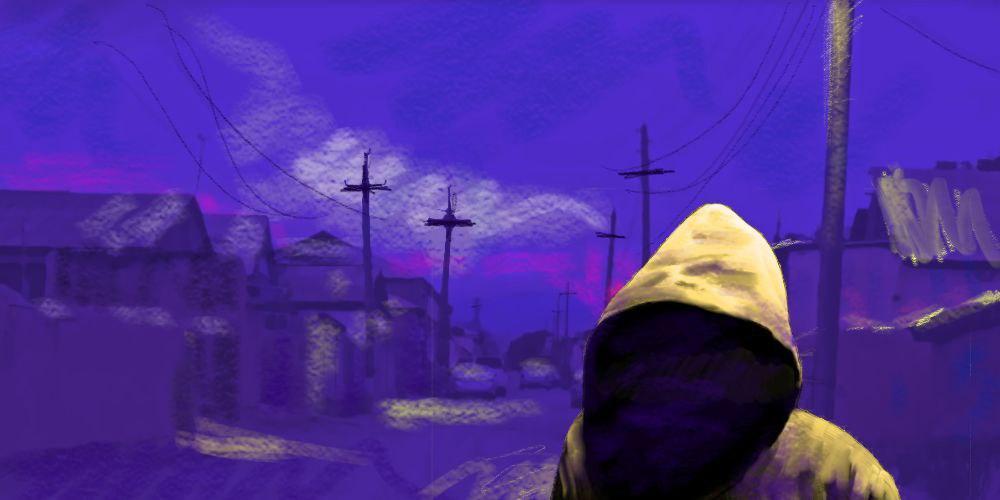
A series of murders in spring had residents in the area around Tajikistan’s northern city of Konibodom on edge for weeks. Thirteen people were killed between late March and late May, apparently by someone who broke into their homes at night. The victims ages ranged from young children to elderly people; they were ethnic Tajiks and Kyrgyz (Konibodom is located near the border with Kyrgyzstan), and the crimes happened in different areas around the city. The murders stopped, and later the Tajik authorities said they had captured the suspects, but on December 9, the nightmare started again with six people being killed, and on December 16, four more people were found dead in their homes.   The Killing Starts Again On December 9, the bodies of six people were found in the Shurkurgon neighborhood of Konibodom. All six were members of the Nematov family. Thirty-seven-year-old Naimjon was found hanged on a tree in the courtyard of the family’s home. His body showed signs of a struggle. His 33-year-old wife and four children, the youngest only two years old, were all strangled inside the family’s home. Local authorities and police have not commented on the killings. On December 16, reports said the bodies of 35-year-old Gaibullo Majidov and his 28-year-old wife Zarnigor were found in their home in Konibodom’s Hisorak neighborhood. Their three children were reportedly unharmed. On the same day in the same neighborhood, the bodies of 70-year-old Oyisha Shokirova and her 44-year-old son Javlon were found. Reports said all appeared to have died violent deaths, but the exact cause was not given. Police have also not commented on these murders. Prior to these latest killings, it appeared the police had caught at least some of the people responsible for a wave of murders in the spring that had local residents talking about “men in black” who prowled the streets in the middle of the night.   The Authorities’ Version On July 31, Konibodom Mayor Abdusalom Tukhtasunzoda said a suspect had been caught for the May 28-29 killings of six people in the village of Sanjidzor, on the outskirts of Konibodom. Tukhtasunzoda did not give any details about the suspect or the motive, except to say the person had been detained the week before. The Konibodom mayor said the murders in May were not connected to the earlier killings of five members of the Sharipov family in March, or to Muzaffar Urmonov and his wife Inoyat Urmanova in April. Tukhtasunzoda also dismissed the tales being told of men dressed in black clothing and masks being responsible for any of the murders. “There were no people ‘in black’ in the city of Konibodom,” Tukhtasunzoda said, “The video, which is distributed on social networks, was not filmed in Konibodom. Such footage is being circulated to frighten people.” On August 8, First Deputy Interior Minister Abdurahmon Alamshozoda told a press conference the was “nothing sensational” about the murders in Konibodom the previous spring. Alamshozoda said the incidents in March and April were the...

Activist in Exile: Tajikistan Pressures Family Over Political Dissent

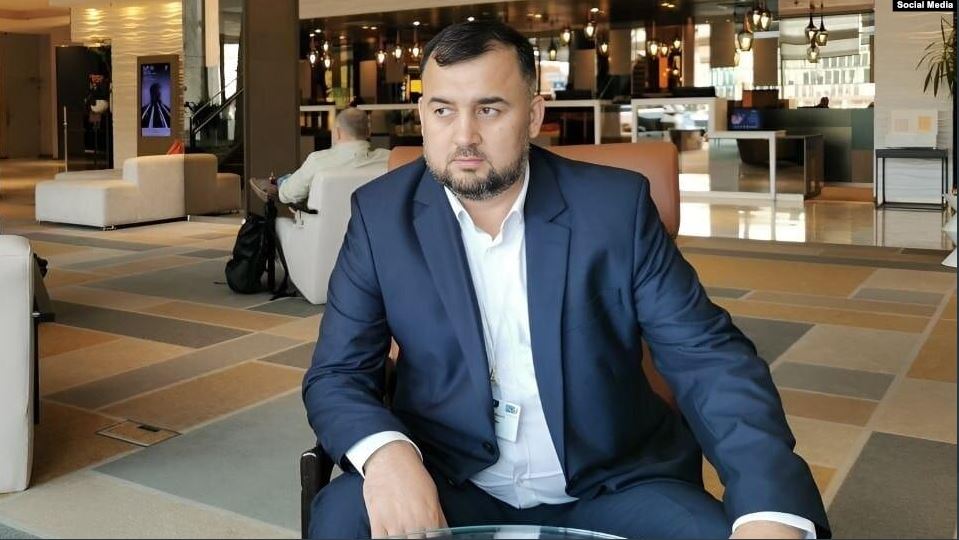
Mahmadsobir Abdukakhor, an activist associated with the banned Group 24 in Tajikistan, has accused law enforcement agencies in the Rasht District of pressuring his family. According to Abdukahkhor, authorities are demanding that his relatives persuade him to renounce his political activities and return to Tajikistan. “They came to my parents and brother, demanding that they convince me to return and ask for forgiveness from the authorities. But my parents are not responsible for my actions,” Abdukahkhor told Radio Ozodi on December 16. Abdukahkhor stated that such tactics are not new but reaffirmed that he would not stop his political activities or “repent,” as he does not trust the authorities’ assurances. “If I go back, I will either be killed like Umarali Kuwwatov or arrested like Sukhrob Zafar,” he said, referring to other opposition figures. Attempts by Radio Ozodi to obtain comments from Rasht District law enforcement agencies were unsuccessful. Tajik authorities have placed Mahmadsobir Abdukahkhor and other members of Group 24 — a political movement recognized as an extremist organization and banned in the country — on a wanted list. Abdukahkhor initially moved to Russia in 2012, where he ran a business and became involved in the movement before relocating to Europe. In 2014, Tajikistan amended its Criminal Code, allowing individuals accused of extremism to be exonerated if they return and “sincerely repent.” President Emomali Rahmon instructed law enforcement agencies to facilitate the return of such citizens. However, human rights activists claim that despite promises of amnesty, some returnees — including former members of ISIS and the Islamic Renaissance Party of Tajikistan (IRP) — were subsequently arrested and imprisoned.