• KGS/USD = 0.01144 0%
  • KZT/USD = 0.00210 0%
  • TJS/USD = 0.10523 0%
  • UZS/USD = 0.00008 0%
  • TMT/USD = 0.28571 0%
  • KGS/USD = 0.01144 0%
  • KZT/USD = 0.00210 0%
  • TJS/USD = 0.10523 0%
  • UZS/USD = 0.00008 0%
  • TMT/USD = 0.28571 0%
  • KGS/USD = 0.01144 0%
  • KZT/USD = 0.00210 0%
  • TJS/USD = 0.10523 0%
  • UZS/USD = 0.00008 0%
  • TMT/USD = 0.28571 0%
  • KGS/USD = 0.01144 0%
  • KZT/USD = 0.00210 0%
  • TJS/USD = 0.10523 0%
  • UZS/USD = 0.00008 0%
  • TMT/USD = 0.28571 0%
  • KGS/USD = 0.01144 0%
  • KZT/USD = 0.00210 0%
  • TJS/USD = 0.10523 0%
  • UZS/USD = 0.00008 0%
  • TMT/USD = 0.28571 0%
  • KGS/USD = 0.01144 0%
  • KZT/USD = 0.00210 0%
  • TJS/USD = 0.10523 0%
  • UZS/USD = 0.00008 0%
  • TMT/USD = 0.28571 0%
  • KGS/USD = 0.01144 0%
  • KZT/USD = 0.00210 0%
  • TJS/USD = 0.10523 0%
  • UZS/USD = 0.00008 0%
  • TMT/USD = 0.28571 0%
  • KGS/USD = 0.01144 0%
  • KZT/USD = 0.00210 0%
  • TJS/USD = 0.10523 0%
  • UZS/USD = 0.00008 0%
  • TMT/USD = 0.28571 0%

Viewing results 109 - 114 of 1298

Kyrgyz Authorities Reject Proposal to Let Wealthy Pay for Unlimited Electricity Amid Winter Deficit

As winter nears, the National Electric Grid of Kyrgyzstan introduced new electricity consumption limits for households, cutting the cap from 5 kilowatts to 3 kilowatts during peak morning and evening hours. At the same time, the company proposed allowing citizens to pay a higher tariff for unlimited electricity usage. The proposal sparked immediate backlash amid Kyrgyzstan’s chronic autumn-winter energy shortages, when many households depend on electric heating. President Sadyr Japarov swiftly condemned the initiative, calling it “unacceptable” during a period of scarcity. He warned that such a measure risked deepening social inequality and ordered the immediate cancellation of the unlimited-use tariff. Japarov also directed officials to implement equitable policies to ensure fair access to electricity for all citizens during the winter. Following the president’s intervention, the Ministry of Energy stated that the proposal had been introduced without its approval. The ministry also announced disciplinary action against the leadership of the National Electric Grid of Kyrgyzstan. On November 6, the Cabinet of Ministers introduced a series of emergency measures aimed at promoting responsible energy consumption. These include restrictions on the use of indoor and outdoor lighting and electrical equipment in government institutions between 6:00 p.m. and 6:00 a.m. Exemptions apply to strategic facilities and institutions that provide defense, security, healthcare, and social services, as well as those operating 24/7. The Cabinet estimates that the new measures could save up to 40 million kilowatt-hours of electricity per month. Government data shows that in the first nine months of 2025, electricity consumption increased by nearly 1 billion kilowatt-hours, largely due to the launch of new industrial sites, schools, and residential developments. Energy Minister Taalaibek Ibraev recently warned that the upcoming winter could be among the most challenging in years, citing critically low water levels at the Toktogul reservoir, which supplies approximately 40% of Kyrgyzstan’s electricity. In 2024, the country consumed 18.3 billion kilowatt-hours of electricity, up 1.1 billion kWh from the previous year. To cover the shortfall, Kyrgyzstan imported 3.6 billion kWh from Kazakhstan, Turkmenistan, Uzbekistan, and Russia. Additional imports have already been secured for the 2025-2026 winter. President Japarov has pledged that Kyrgyzstan will achieve energy self-sufficiency during winter months within two and a half years. “In two and a half years, we will no longer import electricity during winter. We will have enough domestically produced power,” Japarov said, urging citizens to remain patient as the government works to address the crisis. The country’s long-term energy security hinges on the construction of the Kambarata-1 Hydropower Plant, which is expected to be the largest in Kyrgyzstan and Central Asia. Once completed, it will have an installed capacity of 1,860 MW and generate 5.6 billion kilowatt-hours annually. The project is being developed in partnership with Kazakhstan and Uzbekistan.

Alatau to Become First City in Kazakhstan with Air Taxi System

Alatau, a newly established city in southern Kazakhstan near the country’s largest metropolis, Almaty, is set to become the first in the nation to launch an air taxi system. Kazakhstan’s Ministry of Artificial Intelligence and Digital Development recently signed a memorandum of understanding with U.S. based Joby Aero, Inc. for the purchase of electric vertical take-off and landing (eVTOL) aircraft valued at approximately $300 million. The aircraft will form the basis of a new urban air mobility system. The agreement also includes Alatau Advance Air Group Ltd., a local operator and integrator of air mobility technologies, and Vyacheslav Kim, chairman of the board of directors at Kaspi.kz and a key investor in the Alatau City development project. Plans for the construction of Alatau City were unveiled in late 2024, when four villages near Almaty were merged to create a new urban agglomeration. The city aims to attract $7.2 billion in investment and grow to a population of 2 million. It will also be part of a special economic zone that includes more than 170 planned projects worth a combined $24.4 billion. Authorities hope to position Alatau as a leading destination for investors. Joby Aero, Inc., a global leader in eVTOL aviation and the developer of certified electric air taxis, will supply aircraft capable of vertical take-off and landing. These aircraft will anchor Kazakhstan’s first urban air mobility initiative. The agreement also includes the creation of a testing site in southern Kazakhstan for certification and demonstration flights, along with plans to integrate air taxis into the transport systems of both Alatau and Almaty. Joby’s electric aircraft can travel up to 160 kilometers on a single charge and reach speeds of up to 322 km/h. The distance between Almaty and Alatau is approximately 34 kilometers. “Kazakhstan is taking a step into the future of innovative transport. The purchase of electric eVTOL aircraft marks an important milestone in developing smart cities and integrating cutting-edge technologies,” said Zhaslan Madiyev, Minister of Artificial Intelligence and Digital Development. “This move will shape Alatau as a city built on the technologies of tomorrow.” As previously reported by The Times of Central Asia, Kazakh authorities plan to launch commercial air taxi operations as early as next year.

AI Analyst to Help Kazakh Businesses Find Optimal Sales Locations

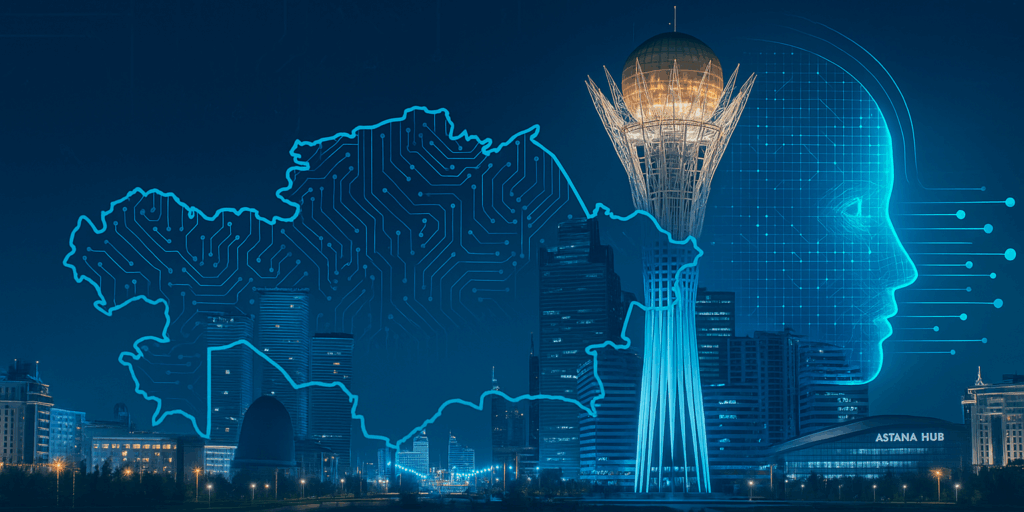
Kazakhstan’s Ministry of Finance is piloting a digital platform that uses AI and big data to help entrepreneurs identify the most profitable locations for selling their products. Deputy Finance Minister Aset Turysov announced the initiative during a recent briefing. The new AI-driven tool is integrated into the Ministry’s “Digital Map of Public Finances.” It utilizes electronic invoice data, machine learning algorithms, and commercial activity analytics to generate real-time maps of high-demand areas, aimed specifically at small and medium-sized businesses. “The Digital Map includes an AI analyst that processes receipts to identify where and which goods are in highest demand. We are currently testing this feature and plan to make it accessible through digital platforms, such as personal taxpayer accounts,” Turysov said. “If a business owner is unsure where to sell their products, the system will suggest the most advantageous locations.” AI to Support Targeted Subsidies and Smarter Investment The platform is designed not only to boost private sector efficiency but also to optimize state support programs. The AI tool will assist in allocating subsidies and issuing preferential loans by identifying promising business locations. This data-driven approach is expected to enhance investment outcomes and lower the risk of loan defaults. By discouraging over-concentration of businesses in particular sectors or regions, the system promotes more balanced economic development across the country. “For example, if someone wants to open a coffee shop, AI can flag areas where there’s already saturation and recommend neighborhoods where such services are lacking,” said a ministry representative. “This helps entrepreneurs allocate resources more effectively and avoid unprofitable locations.” Customs and Compliance Applications Artificial intelligence will also be implemented at customs checkpoints. In the initial phase, AI systems will match customs declarations with actual images of cargo, automatically detecting inconsistencies. This feature is currently in pilot testing. Parallel to this, the State Revenue Committee is expanding its use of the Digital Map project to gather data on company operations, cash register usage, and commodity flows. “For instance, 260,000 cash registers reported only one receipt over the course of a year, highlighting poor cash discipline. We will be sending notifications to those entities, urging them to increase operational transparency,” Turysov stated. Toward Full Fiscal Visibility Looking ahead, the system will integrate additional data sources, including corporate expenses, to provide a comprehensive view of income and expenditures by region. This will enable dynamic price and commodity flow analysis, supporting more accurate budget planning powered by AI. Turysov also noted that an independent IT audit conducted in 2024 led to a significant digital overhaul of the State Revenue Committee. The number of internal platforms was reduced from 14 to 5 key systems: Smart Data Finance (SDF), the Integrated Tax Administration System (ISNA), SUR, ESF, and Keden. “The Smart Data Finance system is now the core of our digital transformation. It consolidates data from 74 sources, automates tax processes, reduces paperwork, and forecasts revenues using AI,” Turysov said. Previously, The Times of Central Asia reported that the Ministry of Finance will begin blocking...

Bishkek City Hall Tightens School Meal Oversight After Mass Food Poisoning

A mass food poisoning incident at a Bishkek school has prompted city authorities to intensify oversight of school meal programs. Eighty children and four adults were affected after consuming shawarma (flatbread wraps filled with grilled meat) prepared with allegedly poor-quality ingredients, according to the Bishkek City Hall. The Bishkek Center for Hygiene and Epidemiology has launched an inspection of all schools in the capital. Dozens of children sought medical care, reporting symptoms such as nausea, vomiting, abdominal pain, and diarrhea. Twelve individuals were hospitalized, while the remaining victims are receiving outpatient treatment. The school cafeteria involved has been shut down pending an epidemiological investigation. Deputy Mayor of Bishkek Victoria Mozgacheva met with the school's director and underscored the zero-tolerance policy for violations of the approved meal plan and sanitary protocols. “All general education institutions in the capital, regardless of their ownership, have been ordered to strictly follow the approved meal regulations,” the mayor’s office stated. “Any deviation from the menu, which is approved in consultation with medical and epidemiological experts, is strictly prohibited.” Preliminary findings suggest the source of the poisoning may have been improperly handled chicken used in the shawarma served. In response, Bishkek authorities have instructed schools to tighten food quality control measures. The Ministry of Health of Kyrgyzstan has also initiated legislation to ban the sale of unhealthy food products in close proximity to schools.

Kyrgyzstan Election 2025: New Rules, New Map, Same High Stakes

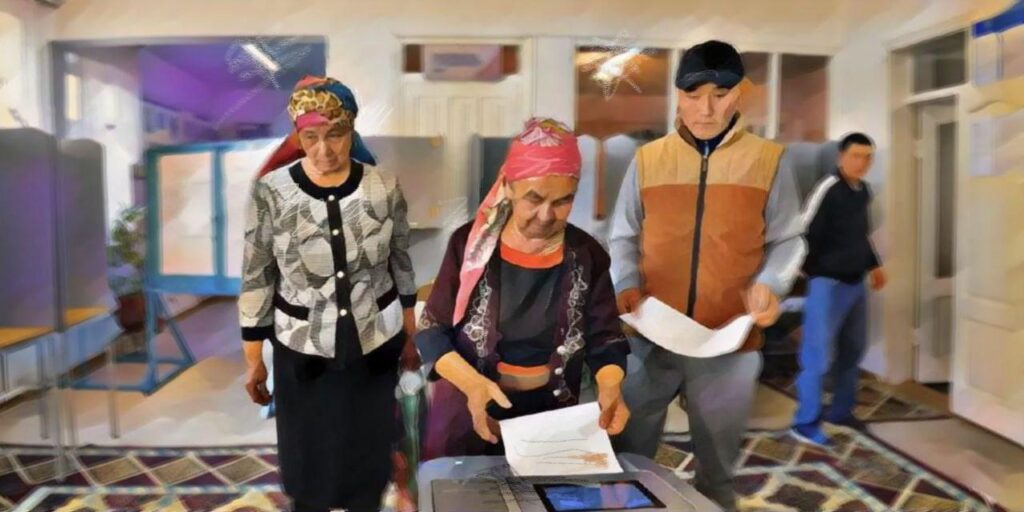
Kyrgyzstan is conducting snap parliamentary elections on November 30. The deadline for would-be candidates to hand in their forms was October 30. Nearly 600 prospective contenders have submitted registration forms to run for the 90 seats in parliament. The Central Election Commission (CEC) now has until November to process candidates’ applications to ensure they meet all the requirements to participate in the upcoming poll. Those who qualify will then have 18 days to convince voters in their districts to cast their ballots for them. The Basics These will be the ninth parliamentary elections held in Kyrgyzstan since the country became independent in late 1991. The reason officials gave for moving elections forward from November 2026 is that the next presidential election is scheduled for January 2027. However, in June 2025, amendments to the electoral system came into effect that changed the voting system and redivided electoral districts, opening the way to hold early elections. Parliament voted to dissolve itself in late September, and shortly after, the date of the forthcoming election was announced. To be eligible to run for a seat in parliament, a Kyrgyz citizen must be at least 25 years old, have a higher education, and have lived continuously in Kyrgyzstan for the last five years. Anyone with a criminal record is barred from participating. In Kyrgyzstan’s parliamentary elections in the 1990s and early 2000s, some prominent opposition figures were convicted of what appeared to be politically motivated charges and imprisoned to prevent them from taking part in elections. This happened to so many opposition politicians that after Kyrgyzstan’s first revolution, the Tulip Revolution of March 2005, a rule was introduced that allowed people with previous convictions to run for office. Now, an exception is made only for those whose convictions were later overturned. What’s New? These elections will be decided through single-mandate voting. That is not new. It was the way Kyrgyzstan’s parliamentary elections were conducted until 2007. The constitutional referendum of October 2007 changed the electoral system and introduced voting by party-list. Then-President Kurmanbek Baliyev formed the Ak-Jol party immediately after the referendum, and the party went on to win more than 60% of seats in parliament in the elections in December 2007. Bakiyev’s attempts to concentrate power into his hands eventually backfired and played a role in his ouster in the revolution of April 2010. Elections continued to be conducted by party list in 2010, 2015, and 2020. However, the elections of 2020 were plagued by allegations of rigging and vote-buying during the campaign, and when two pro-government parties won the majority of seats, it sparked another revolution that saw current President Sadyr Japarov come to power. The deputies elected in 2015 remained in their posts for more than another year. The last parliamentary elections in November 2021 were held using a mixed system, whereby 36 seats were decided by single-mandate voting, and 54 by party lists. President Japarov signed amendments to the election laws in June 2025, one of which was to decide the...

Tokayev Proposes Employing Top Foreign Graduates in Kazakhstan

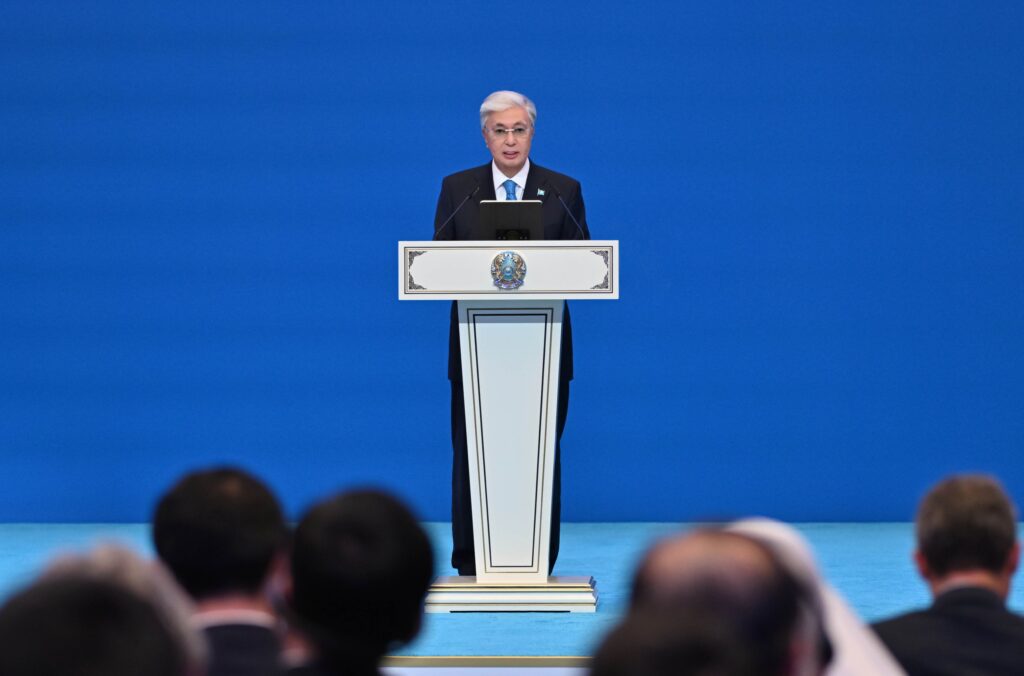
President Kassym-Jomart Tokayev has proposed launching a program to employ the most talented foreign graduates of Kazakh universities, allowing them to begin their professional careers within the country. He announced the initiative during the Strategic Partners Forum, Kazakhstan - Territory of Academic Education. According to Tokayev, over 31,000 foreign students are currently studying at Kazakh universities, a national record. The government aims to increase this figure to 100,000 by 2029 through visa liberalization and improved learning conditions. The employment program will enable top-performing international graduates to stay in Kazakhstan, contributing to the national economy. Simultaneously, the country plans to expand the number of foreign university branches in Kazakhstan, with a particular focus on technical disciplines. “The opening of branches of foreign universities is fully in line with our goal of developing engineering and IT education,” Tokayev said. Kazakhstan currently hosts three Lu Ban workshops, which serve as centers for applied engineering training. Special emphasis is being placed on preparing skilled personnel for the nuclear energy sector. “Our task is to ensure a direct link between education and science and the real sector of the economy. There are already successful examples: the partnership between Kozybayev University and the University of Arizona has led to the development of a technology to convert sulfur into innovative polymers. This is a vital project for our country, which has significant sulfur reserves. It will spur growth in the chemical industry and contribute to solving environmental challenges,” Tokayev noted. Since 2019, Kazakhstan has tripled its investment in education and science. Five Kazakh universities have been included in the Times Higher Education global rankings, and higher education institutions now enjoy greater autonomy. Tokayev emphasized that investment in education is an investment in Kazakhstan’s future. He said the country sees the demographic potential of Central Asia and neighboring regions as an opportunity to grow its higher education sector and attract international students. “Kazakhstan has set itself the ambitious goal of becoming part of the global knowledge market. To this end, we have partnered with 40 leading universities worldwide and opened 33 foreign university branches. Many of these institutions offer courses in English, Russian, and Chinese. Multilingualism is the key to openness and competitiveness for both universities and nations,” he said. To help foreign students better understand local culture, all foreign university branches are required to offer mandatory courses in the Kazakh language and the history of Kazakhstan. Tokayev also named digital state development and the integration of artificial intelligence (AI) technologies among the country's top priorities. He noted that by 2030, AI is projected to contribute over $15 trillion to global GDP, and Kazakhstan intends to play an active role in this transformation. “Since the beginning of the year, we have launched the AI-Sana program, completed by more than 540,000 students. Courses on artificial intelligence have become mandatory in all schools and universities. An AI university is currently in development,” Tokayev said. He cited agreements reached with OpenAI during his September visit to the United States, under which...