Kazakhstan’s progression to a “listening state”
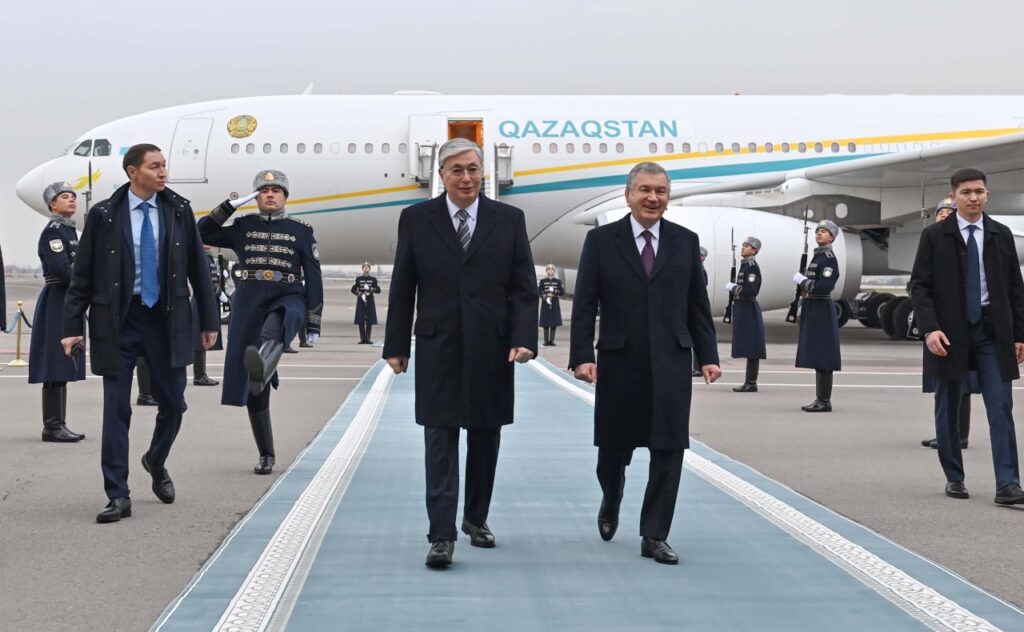
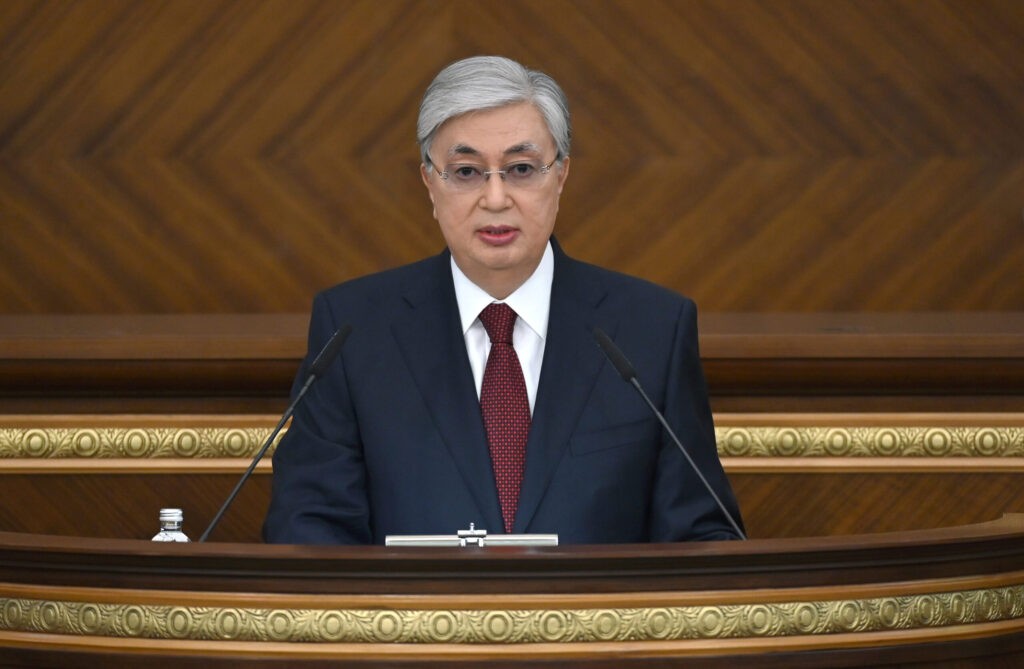
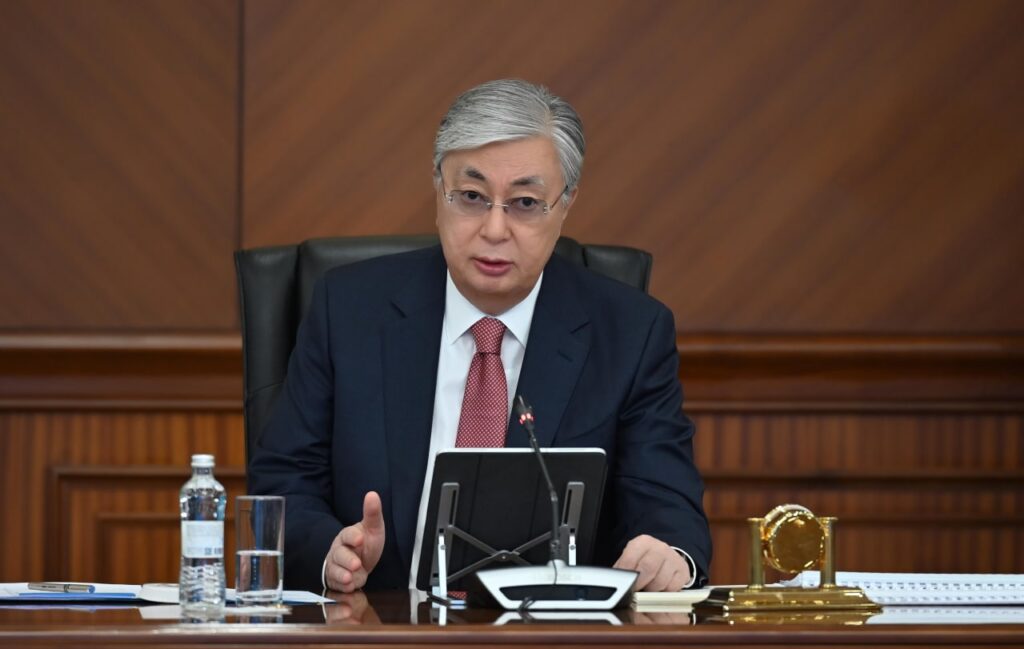
30 December 2022 Kazakhstan had a momentous year in 2022. It started with the January unrest, when thousands of citizens went into the streets in peaceful rallies against a sudden sharp increase in prices of the liquefied gas they used in their homes. These rallies turned into a mass protest against the legacy of the regime of Kazakhstan’s first president, Nursultan Nazarbayev, who had failed to give the people a voice and listen to their legitimate needs. What started out as a dangerous and tragic affair, however, soon turned into a real opportunity for the country’s democratic future. The big shift from Nazarbayev to Tokayev While the entrenched business elites around Nazarbayev ruled the country for over three decades, discontent grew among the broader population who perceived an economic class bias against them. Tokayev began weakening the power of Nazarbayev and his hangers-on after he became president in 2019; and in 2020, he began to dismantle the Nazarbayevite oligarchy. After Tokayev removed Nazarbayev’s eldest daughter, Dariga, from her post as Speaker of the Senate and cancelled a state contract worth millions of dollars to another daughter, Dinara, the Nazarbayevite elites became alarmed and began to view Tokayev as an existential threat to their continued power. Three days into the January events, security forces controlled by Nazarbayevite cliques, and led by National Security Committee head Karim Massimov, hijacked the protests. Using their own criminal provocateurs, they deliberately turned the peaceful protests violent and attempted to stage a coup d’état. They raided armouries and stormed government buildings in a co-ordinated effort to push Tokayev from power. After order was restored, both Nazarbayev and Massimov were ousted from all their official duties, opening the way for an ambitious drive to transform the country’s social, economic and political system through a series of reforms. What is a “listening state”? The concept of the “listening state” goes beyond Gorbachev’s glasnost. In English, “glasnost” translates as “openness” or “transparency”, but in Russian, the meaning is more nuanced. The word comes from the noun golos and the suffix -nost. Golos means voice, and -nost means “the quality of”. So, glasnost is the quality of having a voice, as opposed to not having one. Hence, “glasnost” in Russian implies listening to the voice of the public. Glasnost was the foundation of two other Gorbachev reforms: perestroika and democratization. Perestroika meant “restructuring” of the economy, while democratization meant political reforms. Under Gorbachev in the Soviet Union, glasnost, restructuring and democratization were supposed to reinforce one another. All three had to work together for any one of them to succeed completely. The problems that Tokayev confronted when he became president in 2019 broadly resemble the problems that Gorbachev faced in 1985. The Brezhnev regime, which Gorbachev inherited, became referred to as a period of “stagnation”, thus the antithesis of glasnost. Like Brezhnev, Nazarbayev entrenched an elite political class, disconnected from the people, and unwilling to respond to their needs or institute significant reforms. Implementing a “listening state” is the most...