• KGS/USD = 0.01144 0%
  • KZT/USD = 0.00208 0%
  • TJS/USD = 0.10440 0%
  • UZS/USD = 0.00008 0%
  • TMT/USD = 0.28571 0%
  • KGS/USD = 0.01144 0%
  • KZT/USD = 0.00208 0%
  • TJS/USD = 0.10440 0%
  • UZS/USD = 0.00008 0%
  • TMT/USD = 0.28571 0%
  • KGS/USD = 0.01144 0%
  • KZT/USD = 0.00208 0%
  • TJS/USD = 0.10440 0%
  • UZS/USD = 0.00008 0%
  • TMT/USD = 0.28571 0%
  • KGS/USD = 0.01144 0%
  • KZT/USD = 0.00208 0%
  • TJS/USD = 0.10440 0%
  • UZS/USD = 0.00008 0%
  • TMT/USD = 0.28571 0%
  • KGS/USD = 0.01144 0%
  • KZT/USD = 0.00208 0%
  • TJS/USD = 0.10440 0%
  • UZS/USD = 0.00008 0%
  • TMT/USD = 0.28571 0%
  • KGS/USD = 0.01144 0%
  • KZT/USD = 0.00208 0%
  • TJS/USD = 0.10440 0%
  • UZS/USD = 0.00008 0%
  • TMT/USD = 0.28571 0%
  • KGS/USD = 0.01144 0%
  • KZT/USD = 0.00208 0%
  • TJS/USD = 0.10440 0%
  • UZS/USD = 0.00008 0%
  • TMT/USD = 0.28571 0%
  • KGS/USD = 0.01144 0%
  • KZT/USD = 0.00208 0%
  • TJS/USD = 0.10440 0%
  • UZS/USD = 0.00008 0%
  • TMT/USD = 0.28571 0%

Viewing results 217 - 222 of 384

Water Levels of Kazakhstan’s Reservoirs Continue to Rise

On June 3, the Ministry of Water Resources and Irrigation announced that to date, the country's reservoirs have collected 75 billion cubic meters of water, 15 billion cubic meters more than last year. Over 12 billion cubic meters of the accumulated water is flood water. The statement updates statistics cited in an earlier report by Times CA In total, Kazakhstan's reservoirs can hold 89 billion cubic meters of water. Last year the country's agricultural sector used 14 billion cubic meters of water, and 24.4 billion cubic meters of water were used by other sectors across the country. Welcoming the news, representative of the ministry Moldir Abdualieva said, “The collection of flood water continues. Since the beginning of the flood situation, 3.3 billion cubic meters of water have been sent to Lake Balkhash, and about 6 billion cubic meters of water have been directed to the Caspian Sea”    

Netherlands to Help Develop Kazakhstan’s Water Sector

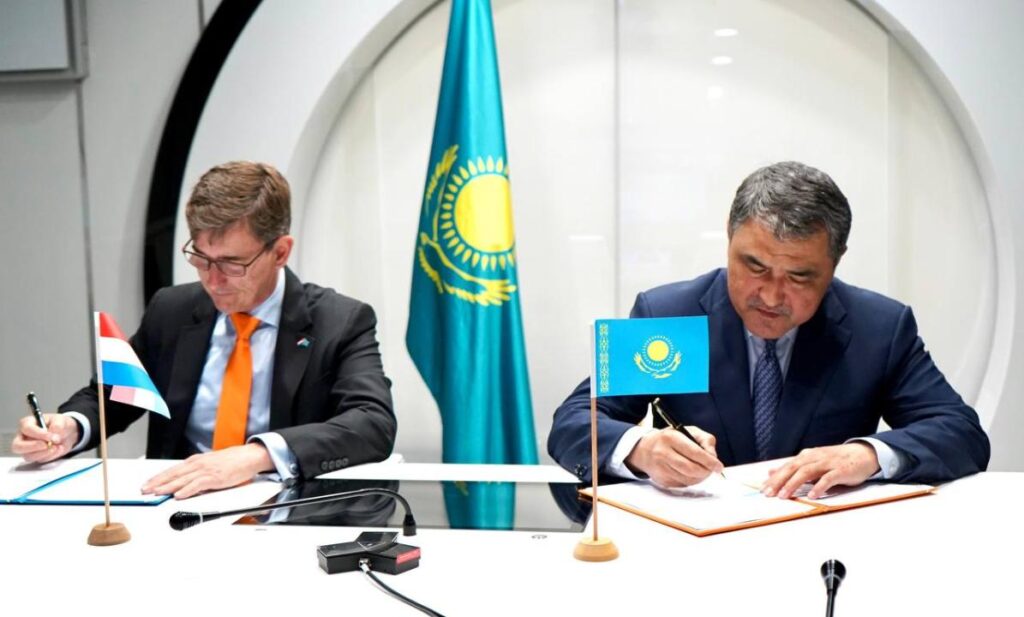
On May 29, the Ministry of Water Resources and Irrigation of Kazakhstan and the Ministry of Foreign Affairs of the Netherlands signed a Memorandum of Understanding on cooperation in the construction and use of water facilities, flood forecasting and flood control planning. The agreement will draw on an exchange of experience in the regulation and use of flood waters, as well as a study of Dutch river flow management. A further memorandum was signed with the IHE Delft Institute for Water Education to provide training of specialists and interaction with science and innovative technologies in the water industry. Minister of Water Resources and Irrigation of Kazakhstan Nurzhan Nurzhigitov welcomed the two countries’ formal agreement to further cooperation and expressed confidence that it would help implement large-scale projects, and through the exchange of experience and technology, unlock the potential of the domestic water sector.    

Kazakhstan’s Reservoirs Brimming with 12 billion Cubic Meters of Water

As a result of unprecedented high levels of rainfall this spring, over 12 billion cubic meters of water has collected in Kazakhstan’s reservoirs, 2.5-fold more than last year. In an announcement on 28 May, Minister of Water Resources, and Irrigation Nurzhan Nurzhigitov said that water accumulated through channelling flood water to estuaries, lakes and reservoirs which have experienced water shortages in previous years, will greatly benefit irrigation, and in turn, the economy. Looking ahead, Nurzhigitov stated that the ministry is to develop a long-term strategy for flood water management and reducing the consequences of droughts. Plans include the development of an electronic map of the movement of flood waters to indicate populated areas most at risk, and a unified system for accounting, monitoring, and forecasting water resources. The announcement follows a previous report that since the beginning of the year, the water level in Kazakhstan’s largest lake, Balkhash, fed by the transboundary Ili River that originates in China, has risen by 23 cm.  

Almaty Hosts Conference on Tackling Climate Change in Central Asia

On 27 May, delegations from Central Asian countries and international experts convened in Almaty, Kazakhstan to discuss pressing issues of sustainable water and land management, energy, food security, and environmental sustainability in the context of climate change in the region. Held annually, the Central Asia Climate Change Conference provides a platform to advance regional cooperation in addressing the impact of climate change and transboundary climate risks. This year’s event, CACCC-2024, attracted over 400 participants, including policy and decision makers from Central Asian countries, international development partners, and representatives from civil societies, the private sector, and academia. Addressing the delegates, Zafar Makhmudov, Executive Director of the Regional Environmental Centre for Central Asia (CAREC) announced: “Central Asia is vulnerable to the adverse effects of a rapidly changing climate, given its agricultural economy, aging infrastructure, and rapid population growth. The need to improve regional cooperation in energy and water resources management alongside approaches to adaptation to climate change is obvious. The conference aims to strengthen this cooperation to increase the region's resilience.” Regarding funding, Tatiana Proskuryakova, World Bank Regional Director for Central Asia, stated, “Climate change is an urgent challenge, and the countries of Central Asia can only address it if they work together. This means tackling a broad set of issues simultaneously, from adopting and implementing green policies to deploying green financing and investing in renewable energy, sustainable agriculture and natural resource management. We will continue working hand in hand with our government counterparts, sharing our analysis and advice, but also providing finance for priority investment projects for the benefit of people in Central Asia.” On an encouraging note, Dr. Caroline Milow, Programme Manager for the Green Central Asia Initiative, GIZ added: “With the adoption of the Regional Climate Change Adaptation Strategy, Central Asia is one step ahead of many other regions in the world. It helps further cooperation and coordination to strengthen adaptation and mitigation to climate change, which is ever more felt in the region. I am positive that these joint efforts among the countries will bear fruit for the entire population of the Aral Sea Basin.”

More Irrigation Water Pledged for Southern Kazakhstan

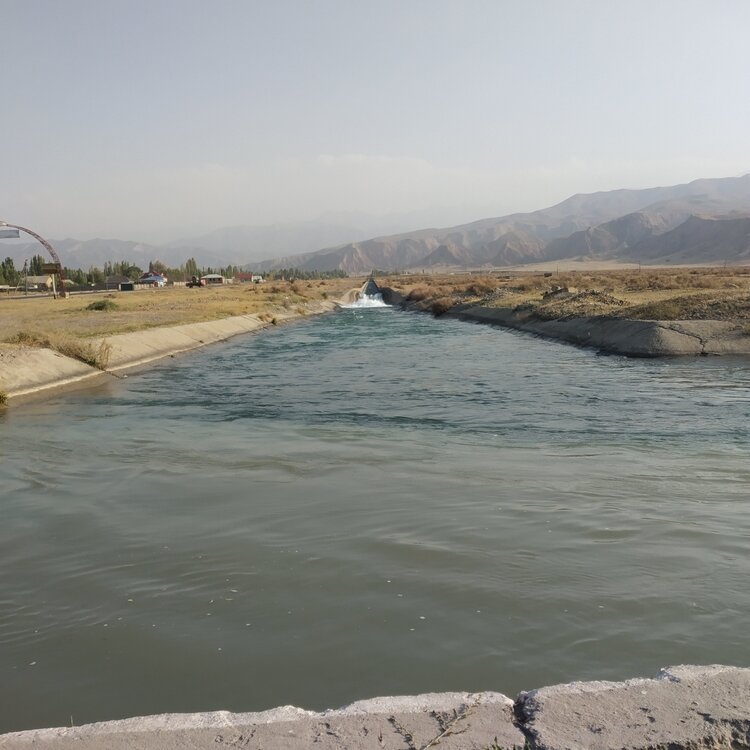
A revision of interstate water flow limits for Kazakhstan, through the operation of transboundary rivers and canals, has been approved by the country’s upstream neighbors. The agreement made on 20 May, which will increase the supply of irrigation water during this year’s growing season, aims to benefit farmers in the country’s driest southern regions of Turkestan, Kyzylorda, and Zhambyl. An additional 300 million cubic meters of water has been channelled from Uzbekistan into the Shardara reservoir located on the Syrdarya River in the Turkestan region of Kazakhstan. To date, the reservoir holds 4.8 cubic kilometers of water. In April and May alone, 1.4 cubic km of water entered the Shardara reservoir, doubling the volume received in the same period last year. Kazakhstan, Tajikistan, and Uzbekistan have now confirmed plans for the Bahri Tojik reservoir in Tajikistan, scheduled for July-August, which will guarantee water flow to Kazakhstan through Uzbekistan. Based on hydrological forecasts and the current water levels in Kyrgyzstan’s Kirov and Orto-Tokoi reservoirs, totalling 380 million cubic meters, approval has been granted for Kazakhstan to receive 44 million cubic meters more than last year. Kazakhstan will also be supplied with 180 million cubic meters of water from the Shu River in Kyrgyzstan; an increase of 26 million cubic meters compared to 2023. Most of the 1.5 million hectares of land currently irrigated in Kazakhstan are in the south; these regions are forecast to be especially hot and dry this summer. Due to spring floods, reservoirs are now 70- 90% full in the northern, central, western and some eastern regions.    

Kazakhstan Looks to Israel’s Innovative Water Technologies

Kazakhstan’s Ambassador to Israel, Daulet Yemberdiyev has visited the Israeli companies Mekorot, Odis, and BlueGen Water to see Israel’s best practices in the field of water security and management. These companies are at the forefront of Israel’s environmental infrastructure and offer innovative solutions in water management, wastewater treatment and recycling, and the development of desalination systems and water-saving technologies. The Israeli companies showed the Kazakh diplomat their innovative projects and demonstrated exclusive solutions in the field of water management. As a result of the meetings, the parties agreed on further joint research initiatives and organizing visits of representatives of the Israeli water companies to the regions of Kazakhstan. Ambassador Yemberdiyev emphasized that Kazakhstan prioritizes water conservation projects to ensure sustainable development and the environmental safety of the country.