• KGS/USD = 0.01144 0%
  • KZT/USD = 0.00208 0%
  • TJS/USD = 0.10440 0%
  • UZS/USD = 0.00008 0%
  • TMT/USD = 0.28571 0%
  • KGS/USD = 0.01144 0%
  • KZT/USD = 0.00208 0%
  • TJS/USD = 0.10440 0%
  • UZS/USD = 0.00008 0%
  • TMT/USD = 0.28571 0%
  • KGS/USD = 0.01144 0%
  • KZT/USD = 0.00208 0%
  • TJS/USD = 0.10440 0%
  • UZS/USD = 0.00008 0%
  • TMT/USD = 0.28571 0%
  • KGS/USD = 0.01144 0%
  • KZT/USD = 0.00208 0%
  • TJS/USD = 0.10440 0%
  • UZS/USD = 0.00008 0%
  • TMT/USD = 0.28571 0%
  • KGS/USD = 0.01144 0%
  • KZT/USD = 0.00208 0%
  • TJS/USD = 0.10440 0%
  • UZS/USD = 0.00008 0%
  • TMT/USD = 0.28571 0%
  • KGS/USD = 0.01144 0%
  • KZT/USD = 0.00208 0%
  • TJS/USD = 0.10440 0%
  • UZS/USD = 0.00008 0%
  • TMT/USD = 0.28571 0%
  • KGS/USD = 0.01144 0%
  • KZT/USD = 0.00208 0%
  • TJS/USD = 0.10440 0%
  • UZS/USD = 0.00008 0%
  • TMT/USD = 0.28571 0%
  • KGS/USD = 0.01144 0%
  • KZT/USD = 0.00208 0%
  • TJS/USD = 0.10440 0%
  • UZS/USD = 0.00008 0%
  • TMT/USD = 0.28571 0%

Viewing results 223 - 228 of 384

Kazakhstan Secures Almost Billion Cubic Meters of Irrigation Water from Uzbekistan

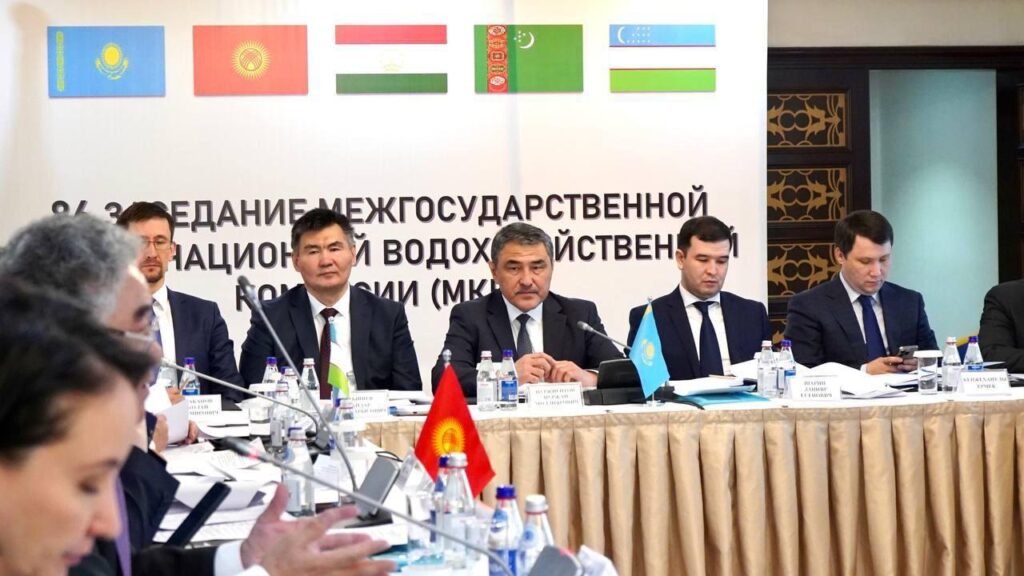
Kazakhstan is set to receive 922 million cubic meters of water from Uzbekistan via the Dostyk interstate canal during this year's irrigation season. According to a report issued by the Kazakh Ministry of Water Resources and Irrigation on 13 May, the matter was determined in an Agreement by the Interstate Water Coordination Commission of Kazakhstan, Kyrgyzstan, Tajikistan, Turkmenistan, and Uzbekistan. In addition, the parties formally approved the joint operation of the Naryn-Syr Darya cascade of reservoirs scheduled until 30 September. It was announced that the Shardara reservoir in the Turkestan region of southern Kazakhstan currently holds 4.8 billion cubic meters of water. The Toktogul reservoir on the Naryn river in upstream Kyrgyzstan, which releases water for irrigating fields in the south, has so far amassed 8 billion cubic meters of water. During the meeting, a draft agreement was also created ‘On the creation of a mechanism for water and energy cooperation between the countries of Central Asia.’ Kazakhstan’s Minister of Water Resources and Irrigation Nurzhan Nurzhigitov commented, “Our priority now, is to collect and send flood water to the Caspian Sea, Lake Balkhash, Kamysh-Samar lakes, and from the Ulytau region to lakes in the Kyzylorda region. But it is also important to provide water to the southern regions of Kazakhstan. And in this matter, water diplomacy is very important.”  

Campaign to Restore Kyrgyzstan’s Forests

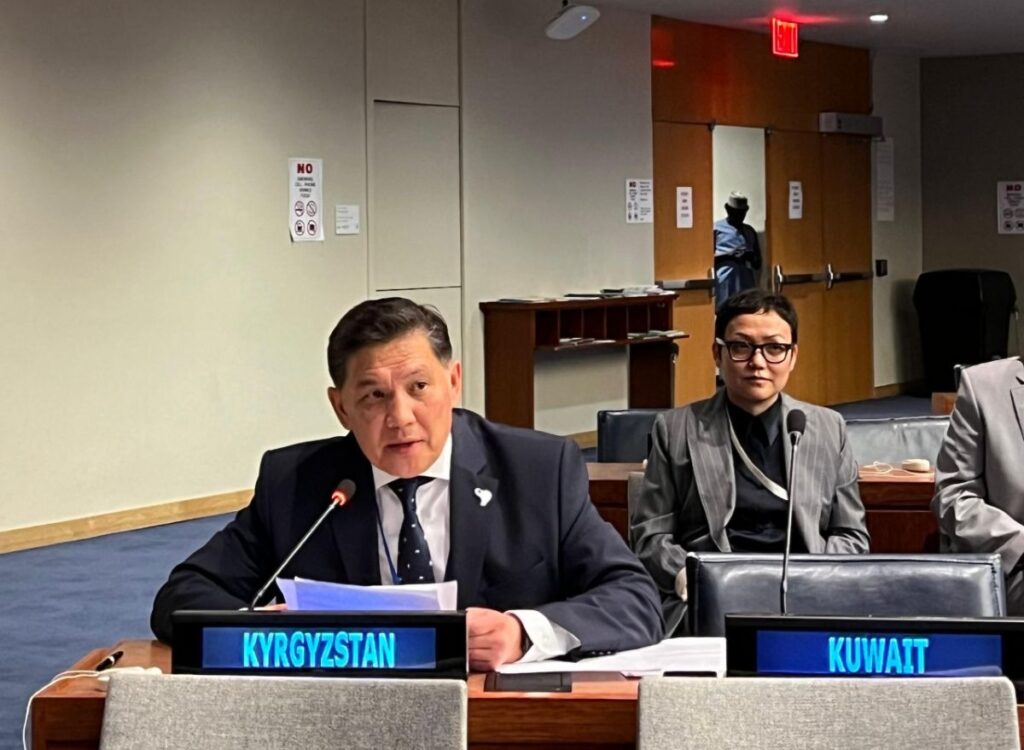
As part of its ‘Green Heritage’ campaign, Kyrgyzstan has now pledged to plant six million saplings per year. Since its launch in 2023, the national campaign has already planted over eight million new trees. The announcement was made by First Deputy Minister of Foreign Affairs of Kyrgyzstan Asein Isaev,  at the 19th session of the Forum on Forests on “Forest-based solutions to the triple planetary crises: A focus on people, science, technology, and finance,” at the UN headquarters on May 9. Between 2021-2023, Kyrgyzstan lost 2.56 kha of tree cover as a result of uncontrolled pasture causing overgrazing and desertification, logging for firewood, and widespread, illegal deforestation. In addition to highlighting the vulnerability of Kyrgyzstan's mountain forests, First Deputy Minister Isaev emphasized the urgent need to preserve the ancient walnut forests of Arslanbob. Covering over 600,000 of hectares, these unique forests in southern Kyrgyzstan are the largest in the world. The initiative is integral to consolidated efforts to preserve mountain and forest ecosystems and their biodiversity, and represents  Kyrgyzstan's commitment to the implementation of both the UN Strategic Plan for Forests for 2017-2030 and the Five-Year Action Plan for the Development of Mountain Regions for 2023-2027.    

“This Disaster Has Shown We Are All United”: An Interview with Zakirzhan Kharisovich, Deputy of Petropavlovsk, about the Kazakh Floods

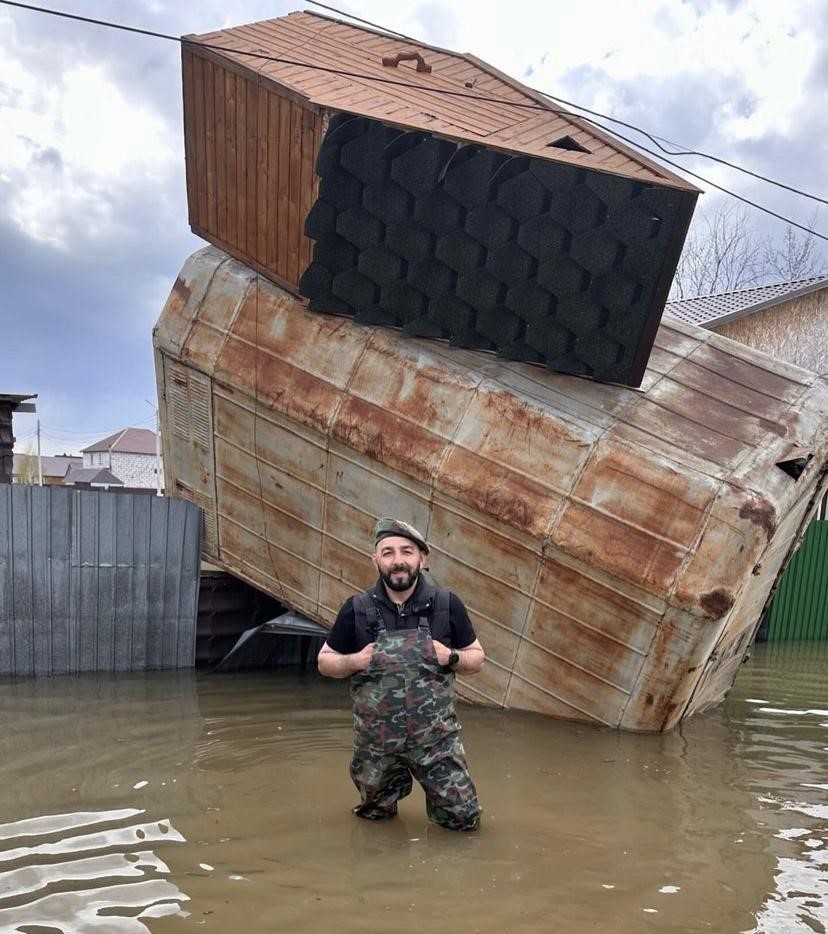
This spring Kazakhstan struggled to contain flooding that displaced upwards of 120,000 people -- described by president Kassym-Jomart Tokayev as the country’s ‘worst natural disaster in 80 years’. With the flooding now contained, and excess water being repurposed, The Times of Central Asia spoke to Zakirzhan Kharisovich, a deputy of the maslikhat (local representative body) of the city of Petropavlovsk, about his experience of the natural disaster. TCA: What were the main challenges you faced during the first months of the floods? ZK: The last time we experienced floods was back in 2017, when my yard was filled with 30-40 centimetres of water. We knew then that if rainfall exceeded the norm, the subsequent rise in the water level in the Sergeevskoye Reservoir, 170 kilometers away, would again pose a threat. This year, alerted by weather forecasts, to combat the problem I joined residents in building embankments and dams. We were assisted by soldiers from Astana, whom we called the "300 Spartans", as well as staff from the Emergency Situations Department in Karaganda. Despite precautionary measures, this time my yard was flooded with three meters of water. I couldn’t access my home for over three weeks, and during that time everything inside -- furniture, household appliances, etc. -- was submerged. TCA: How was aid organized in the first days after the floods? ZK: Due to the collapse of the city’s water tower, we had no access to drinking water for almost a month. In addition to providing the aforementioned help, Kazakhstan’s volunteer movement worked full-pelt in shipping in truckloads of humanitarian aid, including household products, mattresses, clothes, food, cereal, rice and flour, as well as pumps and water-pumping generators. The range of their assistance was enormous. Our compatriots in nearby cities, such as Kurgan and Tyumen, were worried about us and were quick to assist. We also received support from other places, including Dagestan, Tajikistan, Ingushetia, and from Russia and further afield. TCA: How did the akimat, public services and local communities work together, and what support was provided by the central government in addressing issues? ZK: Under the supervision of the deputy akim, the akimat staff were actively involved in building the dam, as well as coordinating and organizing activities in response to the floods. I packed bags with water-absorbent materials. Regarding the actions of the central government, Roman Sklyar, the first deputy prime minister, immediately arrived on site to speak to residents and help supervise measures to both clear the damage and resolve other issues caused by the floods. Following his visit, prime minister Olzhas Bektenov proposed to allocate funds to replace essentials such as furniture, cooking utensils, refrigerators etc. So, in principle, if four million tenge ($9,100) worth of furniture and appliances has been lost, it will be covered by the government. This does however raise many questions. Whilst we have full confidence in the pledge made by the president to restore our property, doubts surround the lower officials’ full understanding of his intentions. TCA: What was...

Kazakhstan Forwards Water-Saving Technology

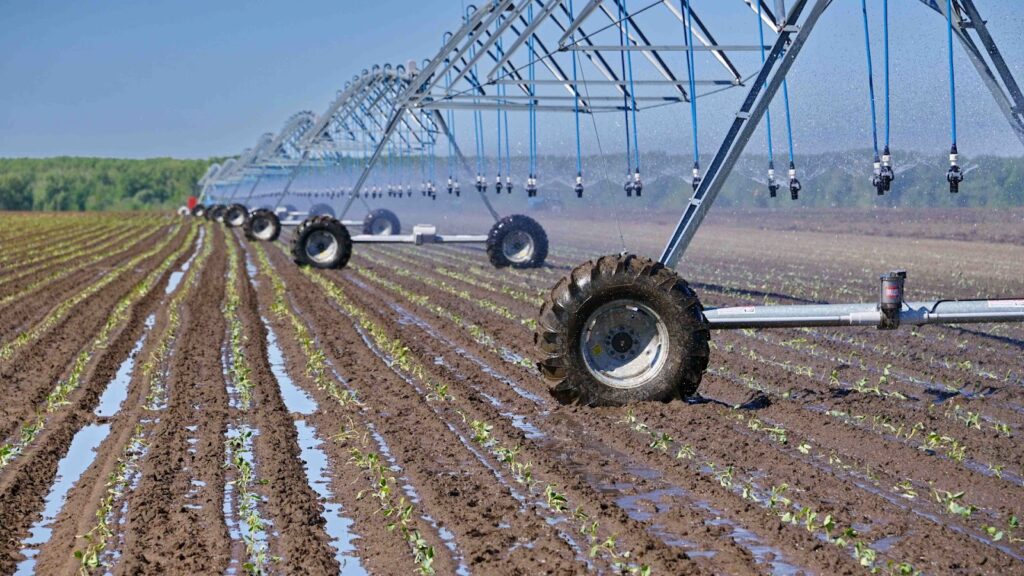
On May 6, the Kazakh Ministry of Water Resources and Irrigation reported on measures being taken to encourage farmers to save and use water more efficiently. The move addresses Kazakhstan President Kassym-Jomart Tokayev’s earlier criticism about the process of introducing water-saving technologies being “extremely slow,” with agricultural sectors in some regions, experiencing annual losses of water of 40%. According to plans set in motion by the ministry, by 2030, the installation of water-saving technologies will provide an annual saving of up to 2.1 cubic kilometres of water on 50% of the country’s irrigated land To date, subsidies for drilling irrigation wells have been increased to 80% of their costs, and in collaboration with the Ministry of Agriculture, work is progressing to increase subsidies for the installation of water-saving systems from 50% to 80% of their costs. In adherence to the new Water Code, the state will provide subsidies and reduced tariffs for water supply depending on the extent to which water-saving technologies are used. Tariffs for irrigation water are set to be calculated according to the types of crops grown and the volume of water required for their production. The ministry is also working to digitalize 3,500 km of irrigation canals in the Almaty, Zhambyl, Kyzylorda, and Turkestan regions in the south of the country, which will improve water metering on 362 thousand hectares of irrigated land and enable a saving up to 600 million cubic meters of water annually.    

Kazakhstan Establishes Forest Protection Service 

On May 4, Prime Minister of Kazakhstan Olzhas Bektenov signed a government resolution establishing a national Forest Protection Service. Administered by the Ministry of Ecology, the agency is tasked to enhance the efficiency of forestry institutions in dealing with emergency situations, including forest fires, as well as instilling a more scientific approach to subsequent forest rehabilitation and clearance. In addition to improving coordination between government agencies in the elimination of large-scale wildfires, the Forest Protection Service will ensure that personnel responsible for preventing and extinguishing forest fires are fully qualified. Machinery and equipment required for the job will also be updated and increased. Kazakhstan currently has 15 national civil defense services, including the Firefighting Service, Medical Service, Chemical Protection Service, Radiation Protection Service, and Hydrometeorological Service.  

Chinese Сompanies’ Generous Aid for People Hit by Kazakhstan’s Floods

Some fifteen members of the Association of Chinese Entrepreneurs in Kazakhstan have stepped in to provide generous aid for people badly affected by unprecedented spring floods that hit the country in April. In addition to funds totalling around 300 million tenge (over $675 thousand), the Chinese companies have donated special equipment, fuel, and other necessary resources. According to a report by Kazakh Invest, PetroChina International Kazakhstan and its subsidiaries donated more than 100 million tenge, JAC automobile concern and Allur,100 million tenge, and the Kazakhstan branch of Chinese oil and gas corporation Geo-Jade Petroleum, 70 million tenge. A donation of over 3 million tenge was made by Chinese grain company Xi'an Aiju to the North Kazakhstan Disaster Relief Fund, and the Chinese National Chemical Engineering Corporation and China Tianchen jointly contributed 1.7 million tenge to flood relief. JXC donated engine oil for 1.8 million tenge.