• KGS/USD = 0.01144 0%
  • KZT/USD = 0.00201 0%
  • TJS/USD = 0.10486 0.48%
  • UZS/USD = 0.00008 0%
  • TMT/USD = 0.28571 0%
  • KGS/USD = 0.01144 0%
  • KZT/USD = 0.00201 0%
  • TJS/USD = 0.10486 0.48%
  • UZS/USD = 0.00008 0%
  • TMT/USD = 0.28571 0%
  • KGS/USD = 0.01144 0%
  • KZT/USD = 0.00201 0%
  • TJS/USD = 0.10486 0.48%
  • UZS/USD = 0.00008 0%
  • TMT/USD = 0.28571 0%
  • KGS/USD = 0.01144 0%
  • KZT/USD = 0.00201 0%
  • TJS/USD = 0.10486 0.48%
  • UZS/USD = 0.00008 0%
  • TMT/USD = 0.28571 0%
  • KGS/USD = 0.01144 0%
  • KZT/USD = 0.00201 0%
  • TJS/USD = 0.10486 0.48%
  • UZS/USD = 0.00008 0%
  • TMT/USD = 0.28571 0%
  • KGS/USD = 0.01144 0%
  • KZT/USD = 0.00201 0%
  • TJS/USD = 0.10486 0.48%
  • UZS/USD = 0.00008 0%
  • TMT/USD = 0.28571 0%
  • KGS/USD = 0.01144 0%
  • KZT/USD = 0.00201 0%
  • TJS/USD = 0.10486 0.48%
  • UZS/USD = 0.00008 0%
  • TMT/USD = 0.28571 0%
  • KGS/USD = 0.01144 0%
  • KZT/USD = 0.00201 0%
  • TJS/USD = 0.10486 0.48%
  • UZS/USD = 0.00008 0%
  • TMT/USD = 0.28571 0%

Viewing results 265 - 270 of 378

70% of Kazakhstan’s Electricity Generated Using Coal

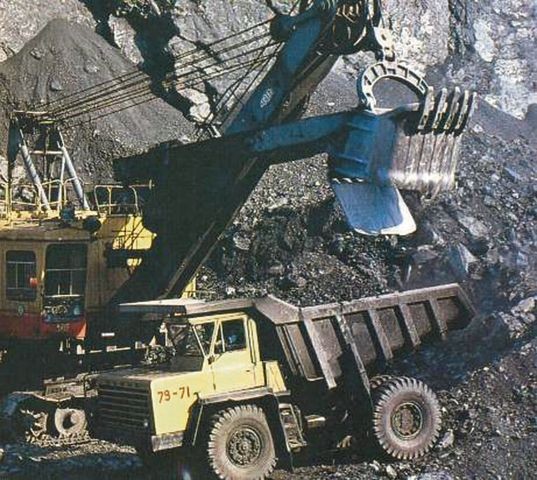
Last year Kazakhstan produced 112.7m tons of coal, 1.1% less than in 2022. The country’s energy-generating facilities used 65.9m tons and 31.9m tons were sent for export, according to data released by the National Bureau of Statistics. Kazakhstan ranks among the world’s ten leading countries in terms of coal reserves, with 49 deposits containing 33.6bn tons of coal.  Today the coal industry provides fuel for about 70% of Kazakhstan’s electricity generation. About 30 companies are currently engaged in coal mining in the country, providing jobs for almost 32,000 people. Large coal deposits are located mainly in Central Kazakhstan (Karaganda coal basin, Shubarkol deposit, Turgai brown coal basin) and the northeastern region (Ekibastuz and Maikuben coal basins and Karazhyra deposit). The Ministry of Industry and Construction earlier announced Kazakhstan’s plan to increase the production of coal in the period 2023-2029. The National Bureau of Statistics reported that exports of hard coal and lignite have increased 6.5-fold, mainly due to the growing demand for Kazakh coal from the countries of the European Union, which has placed an embargo on Russian coal exports to European countries since August 2022. 

Spanish Company Ready to Explore for Groundwater in Kazakhstan

Cooperation in groundwater exploration was discussed during a February 21st meeting of Kazakhstan’s minister for water resources and irrigation, Nurzhan Nurzhigitov, with the Spanish ambassador Jorge Urbiola López de Montenegro, and representatives of the Spanish company Xcalibur Smart Mapping, the global leader in natural resource mapping.  Xcalibur, whose technologies are widely used in Australia, Canada, the USA, and Europe, said that it was ready to help attract grants and funding for joint projects in groundwater exploration in Kazakhstan.  According to the Ministry of Water Resources and Irrigation, 4,540 groundwater deposits have so far been explored in Kazakhstan. Today the water reserves of Kazakhstan total 102.3km³ and the operational reserves of groundwater in the country amount to 15.7km³. Slightly more than 1% of the total volume of water is used to provide the population with drinking water. 

Major Kazakh Oil Company Fined Over Fire that Wasn’t Extinguished for 200 Days

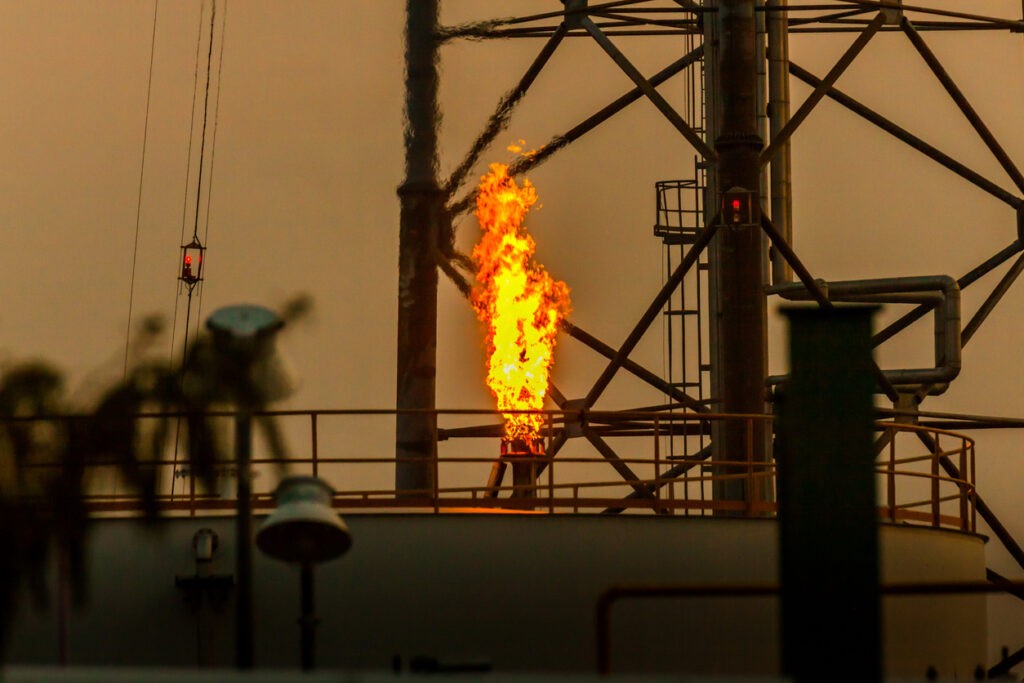
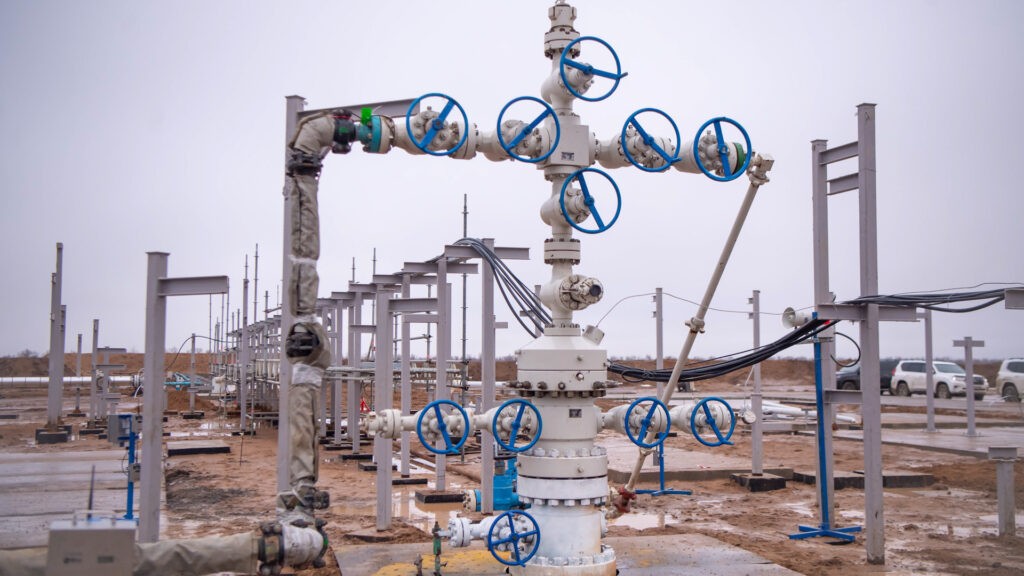
The Buzachi Oil Company has been fined 350 million tenge ($777,536) over a fire at the Karaturun field that burned for 200 days. As a result of a large methane leak at the field in June 2023, natural gas ignited at well number 303.  The fire was finally extinguished on December 25th. Consequently, representatives from a regional Department of Ecology office conducted an unscheduled inspection of Buzachi Oil LLP, and according to the data gathered, the maximum permissible concentration (MPC) of methane in the air in the vicinity of the field was 480-times higher than normal. Furthermore, the concentration of petroleum products in the soil was 168.13 mg/kg higher than the permissible limit. According to a since deleted post on petrocouncil.kz, the fire started on June 9th when a gas-water mixture was released during the lifting of the drilling tool and ignited. Members of Parliament subsequently called on the government to terminate the contract with Buzachi Neft and return the field to the state. It transpired that the well had been drilled a year earlier than it should have been - not in 2024, as indicated in the permit, but in May 2023. "Based on the results of the inspection, the enterprise was issued a prescription on the need to develop a remediation program to eliminate the environmental damage caused, as well as compliance with the norms of emissions into the environment. Four administrative protocols were drawn up. According to preliminary calculations, the fine will amount to more than 350 million tenge," the Ministry of Ecology and Natural Resources said. Experts estimate the volume of methane leakage at the field in Mangistau region amounted to 127,000 tons. If these estimates are correct, the methane leak at Karaturun may be the second largest in the history of observed leaks. Speaking to The Times of Central Asia, environmentalist Timur Yeleusizov said that Kazakhstan needs to open a full-scale inspection of multiple enterprises, hold them accountable, and fine them. Yeleusizov claims that multi-million dollar fines are imposed in theory, but it's not known how many of them have been levied in practice. "This is not the first such case. Last year Kazzinc dumped cement dust, then the Ulba River was colored white, and now it is green," Yeleusizov told TCA. "How long will this continue and how long will our state inactivity last? Recently, there have been frequent cases of waste discharged into water bodies and rivers from which people drink. This problem concerns all the enterprises of Kazakhstan, because the issue of waste processing has not been solved so far. Moreover, companies can [afford to] pay these multi-million dollar fines without harming themselves." Yeleusizov also emphasized that the areas where hotels and resorts are located are in great danger, as none of them meet environmental standards. "I've repeatedly raised this issue with the Ministry of Ecology and Natural Resources. We are now developing ecological tourism - glamping and camping in specially protected areas. Nevertheless, not a single mountain resort in Kazakhstan meets...

One Health Nature Conservation Project Launches in Central Asia

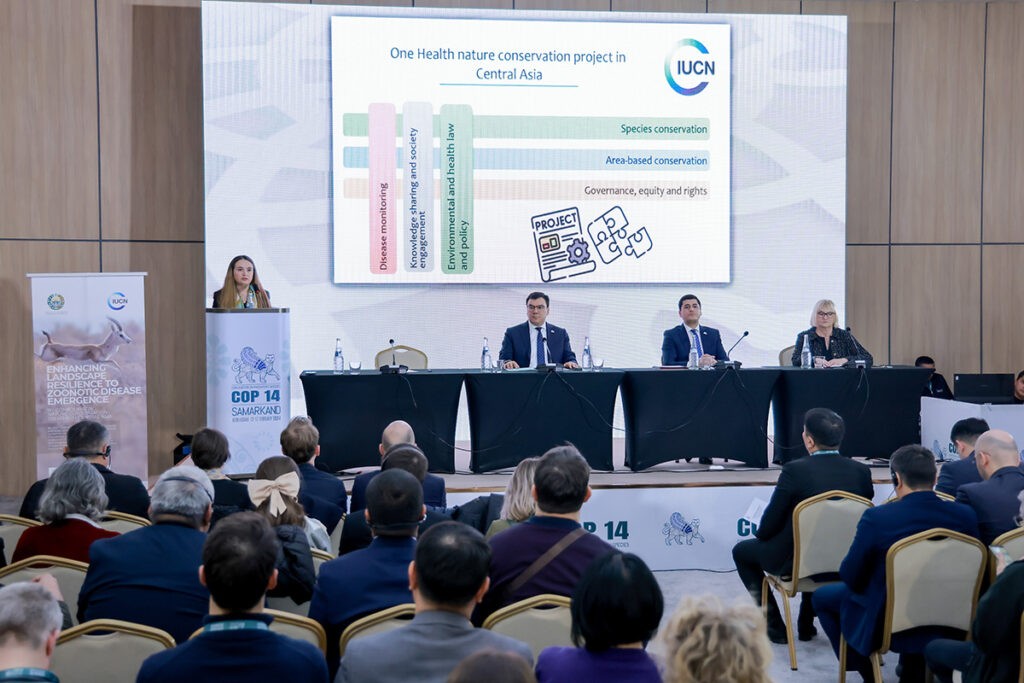
The International Union for Conservation of Nature (IUCN) and its international partners have launched the One Health Central Asia project, aiming to mitigate the risk of zoonoses – diseases that are naturally transmissible from animals to humans – in Central Asia. The new initiative was announced on February 13th at the 14th Conference of the Parties to the Convention on Migratory Species of Wild Animals (CMS COP14) in Samarkand, Uzbekistan.  The risk of zoonotic diseases in Central Asia is exacerbated by biodiversity loss and changes in human-wildlife interactions. As part of the new initiative, IUCN and national and international partners, including all five Central Asian countries, will implement actions to prevent the emergence and spread of zoonotic diseases, IUCN reported on its website.  The experts will work to consolidate a fair and effective regional network of protected and conserved areas, strengthen conservation measures and wildlife management for disease risk mitigation, and promote the latest advancements in zoonosis research and technology.  Speaking at the launch ceremony, IUCN’s director general, Dr Grethel Aguilar, said that nature conservation can contribute to mitigating the risk of zoonotic disease outbreaks, and this important new initiative will strengthen the resilience of Central Asian landscapes, bringing numerous benefits to communities. “We will continue to support the governments here to build regional capacity to apply IUCN's tools and standards, including the IUCN Green List, best practices in species management, and the latest advancements in zoonosis research.”  Aziz Abdukhakimov, the minister of ecology, environmental protection, and climate change of Uzbekistan, commented that: “Over the past few years we have observed how the spread of zoonotic diseases like COVID-19 can have a global impact. This has resulted in entire countries being demobilized, transportation connections being disrupted, an increase in food security issues, and massive socio-economic consequences. We are committed to expanding regional cooperation for sustainable management of protected natural areas, preserving unique biological diversity, and contributing to the environmental balance in the Central Asian region, which will receive a significant boost through this project on One Health in nature conservation.”  Supported by a €11m contribution from the German Ministry for Environment, Nature Conservation, Nuclear Safety and Consumer Protection via the International Climate Initiative, this major regional initiative will spearhead the One Health approach in Central Asia over the next six years. The initiative, entitled Enhancing landscape resilience to zoonotic disease emergence by consolidating nature conservation systems in Central Asia, will focus on the interconnectedness of human, animal, and environmental health. "Obstacles to migration reduce the habitat available to migratory species. This phenomenon has been observed across Central Asia with species such as the Saiga, Wild Ass, and even those with relatively small ranges, like the Bukhara Deer,” said Amy Fraenkel, the executive secretary of the Convention on the Conservation of Migratory Species of Wild Animals (CMS), one of the international partners of the One Health Central Asia initiative. “In the diminished and fragmented habitats, migratory species of wild animals often find themselves in contact and competition with livestock for pasture and water...

Kazakhstan And Hungary To Cooperate On Petrochemicals

The Hungarian oil and gas company MOL Group has shown interest in a joint petrochemical project using natural gas from Kazakhstan’s Rozhkovskoye gas condensate field, the Kazakh national oil and gas company KazMunayGas has announced. The potential partnership was discussed at a February 7th meeting in Budapest between KazMunayGas’ deputy chairman, Serikkali Brekeshev, Hungary’s deputy minister of foreign affairs, Levente Magyar, and executives from MOL Group.  The parties discussed cooperation in the field of petrochemicals and gas processing, including the development of the Rozhkovskoye field, supplies of Kazakh crude oil and gas condensate. MOL Group expressed interest in the supply of Kazakh oil for processing at Hungarian oil refineries, as well as importing gas condensate from the Rozhkovskoye field. The Rozhkovskoye gas condensate field was put into commercial operation in the West Kazakhstan region in December 2023. By 2040, the field is expected to produce 14.2bn cubic meters of natural gas and 7.1m tons of condensate. The field is operated by a joint venture of KazMunayGas (50%), MOL Group (27.5%), and China’s Sinopec (22.5%). 

Kazakhstan To Work With United Kingdom On Green Energy

At a February 6th meeting between Kazakhstan’s minister for energy, Almasadam Satkaliev, and the country’s British ambassador Kathy Leach, it was announced that the United Kingdom is ready to work with Kazakhstan on developing wind and solar energy projects. Great Britain may also support Kazakhstan in strengthening the country’s electrical networks, switching its coal-fired industrial plants to gas, and conducting research in the field of hydrogen energy, biogas and carbon capture technologies. These updates were provided by the Kazakh Energy Ministry. The British embassy informed the ministry of the UK Fund for Climate, Energy and Water Security for Central Asia, totaling almost £20m ($25.2m), to be used over a three-year period. At the meeting Mr Satkaliev presented Kazakhstan’s plans for gradually decarbonizing its economy, as part of its target to achieve carbon neutrality by 2060. Ambassador Leach emphasized that Kazakhstan joining the Global Methane Pledge, which president Kassym-Jomart Tokayev announced at COP-28 in December 2023, creates many more opportunities for the country to attract financing for low-carbon technology projects.