• KGS/USD = 0.01143 0%
  • KZT/USD = 0.00207 0%
  • TJS/USD = 0.10465 0.1%
  • UZS/USD = 0.00008 0%
  • TMT/USD = 0.28571 0.28%
  • KGS/USD = 0.01143 0%
  • KZT/USD = 0.00207 0%
  • TJS/USD = 0.10465 0.1%
  • UZS/USD = 0.00008 0%
  • TMT/USD = 0.28571 0.28%
  • KGS/USD = 0.01143 0%
  • KZT/USD = 0.00207 0%
  • TJS/USD = 0.10465 0.1%
  • UZS/USD = 0.00008 0%
  • TMT/USD = 0.28571 0.28%
  • KGS/USD = 0.01143 0%
  • KZT/USD = 0.00207 0%
  • TJS/USD = 0.10465 0.1%
  • UZS/USD = 0.00008 0%
  • TMT/USD = 0.28571 0.28%
  • KGS/USD = 0.01143 0%
  • KZT/USD = 0.00207 0%
  • TJS/USD = 0.10465 0.1%
  • UZS/USD = 0.00008 0%
  • TMT/USD = 0.28571 0.28%
  • KGS/USD = 0.01143 0%
  • KZT/USD = 0.00207 0%
  • TJS/USD = 0.10465 0.1%
  • UZS/USD = 0.00008 0%
  • TMT/USD = 0.28571 0.28%
  • KGS/USD = 0.01143 0%
  • KZT/USD = 0.00207 0%
  • TJS/USD = 0.10465 0.1%
  • UZS/USD = 0.00008 0%
  • TMT/USD = 0.28571 0.28%
  • KGS/USD = 0.01143 0%
  • KZT/USD = 0.00207 0%
  • TJS/USD = 0.10465 0.1%
  • UZS/USD = 0.00008 0%
  • TMT/USD = 0.28571 0.28%

Viewing results 679 - 684 of 1415

Government Buys ArcelorMittal Termirtau for $286 Million

The Minister of Industry and Construction of the Republic of Kazakhstan, Kanat Sharlapayev, announced at a briefing that after eleven rounds of negotiations, the purchase of Arcelor Mittal Temirtau has been completed, Kazinform has reported. Divulging the details of the deal, Sharlapayev stated that “$286 million is the cost of two fully functioning enterprises. In addition, ArcelorMittal will not make any claims against the Government of Kazakhstan. The agreement was reached within the legal framework, in full compliance with international law.” Against a backdrop of ongoing incidents at ArcelorMittal Temirtau JSC, in August of this year, President of the Republic of Kazakhstan Kassym-Jomart Tokayev pointed out serious violations by the company. The Head of State stated that consequences for the enterprise to remain in the Kazakh market were not excluded for AMT. At the time this statement was made, the government was already negotiating with the owners of ArcelorMittal Temirtau on the possible withdrawal of the company from the metallurgical plant. These talks began after the tragic accident that occurred on November 3rd 2022 at the Lenin Mine, a subsidiary of AMT. As a result of these intensive negotiations, on December 9th 2022, a “Standstill Agreement” was signed, which allowed the authorities to evaluate and audit the enterprise. During the negotiations, ArcelorMittal requested $3.5 billion, which did not correspond to the calculations of international consultants. “This became one of the main reasons for the protracted negotiation process,” Sharlapayev said. “Our goal was to purchase the plant at a fair price without incurring costly and protracted international litigation. The urgency and acceleration of the negotiations were also dictated by the need to prevent the shutdown of the enterprise. The agreement between the Government of Kazakhstan and ArcelorMittal can be called a mega-deal, which is of exceptional importance to our country. We have avoided a lot of risks faced by the governments of other countries,” the minister stressed. Sharlapayev also announced three key elements of the deal: - The state has reduced the value of assets from $3.5 billion to $286 million; - Not a single tenge was spent from the state budget on the implementation of the transaction; - The new investor undertakes an obligation to the parent company, ArcelorMittal, to repay a short-term loan of $250 million and a long-term loan of $450 million over four years.
Kazakhstan’s Nuclear Energy Projects: Evaluating Potential Suppliers for a Sustainable Future

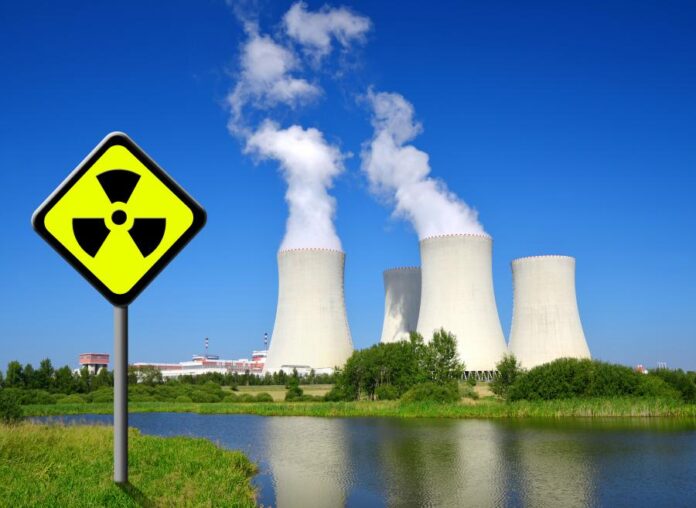
Kazakhstan, renowned for its abundant uranium reserves and expansive mining ventures, is making substantial progress in the realm of nuclear power. The country's inaugural venture into this field was marked by the BN-350 fast-neutron reactor in Aktau, which signified the launch of Kazakhstan's first nuclear power plant. At present, Kazakhstan operates 13 uranium mining projects. Kazatomprom, the national atomic company, fully owns three of these, while the remaining ten are joint ventures with foreign equity holders. In 2020, Kazatomprom's significant contributions to the uranium mining industry confirmed Kazakhstan's status as the global leader in uranium production, providing 28% of the world's production. However, Kazakhstan's nuclear aspirations are not confined to uranium mining. Plans are in motion to construct a nuclear power plant (NPP), projected to be operational by 2035, to cater to the country's escalating energy demands. The proposed NPP is expected to house two reactors, each with a capacity ranging from 1,000 to 1,400 megawatts. These reactors will help alleviate the shortage of base load power supply in the nation. Currently, the authorities are evaluating several potential suppliers of nuclear technology. The contenders include China National Nuclear Corporation (CNNC), South Korea's Korea Hydro & Nuclear Power (KHNP), France's Électricité de France (EDF), and Russia's state corporation Rosatom. The construction of the NPP has sparked significant debate within the country. In response to public sentiment, President Kassym-Jomart Tokayev has announced a referendum to decide the future of the plant. Despite the controversy, the nuclear sector continues to contribute to Kazakhstan's economy through job creation. Nearly 18,000 people are currently employed in the peaceful use of nuclear energy. The International Atomic Energy Agency (IAEA) has been closely monitoring Kazakhstan's progress in developing its nuclear infrastructure. The country operates several research reactors and other nuclear installations related to the front end of the nuclear fuel cycle10. While Kazakhstan's venture into nuclear energy offers significant benefits, including job creation, economic growth, and a sustainable solution to the country's escalating energy needs the course ahead depends on public sentiment and the outcome of the forthcoming referendum.

Kazakhstan Increases Oil Supplies to Germany via Russia by 54% in November

Kazakhstan Increases Oil Supplies to Germany via Russia by 54% in November The volume of transportation of Kazakh oil through the system of trunk oil pipelines of Russia’s Transneft PJSC in the direction of the Adamova Zastava oil delivery point in Russia for further delivery to Germany will increase from the planned 100,000 tons to 154,000 tons, the director of the transportation department of KazTransOil JSC, Abai Beisembayev said on November 30th. KazTransOil JSC is the national operator of the main oil pipeline in Kazakhstan. “Despite difficult meteorological conditions in the Black Sea, KazTransOil JSC fully fulfills its obligations to shippers”, Beisembayev said. “There are no restrictions on the part of Transneft PJSC today. Due to the limitations of oil transportation through the system of the Caspian Pipeline Consortium JSC, a number of shippers who would like to pump oil through our system have applied to KazTransOil JSC. Operational work was carried out with Transneft PJSC on additional pumping of the resources of Karachaganak Petroleum Operating B.V. In November, it was planned to deliver 100,000 tons of oil to Germany, but by the end of the month, the volume of transportation of Kazakh oil through the system of trunk oil pipelines of Transneft PJSC in the direction of the Adamova Zastava oil delivery point for further delivery to Germany will amount to 154,000 tons”. KazTransOil JSC confirmed its technical capability to supply 1.2 million tons of Kazakh oil a year towards the Adamova Zastava oil delivery point for further transportation to Germany, but the actual volume depends on requests from oil companies.

Taraz and Ancient Olympia: A Union of Cultural Exchange and Growth

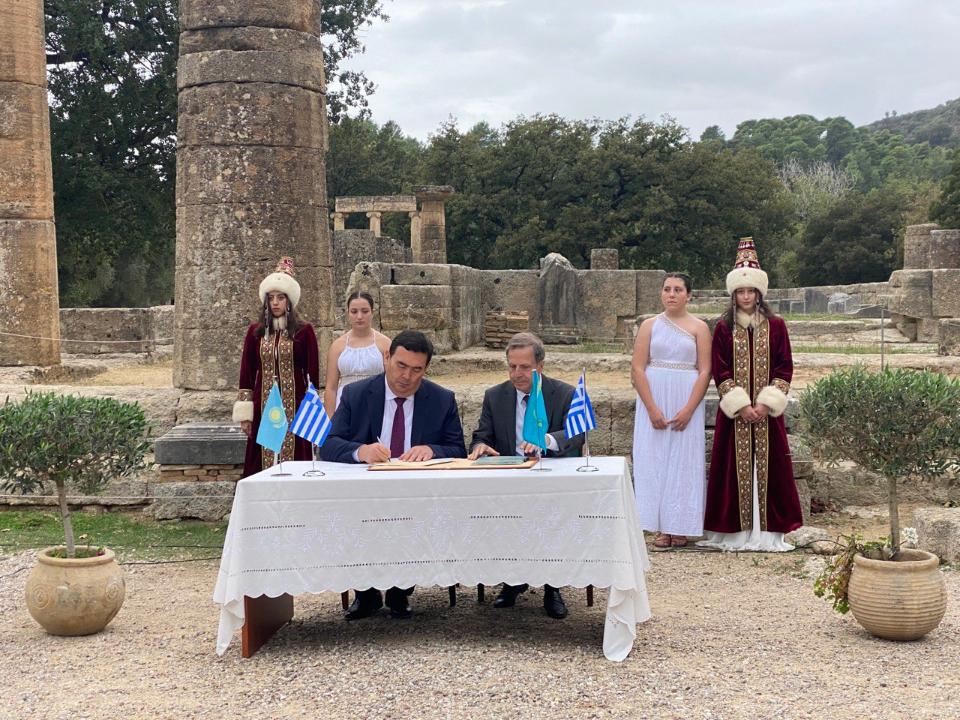
On November 4th, a historically significant twinning ceremony was held between the city of Taraz in Kazakhstan and Ancient Olympia in Greece. The agreement was signed at the Temple of Hera, an ancient site revered by the Greeks. It's here that the rules of the original Olympic Games were kept, and where the Olympic Flame is ceremonially lit every two years, symbolizing the continuation of an ancient sporting tradition. Bakhytzhan Orynbekov, the Akim (Mayor) of Taraz, views this partnership as an opportunity to foster mutual growth. He believes that it will enhance exchanges in various sectors, including culture, sports, tourism, science, and education. These fields are seen as key areas of development that can benefit from international cooperation. Georgios Georgiopoulos, the Mayor of Ancient Olympia, echoed these sentiments. He expressed enthusiasm about forming bonds of friendship and brotherhood with Taraz. With a rich history stretching back 2000 years, Taraz has been a significant cultural crossroads between the East and West. This makes it an ideal partner for Ancient Olympia, which itself has a storied history dating back to antiquity. In a meeting with representatives from Ilia's business community, both parties agreed to strengthen economic ties and cultivate relations between their respective regions and business circles. This agreement underscores the importance of international collaboration in fostering economic growth and development. Ancient Olympia is renowned for its UNESCO World Heritage Sites and also for hosting the International Olympic Academy. This institution is the primary educational and cultural arm of the International Olympic Committee and plays a vital role in promoting the values and ideals of the Olympic movement. The initiative to twin Taraz and Ancient Olympia was spearheaded by the Embassy of Kazakhstan in Greece and the Kazakh-Hellenic Business Council, demonstrating the importance of diplomatic and business relations in fostering cultural ties.

EDB Proposes Ten Steps to Preserve Irrigated Land Potential and Support Water Conservation in Central Asia

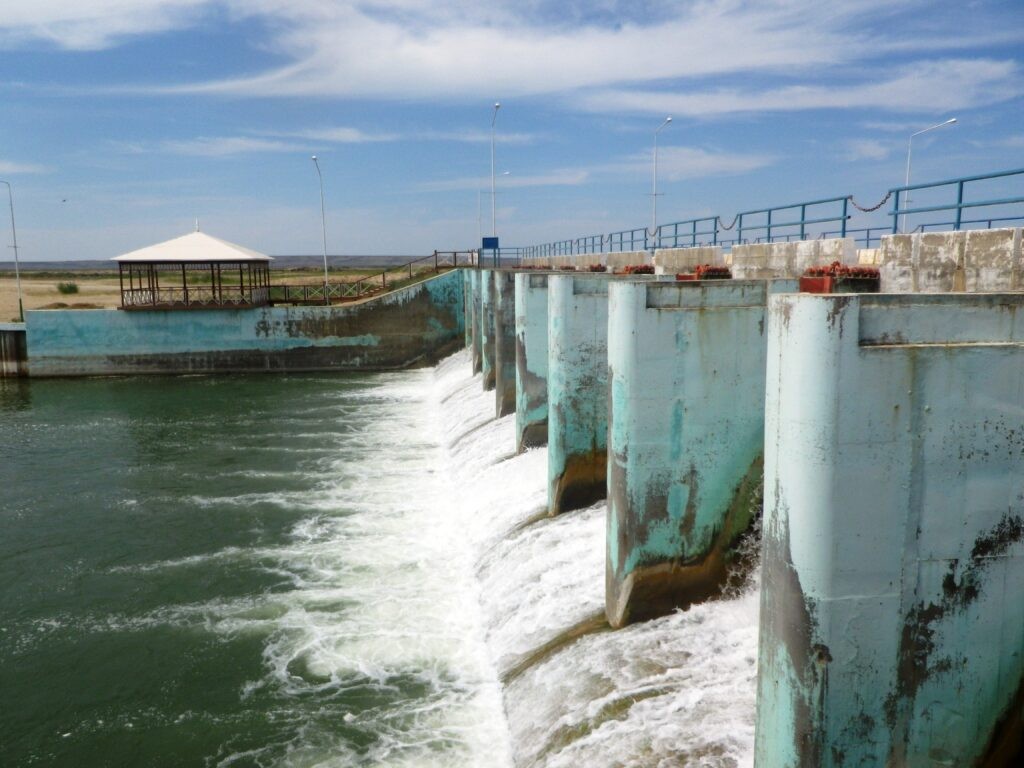
As outlined in a press release on the EDB website, in the summer of 2023, Central Asia was faced once again with water shortages, which have a significant impact on agriculture. The sector relies on irrigation, which consumes up to 80% of available water, and has a poor track record with regard to the efficient use of water resources. The irrigation infrastructure is over 50 years old. More than half of all irrigated land has become salinized, and 40% of water is lost through irrigation canals. A new Eurasian Development Bank (EDB) study entitled “Efficient Irrigation and Water Conservation in Central Asia” outlines ten practical steps for preserving irrigated land potential and promoting water conservation. The list includes four recommendations for adoption at a regional level and six at a national level. The measures are designed to save enough water each year to support sustainable development. Implementing the measures will require collaboration between governments, farmers and multilateral development institutions. The need for urgent action is intensified by the anticipated reduction in the flow of the Amu Darya River. Water deficit is a key structural constraint to socio-economic development in Central Asia. This region is among the most vulnerable to climate change, with temperatures rising at a faster rate than the global average. Periods of drought and low water are becoming more frequent, and the hydrological patterns of rivers and groundwater supplies are undergoing change. Glacier areas have been diminishing rapidly, with a 30% decrease over the last 50 years. Climate change is leading to reduced river flows at a time when the region’s demand for water is growing rapidly. The primary solution to the water deficit lies in improving irrigation practices. Agriculture in Central Asia is the largest consumer of water, with irrigation accounting for 100.4 km3 of the total 127.3 km3 (80%) of water used in the region in 2020. Historically, irrigation has played a vital role in developing agriculture and ensuring food security in the region. Central Asia boasts 10.1 million hectares of irrigated land, representing approximately 2.9% of the world’s total. This irrigated land generates nearly 66% of the region’s gross agricultural output in terms of value. However, Central Asia’s irrigation infrastructure is highly degraded and technically inadequate. It lacks the equipment needed for metering and distributing water for irrigation and controlling its use in the field. The average age of the irrigation infrastructure is over 50 years. Up to half of irrigated land is salinized. Water use in agriculture is inefficient, with 40% of water lost in the irrigation canal system. A commitment to conserving water appears to be the only solution to protecting the potential of irrigated land and food security in Central Asia. This shift in approach is imperative not only because of climate change and escalating water demand, but also to mitigate the anticipated decrease in the flow of the Amu Darya River from Afghanistan. By 2028, the combined effects of climate change, low-water periods and the commissioning of the Kosh-Tepa Canal in...