• KGS/USD = 0.01144 0%
  • KZT/USD = 0.00216 0%
  • TJS/USD = 0.10663 0%
  • UZS/USD = 0.00008 0%
  • TMT/USD = 0.28530 0%
  • KGS/USD = 0.01144 0%
  • KZT/USD = 0.00216 0%
  • TJS/USD = 0.10663 0%
  • UZS/USD = 0.00008 0%
  • TMT/USD = 0.28530 0%
  • KGS/USD = 0.01144 0%
  • KZT/USD = 0.00216 0%
  • TJS/USD = 0.10663 0%
  • UZS/USD = 0.00008 0%
  • TMT/USD = 0.28530 0%
  • KGS/USD = 0.01144 0%
  • KZT/USD = 0.00216 0%
  • TJS/USD = 0.10663 0%
  • UZS/USD = 0.00008 0%
  • TMT/USD = 0.28530 0%
  • KGS/USD = 0.01144 0%
  • KZT/USD = 0.00216 0%
  • TJS/USD = 0.10663 0%
  • UZS/USD = 0.00008 0%
  • TMT/USD = 0.28530 0%
  • KGS/USD = 0.01144 0%
  • KZT/USD = 0.00216 0%
  • TJS/USD = 0.10663 0%
  • UZS/USD = 0.00008 0%
  • TMT/USD = 0.28530 0%
  • KGS/USD = 0.01144 0%
  • KZT/USD = 0.00216 0%
  • TJS/USD = 0.10663 0%
  • UZS/USD = 0.00008 0%
  • TMT/USD = 0.28530 0%
  • KGS/USD = 0.01144 0%
  • KZT/USD = 0.00216 0%
  • TJS/USD = 0.10663 0%
  • UZS/USD = 0.00008 0%
  • TMT/USD = 0.28530 0%

Viewing results 1033 - 1038 of 1538

Kazakhstan’s Nuclear Energy Projects: Evaluating Potential Suppliers for a Sustainable Future

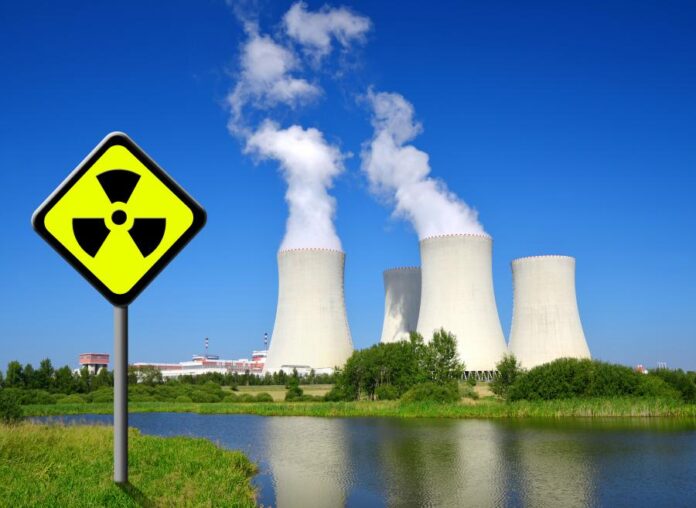
Kazakhstan, renowned for its abundant uranium reserves and expansive mining ventures, is making substantial progress in the realm of nuclear power. The country's inaugural venture into this field was marked by the BN-350 fast-neutron reactor in Aktau, which signified the launch of Kazakhstan's first nuclear power plant. At present, Kazakhstan operates 13 uranium mining projects. Kazatomprom, the national atomic company, fully owns three of these, while the remaining ten are joint ventures with foreign equity holders. In 2020, Kazatomprom's significant contributions to the uranium mining industry confirmed Kazakhstan's status as the global leader in uranium production, providing 28% of the world's production. However, Kazakhstan's nuclear aspirations are not confined to uranium mining. Plans are in motion to construct a nuclear power plant (NPP), projected to be operational by 2035, to cater to the country's escalating energy demands. The proposed NPP is expected to house two reactors, each with a capacity ranging from 1,000 to 1,400 megawatts. These reactors will help alleviate the shortage of base load power supply in the nation. Currently, the authorities are evaluating several potential suppliers of nuclear technology. The contenders include China National Nuclear Corporation (CNNC), South Korea's Korea Hydro & Nuclear Power (KHNP), France's Électricité de France (EDF), and Russia's state corporation Rosatom. The construction of the NPP has sparked significant debate within the country. In response to public sentiment, President Kassym-Jomart Tokayev has announced a referendum to decide the future of the plant. Despite the controversy, the nuclear sector continues to contribute to Kazakhstan's economy through job creation. Nearly 18,000 people are currently employed in the peaceful use of nuclear energy. The International Atomic Energy Agency (IAEA) has been closely monitoring Kazakhstan's progress in developing its nuclear infrastructure. The country operates several research reactors and other nuclear installations related to the front end of the nuclear fuel cycle10. While Kazakhstan's venture into nuclear energy offers significant benefits, including job creation, economic growth, and a sustainable solution to the country's escalating energy needs the course ahead depends on public sentiment and the outcome of the forthcoming referendum.
Kazakhstan and U.S. Issue Joint Statement on Methane Reduction

Kazakhstan and U.S. Issue Joint Statement on Methane Reduction The Special Representative of the President of the Republic of Kazakhstan for International Environmental Cooperation, Zulfiya Suleimenova, and Special U.S. Presidential Envoy for Climate Change, John Kerry issued a joint statement on accelerating methane reductions to meet the Global Methane Pledge (GMP). Kazakhstan and the United States declared their mutual commitment to accelerate the development and implementation of policies and projects to rapidly reduce methane emissions, especially in the fossil energy sector. Building on more than 30 years of successful partnership between Kazakhstan and the United States, this statement commemorated the fifth anniversary of the Enhanced Strategic Partnership between Kazakhstan and the United States and expanded opportunities for cooperation in the field of methane control. The statement: recognized the key role the two countries play in creating a greener, safer and better world; stressed the importance of rapidly reducing methane emissions by 2030 to limit global warming to 1.5 degrees Celsius; recognized the significant potential of the fossil energy sector to reduce methane emissions and the need to rapidly reduce emissions in this sector. The statement also served as a memorandum of understanding of the importance of voluntary action in promoting collective efforts to reduce global methane emissions; highlighted the need to seek to mobilize global action and strengthen support for existing international initiatives to reduce methane emissions through effective bilateral action; and recognized the critical participation of the private sector, development banks, financial institutions and international aid agencies in supporting the implementation of the Pledge.

Kazakhstan and Uzbekistan to Bring Mutual Trade to $10 Billion

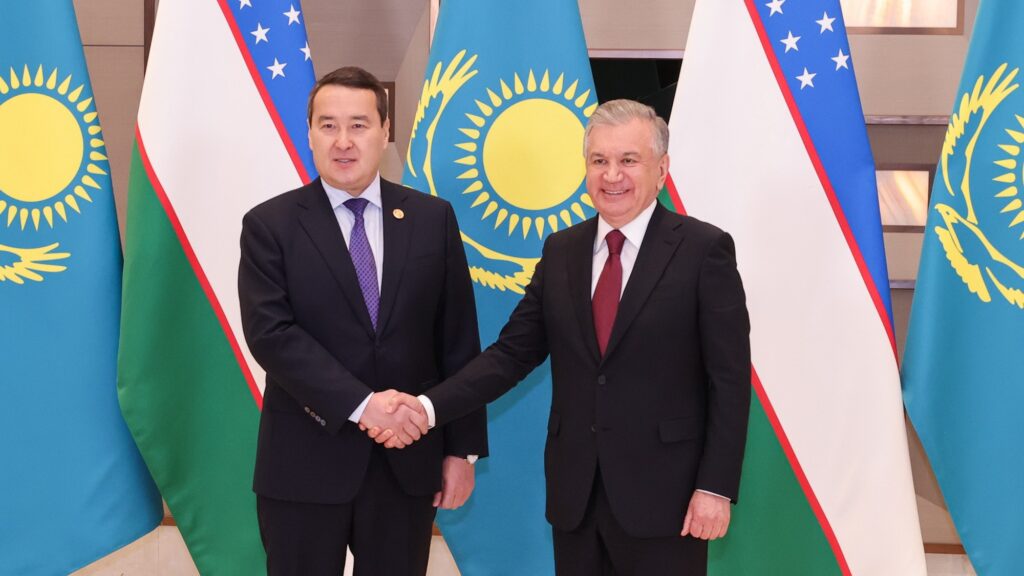
On November 9th, Alikhan Smailov, the Prime Minister of Kazakhstan, made an official visit to Tashkent, Uzbekistan, for the 16th summit of the Economic Cooperation Organization. Prior to the event, he met with the President of Uzbekistan, Shavkat Mirziyoyev. During their meeting, Smailov extended warm greetings from the President of Kazakhstan, Kassym-Jomart Tokayev, and highlighted the strong strategic partnership between the two nations, based on trust and mutual understanding3. Smailov pointed out that "Uzbekistan is one of the largest trade partners of Kazakhstan. Our countries account for about 70% of all trade in Central Asia. At the end of last year, trade turnover increased by 30%, and for the first time reached the milestone of $5 billion. We are actively working to bring mutual trade to $10 billion”. Mirziyoyev reciprocated the sentiment, noting that the strategic agreements between Kazakhstan and Uzbekistan were being systematically realized across various sectors, including trade, transportation, and water management5. He added, “All issues we have are moving forward; I think there is not a single unresolved issue. In terms of trade, the projects we have agreed on with the President of Kazakhstan will help us reach new frontiers”. In line with these discussions, Arman Shakkaliev, Kazakhstan’s Minister of Trade and Integration, and Laziz Kudratov, Uzbekistan’s Minister of Investment, Industry and Trade, signed an agreement to regulate the activities of the International Centre for Industrial Cooperation “Central Asia”7. This center, set to be established on the border of the two countries, will house production sites, warehouses for goods and equipment storage, and transport infrastructure. The aim is to expedite cargo delivery and reduce logistics costs. The Industrial Cooperation Centre is expected to stimulate the creation of new production facilities and jobs, aid in the processing of agricultural and industrial products, and provide logistics services for goods transportation. It's hoped that the centre will enhance transport efficiency and expedite customs clearance processes. The signing of this agreement is a practical step towards the realization of the project. The launch of the Industrial Cooperation Centre is poised to serve as a catalyst for the further development of international trade and economic integration between Kazakhstan and Uzbekistan. It's also projected to contribute to increasing bilateral trade turnover to up to $10 billion.

Kazakh Citizen Sentenced to Over Six Years for Joining Wagner Mercenary Group

The Qaraghandy regional court in central Kazakhstan sentenced a local resident, Aleksei Shompolov, to six years and eight months in prison for joining Russia's Wagner mercenary group and fighting against Ukrainian forces in May in Bakhmut, where he was injured, RFE/RL's Kazakh Service reported on November 28th. The 34-year-old, who pleaded guilty, was arrested after arriving back in Kazakhstan, where it is a crime to serve as a mercenary abroad. Shompolov's sentence was upheld on November 15th, the court said, adding that his payment from Wagner - 205,590 roubles ($2,300) – had been confiscated.