• KGS/USD = 0.01144 0%
  • KZT/USD = 0.00216 0%
  • TJS/USD = 0.10663 0%
  • UZS/USD = 0.00008 0%
  • TMT/USD = 0.28530 0%
  • KGS/USD = 0.01144 0%
  • KZT/USD = 0.00216 0%
  • TJS/USD = 0.10663 0%
  • UZS/USD = 0.00008 0%
  • TMT/USD = 0.28530 0%
  • KGS/USD = 0.01144 0%
  • KZT/USD = 0.00216 0%
  • TJS/USD = 0.10663 0%
  • UZS/USD = 0.00008 0%
  • TMT/USD = 0.28530 0%
  • KGS/USD = 0.01144 0%
  • KZT/USD = 0.00216 0%
  • TJS/USD = 0.10663 0%
  • UZS/USD = 0.00008 0%
  • TMT/USD = 0.28530 0%
  • KGS/USD = 0.01144 0%
  • KZT/USD = 0.00216 0%
  • TJS/USD = 0.10663 0%
  • UZS/USD = 0.00008 0%
  • TMT/USD = 0.28530 0%
  • KGS/USD = 0.01144 0%
  • KZT/USD = 0.00216 0%
  • TJS/USD = 0.10663 0%
  • UZS/USD = 0.00008 0%
  • TMT/USD = 0.28530 0%
  • KGS/USD = 0.01144 0%
  • KZT/USD = 0.00216 0%
  • TJS/USD = 0.10663 0%
  • UZS/USD = 0.00008 0%
  • TMT/USD = 0.28530 0%
  • KGS/USD = 0.01144 0%
  • KZT/USD = 0.00216 0%
  • TJS/USD = 0.10663 0%
  • UZS/USD = 0.00008 0%
  • TMT/USD = 0.28530 0%

Viewing results 631 - 636 of 1043

70% Of Kazakhstanis Happy With Their Life, World Bank Survey Finds

According to the World Bank’s latest ‘Listening to Kazakhstan’ survey, around 70% of people in the country are happy with their life – a figure that has remained constant since its first survey in 2021.  The survey for 2023, conducted in partnership with the United Kingdom’s department for international development, monitors the economic and social wellbeing of Kazakhstan’s population, and provides insights into the impact of policy changes on households. The survey reaches 1,400 households in urban and rural areas. It revealed that public perceptions of economic conditions significantly improved last year. It found that a higher percentage of respondents in 2023 believed it was a good time to start a business compared to 2021 and 2022. However, this opinion dipped in the final quarter of 2023.   Around three-quarters of respondents expressed optimism about the country’s long-term economic outlook. This optimism was especially strong in respondents aged 18-24 and in high-income families. The survey showed that support for the government’s reforms increased to 67% last year and was particularly high among young people, the elderly, and people in rural areas.  Metin Nebiler, head of the World Bank in Kazakhstan’s poverty and equity team, commented: “We found it very encouraging to see that the overall wellbeing of Kazakhstanis has been improving. The views on the [economic] outlook and the government’s performance are stable or trending positive.”  However, citizens also registered several concerns. Inflation remains a significant issue for 94% of respondents, although the annual inflation rate declined in 2023. The survey also found that challenges such as income inequality (92%) and worries about job losses (over 50%) still need to be addressed. Additionally, perceptions of government openness and anti-corruption efforts only showed only slight improvement.

Model From Kazakhstan Receives Top Award From U.S. Social Media Firm

Kristina Menisova from Almaty has been named the Model of the Year at the U.S.'s National Social Media Awards, an event that honors the best online brands, influencers, models and artists. The National Social Media Awards are held annually in major cities around the world, including Dubai, Los Angeles and London. Menisova took first place in the Best Model category. The 29-year-old has already achieved success in the modeling business; for the last six years she has appeared at fashion shows for famous global brands. Her face has also graced the covers of magazines such as Vogue, Marie Claire and Elle. Kristina works with Chopard, Cartier, Michael Costello, Balmain, Roberto Cavalli and Yves Saint Laurent, among others. The National Social Media Awards is her third major win; she has previously won the Model of the Year category for Glamour Bulgaria and FashionTV Russia's Model of the Year 2023. In 2022 Kristina took home the title of Miss Universe World International.

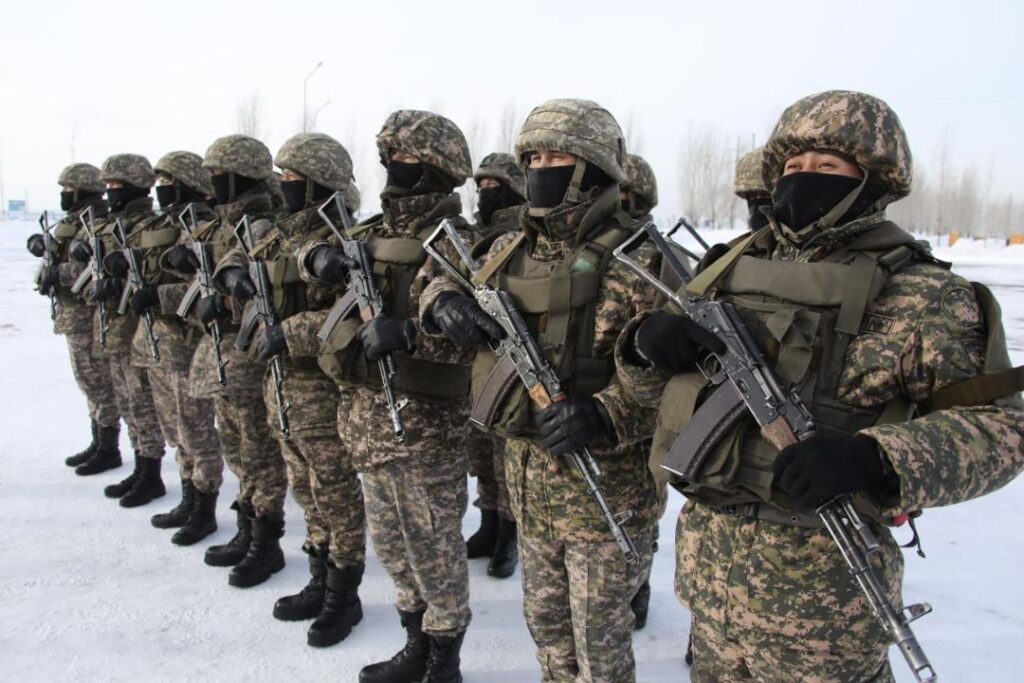
Kazakhstan Searches For More Military Personnel

Kazakhstan’s army is suffering from a high outflow of staff, the country’s first deputy minister of defense, Sultan Kamaletdinov, announced at a parliamentary defense and security meeting on January 30th.  Mr Kamaletdinov explained that between 2020 and 2023 over 17,000 military personnel had left the Armed Forces, mostly contract soldiers but including 4,300 commissioned officers. The deputy minister added that one of the reasons for the outflow is the soldiers’ relatively low salary. The Ministry of Defense announced on January 31st that the ranks of the Kazakh army would be replenished by reserve commissioned officers who have not completed military service. These are university graduates, predominantly from technical courses, who receive the rank of lieutenant along with their diplomas. This year 600 reserve officers will be drafted into the Armed Forces and 152 into the Border Guard Service, the National Guard, and the Ministry of Emergency Situations. Priority will be given to unemployed reserve officers. In the 2024 Military Strength Ranking released by the Global Firepower agency, Kazakhstan ranked 58th of the 145 countries listed — the highest among Central Asian countries. Uzbekistan is in 65th place on the list, Turkmenistan 83rd, Kyrgyzstan 100th, and Tajikistan 107th. Global Firepower ranks the nations of the world based on their current war-making capability across land, sea, and air.

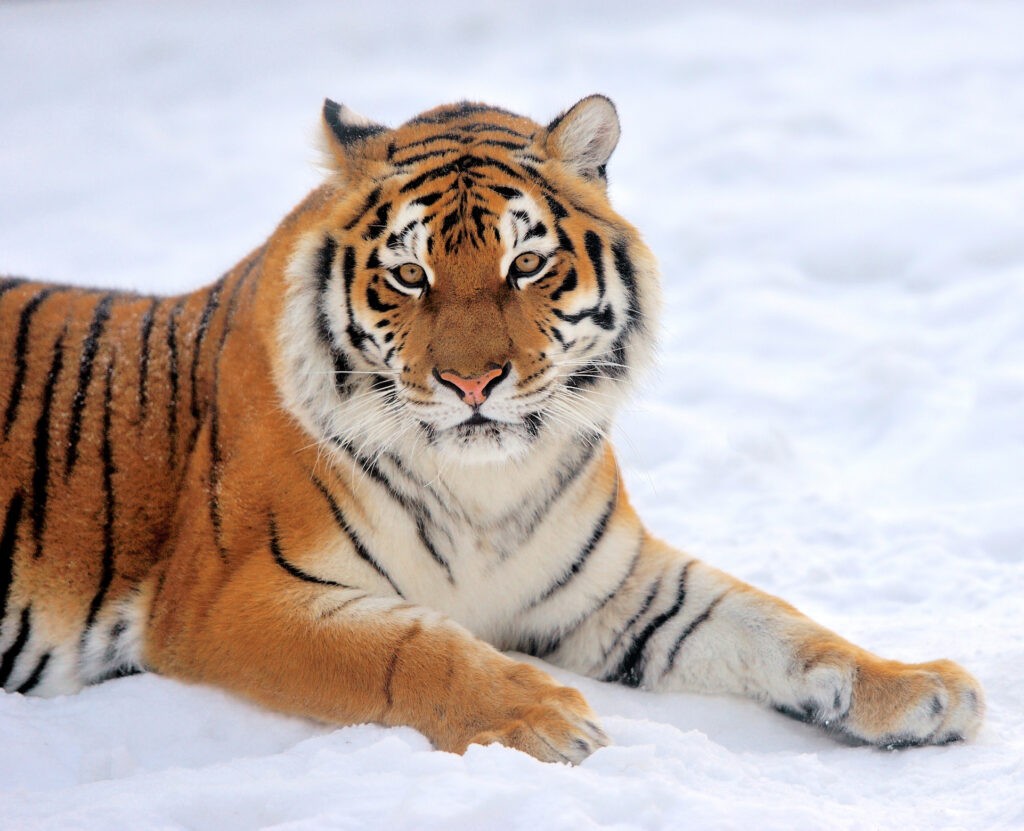
Waiting for Cubs: How Almaty Zoo is Helping Save the Amur Tiger Population

Almaty Zoo is helping to replenish the Amur tiger population under an international conservation program. The Amur tiger population is still declining, and the main challenge for scientific foundations from different countries is breeding new cubs. Almost 400 species of animals live at the Almaty Zoo. Among them are llamas, chimpanzees, hippopotamus and tigers, with the latter comprising a family of nine individuals. The clan is headed by 13-year-old Urman, who arrived in Kazakhstan at one-year-old from the Perm Zoo in Russia by way of an international conservation program. "The main objective of the program is to preserve the genetic diversity of animals in the northern part of Eurasia and their reproduction, including in captivity. That's why we carefully searched for a mate for Urman, and not so long ago we managed to bring in a tigress, Tasha, from Moscow," said Akzhami Rakhimova of the Almaty Zoo. Now, staff are carefully monitoring the pair's behavior and diet so they can give reproduce. The last time tiger cubs were born at the zoo was three years ago. They were given the names Aya, Zoya, Maya, and Sherkhan. Zookeepers celebrate the birthdays of their charges, and very soon the birthday of Bentley, who arrived from the circus in Astana, is coming up. He will be five-years-old, and since he's already reached puberty, he'll soon need a mate. The staff note that the zoo is home for these animals which don't know life beyond captivity, as they either came from the circus or were born here. The tigers are quite accustomed to the attention of visitors and to eating on schedule.

Kazakhstan Becomes Most Attractive Country for Migrants From Uzbekistan

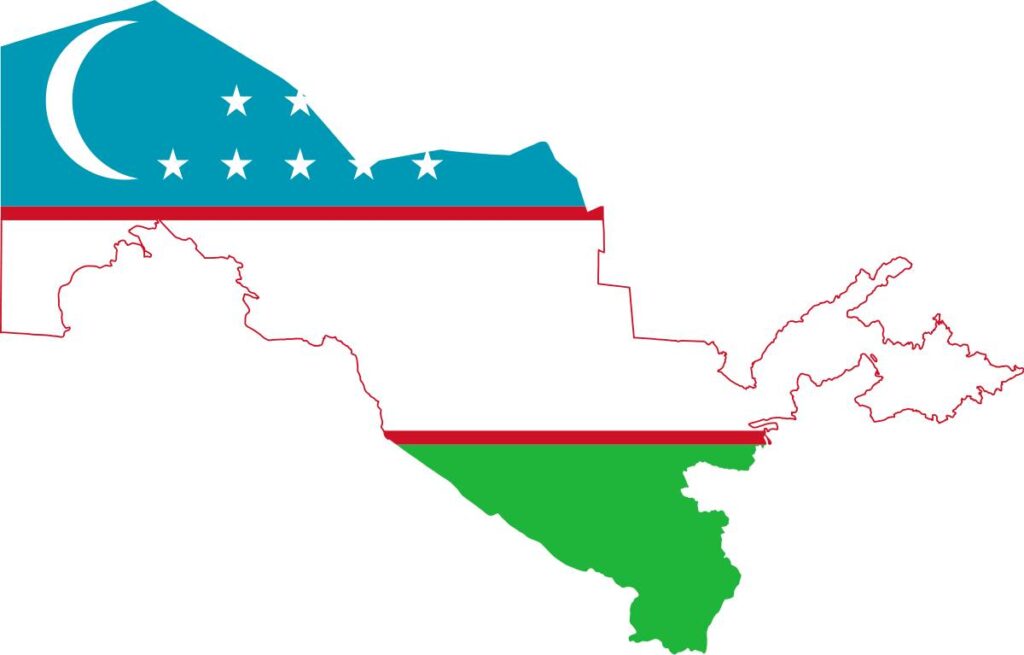
According to the Statistics Agency under the President of Uzbekistan, 17,336 people emigrated from the country by the end of 2023, with women making up 52.3% of the total. Over 80% of those who left were of working age. This figure almost doubled compared to 2022, when 8,790 people left the country. The most popular destination for migrants from Uzbekistan in 2023 was Kazakhstan, with 81.1% (14,000) choosing this neighboring country. Russia (15.4% or 2,600 people) and South Korea (0.6% or 107 people) were the second and third most popular choices, respectively. In contrast, Uzbekistan saw an influx of 2,955 immigrants in 2023, mostly from Russia (39.8%) and Kazakhstan (24.6%). Others moved from Tajikistan (9.7%), Kyrgyzstan (5.1%), Turkmenistan (2.1%), and other countries (18.7%). Labor migrants constituted the majority of those leaving Uzbekistan. The Agency for External Labor Migration of Uzbekistan reported a sharp increase in the number of citizens employed through organized recruitment in other countries, totaling 38,400 in 2023. Russia was the leading destination for Uzbek workers (29,200), followed by South Korea (4,900), Great Britain (1,900), Kazakhstan (1,300), Germany (477), and Turkey (277). A small number of Uzbeks also found employment in Romania, Bulgaria, Japan, Lithuania, Poland, the UAE, and Latvia. However, these official statistics do not account for the significant number of Uzbeks working abroad illegally. Specialized Uzbek agencies estimate that over 2 million Uzbeks live and work abroad permanently, with over 60% working in the Russian Federation.

Almaty is the Most Expensive City in Central Asia

Almaty has been ranked as the most expensive city in Central Asia according to the "cost of living" index regularly published by the Numbeo service. In terms of goods and services prices, including rent, food, and catering, Almaty has surpassed Central Asian capitals such as Astana, Tashkent, and Bishkek. According to the data, a family of four in Almaty spends approximately $2,157 per month not including rent, while an individual can live for an average of $598.50 excluding housing costs. The city also has the most expensive restaurants in Central Asia. Most Almaty residents spend their money not on high cuisine, however, but on real estate rent, with an average of one-third of the family budget being spent on renting an apartment. However, when compared across Asia, Almaty ranks 40th out of 86 cities, positioned between Turkish Antalya and Chinese Hangzhou. Astana, the capital of Kazakhstan, ranks 49th, making it cheaper than Bali, but more expensive than Baku. The most expensive Asian cities for the cost of living are Singapore, Hong Kong, and Tel Aviv, whilst globally, Zurich and Singapore are considered the most expensive places to live.