• KGS/USD = 0.01144 0%
  • KZT/USD = 0.00211 0%
  • TJS/USD = 0.10537 0%
  • UZS/USD = 0.00008 0%
  • TMT/USD = 0.28530 0%
  • KGS/USD = 0.01144 0%
  • KZT/USD = 0.00211 0%
  • TJS/USD = 0.10537 0%
  • UZS/USD = 0.00008 0%
  • TMT/USD = 0.28530 0%
  • KGS/USD = 0.01144 0%
  • KZT/USD = 0.00211 0%
  • TJS/USD = 0.10537 0%
  • UZS/USD = 0.00008 0%
  • TMT/USD = 0.28530 0%
  • KGS/USD = 0.01144 0%
  • KZT/USD = 0.00211 0%
  • TJS/USD = 0.10537 0%
  • UZS/USD = 0.00008 0%
  • TMT/USD = 0.28530 0%
  • KGS/USD = 0.01144 0%
  • KZT/USD = 0.00211 0%
  • TJS/USD = 0.10537 0%
  • UZS/USD = 0.00008 0%
  • TMT/USD = 0.28530 0%
  • KGS/USD = 0.01144 0%
  • KZT/USD = 0.00211 0%
  • TJS/USD = 0.10537 0%
  • UZS/USD = 0.00008 0%
  • TMT/USD = 0.28530 0%
  • KGS/USD = 0.01144 0%
  • KZT/USD = 0.00211 0%
  • TJS/USD = 0.10537 0%
  • UZS/USD = 0.00008 0%
  • TMT/USD = 0.28530 0%
  • KGS/USD = 0.01144 0%
  • KZT/USD = 0.00211 0%
  • TJS/USD = 0.10537 0%
  • UZS/USD = 0.00008 0%
  • TMT/USD = 0.28530 0%

Viewing results 3031 - 3036 of 4749

Kazakhstan Extends Oil Exports To Germany

Germany has agreed to extend Kazakh oil imports for six months (January-June 2024) with a transportation volume of 100,000 tons per month. This comes as a result of a February 6th meeting between the chairman of Kazakhstan’s national oil and gas company KazMunayGas, Magzum Mirzagaliyev, and Johannes Bremer, the chairman of Rosneft Deutschland. Rosneft Deutschland GmbH is the third largest petroleum processing company in Germany. It is now under German government control, following Russia’s invasion of Ukraine and the introduction of EU sanctions on Russian oil imports.  Mr Mirzagaliyev and Mr Bremer announced that in 2023, 993,000 tons of Kazakh oil were transported through the Druzhba oil pipeline in Russia in the direction of Germany.  KazMunayGas’ head said that Kazakhstan was interested in increasing its oil exports to Germany. “I am confident that joint activities will be mutually beneficial and long-term for the benefit of the economies of our countries,” said Mirzagaliyev.

Kazakhstan Political Experts Outline Tasks Ahead for New Government

On February 7th, an expanded meeting of Kazakhstan's new government took place at which President Tokayev sharply criticized previous initiatives. For example, tax code improvements had been in the works for quite some time, but the final proposal was reduced to raising rates and even imposing taxes on mobile-phone transfers. This caused a wave of resentment among ordinary Kazakhstanis and entrepreneurs. Therefore, the recent resignation of the government is not a surprise, according to political scientist and Director of the Institute of Eurasian Integration, Urazgali Selteyev, who also labeled such legislative reforms "mistakes." "The resignation was long overdue," Selteyev told The Times of Central Asia. "There are accumulated omissions and systemic failures in the work of the government. For all the months of work, no serious improvements are visible. A practical vision of a new economic model has not been presented. The development of the budget code has been delayed, and the clarification of tax reform has failed. Positive statistics on the reduction of inflation do not correspond to the real state of affairs in the economy and social sphere." A similar opinion is held by political scientist and Managing Director of GR Consulting Group, Yerbol Yedilov, who notes that the focus will now be on improving the economy, but not to the detriment of business, as instructed by Tokayev at the meeting. "I think they will target [improving] the country's economy, and, led by the prime minister, will carry out large-scale work on the return of illegally exported funds. Reforming the budget sphere, which the president is talking about, is only the beginning. There are deeper plans, and in time they should lead to a global increase in the country's economy," Yedilov told The Times of Central Asia. The head of state referred to this in his address, stating that Kazakhstan will seek to improve its anti-corruption policy, meaning that further personnel reshuffles are inevitable."Tokayev mentioned that the state of roads, heat and power centers is a reflection of our corruption. It can be understood that [more] personnel purges within the ministries lay ahead. Emphasis will be placed on honest and incorruptible officials," Yedilov concluded. Currently, according to political analysts, Kazakhstan is lacking in investment resources, and the main goal of the new cabinet is to replenish the national fund. "This is a transformation of the economy on the basis of strengthening and expanding investment activity," political scientist Gaziz Abishev told The Times of Central Asia. "After all, the liberalization of prices in a number of sectors, the liberalization of the economy itself, the protection of investors from corruption and bureaucracy, the use of public funds and simplification of the tax code is all about investment, which is now so lacking in Kazakhstan. We need to invest in new production and the creation of [value-added industries], but this cannot be done without capital. For both internal and external reasons, and because of volatility in foreign markets, there is not a lot of free money in Kazakhstan's economy. How realistic...

Tokayev Outlines Vision for New Government of Kazakhstan

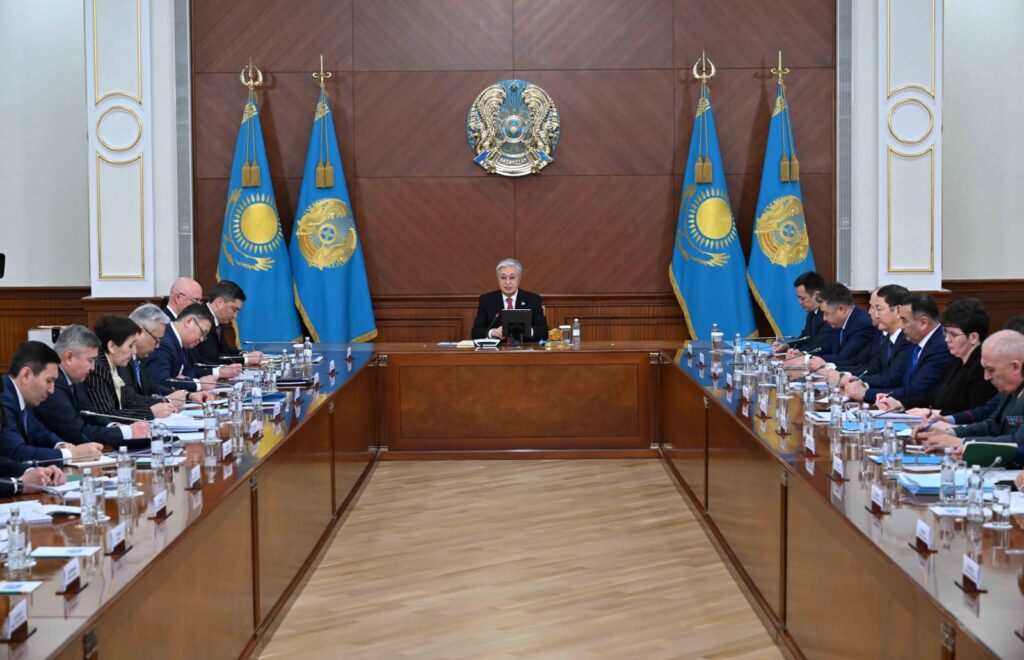
Following a tumultuous week, just a day after appointing a new prime minister, Kazakhstan’s President Kassym-Jomart Tokayev chaired an extended government meeting on February 7th. The meeting was attended by ministers, including the new Prime Minister, Olzhas Bektenov, the chairman of the National Bank, governors of Kazakhstan’s regions, and the mayors of the country’s three largest cities of Astana, Almaty, and Shymkent. Tokayev reported that last year the economy grew by 5.1%, but stressed that there is still work to be done. “We need a new impetus for the government's activities. It has a clear target — to increase the economy to $450bn by 2029. To achieve this goal, the country's GDP must grow by at least 6% annually. At the same time, it is important that macroeconomic indicators ensure rapid growth in the real incomes of our citizens,” the President said. Tokayev spoke of the need to make budget and tax policies function better. The problem, the President said, is the way budget funds are allocated, which is not currently aimed at stimulating economic activity. He added that budget funds are spent on day-to-day tasks, while larger strategic goals fade into the background. “The government will have to define clear spending priorities with an emphasis on obtaining maximum economic returns,” he said. The President stated that a new Tax Code is currently being drafted, which will aim to provide a balance between creating a good investment environment and maintaining the required level of budget revenues. Tokayev also pointed out that the share of investment in fixed capital is declining, stating that “it is necessary to significantly increase the influx of external and internal investment. This is a key task for the newly-established Investment Headquarters.” According to his speech, another source of funds should be the return of illegally withdrawn assets, which could be used to implement important projects. At the same time, Tokayev warned against going too far: “Arbitrariness on the part of law enforcement agencies is unacceptable. There will be a harsh reaction on my part to every such signal. This work is of great importance from the point of view of ensuring social justice, so no one is allowed to discredit it,” he said. Another priority task is the development of the agro-industrial sector, and the rational use of water resources. “The problems that hinder the development of the agro-industrial sector are well known, the most acute of which is chronic underfunding. Lack of investment leads to wear and tear of agricultural machinery, low yields, and low labor productivity. Therefore, it is necessary to maximize, if possible double, the financing of agriculture, attracting not only budget money, but also funds from other sources, including second-tier banks.” The government resigned en masse on Monday; changes had been expected by inside observers, as prior to the resignation, Tokayev had increasingly expressed his dissatisfaction with progress in addressing socioeconomic issues, and with stagnation in general. Over the past two years, Tokayev has implemented sweeping reforms aimed at democratizing the country...

Kazakhstan Produces Over Half Of The EU’s Critical Raw Materials

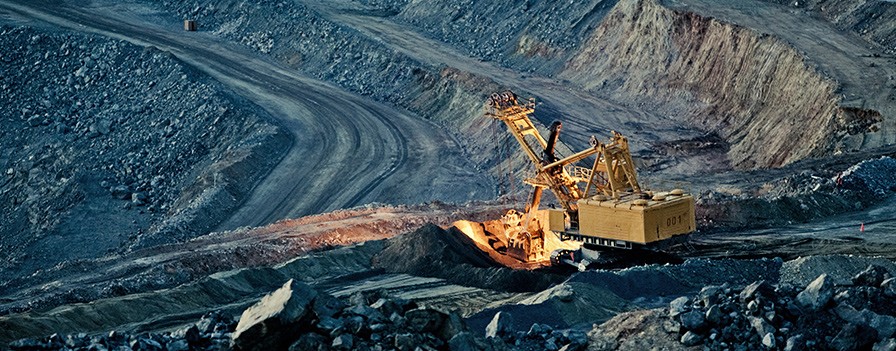
Kazakhstan produces 19 of the 34 critical raw materials listed by the European Union, its Ministry of Industry and Construction reported on February 6th. Kazakhstani manufacturers currently supply the European market with metal and chemical products including beryllium, tantalum, titanium, phosphorus, and ammonium metavanadate. Kazakhstan is among the world’s 10 largest copper producers. The country also has the potential to establish a cluster for the production of battery raw materials such as nickel, cobalt, manganese, and lithium, which are essential for the production of electric vehicles. In November 2023 in Brussels, Belgium, a delegation from Kazakhstan, headed by the minister for industry and construction, Kanat Sharlapaev, participated in the European Commission’s ‘Raw Materials Week’. The event addressed the memorandum of understanding between Kazakhstan and the EU on strategic partnership in the field of sustainable raw materials, batteries, and value chains in renewable hydrogen. The EU remains one of Kazakhstan’s leading trade, economic, and investment partners, accounting for about 30% of its foreign trade turnover, which was $37.7bn between January and November 2023.

Kazakhstan To Increase Oil Shipping Along Trans-Caspian Route

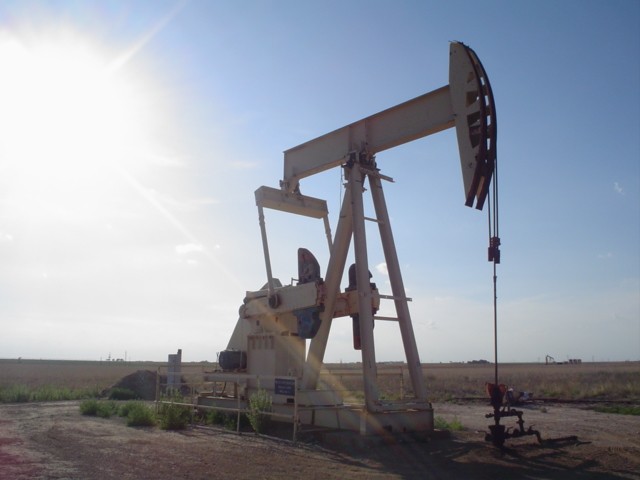
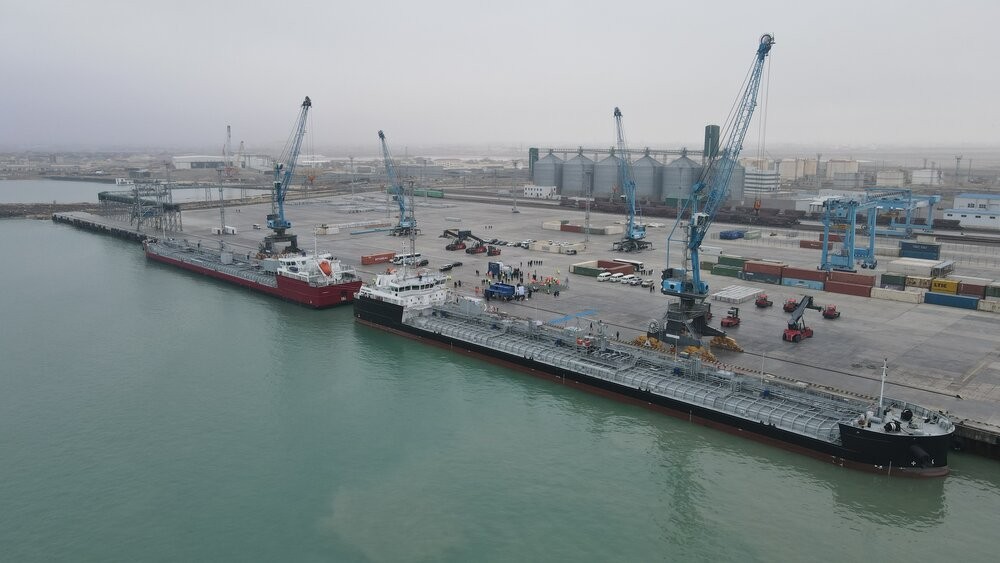
Kazakhstan is carrying out major expansion projects at the Tengiz, Karachaganak, and Kashagan oil fields. The throughput capacity of the Kazakhstan section of the Caspian Pipeline Consortium (CPC) pipeline has been increased from 54 million to 72.5 million tons per year, and the country has begun oil shipments along the Trans-Caspian route, which will be increased to 3 million tons within two years, the Kazakh government’s website reported on February 5th. In 2023 Kazakhstan increased crude oil shipments from the Caspian port of Aktau in the direction of the Baku-Tbilisi-Ceyhan oil pipeline from 250,000 tons to almost 1.4 million tons.  In 2022 Kazakhstan’s president Kassym-Jomart Tokayev ordered that the volume of oil transported along the Trans-Caspian corridor be increased. Kazakhstan’s national oil and gas company KazMunayGas and the state oil company of Azerbaijan, SOCAR, entered into an agreement to transport up to 1.5 million tons of oil per year from the Tengiz field in the direction of the Baku-Tbilisi-Ceyhan oil pipeline. The Kazakh government has also announced that work is underway to increase the production capacity of the Shymkent oil refinery in the south of Kazakhstan from 6 million to 12 million tons per year, which will fully meet the needs of the domestic market for motor fuel.

Kazakhstan To Co-Chair Conference On Nuclear Security

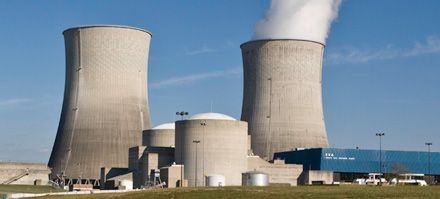
The 2024 International Conference on Nuclear Security (ICONS-2024) will be held in Vienna, Austria from May 20th to 24th. The conference is being organized by the International Atomic Energy Agency (IAEA), and will be jointly chaired by Kazakhstan and Australia.  The forum will bring together more than 2,000 nuclear security experts from 178 IAEA member states, as well as the heads of foreign services and relevant ministries. Kazakhstan and Australia’s representatives to the International Organizations, Mukhtar Tleuberdi and Ian Biggs, held a briefing in the United Nations Office in Vienna on February 5th.  The conference will showcase the achievements of IAEA member states in nuclear security, and strengthening control over nuclear and other radioactive materials. Kazakhstan and Australia will play key roles in developing the conference’s final document, the ICONS-2024 Ministerial Declaration, which will become a roadmap for further promoting the peaceful use of nuclear energy, making nuclear facilities more safe, and encouraging the effective exchange of international experience and knowledge.