• KGS/USD = 0.01144 0%
  • KZT/USD = 0.00208 0%
  • TJS/USD = 0.10414 -0.29%
  • UZS/USD = 0.00008 0%
  • TMT/USD = 0.28571 0%
  • KGS/USD = 0.01144 0%
  • KZT/USD = 0.00208 0%
  • TJS/USD = 0.10414 -0.29%
  • UZS/USD = 0.00008 0%
  • TMT/USD = 0.28571 0%
  • KGS/USD = 0.01144 0%
  • KZT/USD = 0.00208 0%
  • TJS/USD = 0.10414 -0.29%
  • UZS/USD = 0.00008 0%
  • TMT/USD = 0.28571 0%
  • KGS/USD = 0.01144 0%
  • KZT/USD = 0.00208 0%
  • TJS/USD = 0.10414 -0.29%
  • UZS/USD = 0.00008 0%
  • TMT/USD = 0.28571 0%
  • KGS/USD = 0.01144 0%
  • KZT/USD = 0.00208 0%
  • TJS/USD = 0.10414 -0.29%
  • UZS/USD = 0.00008 0%
  • TMT/USD = 0.28571 0%
  • KGS/USD = 0.01144 0%
  • KZT/USD = 0.00208 0%
  • TJS/USD = 0.10414 -0.29%
  • UZS/USD = 0.00008 0%
  • TMT/USD = 0.28571 0%
  • KGS/USD = 0.01144 0%
  • KZT/USD = 0.00208 0%
  • TJS/USD = 0.10414 -0.29%
  • UZS/USD = 0.00008 0%
  • TMT/USD = 0.28571 0%
  • KGS/USD = 0.01144 0%
  • KZT/USD = 0.00208 0%
  • TJS/USD = 0.10414 -0.29%
  • UZS/USD = 0.00008 0%
  • TMT/USD = 0.28571 0%

Viewing results 3115 - 3120 of 4460

Government Buys ArcelorMittal Termirtau for $286 Million

The Minister of Industry and Construction of the Republic of Kazakhstan, Kanat Sharlapayev, announced at a briefing that after eleven rounds of negotiations, the purchase of Arcelor Mittal Temirtau has been completed, Kazinform has reported. Divulging the details of the deal, Sharlapayev stated that “$286 million is the cost of two fully functioning enterprises. In addition, ArcelorMittal will not make any claims against the Government of Kazakhstan. The agreement was reached within the legal framework, in full compliance with international law.” Against a backdrop of ongoing incidents at ArcelorMittal Temirtau JSC, in August of this year, President of the Republic of Kazakhstan Kassym-Jomart Tokayev pointed out serious violations by the company. The Head of State stated that consequences for the enterprise to remain in the Kazakh market were not excluded for AMT. At the time this statement was made, the government was already negotiating with the owners of ArcelorMittal Temirtau on the possible withdrawal of the company from the metallurgical plant. These talks began after the tragic accident that occurred on November 3rd 2022 at the Lenin Mine, a subsidiary of AMT. As a result of these intensive negotiations, on December 9th 2022, a “Standstill Agreement” was signed, which allowed the authorities to evaluate and audit the enterprise. During the negotiations, ArcelorMittal requested $3.5 billion, which did not correspond to the calculations of international consultants. “This became one of the main reasons for the protracted negotiation process,” Sharlapayev said. “Our goal was to purchase the plant at a fair price without incurring costly and protracted international litigation. The urgency and acceleration of the negotiations were also dictated by the need to prevent the shutdown of the enterprise. The agreement between the Government of Kazakhstan and ArcelorMittal can be called a mega-deal, which is of exceptional importance to our country. We have avoided a lot of risks faced by the governments of other countries,” the minister stressed. Sharlapayev also announced three key elements of the deal: - The state has reduced the value of assets from $3.5 billion to $286 million; - Not a single tenge was spent from the state budget on the implementation of the transaction; - The new investor undertakes an obligation to the parent company, ArcelorMittal, to repay a short-term loan of $250 million and a long-term loan of $450 million over four years.
Kazakhstan Approves Plan for Oil and Gas Industry Development

Kazakhstan Approves Plan for Oil and Gas Industry Development On December 6th, the Government of Kazakhstan approved a comprehensive plan for the development of the largest oil, gas and petrochemical projects for 2023-2027. The plan is aimed at implementing 20 significant projects in the oil and gas industry, oil and gas refining, and the petrochemicals industry, with an expected investment volume of $37.3 billion. In particular, the document provides for the implementation of large oil and gas projects in the Tengiz, Karachaganak and Kashagan fields, aimed at increasing oil production to 105.5 million tons and gas production to 82.1 billion cubic meters by 2027. The construction of gas processing plants provided for in the plan will have a significant impact on meeting the needs of the domestic market for motor fuel. In addition, in order to supply the domestic market with petroleum products, it is planned that by 2029 the production capacity at the Shymkent Oil Refinery will be increased from 6 million to 12 million tons. As a result, the country will produce 18 million tons of fuel per year.

EBRD Supports Capital Markets in Kazakhstan

The European Bank for Reconstruction and Development (EBRD) on December 6th said it is further developing the financial markets in Kazakhstan by introducing a new local currency interest rate swap derivative - an Overnight Indexed Swap (OIS) - in which the overnight rate is exchanged for a fixed interest rate. An inaugural one-year OIS transaction, based on the Tenge Overnight Index Average (TONIA), was closed with one of the country’s largest lenders, Bank CenterCredit (BCC). The OIS market will allow banks and investors to better manage their interest rate risk, thus making the financial system more stable and financial markets in Kazakhstan more attractive. “The EBRD and Kazakhstan are making significant progress in the development of financial markets. This transaction reconfirms the role of TONIA as the interest rate benchmark in the country, stimulates local currency lending, and encourages more TONIA-linked swaps,” the EBRD’s Treasurer, Axel van Nederveen said. The EBRD believes the new derivative instrument fills an important gap in capital markets and is keen to participate in the development of this, not only as part of its commitment to local currency financial markets, but also as an active participant.

Kazakhstan’s Road Freight Transportation Sees 22% Growth: A Boon for the Economy

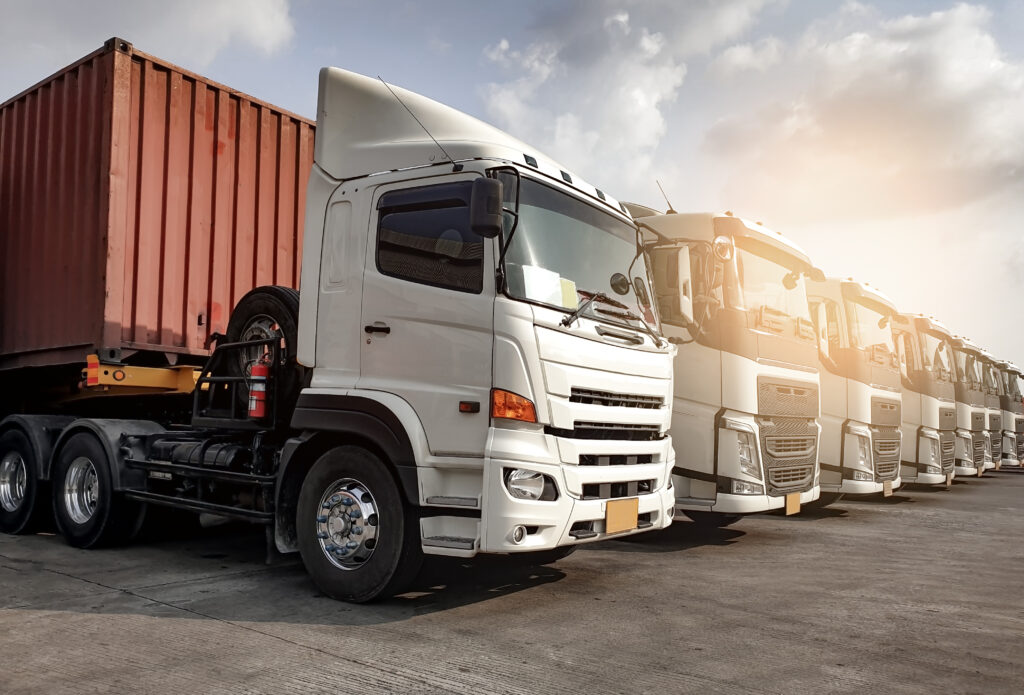
In a recent government meeting chaired by Prime Minister Alikhan Smailov, it was reported that Kazakhstan has seen a significant surge in road freight transportation during the first three quarters of this year. The volume of goods transported by road reached 5.5 million tons, marking a 22% increase compared to the same period last year. This growth trend is also reflected in transit transportation, which has risen by a whopping 44%, climbing from 2.5 to 3.6 million tons. The driving force behind this uptick is the marked increase in cargo transportation to China. Transport volumes have doubled, reaching 1.5 million tons. This surge illustrates the vast potential for further amplifying the volume of transit cargo moving from China to Europe. If the current dynamics persist, transit through Kazakhstan could multiply five-fold by 2029, providing a substantial boost to the country's economic development. Prime Minister Smailov underscored the vital role of developed road freight transportation in shaping the economy. It has direct impacts across all sectors, making it a key factor in the nation's economic landscape. Currently, eight international highway corridors traverse the territory of Kazakhstan, spanning a total length of approximately 13,000 km. These include the Western Europe - Western China route. This promising growth trajectory in road freight transportation positions Kazakhstan as a strategic player in the international logistics and transportation arena. It also underpins the country's commitment to bolstering its economic infrastructure and enhancing its trade relationships, particularly with neighboring China. As we move into 2024, Kazakhstan's transportation sector seems poised for further expansion and success.

Kazakhstan’s Exports to Organization of Islamic Cooperation Countries Reaches $8.4 Billion

The Minister of Trade and Integration of Kazakhstan, Arman Shakkaliyev addressed the 39th meeting of the Standing Committee of the Organization of Islamic Cooperation on Economic and Trade Cooperation (COMSEC) in Istanbul. The official opening ceremony of the event took place on December 4th with the participation of Turkish President Recep Tayyip Erdogan. The Organization of Islamic Cooperation (OIC) is the largest official Muslim governmental international organization, uniting 57 countries. Today, OIC countries comprise more than a quarter of the world's population - 1.7 billion people on four continents - Asia, Africa, Europe, and South America. Over the past three years, total trade turnover between member states has increased from $3.7 trillion to $4.5 trillion. During the meeting, ministers from the participating countries discussed further efforts to strengthen cooperation, including in trade and agriculture. Kazakhstan is actively seeking to make a significant contribution to food security. Over the past five years, the country has doubled its volume of agricultural products and exports them to more than 80 countries, working in this direction with OIC members. “OIC countries are among the active trade and economic partners of Kazakhstan,” said Shakkaliev, addressing a report on improving the potential for trade with OIC member states. “Our trade turnover for the first nine months of 2023 amounted to $12.5 billion. Exports of Kazakhstani products to the OIC countries account for more than half of the total trade turnover - $8.4 billion. We need to combine the efforts of all members of the Organization in the development of transport and logistics infrastructure, and expansion of investment cooperation.”

Kazakhstan’s Nuclear Energy Projects: Evaluating Potential Suppliers for a Sustainable Future

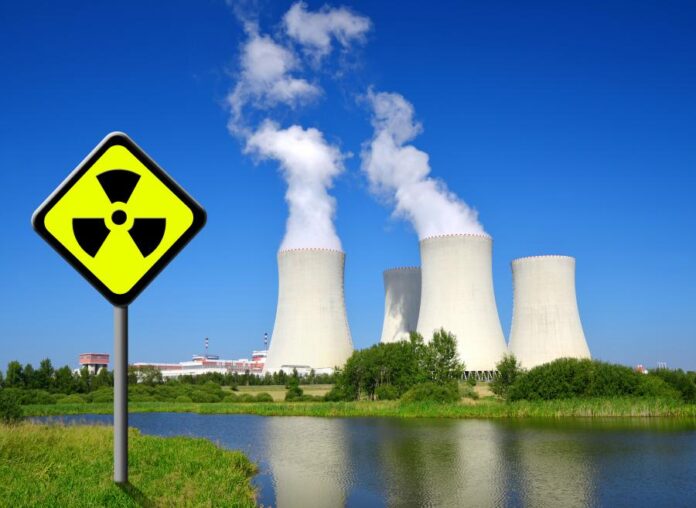
Kazakhstan, renowned for its abundant uranium reserves and expansive mining ventures, is making substantial progress in the realm of nuclear power. The country's inaugural venture into this field was marked by the BN-350 fast-neutron reactor in Aktau, which signified the launch of Kazakhstan's first nuclear power plant. At present, Kazakhstan operates 13 uranium mining projects. Kazatomprom, the national atomic company, fully owns three of these, while the remaining ten are joint ventures with foreign equity holders. In 2020, Kazatomprom's significant contributions to the uranium mining industry confirmed Kazakhstan's status as the global leader in uranium production, providing 28% of the world's production. However, Kazakhstan's nuclear aspirations are not confined to uranium mining. Plans are in motion to construct a nuclear power plant (NPP), projected to be operational by 2035, to cater to the country's escalating energy demands. The proposed NPP is expected to house two reactors, each with a capacity ranging from 1,000 to 1,400 megawatts. These reactors will help alleviate the shortage of base load power supply in the nation. Currently, the authorities are evaluating several potential suppliers of nuclear technology. The contenders include China National Nuclear Corporation (CNNC), South Korea's Korea Hydro & Nuclear Power (KHNP), France's Électricité de France (EDF), and Russia's state corporation Rosatom. The construction of the NPP has sparked significant debate within the country. In response to public sentiment, President Kassym-Jomart Tokayev has announced a referendum to decide the future of the plant. Despite the controversy, the nuclear sector continues to contribute to Kazakhstan's economy through job creation. Nearly 18,000 people are currently employed in the peaceful use of nuclear energy. The International Atomic Energy Agency (IAEA) has been closely monitoring Kazakhstan's progress in developing its nuclear infrastructure. The country operates several research reactors and other nuclear installations related to the front end of the nuclear fuel cycle10. While Kazakhstan's venture into nuclear energy offers significant benefits, including job creation, economic growth, and a sustainable solution to the country's escalating energy needs the course ahead depends on public sentiment and the outcome of the forthcoming referendum.