• KGS/USD = 0.01144 0%
  • KZT/USD = 0.00200 0%
  • TJS/USD = 0.10468 -0.1%
  • UZS/USD = 0.00008 0%
  • TMT/USD = 0.28571 0%
  • KGS/USD = 0.01144 0%
  • KZT/USD = 0.00200 0%
  • TJS/USD = 0.10468 -0.1%
  • UZS/USD = 0.00008 0%
  • TMT/USD = 0.28571 0%
  • KGS/USD = 0.01144 0%
  • KZT/USD = 0.00200 0%
  • TJS/USD = 0.10468 -0.1%
  • UZS/USD = 0.00008 0%
  • TMT/USD = 0.28571 0%
  • KGS/USD = 0.01144 0%
  • KZT/USD = 0.00200 0%
  • TJS/USD = 0.10468 -0.1%
  • UZS/USD = 0.00008 0%
  • TMT/USD = 0.28571 0%
  • KGS/USD = 0.01144 0%
  • KZT/USD = 0.00200 0%
  • TJS/USD = 0.10468 -0.1%
  • UZS/USD = 0.00008 0%
  • TMT/USD = 0.28571 0%
  • KGS/USD = 0.01144 0%
  • KZT/USD = 0.00200 0%
  • TJS/USD = 0.10468 -0.1%
  • UZS/USD = 0.00008 0%
  • TMT/USD = 0.28571 0%
  • KGS/USD = 0.01144 0%
  • KZT/USD = 0.00200 0%
  • TJS/USD = 0.10468 -0.1%
  • UZS/USD = 0.00008 0%
  • TMT/USD = 0.28571 0%
  • KGS/USD = 0.01144 0%
  • KZT/USD = 0.00200 0%
  • TJS/USD = 0.10468 -0.1%
  • UZS/USD = 0.00008 0%
  • TMT/USD = 0.28571 0%

Viewing results 559 - 564 of 878

Central Asia’s Untapped Potential: Key to Green Transition, Food Security, and Digital Economy Growth

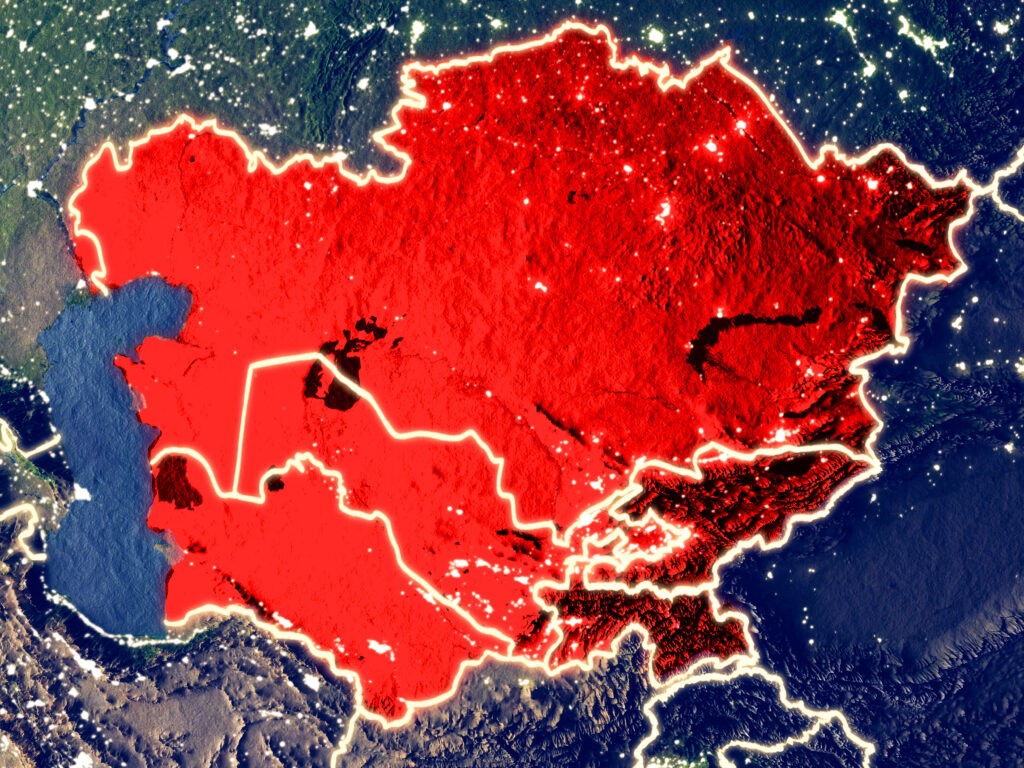
Central Asia, with its rich history as a crossroads of civilizations and a gateway between East and West, finds itself at a crucial juncture in its economic development. The region is showing signs of moving towards becoming a more cohesive economic group, an evolution that could have far-reaching implications for renewable energy development, food security, global commerce and geopolitics. Central Asian states are better positioned than ever to capitalize on their strengths and resources to help the rest of the world deal with climate change, security challenges associated with geopolitical shifts and the ongoing digital transformation of the global economy. Realizing this vast potential will require continued focus, commitment and cooperation from the region’s leaders, as well as long-overdue support from Western leaders for some of the most progressive reforms Central Asia has seen in recent years. Green energy potential Rich in natural resources, Central Asia is fast becoming pivotal for the global green energy transition. Leveraging vast reserves of rare earth elements (REEs) and other crucial minerals combined with its significant potential for renewable energy production, the region is increasingly recognized as a key contributor to realizing a more sustainable future. Kazakhstan, one of the region's major players, boasts over 56 identified deposits of REEs, with reserves and resources surpassing 450,000 tons. These elements, including lithium and cobalt production, are crucial for battery technologies powering renewable energy applications. This positions Kazakhstan as a significant supplier for the burgeoning green technology industry. Kyrgyzstan and Tajikistan also show promise. Inventory reviews of REE-bearing mineral occurrences and delineation of areas-of-interest suggest these countries could be home to considerable undiscovered resources, further boosting their contribution to green energy transitions. In addition to its abundant natural resources, Central Asia is an ideal candidate for green hydrogen production. Uzbekistan, with  PowerChina and the Saudi company ACWA Power is constructing the  country's first green hydrogen plant. Meanwhile, Kyrgyzstan and Tajikistan, with their surplus hydropower electricity, are well-positioned for hydrogen production. Once again, however, Kazakhstan boasts the most ambitious goal: The country aims to produce two million tons of green hydrogen annually by 2032, marking its intent to become a major player in the global green hydrogen market. In 2022, it inked a $50 billion deal with the German energy grou Svevind to build one of the world's largest green hydrogen plants supplying Europe. Kazakhstan, which holds 13% of the world’s uranium reserves, also leads the pack in uranium mining, meeting a significant portion of annual demand from  Europe and the U.S.. As nuclear power plays a crucial role in the green energy transition, Kazakhstan's role is set to grow. The country is exploring new avenues to access the international market. On the other hand, Kyrgyzstan, Uzbekistan and Tajikistan are also known for their uranium deposits but they are currently prioritizing the remediation of past mining sites over active uranium production. This responsible approach underscores the region's commitment to sustainable development. Central Asia's commitment to a greener future extends beyond resource development.. Several states, including Kazakhstan, Turkmenistan,...
UNDP Supports Kyrgyzstan in Biodiversity Conservation and Sustainable Ecosystem Management

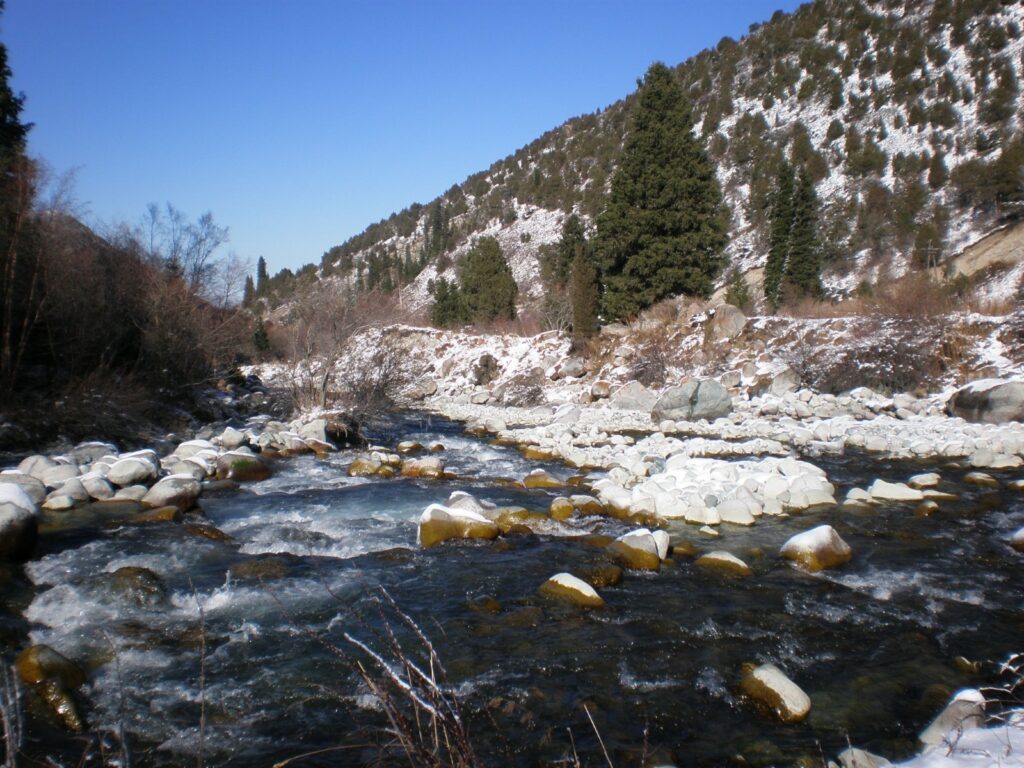
The United Nations Development Program (UNDP) has helped Kyrgyzstan to conclude the biodiversity conservation project in Western Tian Shan, and is now launching a new initiative for the integrated management of valuable mountain ecosystems of Pamir-Alai. Speaking at an event marking the conclusion of the Western Tian Shan project, Alexandra Solovieva, UNDP Resident Representative in the Kyrgyz Republic, highlighted the achievements of the project, which supported the adoption of a landscape approach, advocating for a holistic ecosystem strategy in biodiversity and natural resource planning, management, and monitoring. The project’s key achievements included strengthening protected area management, implementing high conservation value forest concepts, flagship species monitoring, revising sector legislation, expanding local community rights and opportunities, and promoting environmental education initiatives, UNDP Kyrgyzstan reported on January 9th.[/vc_column_text][vc_single_image image="13449" img_size="full" el_class="scond-image" parallax_scroll="no" woodmart_inline="no"][vc_column_text woodmart_inline="no" text_larger="no"]The Western Tian Shan project focused on preserving globally significant biodiversity and the sustainable management of land and forest resources. A major achievement was the establishment of the Chatkal ecological corridor and the Kabak buffer zone, spanning 89,000 hectares, linking three protected areas - Alatai, Sary-Chelek, and Padysha-Ata - and facilitating natural wildlife migration. Recently adopted as the national symbol of the Kyrgyz Republic, the snow leopard, an ecosystem indicator species, plays a vital role in the health of entire ecosystems and in determining the well-being of its prey species. UNDP's conservation initiatives focus on preserving and increasing the snow leopard population, with recent data showing a population of 15 to 28 individuals in the Western Tian Shan mountains. Efforts to enhance conservation effectiveness include reducing ecosystem pressure through alternative income sources, local development, and expanding socioeconomic opportunities for residents near protected areas. The project supported income-generating initiatives in pilot villages of the Toktogul and Toguz-Toro districts, with a focus on expanding socio-economic opportunities for women and youth. "Our current country program aligns closely with national priorities, focusing on low-carbon sustainable development and reliable ecosystem preservation. UNDP will continue to support Kyrgyzstan in sustainable ecosystem management and biodiversity conservation,” stated Solovieva, adding that in January 2024, “we will launch the Pamir-Alai project, funded by the Global Environment Facility, reaffirming our dedication and partnership in preserving natural heritage and invaluable ecosystems."

New Flag of Kyrgyzstan Raised in Ala-Too Square

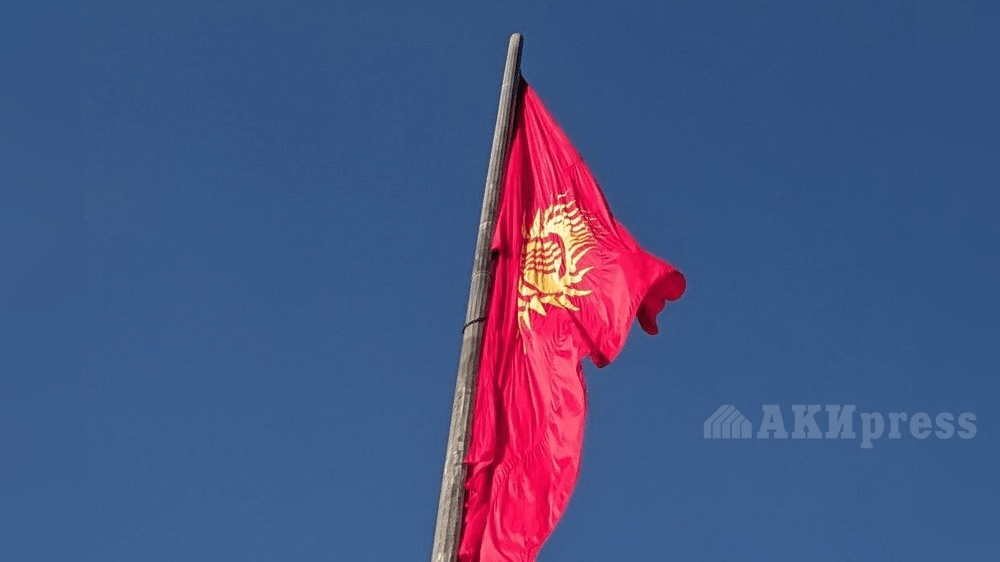
On January 1st, 2024, the new flag of Kyrgyzstan was raised in Ala-Too Square. Photos of the updated flag were shared by the AKIpress News Agency. On December 22nd, President Sadyr Japarov signed a law “On State Symbols of the Kyrgyz Republic,” which was adopted to improve the country’s flag. In particular, the adopted law changed the shape of the sun’s rays on the flag of Kyrgyzstan from wavy to straight. Earlier, at the People's Kurultai, Japarov had stated that changing the flag was his personal initiative, and also added that the state would not bear the costs.[/vc_column_text][vc_single_image image="13481" img_size="full" el_class="scond-image" parallax_scroll="no" woodmart_inline="no"][vc_column_text woodmart_inline="no" text_larger="no"]Several rallies protesting the change have been held since the proposal in October. Also on December 22nd, Human Rights Watch (HRW) urged the Kyrgyz authorities to drop all charges against activist Aftandil Jorobekov, and to release him after he was arrested for openly protesting changes to Kyrgyzstan’s national flag and charged with calls for mass disorder and civil disobedience. In a statement, HRW said that the charges brought against Jorobekov “violate his freedom of expression and right to peaceful assembly.” The 39-year-old activist was detained on December 7th, a day after he voiced his disapproval of the bill and announced his plan to hold a peaceful protest in Bishkek’s Gorky Park on December 9th. “Criticizing the government and calling for peaceful protest is not the equivalent of stoking mass unrest, and it is certainly not criminal,” Sultanalieva said. “The Kyrgyz authorities should drop this absurd case against Jorobekov, and uphold his right to free speech and peaceful assembly.” Meanwhile, many politicians, activists, and public figures in Kyrgyzstan continue to question the idea to change the national flag. Prominent Kyrgyz athlete and two-time world wrestling champion Jolaman Sharshenbekov wrote on Twitter on December 21st that he will continue raising the country’s old national flag at international tournaments and competitions. The head of the country’s State Committee of National Security, Kamchybek Tashiev, immediately commented on Sharshenbekov’s post, threatening unspecified repercussions for athletes who “even try” to raise anything other than the amended national flag at sports events. “The law is adopted, and we, the citizens, must obey,” Tashiev wrote.

Snow Leopard Becomes National Symbol of Kyrgyzstan

On December 30th, Kyrgyz President Sadyr Japarov signed a Decree “On recognizing the snow leopard as a national symbol of the Kyrgyz Republic,” the presidential press service has reported. The snow leopard has the status of a rare or endangered species in 12 countries. This animal is an indicator of the stability and health of the mountain ecosystem, which occupies a third of the globe. The loss of snow leopards from the wild would risk upsetting the delicate ecological balance, which would have detrimental effects on various animal species and humans. “In the culture of the ancient Kyrgyz people, the snow leopard personified greatness, nobility, courage, courage and endurance. Therefore, according to legends, the leopard was the totem animal of the great Manas,” the presidential press service reported. The poem "Manas" is one of the greatest works of Kyrgyz folklore, and is included in the list of masterpieces of the oral and intangible cultural heritage of humanity by UNESCO, as well as in the Guinness Book of Records as the most voluminous epic in the world. Kyrgyzstan is an active participant in global wildlife conservation programs. At the first International Forum on Snow Leopard Conservation in Bishkek in 2013, with the support of representatives of 12 snow leopard range countries and the international community, the Bishkek Declaration on the Protection of the Snow Leopard was unanimously adopted and the Global Snow Leopard and Ecosystem Protection (GSLEP) Program was approved. In order to further state support for initiatives to preserve the snow leopard and its ecosystem in the Kyrgyz Republic, the presidential decree instructed the Cabinet of Ministers of the Kyrgyz Republic to take measures to protect the snow leopard population and as its ecosystem, and to take measures to popularize the new national symbol.

Despite Protests, Kyrgyz President Signs Bill Amending National Flag

On December 22nd, the President of the Kyrgyz Republic, Sadyr Japarov, signed a bill modifying the national flag, following its final approval by lawmakers two days prior. The legislators had noted that the depiction of yellow rays on a red field in the old flag resembled a sunflower. They proposed amendments to "straighten" the sunrays to create an image more closely resembling the sun. Several rallies protesting the change have been held since the proposal in October. Also on December 22nd, Human Rights Watch (HRW) urged the Kyrgyz authorities to drop all charges against activist Aftandil Jorobekov, and to release him after he was arrested for openly protesting changes to Kyrgyzstan's national flag and charged with calls for mass disorder and civil disobedience. In a statement, HRW said that the charges brought against Jorobekov "violate his freedom of expression and right to peaceful assembly." "Jorobekov should not be facing criminal prosecution for opposing a government initiative or calling for peaceful protests, which are protected forms of expression,” HRW's Central Asia researcher, Syinat Sultanalieva, said. “The Kyrgyz authorities should drop the charges and release Jorobekov immediately.” The 39-year-old activist was detained on December 7th, a day after he voiced his disapproval of the bill and announced his plan to hold a peaceful protest in Bishkek's Gorky Park on December 9th. "Criticizing the government and calling for peaceful protest is not the equivalent of stoking mass unrest, and it is certainly not criminal," Sultanalieva said. "The Kyrgyz authorities should drop this absurd case against Jorobekov, and uphold his right to free speech and peaceful assembly." Meanwhile, many politicians, activists, and public figures in Kyrgyzstan continue to question the idea to change the national flag. Prominent Kyrgyz athlete and two-time world wrestling champion Jolaman Sharshenbekov wrote on Twitter on December 21st that he will continue raising the country’s old national flag at international tournaments and competitions. The head of the country's State Committee of National Security, Kamchybek Tashiev, immediately commented on Sharshenbekov's post, threatening unspecified repercussions for athletes who "even try" to raise anything other than the amended national flag at sports events. "The law is adopted, and we, the citizens, must obey," Tashiev wrote.

Length of U.S. Visas for Kyrgyz Citizens Set to Increase

The duration of American visas for citizens of Kyrgyzstan is set to increase from five to ten years, marking a significant development reported by the Embassy of the Kyrgyz Republic in the USA. The Embassy disclosed that Baktybek Amanbayev, the head of the Kyrgyz diplomatic mission, conducted a meeting on December 13th with Brandon McNerney, the director of the Office of Visa Affairs at the Consular Bureau of the US Department of State. The primary agenda revolved around discussions aimed at enhancing visa relations between the two nations. During the meeting, Ambassador Amanbayev reiterated the appeal to expedite considerations for extending the validity period of tourist and business visas from five to ten years, alongside reducing consular fees for Kyrgyz Republic citizens. This plea, previously discussed with US authorities, was reinforced by Amanbayev during this encounter. Brandon McNerney provided an optimistic outlook, stating that the issue is in its final stages of evaluation within relevant US authorities, with a positive decision anticipated imminently. The American side pledged to officially notify the Kyrgyz authorities of their decision in the near future. Additionally, Amanbayev pressed for simplified visa acquisition processes for Kyrgyzstani students enrolled in US educational institutions. Moreover, he proposed exploring opportunities for legal employment of Kyrgyz citizens in sectors facing labor shortages within the United States. The American representatives agreed to delve into these matters during the annual bilateral consultations. This push for extended visa durations follows earlier discussions on the topic. Kyrgyzstan's parliamentary deputies Akylbek Tumonbayev, Balbak Tulobayev, Karim Khanjeza, and Emil Toktoshev engaged in talks with Ambassador Leslie Viguery regarding visa extensions to the United States. Ambassador Amanbayev also held discussions with John Pommersheim, Deputy Assistant Secretary of State for Central and South Asian Affairs, seeking to expedite this visa extension process. These concerted efforts signal a potential boon for Kyrgyz citizens aspiring to visit or reside in the United States, fostering closer bilateral ties between the two nations.