• KGS/USD = 0.01144 0%
  • KZT/USD = 0.00216 0%
  • TJS/USD = 0.10659 0%
  • UZS/USD = 0.00008 0%
  • TMT/USD = 0.28530 0%
  • KGS/USD = 0.01144 0%
  • KZT/USD = 0.00216 0%
  • TJS/USD = 0.10659 0%
  • UZS/USD = 0.00008 0%
  • TMT/USD = 0.28530 0%
  • KGS/USD = 0.01144 0%
  • KZT/USD = 0.00216 0%
  • TJS/USD = 0.10659 0%
  • UZS/USD = 0.00008 0%
  • TMT/USD = 0.28530 0%
  • KGS/USD = 0.01144 0%
  • KZT/USD = 0.00216 0%
  • TJS/USD = 0.10659 0%
  • UZS/USD = 0.00008 0%
  • TMT/USD = 0.28530 0%
  • KGS/USD = 0.01144 0%
  • KZT/USD = 0.00216 0%
  • TJS/USD = 0.10659 0%
  • UZS/USD = 0.00008 0%
  • TMT/USD = 0.28530 0%
  • KGS/USD = 0.01144 0%
  • KZT/USD = 0.00216 0%
  • TJS/USD = 0.10659 0%
  • UZS/USD = 0.00008 0%
  • TMT/USD = 0.28530 0%
  • KGS/USD = 0.01144 0%
  • KZT/USD = 0.00216 0%
  • TJS/USD = 0.10659 0%
  • UZS/USD = 0.00008 0%
  • TMT/USD = 0.28530 0%
  • KGS/USD = 0.01144 0%
  • KZT/USD = 0.00216 0%
  • TJS/USD = 0.10659 0%
  • UZS/USD = 0.00008 0%
  • TMT/USD = 0.28530 0%

Viewing results 529 - 534 of 790

ADB to Help Improve Agribusiness Value Chains in Kyrgyzstan

As per a press release on its website, on December 7th the Asian Development Bank (ADB) has said it is providing a $20 million loan and a $20 million grant to the Kyrgyz Republic to help small and medium-sized agribusinesses improve their processing and storage capacity and reduce post-harvest handling losses through inclusive, resilient, and climate-adaptive horticultural value chains. “The project will enhance the resilience of farmers, including women, against market volatility, natural hazards and climate change, and increase household and national food security,” said ADB Director General for Central and West Asia, Yevgeniy Zhukov. “By equipping them with climate-smart agricultural technologies and strengthening value chains, farmers and all stakeholders along the value chains will be able to minimize resource cost and increase profitability.” The Climate-Resilient Agricultural Value Chain Development Project will provide long-term funds to qualified participating financial institutions to extend structured loans for horticulture value chain investments, including fruit and vegetables. Aiyl Bank, the most prominent bank financing the country’s agriculture sector, has been selected as the first financial institution to participate in this project. “About 80% of small businesses in the Kyrgyz Republic are currently funded by family, friends, and informal sources,” said ADB Principal Natural Resources and Agriculture Specialist, Giap Minh Bui. “To stimulate private investment in modernizing agricultural value chains, it is critical that local banks have access to stable long-term funding sources and offer a range of term-lending products that are appropriate for and affordable to horticulture entrepreneurs, including women.” Aside from establishing modern processing, storage and refrigerated facilities, the project will also help establish contract farming arrangements between farmers and processors and/or exporters; train women business-owners; and implement measures to facilitate cross-border trade and branding for products that are unique to the Kyrgyz Republic. These measures aim to increase profitability for horticultural producers and agribusiness enterprises, and strengthen market linkages to increase national food security.
Kyrgyzstan, Tajikistan Agree on More Disputed Border Areas

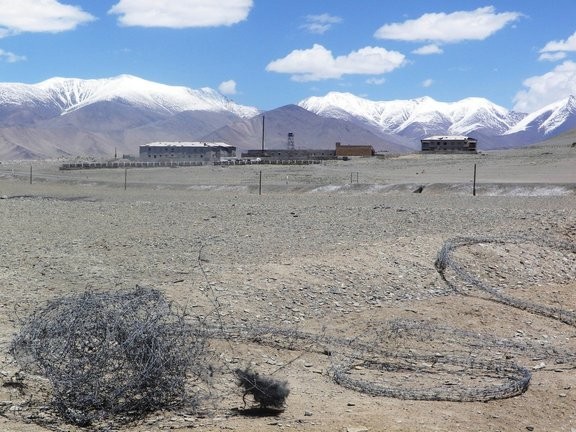
As reported by RFE/RL, officials from Kyrgyzstan and Tajikistan say the two countries agreed on another 24 kilometers of the border between the two former Soviet republics after special talks on the issue were held over the past week, RFE/RL's Kyrgyz Service reported. Tajikistan's State Committee for National Security said on December 5th that the talks were held in the northern town of Buston, near the Kyrgyz border. According to the Kyrgyz government, the next round of talks regarding other parts of the border will be held on Kyrgyzstan's territory on a day that is yet to be determined. In a sign of thawing relations, back on November 9th 2023, the Cabinet of Ministers of the Kyrgyz Republic announced that a further 17.98 kilometres of its border with Tajikistan had been agreed upon, with another meeting of the of topographic working groups due to be held in Batken from November 11th to17th. A long-standing source of conflict between the two nations, it is emblematic of the problem that even the length of the border - sometimes cited as being 975-kilomtres long, and at others times 972-kilomteres - is rarely agreed upon. As of January 2023, Tajikistan’s President Rahmon stated that 614-kilometres have been agreed upon, backtracking on a previously stated figure of 664. The delimitation and demarcation of the Kyrgyz-Tajik border has been an issue for decades, but turned into an extremely urgent problem in recent years after several deadly clashes took place along disputed segments of the frontier. With its scant natural resources and dwindling water supplies, the border has been the scene of numerous skirmishes for many years. In 2014, all borders between Kyrgyzstan and Tajikistan were closed indefinitely to Kyrgyz and Tajik citizens following clashes over a bypass road in disputed territory; mortars were fired and both armies suffered casualties. In the spring of 2021, trouble flared up again when an armed conflict along one segment of the border left 36 Kyrgyz nationals, including two children, dead, and 154 injured on the Kyrgyz side. The Tajik authorities officially said that 19 Tajik citizens were killed and 87 were injured during the clashes. Many border areas in Central Asian former Soviet republics have been disputed since the collapse of the Soviet Union in 1991. The situation is particularly complicated around the numerous exclaves in the volatile Ferghana Valley, where the borders of Tajikistan, Uzbekistan, and Kyrgyzstan meet.

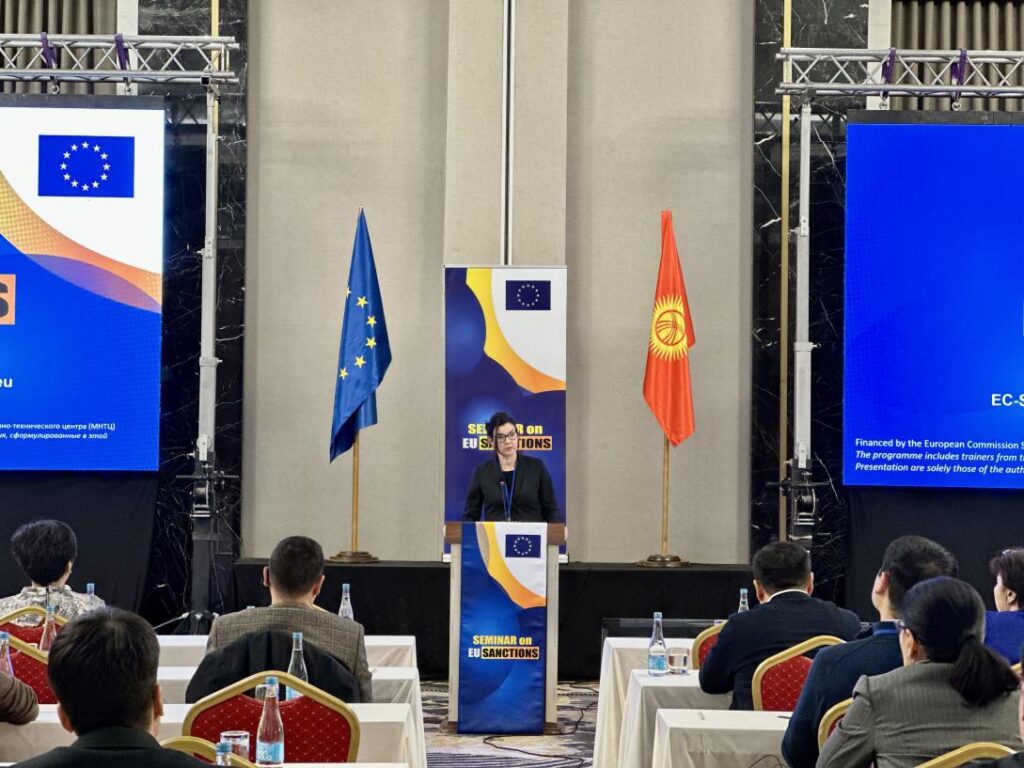
Kyrgyzstan: EU Holds Training Workshops on Sanctions Against Russia

As reported by the press and information team of the Delegation of the European Union to the Kyrgyz Republic, on November 9th and 10th, the European Union organized training workshops in Bishkek, Kyrgyzstan on EU sanctions against Russia, with support from the International Science and Technology Center (ISTC), and the Association of Certified Sanctions Specialists (ACSS). The primary aim of the workshops was to raise awareness of EU sanctions and their application, and to prevent possible circumvention of these measures. On the 9th, the meeting saw government officials gather, whilst the second day was dedicated to a workshop which targeted private operators in Kyrgyzstan interested in improving their awareness of EU sanctions. “I am delighted that so many people from the Kyrgyz authorities and the private sector chose to attend the EU Sanctions Training Seminar this week”, said the acting Head of the EU Delegation to Kyrgyzstan, Ms Lene Volkersen. “It has been great to witness the strong Kyrgyz interest in understanding how EU sanctions work. The ultimate goal of the EU’s sanctions against Russia is to undermine its ability to continue waging war against Ukraine, and we welcome that Kyrgyzstan is not willing to be used as a platform for sanctions circumvention. We look forward to continuing this dialogue with government authorities, as well as private sector”. The training workshops were conducted by a team of EU representatives and sanctions experts, and consisted of presentations and interactive question and answer sessions.

Armenian PM to Stay Away from CIS Summit in Bishkek

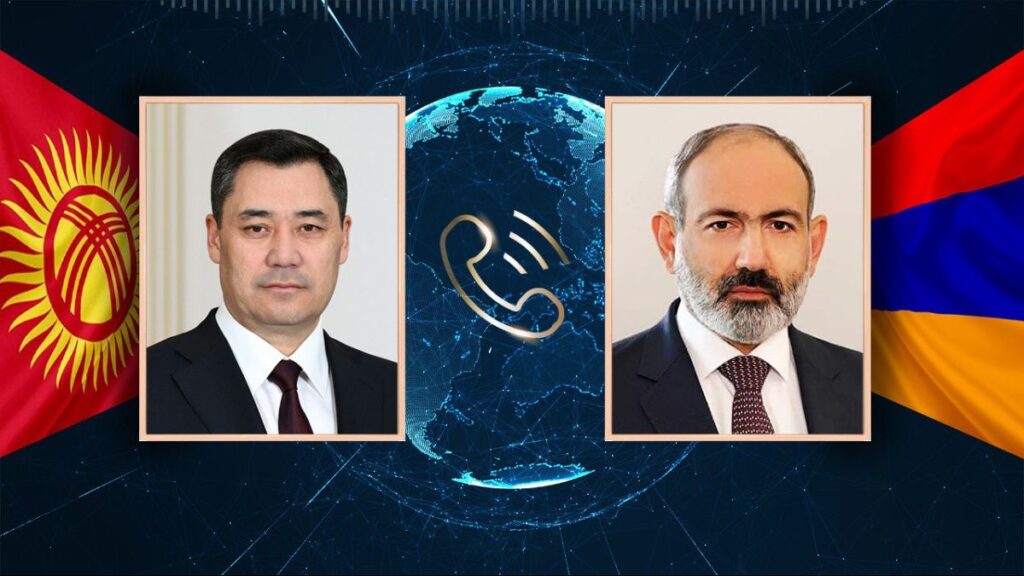
As reported by RFE/RL, Armenian Prime Minister Nikol Pashinyan has opted out of the upcoming summit of the Council of the Leaders of the Commonwealth of Independent States (CIS), slated to be held in Bishkek, the capital of Kyrgyzstan, on October 13. According to the Kyrgyz presidential office on October 10, Pashinyan conveyed to Kyrgyz President Sadyr Japarov his inability to attend the gathering during a phone conversation. This absence underscores a widening gap between Yerevan and Moscow, particularly as Russian President Vladimir Putin is set to participate in the summit. Earlier, Armenia had announced the non-participation of its troops in the ongoing military exercises led by the Russia-led Collective Security Treaty Organization (CSTO) in Kyrgyzstan.

Kyrgyzstan denounces hydro power project agreement with Russia

BISHKEK (TCA) — On December 31 the Government of Kyrgyzstan denounced the Kyrgyz-Russian intergovernmental Agreements on the construction and operation of Kyrgyzstan’s Kambarata-1 hydro power plant and the Upper Naryn cascade of hydro power plants, the Kyrgyz governmental press service said. Continue reading

EU provides 5.7 million euro budget support grant to Kyrgyz education sector

BISHKEK (TCA) — A 5.7 million euro budget support grant for education was transferred on December 29 by the European Union to the treasury account of the Government of the Kyrgyz Republic, the Delegation of the European Union to Kyrgyzstan said. Continue reading