• KGS/USD = 0.01144 0%
  • KZT/USD = 0.00216 0%
  • TJS/USD = 0.10456 0%
  • UZS/USD = 0.00008 0%
  • TMT/USD = 0.28571 0%
  • KGS/USD = 0.01144 0%
  • KZT/USD = 0.00216 0%
  • TJS/USD = 0.10456 0%
  • UZS/USD = 0.00008 0%
  • TMT/USD = 0.28571 0%
  • KGS/USD = 0.01144 0%
  • KZT/USD = 0.00216 0%
  • TJS/USD = 0.10456 0%
  • UZS/USD = 0.00008 0%
  • TMT/USD = 0.28571 0%
  • KGS/USD = 0.01144 0%
  • KZT/USD = 0.00216 0%
  • TJS/USD = 0.10456 0%
  • UZS/USD = 0.00008 0%
  • TMT/USD = 0.28571 0%
  • KGS/USD = 0.01144 0%
  • KZT/USD = 0.00216 0%
  • TJS/USD = 0.10456 0%
  • UZS/USD = 0.00008 0%
  • TMT/USD = 0.28571 0%
  • KGS/USD = 0.01144 0%
  • KZT/USD = 0.00216 0%
  • TJS/USD = 0.10456 0%
  • UZS/USD = 0.00008 0%
  • TMT/USD = 0.28571 0%
  • KGS/USD = 0.01144 0%
  • KZT/USD = 0.00216 0%
  • TJS/USD = 0.10456 0%
  • UZS/USD = 0.00008 0%
  • TMT/USD = 0.28571 0%
  • KGS/USD = 0.01144 0%
  • KZT/USD = 0.00216 0%
  • TJS/USD = 0.10456 0%
  • UZS/USD = 0.00008 0%
  • TMT/USD = 0.28571 0%

Viewing results 1357 - 1362 of 2449

Two Arrested Over Calls for Milk Riots in Kyrgyzstan

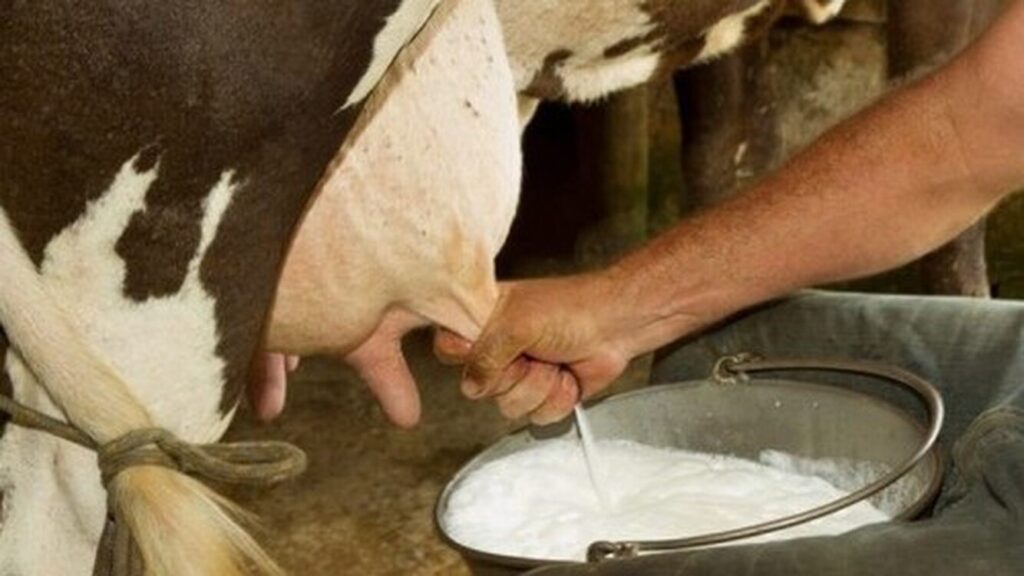
In the Issyk-Kul region, citizens suspected of calling for mass riots have been detained; this was reported by 24.kg citing the State Committee for National Security (GKNB) press center. According to the GKNB, two citizens used WhatsApp messenger to agitate local farmers and organize riots in groups with over a thousand participants, calling for blockades and taking milk truck drivers hostage. These actions are related to the seasonal decrease in milk prices due to its low-fat content. Experts confirmed the presence of calls to organize mass riots in the audio recordings. A criminal case has been opened, and an investigation is underway. The GKNB urged citizens to observe public order and not to give in to provocations spread through social networks.

Kyrgyzstan and IFC Sign Agreement on Two Solar Power Plant Projects

On 10 June, the Ministry of Energy and the Ministry of Economy and Commerce of the Kyrgyz Republic signed an agreement with the International Finance Corporation (IFC) on the implementation of two solar power plant projects in the country’s Batken and Talas regions. According to the Ministry of Economy and Commerce, the agreement is a continuation of cooperation between the Kyrgyz government and IFC on the construction of solar power plants with a total capacity of up to 500 MW in Kyrgyzstan. In the first phase of this collaboration, IFC helped the Kyrgyz Republic conduct a comprehensive analysis for a pilot project for a 100-150 MW solar power plant planned in the Kochkor district of Naryn region, and is currently helping to attract private investors in its implementation. The second stage will include two solar plants, each with a capacity of 100-150 MW, in the Batken and Talas regions.  

Donor Coordination Committee Established for Kyrgyzstan’s Kambarata HPP-1 Project

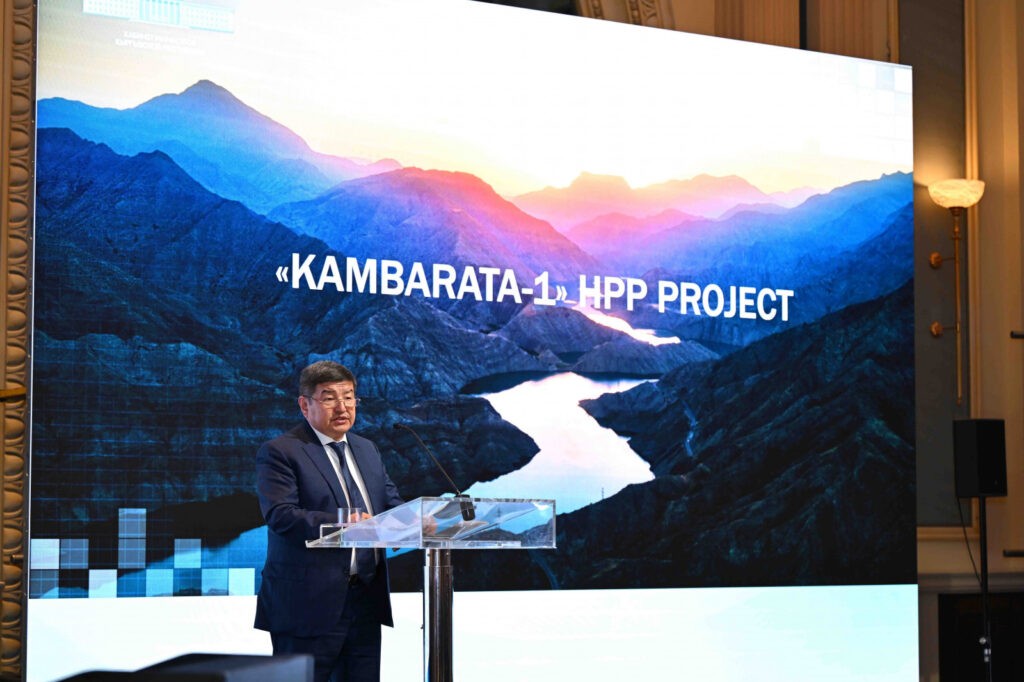
The Kyrgyz Republic International Energy Investment Forum, held in Vienna, on June 10, concluded with the establishment of a Donor Coordination Committee for the construction of Kambarata HPP-1 hydropower plant in Kyrgyzstan. The Kyrgyz Cabinet of Ministers said that the doors are open to interested parties but to date, the committee comprises major international financial institutions and development partners, including the World Bank, the OPEC Fund, the Asian Development Bank, the Asian Infrastructure Investment Bank, the Islamic Development Bank, and the European Bank for Reconstruction and Development. The Committee’s first meeting is scheduled for autumn this year. An inter-ministerial agreement on cooperation on the Kambarata HPP-1 project was also signed by the Ministries of Energy of the Kyrgyz Republic, Kazakhstan, and Uzbekistan. Summarizing the outcome of the forum, Chairman of the Cabinet of Ministers of the Kyrgyz Republic Akylbek Japarov announced: “We have made significant progress in establishing contacts and a common understanding of further actions. I am confident that the created Donor Coordination Committee will be a continuation of actions to implement the national project — the construction of Kambarata HPP-1.” Japarov told forum participants that “According to experts, by 2050 the population in Central Asia will increase by 27%, the demand for food by 35%, and the consumption of drinking water by 50%. At the same time, water is the main artery of life in the countries of the Central Asian region. Countries located at the sources of large rivers account for 80.7% of the region’s total water flow.” Regarding different countries’ priorities for water usage - downstream Kazakhstan and Uzbekistan use water in irrigation mode in summer, and upstream Kyrgyzstan and Tajikistan, in energy mode in winter -he warned “This situation affects the energy and food security in the region.” He then provided a more detailed report on the Kambarata HPP-1 project: “Kambarata HPP-1 is located at the source of the glaciers. Effective operation of this power plant will allow the accumulation and rational use of water resources of the Toktogul reservoir. The Kambarata HPP-1 construction project has broad economic, environmental, and social benefits and prospects for both Kyrgyzstan and the Central Asian region. The project will provide the Kyrgyz Republic and Central Asia with clean energy at the lowest cost, which entails lower costs of the energy transition in the region. Electricity generation at hydroelectric power plants will reduce emissions of pollutants into the atmosphere.” Reiterating the project’s key importance in meeting the growing demand for energy and increasing energy security in the region, Japarov continued: “The power plant will be sited in the upper reaches of the Naryn River. Its installed capacity will be 1,860 megawatts with an average annual generation of 5.6 billion kilowatt-hours of electricity. The preliminary construction estimate is more than $4 billion. The master plan of Kambarata HPP-1 includes a rock-fill dam, a hydroelectric power plant building with four hydraulic units, construction and operational spillways and transport tunnels, a residential village [for personnel], a reservoir and water treatment facilities.” He confirmed...

Elite Kyrgyz Climber Gets Warm Homecoming After Himalayan Ascents

A 52-year-old climber from Kyrgyzstan has returned home after scaling two of the worlds’ highest peaks in a 10-day span in May. He said he climbed both Himalayan mountains without supplemental oxygen. Eduard Kubatov, head of Kyrgyzstan’s mountaineering federation, was welcomed with flowers at Manas International Airport in Bishkek on Thursday after climbing the Lhotse and Makalu mountains, which are both more than 8,000 meters above sea level. Kubatov, who ascended Mount Everest three years ago, previously said he wanted to climb K2 in Pakistan this month in his bid to summit the 14 mountains internationally recognized as “eight-thousanders.” Kubatov and climbing sherpa Dawa Chhiring got to the top of Makalu on May 30, 10 days after Kubatov summited Lhotse, said 14 Peaks Expedition, a trekking company based in Nepal that assisted him. The Kyrgyz climber said on Instagram that both ascents were “non-oxygen,” meaning he took on the greater challenge of ascending without bottled oxygen, and that he accomplished “the first major mountaineering double in the history of Kyrgyz mountaineering.” Climbing the world’s highest mountains without supplementary oxygen can be about 40% harder and so few climbers go without it that they are “like an endangered species,” Kubatov said on Facebook. “It is extremely honorable and highly valued in the world mountaineering system!” said Kubatov, adding that he believes stronger Kyrgyz climbers will eclipse his accomplishments in the future. In 1978, Reinhold Messner and Peter Habeler became the first people to climb without supplemental oxygen to the summit of Everest, the world’s highest mountain at 8,849 meters above sea level. Messner was also the first person to climb all 14 so-called “eight-thousanders.” Veteran climber Tim Mosedale has said there will always be a debate about using supplemental oxygen to climb the highest mountains. “Whether or not it is viewed as being ethical, it is undoubtedly sensible,” he wrote. “After all, a client who becomes debilitated puts the lives of other climbers, and the Climbing Sherpas, at risk.” Kubatov returned to Bishkek with other Kyrgyz climbers who also climbed in Nepal. Ilim Karypbekov became the fourth Kyrgyz citizen to summit Everest, and Kadyr Saidilkan, who climbed Everest last year, added Lhotse to his list of accomplishments on this year’s trip. Kyrgyzstan has a strong mountaineering tradition, and several peaks in the Central Asian country are in the 7,000-meter range.

Child Malnutrition Hits Central Asia

In its recently published report “Child Food Poverty 2024,” UNICEF has identified 63 countries, including four Central Asian countries, where child malnutrition has reached a  crisis point. Severe child food poverty threatens the survival, growth, and development of an estimated 181 million children under five globally, denying them the opportunity to escape social and economic deprivation. As stated in the report, “Child food poverty harms all children, but it is particularly damaging in early childhood when insufficient dietary intake of essential nutrients can cause the greatest harm to child survival, physical growth, and cognitive development. The consequences can last a lifetime: children deprived of good nutrition in early childhood perform worse in school and have lower learning capacity in adulthood, trapping them and their families in a cycle of poverty and deprivation.” The indicator of food ration determines children’s food security. It was developed by UNICEF and the World Health Organization (WHO). For healthy growth and development, children should consume at least five products from the following eight groups: Breast milk Grains, roots, tubers, and plantains Pulses, nuts, and seeds Dairy products Fresh foods Egg Vitamin A-rich fruits and vegetables Other fruits and vegetables. If children consume products that belong to just two groups, they live in extreme nutritional poverty; if they consume products belonging to three-four groups, they live in a moderate state related to nutrition. If they consume products belonging to five or more groups, they are considered not to be in a poor situation related to nutrition. Uzbekistan and Kyrgyzstan have average levels of child malnutrition, Turkmenistan has a low level, and Tajikistan has a high level.

South Korea Set to Intensify Cooperation with Central Asia

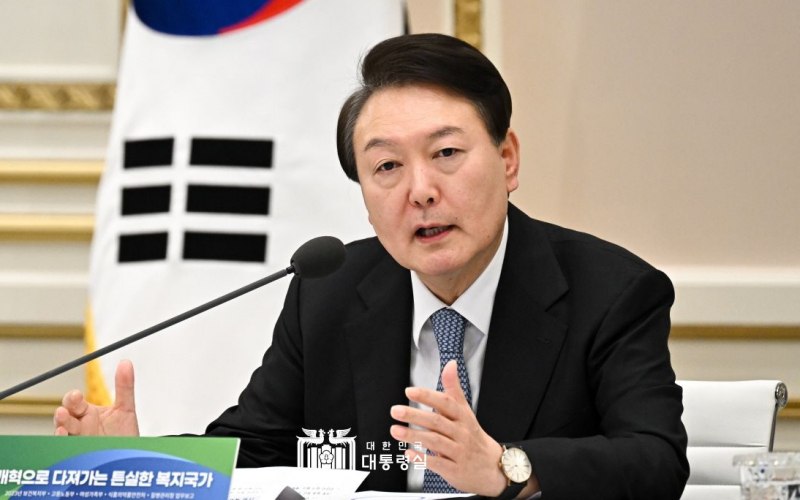
With the intention of  intensifying  cooperation between Seoul and Central Asia, South Korean President Yoon Suk-Yeol will make a state visit to three Central Asian countries from 10-15 June. As reported by Kim Tae-hyo First Deputy Director of the National Security Office of the Presidential Administration, President Yoon Suk-Yeol accompanied by his wife Kim Gong Hee, will visit Turkmenistan, Kazakhstan, and Uzbekistan and engage in talks with the countries' leaders as well as participate in business forums. Kim Tae-hyo emphasized that South Korea aims to intensify diplomacy and cooperation with Central Asia through wide-ranging efforts. These include a regular summit of the Korea-Central Asia K-Silk Road Initiative, the first of which will be hosted by Seoul next year. “Through this initiative, we intend to promote the joint, free, and peaceful development and prosperity of Korea and the Central Asian region,” stated Kim Tae-hyo The main areas of cooperation under the Initiative include the development of four key sectors : natural resources, official development assistance, cultural and people-to-people exchanges, and enhanced official and private contacts. Areas for cooperation will be identified and prioritized in each of the five Central Asian countries :Kazakhstan, Kyrgyzstan, Turkmenistan, Uzbekistan and Tajikistan. Cooperation in Kazakhstan will focus on energy and infrastructure; in Kyrgyzstan, water resources and tourism, and in Turkmenistan, constructing energy plants. Seoul makes no secret of its high interest in the region's rich natural resources, including uranium, lithium and tungsten.