Viewing results 307 - 312 of 462
BISHKEK (TCA) — Amid reports on Russia’s alleged contacts with the Taliban, apparently in an effort to strengthen Moscow’s position and influence in Afghanistan and Central Asia, we are republishing this article by Stephen Blank, originally published by The Jamestown Foundation’s Eurasia Daily Monitor: Continue reading
LONDON (TCA) — Are the governments of Central Asia’s post-Soviet republics taking effective action to root out the phantom of terrorism lurking in all corners of the region? The awkward question was carefully avoided during the latest peace talks on Syria in Astana. Fact remains, however, that thousands of nationals of Russia, Kazakhstan, Kyrgyzstan, Tajikistan, Turkmenistan and (most of all) Uzbekistan are “fighting” in Syria and northern Iraq. In the meantime a rather large number of them are also spreading over the world to replace terrorists originating from the Near-East to spread new waves of havoc, while others “bring terror home” by returning to their countries of origin ready to carry out attacks on their own communities. However, so far nobody has properly mapped the overall situation. Continue reading
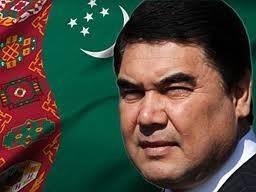
ASHGABAT (TCA) — December 2016 marked an important anniversary for Turkmenistan: ten years since the country’s autocratic ruler Saparmyrat Niyazov passed away in December 2006, giving the way to power to the current president, Gurbanguly Berdymukhammedov. During the last decade he has tried to change, at least on a propaganda level, Turkmenistan's place within the international system, but failing to achieve the main objective: diversification of Turkmen gas export routes. Continue reading
BISHKEK (TCA) — Is Astana going to become a regular meeting point for squabbling parties in troubled corners of the world, shooting it out at home but inclined to compromise to spare lives and economies? The results of the talks on the situation in Syria, which ended with mostly a confirmation of the status quo excluding any outlook of a longer-term political situation in Syria, are an ambiguous indication of such a prospect. UN Special Envoy for Syria, Staffan de Mistura was quoted as stating: "Kazakhstan, under the leadership of President (Nursultan) Nazarbayev, has provided a remarkable contribution to our efforts to push for peace in Syria." Continue reading
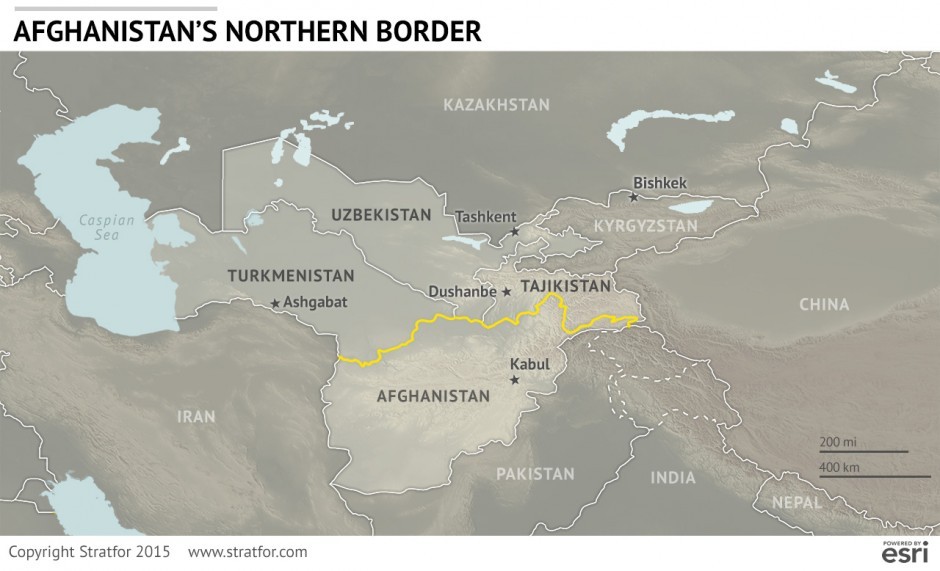
BISHKEK (TCA) — On 26th January India will celebrate its national day. It will be a day of celebration and confrontation between great achievements and the ambition to become a global player. Problems at home, as fiscal constraints and a demographic explosion, limit the country’s investment and economic development, and although New Delhi has been looking internationally for a quite some time, it has so far not been able to develop a proper strategy toward Central Asia. There is no doubt that a more result oriented policy toward an expanded Central Asia may help India achieve a better result and undisputed links for its business. The situation with Pakistan and China is far from being resolved, and it certainly restrains additional investments and creates barriers toward a global role for India irrespective of its consistent economic growth. The Times of Central Asia is republishing this article of Stratfor under its Geopolitical Diary: Continue reading
LONDON (TCA) — What is at stake at the upcoming negotiations in Astana between the parties involved in the terrible civil war in Syria? The fact that the Syrian government and most (though not all) of the so-called moderate opposition have promised to be present means little. Those “moderate” groups are in fact armed militias grouped around political chiefs after the notorious model of Lebanon during its 16-year civil war. Iran, Turkey, Russia and most European states appear to be willing to live with that. Two wildcards remain: the USA and Saudi Arabia. Continue reading