• KGS/USD = 0.01144 0%
  • KZT/USD = 0.00211 0%
  • TJS/USD = 0.10460 0.19%
  • UZS/USD = 0.00008 0%
  • TMT/USD = 0.28490 0%
  • KGS/USD = 0.01144 0%
  • KZT/USD = 0.00211 0%
  • TJS/USD = 0.10460 0.19%
  • UZS/USD = 0.00008 0%
  • TMT/USD = 0.28490 0%
  • KGS/USD = 0.01144 0%
  • KZT/USD = 0.00211 0%
  • TJS/USD = 0.10460 0.19%
  • UZS/USD = 0.00008 0%
  • TMT/USD = 0.28490 0%
  • KGS/USD = 0.01144 0%
  • KZT/USD = 0.00211 0%
  • TJS/USD = 0.10460 0.19%
  • UZS/USD = 0.00008 0%
  • TMT/USD = 0.28490 0%
  • KGS/USD = 0.01144 0%
  • KZT/USD = 0.00211 0%
  • TJS/USD = 0.10460 0.19%
  • UZS/USD = 0.00008 0%
  • TMT/USD = 0.28490 0%
  • KGS/USD = 0.01144 0%
  • KZT/USD = 0.00211 0%
  • TJS/USD = 0.10460 0.19%
  • UZS/USD = 0.00008 0%
  • TMT/USD = 0.28490 0%
  • KGS/USD = 0.01144 0%
  • KZT/USD = 0.00211 0%
  • TJS/USD = 0.10460 0.19%
  • UZS/USD = 0.00008 0%
  • TMT/USD = 0.28490 0%
  • KGS/USD = 0.01144 0%
  • KZT/USD = 0.00211 0%
  • TJS/USD = 0.10460 0.19%
  • UZS/USD = 0.00008 0%
  • TMT/USD = 0.28490 0%

Viewing results 823 - 828 of 1486

Ruins of a Sixth-Century Castle Discovered in Tajikistan

Archaeologists have found the ruins of an ancient castle in the Tajik city of Penjikent, the National Museum of Tajikistan has reported on its social networks. The ruins were found by an archeology specialist from the museum, Muhsin Bobomulloyev. The castle likely consisted of two floors, the first made from wood, the second constructed from raw bricks. “The historical period corresponds to the VI-VIII centuries, the castle was destroyed and burned because of the invasion of foreigners. Ashes and traces of soot on the walls of the memorial corridor are proof of this,” the museum says. Also, small objects – copper and silver coins, rings, and ornaments -- have been uncovered. The museum plans to add the castle to the register of historical and cultural monuments in Tajikistan. “The work does not end there: in July-August of this year, Tajik archaeologists will conduct additional research on the monument together with specialists of the State Hermitage of Russia,” the museum adds.

Villagers in Tajikistan Building a Hospital With Their Own Funds

In the village of Kalai Dust in Tajikistan, locals have begun building a hospital on their own. Currently, there isn't even an outpatient clinic, and women go to a neighboring village to give birth, Radio Ozodi reports. Local entrepreneurs together with migrant workers from the village have already collected half of the sum of 8 million somoni required ($740,000). "According to the project, there will be 16 wards. Zoning is envisioned - on the lower floor there will be a maternity ward and on the second floor a children's hospital for children up to 12-years-old... [It's] on the initiative of our migrants working in Russia, thanks to them: they organized it," said Asliddin Tojizoda, a resident of the village. Residents hope that when the hospital is built, albeit at the expense of the villagers themselves, it will be fully transferred to the state and the authorities will provide it with the necessary specialists. The village needs doctors very badly. Approximately 30 hectares of land have been allocated for the hospital in a plot adjacent to the local school. According to some villagers, while people were collecting money, the local authorities gave part of the land for private construction; now, residents are trying to challenge the officials' decision and return the land to public use. They are filing a collective complaint against the district chairman.

Tajikistan To Reconnect To Central Asia’s Unified Energy System

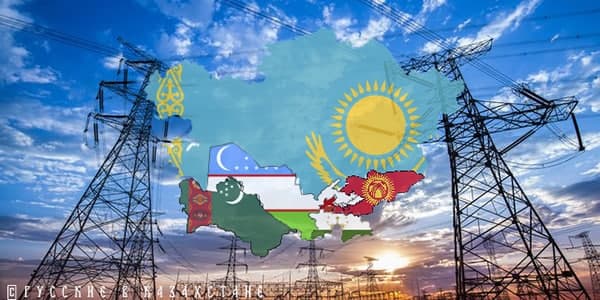
Tajikistan will soon connect itself to Central Asia's unified energy system. The unified system for energy distribution was created in 1960, when the systems of Uzbekistan, southern Kyrgyzstan, northern Tajikistan and southern Kazakhstan's Shymkent junction were connected to work in parallel through 110- and 220-kV power lines. This system operated in isolation from the Soviet Union's general scheme. In 2003 Turkmenistan left the energy system, having decided that it was able to provide itself with electricity on its own. And in early November 2009, the entire southern part of the Tajik energy system was automatically de-energized due to a spontaneous shutdown of units at the Nurek HPP. Tajikistan and the south of Uzbekistan remained without electricity for a day. After that Uzbekistan announced its withdrawal from the energy "ring". After that Uzbekistan completely de-energized the lines connecting its energy system with the Tajik system. As a result, Tajikistan's energy system automatically remained isolated from the rest of the region. Thus, the system ceased to exist as such in 2009, but was recreated again in 2019. Currently, it includes Kazakhstan, Uzbekistan, and Kyrgyzstan.

IFC to Support Central Asian Tech Startups With New Fund

The International Finance Corporation (IFC) is allocating $5 million to a new fund that will be used to support technology startups in Central Asia, Gazeta.uz reports. IFC is reportedly investing in Sturgeon Emerging Opportunities, a new venture capital fund managed by Sturgeon Capital, a major venture capital investor in emerging markets. Sturgeon Emerging Opportunities will focus on supporting startup projects in areas such as fintech, business-to-business platforms, agri-tech, healthcare and education. The investment in Sturgeon is part of IFC's Startup Catalyst program, which aims to address financial challenges in undervalued venture capital ecosystems by investing in incubators, gas pedals and funds in emerging markets. "The fund will help start-up entrepreneurs to expand their businesses, improve operational efficiency and create long-term employment opportunities," the statement said. Besides investing  in projects in Central Asia, the fund also intends to work in other emerging markets such as Egypt and Pakistan. Sturgeon Capital estimates that the IT startup market in these countries could generate nearly $300 million in annual digital revenue by 2030. However, startups in these countries are currently struggling to raise capital to launch and scale their products and services.

U.S. Authorities Asked to Sanction Violators of Religious Freedoms in Tajikistan

In early May, the U.S. Commission on International Religious Freedom (USCIRF) published its annual report on violations of religious freedom around the world. As a result of the report, the Commission called on the U.S. government to impose targeted sanctions against government agencies and officials in Tajikistan responsible for serious violations of religious freedom. This is reported by Radio Ozodi. The U.S. Commission on International Religious Freedom (USCIRF) is an independent, bipartisan federal government organization created by the U.S. Congress to monitor, analyze, and report on religious freedom abroad. USCIRF makes foreign policy recommendations to the President, Secretary of State, and Congress to deter religious persecution and promote freedom of religion and belief. Its annual report describes and evaluates U.S. international religious freedom policy. USCIRF criticizes the Tajik authorities for punishing oppositionists and critics of Emomali Rahmon's government under the pretext of combating extremism, closing mosques due to failure to fulfill the plan to draft into the Armed Forces of Tajikistan, restricting the activities of certain Aga Khan-related facilities in the Gorno-Badakhshan Autonomous Oblast, banning the activities of Jehovah's Witnesses, etc. The Commission emphasizes that the situation of religious freedom in Tajikistan, despite earlier recommendations, did not improve in 2023. "In 2023, the government of Tajikistan continued to restrict the religious activities of citizens, including those living abroad," the report states. For this reason, the Commission recommended that the U.S. government impose targeted sanctions against government agencies and officials responsible for serious violations of religious freedom, freeze their assets, and bar them from entering the United States. A similar recommendation was announced last May. USCIRF also called on the U.S. State Department to place Tajikistan, along with 16 other countries, on a "red" list of countries "of particular concern" because their governments commit or tolerate particularly serious violations of the right to freedom of religion or belief. In addition to Tajikistan, the list includes Burma, China, Cuba, Nicaragua, North Korea, Pakistan, Russia, Saudi Arabia, Turkmenistan, Vietnam and others. The Tajik authorities have not yet responded to the report, but the Tajik Committee on Religious Affairs responded to Radio Ozodi's request in January this year that it "considers the situation with religious freedom in the country to be good" and "not all the data in the reports correspond to reality". Tajikistan's challenges with violent extremism were highlighted recently following the claim by an offshoot of the Islamic State terrorist group, known as Islamic State-Khorasan, for the April attack on the Crocus City concert hall outside Moscow, which resulted in at least 143 fatalities. Russian investigators have determined that the assault was carried out by four individuals, all of whom were identified as Tajik nationals.

Prosecutor General’s Office of Tajikistan and U.S. State Department Sign Memorandum of Cooperation

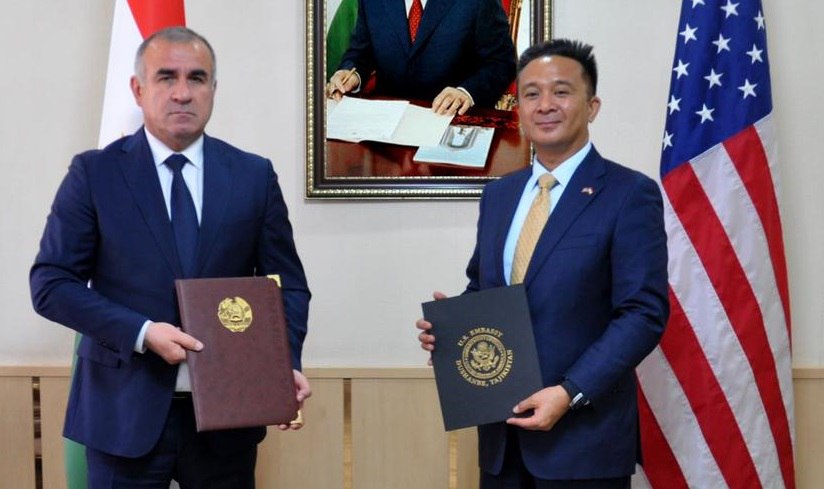
Tajikistan and the U.S. have agreed to continue bilateral legal cooperation in various areas, as reported by the General Prosecutor's Office of the Republic of Tajikistan. During the meeting, Prosecutor General of Tajikistan, Rahmon Yusuf Ahmadzoda and the U.S. Ambassador to the Tajikistan, Manuel Mikaller discussed issues related to the exchange of information on challenges and threats to the security of both states, the protection of the rights and interests of citizens, preventing and combating manifestations of violent extremism and terrorism, cyber-crime, transnational organized crime, and other issues. A Memorandum of Intent on cooperation on the implementation of the Personal Identity Comparison and Evaluation System to Regulate the Movement of Terrorists (PISCES) was signed. "This system allows the movement of terrorists to be tracked through extensive technological surveillance, as well as assisting in their capture and apprehension," the report stated.