• KGS/USD = 0.01144 0%
  • KZT/USD = 0.00202 0%
  • TJS/USD = 0.10399 -0.29%
  • UZS/USD = 0.00008 0%
  • TMT/USD = 0.28490 0%
  • KGS/USD = 0.01144 0%
  • KZT/USD = 0.00202 0%
  • TJS/USD = 0.10399 -0.29%
  • UZS/USD = 0.00008 0%
  • TMT/USD = 0.28490 0%
  • KGS/USD = 0.01144 0%
  • KZT/USD = 0.00202 0%
  • TJS/USD = 0.10399 -0.29%
  • UZS/USD = 0.00008 0%
  • TMT/USD = 0.28490 0%
  • KGS/USD = 0.01144 0%
  • KZT/USD = 0.00202 0%
  • TJS/USD = 0.10399 -0.29%
  • UZS/USD = 0.00008 0%
  • TMT/USD = 0.28490 0%
  • KGS/USD = 0.01144 0%
  • KZT/USD = 0.00202 0%
  • TJS/USD = 0.10399 -0.29%
  • UZS/USD = 0.00008 0%
  • TMT/USD = 0.28490 0%
  • KGS/USD = 0.01144 0%
  • KZT/USD = 0.00202 0%
  • TJS/USD = 0.10399 -0.29%
  • UZS/USD = 0.00008 0%
  • TMT/USD = 0.28490 0%
  • KGS/USD = 0.01144 0%
  • KZT/USD = 0.00202 0%
  • TJS/USD = 0.10399 -0.29%
  • UZS/USD = 0.00008 0%
  • TMT/USD = 0.28490 0%
  • KGS/USD = 0.01144 0%
  • KZT/USD = 0.00202 0%
  • TJS/USD = 0.10399 -0.29%
  • UZS/USD = 0.00008 0%
  • TMT/USD = 0.28490 0%

Viewing results 841 - 846 of 1408

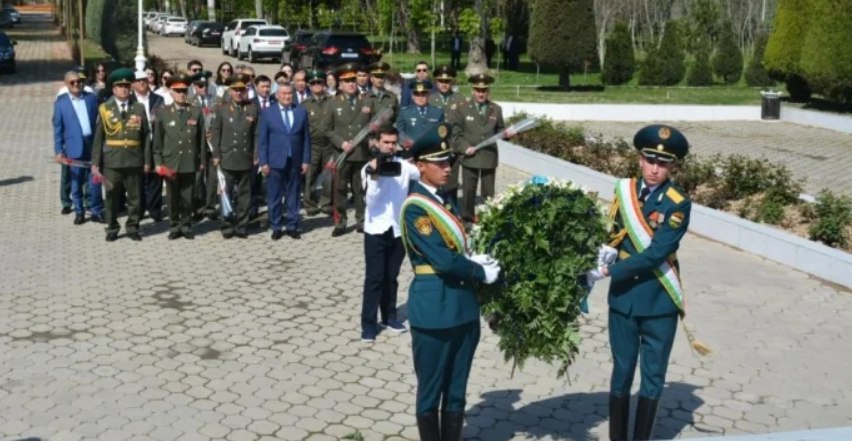
Flowers Laid at Tajikistan’s Monument to Kazakh Soldiers

On April 11, a wreath-laying ceremony was held at the monument to the Kazakh soldiers who died on April 7, 1995, while guarding the external borders of the Commonwealth of Independent States (CIS) on the Tajik-Afghan border, according to a report from Avesta. Officials taking part in the ceremony included Kazakhstan's Ambassador Extraordinary and Plenipotentiary to Tajikistan, Valikhon Turekhanov, representatives of the Union of Honorary Internationalists of Tajikistan, veterans of the Border Service, and active military personnel from Tajik armed forces. The participants at the event noted that the Kazakh soldiers had performed their military duty at the cost of their lives, whilst all the while remaining faithful to the military oath. The monument commemorating the bravery of the Kazakh soldiers was opened on December 15, 2007, in the Firdavsi recreation park in Dushanbe. In 2021, the park was renovated and restored with the support of the Embassy of Kazakhstan in Tajikistan, the Ministry of Defense and National Guard of the Republic of Kazakhstan, and other public organizations. On April 7, 1995, the seventh joint company of the Kazakh military was attacked by mujaheddin in a gorge at Pshikharv Mountain on the Tajikistan-Afghanistan border. The militants were defeated in the ensuing battle.

Tajik Islamic State Member Ilhomi Sayrahmanzoda Captured in Italy

Italian police have arrested a Tajik member of the Islamic State (IS) terrorist group, according to a report by the ANSA news agency. According to police in Rome, 32-year-old Ilhomi Sayrahmanzoda was arrested at the city's Leonardo da Vinci–Fiumicino Airport after arriving on a flight from the Dutch city of Eindhoven. He had been wanted internationally since 2014 for fighting for IS in the war in Syria. Italian police established that Sayrahmanzoda was still an active member of IS, and had been using various aliases, connected with passports of Uzbekistan, Kyrgyzstan and Ukraine, to hide from law enforcement agencies. €2,000 in cash was confiscated from him, as well as a mobile phone, with which investigators are planning to identify whether Sayrahmanzoda had any connections in Italy. “His arrival in Rome raises troubling questions: did he have anything planned here? Has he hired anyone before? Were they waiting for him? His citizenship was a key factor in his arrest on March 22 amid heightened tensions surrounding the Crocus City Hall bombing. However, so far, there are no elements that indicate his involvement in this movement,” the ANSA report said. Italy is currently considering Tajikistan's request to extradite Sayrahmanzoda. Italian interior minister Matteo Piantedosi said the arrest was “a very important result, the result of an effective preventive action against the threat of terrorism.”

No Central Asian Country Can Cope With Floods, Droughts On Its Own, Expert Tells TCA

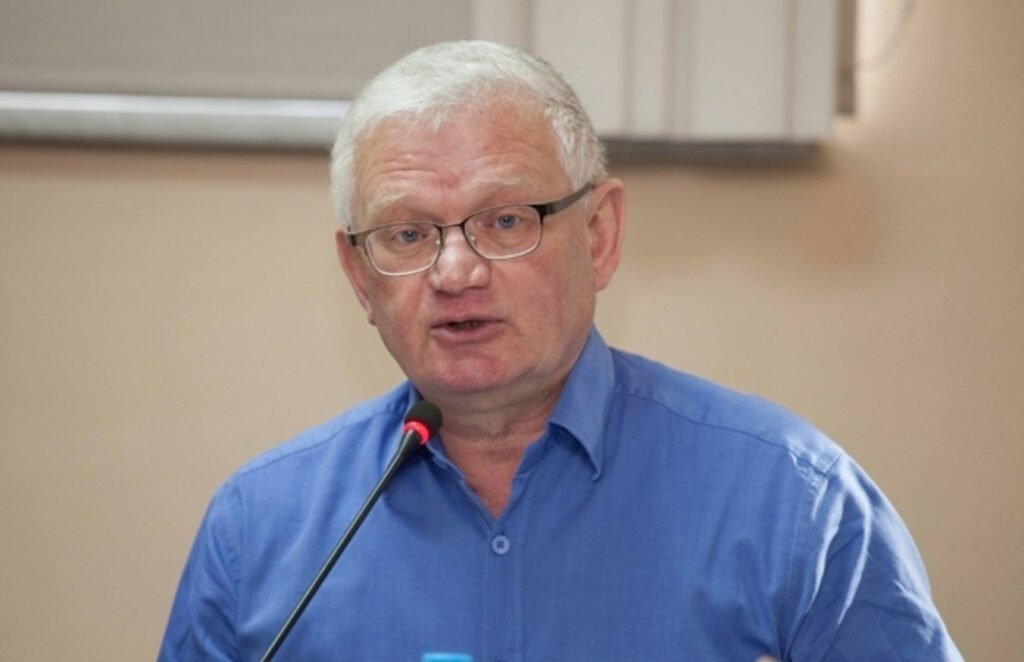
Lack of funds, the predominantly commodity-based nature of their economies, and the inability to reach agreement at a national level make the Central Asian republics vulnerable to natural disasters, Dr. Petr Svoik, Ph.D, a Kazakhstani economist and former head of the Anti=monopoly Policy Committee has told the Times of Central Asia.   Between Low Water and Flood Last year was marked by a drought in Kazakhstan, and at a critical moment for farmers, neighboring Kyrgyzstan stopped supplying water from the Kirov reservoir to the Zhambyl region, with the Kyrgyz authorities explaining that they were forced to cut off the water supply because of a severe shortage of water resources in the Chu and Talas Rivers for their own agricultural producers. Additionally in 2023, experts stated that the entire Eurasian region is entering a period of low water levels, which means agricultural and livestock sectors are threatened with permanent damage from drought. For Kazakhstan, the water problem is particularly acute, as many of the main water arteries are trans-boundary. This is true not only of the southern regions, but also along the Caspian Sea, which is supplied by Russia's Volga River, and the regions dependent on the Ural River in northwest Kazakhstan, which are at risk of drying up. However, the spring of 2024 has been marked by historic flooding. As of today, according to Kazakhstan's Ministry of Emergency Situations, ten regions of Kazakhstan are subject to flooding, with even multi-story buildings flooded in the regional centers of Kostanay, Aktobe and Atyrau. In a few days, according to the Ministry of Emergency Situations, a "wave" from Russia, where the major cities of Orsk and Orenburg are in danger, will come to Kazakhstan. Such a natural disaster hasn't happened in about 80 years, President Tokayev said. Drought and floods carry extraordinary costs, not to mention social damage. Every year, Kazakhstani villagers claim they are on the brink of ruin, and the state budget allocates significant funds to support them. As for floods, according to the World Bank, more than 1.1 million people have been affected in the five Central Asian states alone since the collapse of the Soviet Union. Each year, natural disasters in the region cause more than $10 billion in losses and affect the lives of nearly 3 million people. In Kazakhstan alone, 1.5 million people are at risk from river overflows, according to the Ministry of Emergency Situations. The country has allocated 7 billion tenge ($15.653 billion) for flood control in 2024 - but these funds are inadequate.   Political and Economic Losses  According to Petr Svoik, floods represent reputational losses for the authorities. The population loses property and faith in the authorities' ability to do something. Moreover, floods by definition have a high degree of predictability because of meteorological forecasts. "What is the problem of predicting the volume of water discharge in a couple of weeks, taking into account which reservoirs will overflow, and which ones need to be strengthened? For some reason, the authorities do not use...

Tajikistan and EU Enter Third Round of Negotiations on Partnership and Cooperation

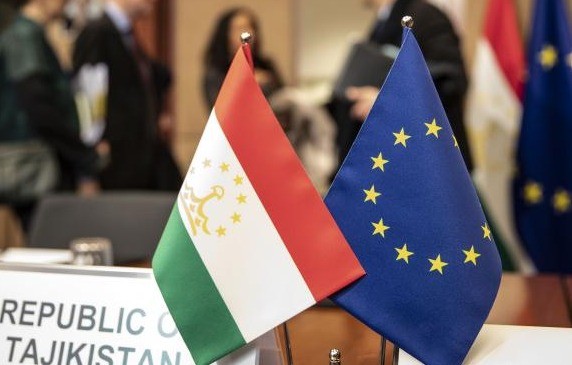
On April 8 and 9, Luc Devigne, Deputy Managing Director for Europe and Central Asia at the European External Action Service, and Ismatullo Nasredin, First Deputy Minister of Foreign Affairs of Tajikistan convened in Dushanbe for a third round of negotiations on a new comprehensive framework for strengthening their bilateral relations. According to the Delegation of the European Union to Tajikistan, the negotiations for an Enhanced Partnership and Cooperation Agreement (EPCA), launched in February 2023, represent an important milestone in the EU’s relations with Tajikistan. In line with the EU-Central Asia Strategy, it aims to strengthen cooperation regarding political relations, trade, key economic sectors, as well as the rule of law and human rights. The EU Delegation reported that substantial progress had been made during the third round of negotiations between European Union and Tajikistan, and in the future, the EU-Tajikistan Partnership and Cooperation Agreement, in place since 2010, will be known as the EPCA.

Turkey Cancels Visa-Free Regime for Citizens of Tajikistan

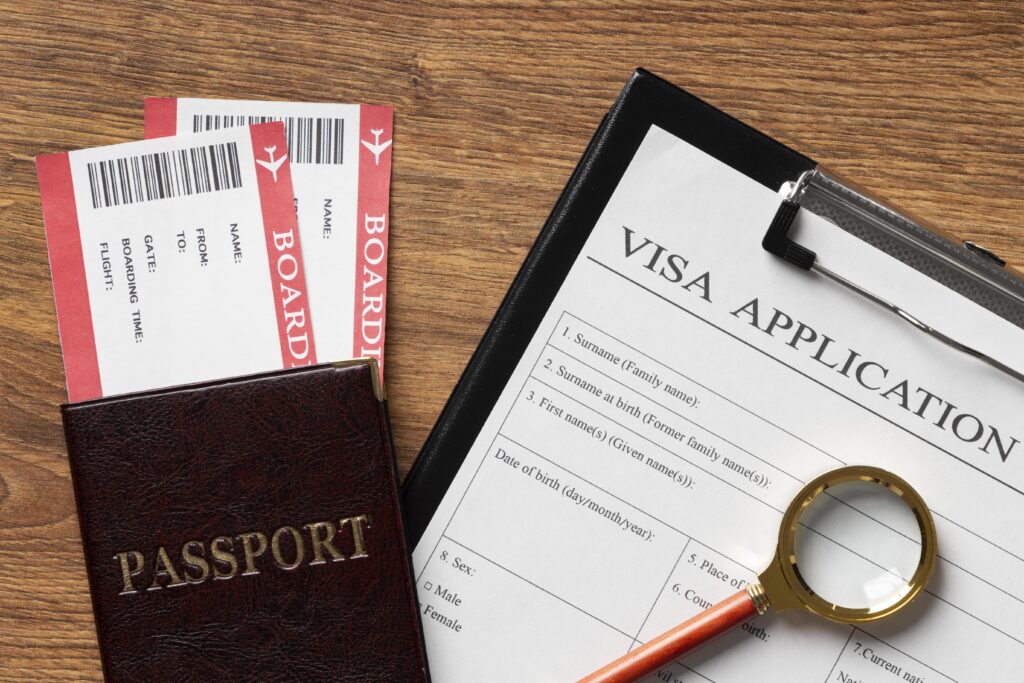
From 20 April, citizens of Tajikistan will have to obtain a visa to travel to the Republic of Turkey. That's according to a decree signed by Turkish President, Recep Tayyip Erdogan. The reasons for this decision remain unclear, but it's noted that the visa regime is a temporary measure. Entry documents will be issued in Dushanbe and at other Turkish diplomatic missions. Those traveling through Turkey in transit will not require a visa. Tajik Foreign Ministry spokesman, Shohin Samadi, said as of April 6, Dushanbe had not received an official notification from Turkey regarding the introduction of a visa regime. Nevertheless, he said, the issue of retaliatory measures for Turkish citizens is being worked out.  Up until this juncture, residents of the two countries could stay on the territory of the other for up to 30 days without a visa. Some Russian media rushed to link these innovations with the March 2024 terrorist attack at the Crocus City Hall, which killed 144 people and injured 551. Among the 11 people arrested on suspicion of the terrorist attack, the majority are citizens of Tajikistan. According to various sources, the cell of Islamic State (ISIS) in Afghanistan - also known as "Wilayat Khorasan" - which claimed responsibility for the incident, was training terrorists inside of Turkey. To that point, Turkish newspaper Hurriyet wrote that two supporters of ISIS who were planning to carry out a attack were detained in Istanbul. Among them was a 37-year-old citizen of Tajikistan. On March 26, Turkish Interior Minister, Ali Yerlikaya, said that 147 people were detained on suspicion of links with the terrorist organization. Following the attack on the Crocus City Hall near Moscow, Tajiks in Russia faced a wave of aggression and hatred. Tajikistan's Government is urging its citizens to avoid traveling to Russia unless necessary, and in light of possible Russian rule changes targeting migrant workers from Central Asia, many Tajiks and others may be ready to leave Russia.

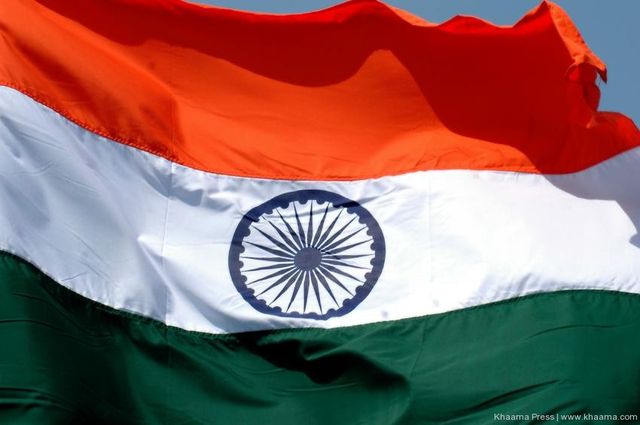
How India is Becoming a Robust Soft Power in Central Asia

The middle-income trap, a pressing issue that has led to the stagnation of many successful developing economies, demands immediate attention. This trap, which occurs when a middle-income country can no longer compete internationally in standardized, labor-intensive goods due to relatively high wages, is a result of various factors, including countries most successful demographic characteristics. For instance, access to education has reduced birth rates due to an almost 100% literacy rate defined by 12 years of education. In the process, importing cheap manufacturing products has made local products uncompetitive. In such a situation, the country should have planned to upgrade current skill-based education to high-tech skills such as ICT, pharmaceuticals, etc. This shift to high-tech education holds immense potential for developing countries, offering a pathway out of the middle-income trap. Unfortunately, poor investment in developing high-tech education has led to an inadequate supply of a high-skilled workforce. Developed economies, such as the U.S. and a few European countries, are in an advantageous position to overcome such a trap due to their highly effective immigration policy. Developing countries, such as Brazil, Mexico, Argentina, the Philippines, and almost all Central Asian Republics, meanwhile, suffer. This will be further aggravated if the issue is not addressed urgently. Due to its geographic location and natural resource endowments, Central Asia, a diverse region with a mix of upper-middle and low-income countries, holds significant importance in the global economic landscape. Let's look at a specific case, such as Uzbekistan, a country whose population is growing at 1.3% per annum. Regarding age structure, the 0-14 age group makes up 30.1% of the population, the 15-64 age group 64.6%, and the 65-plus group constitutes just 5.3%. The country has achieved a high literacy rate, with 100% of the population completing 12 years of primary and higher secondary education. However, the country’s GDP per capita is relatively low, at US$ 3,209 (nominal term) and US$ 11,316 (PPP). The country's economy is dominated by the services sector, which contributes 48.4% to the GDP, followed by industry at 33.7%, and agriculture at 17.9%. The poverty line is set at less than US$ 3.2 per day, affecting 10% of the population. The country's labor force is distributed across sectors, with 25.9% in agriculture, 13.2% in industry, and 60.9% in services. The unemployment rate is 5.3%, and underemployment is a significant issue, affecting 20% of the population. The low supply of highly skilled workers challenges further increasing per capita income. The country will likely fall into this middle-income trap because it reaches a certain average income and cannot progress beyond that level. It seems helpful to mention some insights from this perspective. During Soviet times, the growth model of states was determined by their available resources, and Central Asia is rich in abundant resources. However, in most cases, primary resources were taken to other non-resource wealthy states for further value addition. So, the workforce was created in the respective states based on the concerned state's requirements. Workforce migration from one state to another was...