• KGS/USD = 0.01144 0%
  • KZT/USD = 0.00212 0%
  • TJS/USD = 0.10543 -0.09%
  • UZS/USD = 0.00008 0%
  • TMT/USD = 0.28530 0%
  • KGS/USD = 0.01144 0%
  • KZT/USD = 0.00212 0%
  • TJS/USD = 0.10543 -0.09%
  • UZS/USD = 0.00008 0%
  • TMT/USD = 0.28530 0%
  • KGS/USD = 0.01144 0%
  • KZT/USD = 0.00212 0%
  • TJS/USD = 0.10543 -0.09%
  • UZS/USD = 0.00008 0%
  • TMT/USD = 0.28530 0%
  • KGS/USD = 0.01144 0%
  • KZT/USD = 0.00212 0%
  • TJS/USD = 0.10543 -0.09%
  • UZS/USD = 0.00008 0%
  • TMT/USD = 0.28530 0%
  • KGS/USD = 0.01144 0%
  • KZT/USD = 0.00212 0%
  • TJS/USD = 0.10543 -0.09%
  • UZS/USD = 0.00008 0%
  • TMT/USD = 0.28530 0%
  • KGS/USD = 0.01144 0%
  • KZT/USD = 0.00212 0%
  • TJS/USD = 0.10543 -0.09%
  • UZS/USD = 0.00008 0%
  • TMT/USD = 0.28530 0%
  • KGS/USD = 0.01144 0%
  • KZT/USD = 0.00212 0%
  • TJS/USD = 0.10543 -0.09%
  • UZS/USD = 0.00008 0%
  • TMT/USD = 0.28530 0%
  • KGS/USD = 0.01144 0%
  • KZT/USD = 0.00212 0%
  • TJS/USD = 0.10543 -0.09%
  • UZS/USD = 0.00008 0%
  • TMT/USD = 0.28530 0%

Viewing results 103 - 108 of 181

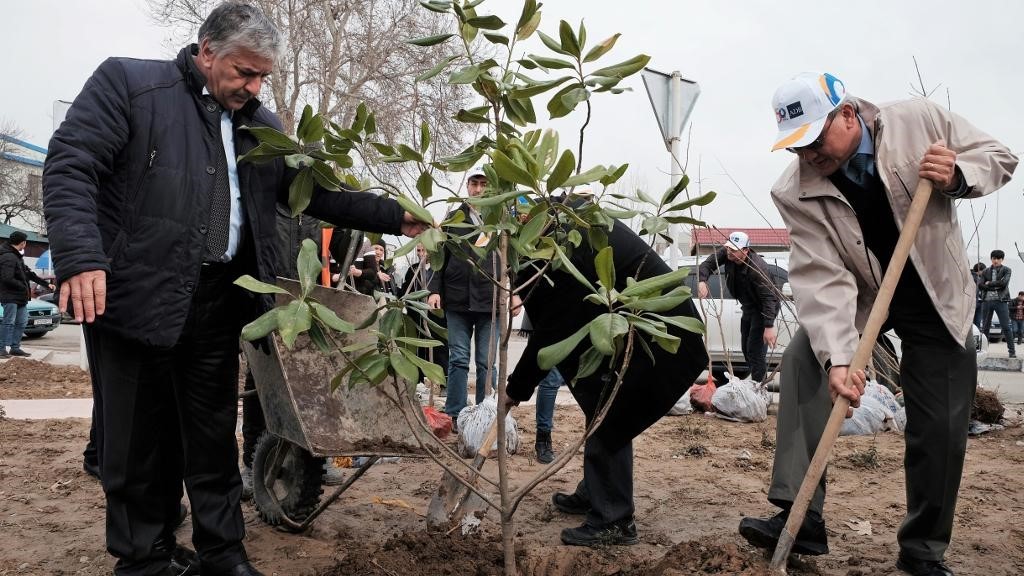
Ambitious Program to Plant 65 Million Trees and Shrubs Launched

As part of the National Program, "Green Country," Tajikistan intends to plant 65 million trees and shrubs on an area spanning over 4,000 hectares by 2025.  Special attention will be paid to the planting of fruit trees, rosehip and pine. This ambitious initiative is designed to improve the state of the environment, which has been suffering in recent years due to both natural and human impacts. The program is also aimed at combating global climate change and developing green energy, which will improve the quality of the environment and public health. It is reported that financing in the amount of 129,875,000, somoni ($11.8 million) is to be provided for the implementation of the Green Country program, which will comprise two stages: the first will executed from 2023 to 2025, and the second from 2026 to 2027.

Tajikistan to Achieve Energy Independence and Become Green Country

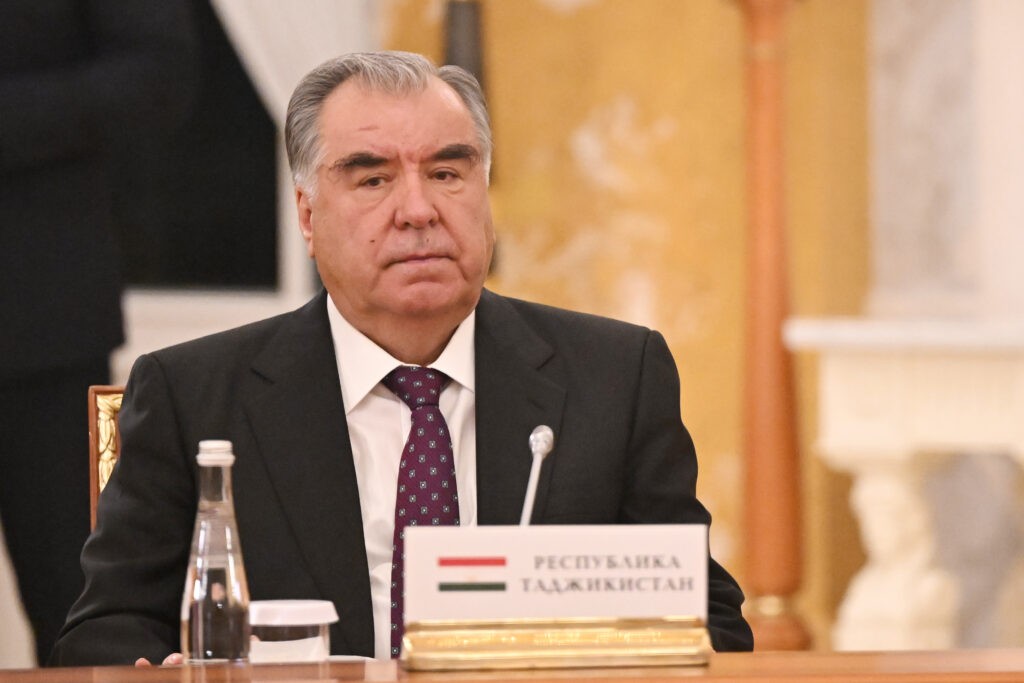
In 2023, Tajikistan’s GDP increased by 8.3% compared to the previous year, and over the past seven years the country’s GDP has grown 1.5-fold while the national economy has developed at an average pace of 7.5%, the President of Tajikistan, Emomali Rahmon stated addressing parliament on December 28th. The President said that prioritizing the prevention of potential risks to the national economy, making efficient use of available resources, industrialization and creating jobs have been the main priorities of the government in recent years. Among Tajikistan’s main concerns, the President said, are the establishment of a “green economy,” accelerating the economy’s digitization, developing human resources, raising the competitiveness of domestically produced goods, bolstering exports, and enhancing the standards of social services. Rahmon said that given the abundance of hydropower resources in Tajikistan, the high production capacity of "green energy" and its export, the Government is making confident steps towards achieving its strategic goal of energy independence. In 2023, Tajikistan’s energy capacity exceeded 6,000 megawatts, and electricity production amounted 22 billion kilowatt-hours, which is 4.8 billion kilowatt-hours or 28% more than in 2017. Rahmon said that Tajikistan will take urgent measures over the next seven years to increase energy exports up to 10 billion kilowatt-hours taking into account the implementation of CAЅA-1000 power transmission line project and re-connection to the Central Asia energy system. The country will also construct power plants using renewable energy sources and increase the "green energy" production capacity up to 1,000 megawatts by 2030. With the implementation of these measures, the President said, by 2032 electricity production in the country will be entirely from renewable sources, that is, 100% will be provided by “green energy, and Tajikistan will truly become a green country,” President Rahmon said.

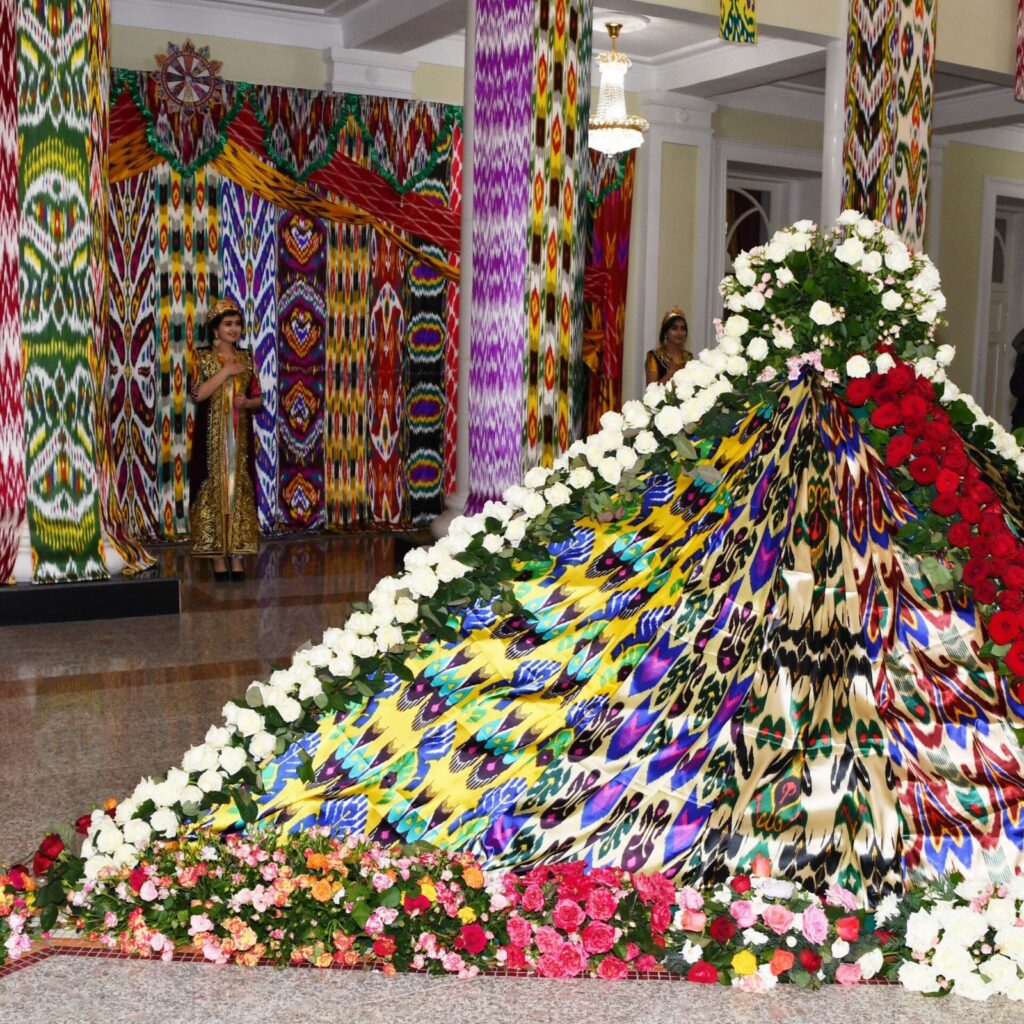
Tajikistan: Atlas and Adras Weaving Included in UNESCO List of Intangible Cultural Heritage

A nomination from Tajikistan for the art of atlas and adras weaving was included in the UNESCO list of Intangible Cultural Heritage, the press service of the Ministry of Foreign Affairs of Tajikistan reported. This decision was made within the framework of the 18th session of the Interstate Committee on the Intangible Cultural Heritage of UNESCO, which began on December 4th in the city of Kasane (Botswana), where representatives of the countries for the Convention for the Safeguarding of the Intangible Cultural Heritage are taking part. Meetings will continue until December 9th. Tajikistan has a particularly proud history of national clothing culture, and the secrets of weavers are passed down from generation to generation. In the Sughd region, the Atlas Khujand enterprise operates and enjoys benefits and constant support from President Emomali Rahmon. The company's silks, satin and adras - which combines both silk and cotton - are in great demand globally. Their production, which comprises many stages, requires special skills and training. Traditionally, national costumes for performances and wedding dresses are made of satin. The republic annually celebrates the holiday, “Tajik Atlas and Adras."

CAREC Countries Endorse New Vision to Fight Climate Change Together

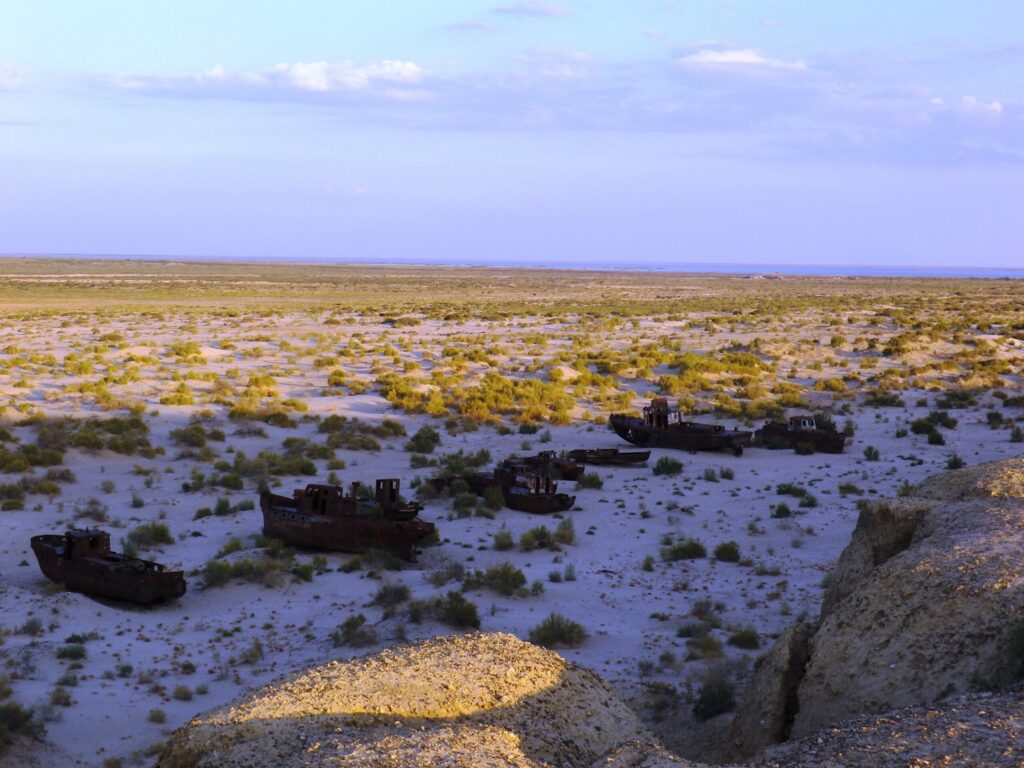
Member countries of the Central Asia Regional Economic Cooperation (CAREC) program committed to working together to cut greenhouse gas emissions and build resilience to climate change. “We endorse the Regional Action on Climate Change: A Vision for CAREC to help countries implement their commitments under the Paris Agreement”, said a joint ministerial statement issued at the 22nd CAREC Ministerial Conference held on November 30th in Tbilisi. The statement was endorsed by ministers and high-level officials from Azerbaijan, the People’s Republic of China, Georgia, Kazakhstan, the Kyrgyz Republic, Mongolia, Pakistan, Tajikistan, Turkmenistan, and Uzbekistan. “I am confident this shared Vision will enhance the CAREC program’s impact on this most critical climate challenge facing the subregion”, said Asian Development Bank (ADB) President, Masatsugu Asakawa. “I look forward to concrete progress on bringing forward more climate projects - including in renewable energy, sustainable agriculture, efficient water use, economic diversification, and strengthening supply chains - to improve the region’s climate resilience and adaptation”. The Vision emphasizes the importance of energy transition and the improved use of renewable energy sources, strengthening the regional electricity trade, deploying innovative financing solutions, and investing in climate-resilient infrastructure and policies. It calls for strengthened collaboration and coordination with the program’s development partners in supporting the region’s climate agenda. A scoping study published earlier this year showed climate change is expected to have severe impacts in the CAREC region, including higher-than-average temperature rises, water scarcity, expanded desertification, and glacial melting. To address water issues in the region, CAREC will support countries to improve their expertise and capacities in transboundary water management, water productivity, and to invest in more efficient irrigation systems to boost agricultural productivity. CAREC will also support efforts to decarbonize transport and continue deepening regional connectivity with efficient transport technologies and infrastructure. Other priority areas include developing climate-smart cities with electrified mass transit systems and promoting climate and disaster resilience through regional risk management and financing initiatives. The CAREC program is a partnership of countries and development partners working together to promote sustainable development, accelerate economic growth, and reduce poverty. The ADB hosts the CAREC secretariat.

By 2035, the Capacity of Hydroelectric Power Plants in Central Asia Will Increase by 8,900MW

By 2028-2029, Central Asia will face a permanent and persistent water scarcity, with a deficit estimated to be between 5-12 cubic kilometers annually. At the same time, the demand for electricity in Central Asia is expected to increase significantly over the next ten years, Nikolai Podguzov, Chairman of the Eurasian Development Bank (EDB) Management Board said this week at the World Hydropower Congress in Bali. "In the Central Asian region, hydropower plays a key role not only in generating electricity, but also in regulating river runoff for irrigation purposes,” Podguzov stated. “In this regard, the countries of the region are interested in the multipurpose use of their water resources, and wish to attract investment to develop water resources potential". According to Podguzov, the construction of new hydroelectric power plants with reservoirs and the modernization of already functioning HPPs will both serve to reduce the impact of climate change and ensure the steady economic and social development of the region, which is highly reliant on affordable, environmentally-friendly energy and a sustainable irrigation supply. "According to our estimates, Central Asia is one of the few regions in the world where the hydropower potential has been developed by less than 25%”, Podguzov said. “Currently, there are more than 80 hydroelectric power plants operating in the region, with a total installed capacity of about 14,000 MW. In the period up to 2035, it is planned to increase the capacity of local hydroelectric power plants by 8,900 MW through the modernization of already functioning HPPs and the construction of new ones. The largest new projects being implemented include the construction of the 1,860 MW Kambarata HPP-1 in the Kyrgyz Republic, and the 3,600 MW Rogun HPP in Tajikistan”.

EBRD Commits to Green Investment in Tajikistan

EBRD Pledges New Resources for Green Investment in Tajikistan The European Bank for Reconstruction and Development (EBRD) is committing fresh funds to facilitating better access to green technologies and climate adaptation for businesses and households in Tajikistan, a news release on the bank's website states. The US$ 50 million Tajikistan Green Economy Financing Facility II (GEFF Tajikistan II), launched by the EBRD and the Green Climate Fund (GCF), will promote higher standards of energy and resource efficiency and support the country’s transition to a greener economy. GEFF Tajikistan II will encourage residential and commercial borrowers to invest in green and innovative solutions (available through the programme’s website) that promote the efficient use of water and the sustainable management of land. It will pay special attention to the country’s agribusiness sector, which employs almost half of Tajikistan’s workforce and is responsible for more than 22.5 per cent of gross domestic product. Up to US$ 13 million, including US$ 11 million under GEFF Tajikistan II, will be earmarked for three domestic financial institutions: Bank Arvand (US$ 4 million), microlenders Humo (US$ 5 million) and Imon International (US$ 4 million). With a joint base of more than 540,000 clients and operational even in remote mountainous parts of the country, the three institutions are well placed to bring much-needed green finance to even the smallest borrowers across Tajikistan. The new facility builds on the US$ 25 million Green Economy Financing Facility I (GEFF Tajikistan I), which was supported by the European Union and operational from 2019 to 2023. GEFF Tajikistan I supported more than 4,600 sub-projects. Each year, these generated over 24,000 MWh of energy savings, reduced CO2 emissions by 5,195 tonnes and cut water consumption by 5.2 million m3. GEFF Tajikistan II is supported by donor funding from South Korea, Austria and the GCF.