• KGS/USD = 0.01144 0%
  • KZT/USD = 0.00216 0%
  • TJS/USD = 0.10663 0%
  • UZS/USD = 0.00008 0%
  • TMT/USD = 0.28530 0%
  • KGS/USD = 0.01144 0%
  • KZT/USD = 0.00216 0%
  • TJS/USD = 0.10663 0%
  • UZS/USD = 0.00008 0%
  • TMT/USD = 0.28530 0%
  • KGS/USD = 0.01144 0%
  • KZT/USD = 0.00216 0%
  • TJS/USD = 0.10663 0%
  • UZS/USD = 0.00008 0%
  • TMT/USD = 0.28530 0%
  • KGS/USD = 0.01144 0%
  • KZT/USD = 0.00216 0%
  • TJS/USD = 0.10663 0%
  • UZS/USD = 0.00008 0%
  • TMT/USD = 0.28530 0%
  • KGS/USD = 0.01144 0%
  • KZT/USD = 0.00216 0%
  • TJS/USD = 0.10663 0%
  • UZS/USD = 0.00008 0%
  • TMT/USD = 0.28530 0%
  • KGS/USD = 0.01144 0%
  • KZT/USD = 0.00216 0%
  • TJS/USD = 0.10663 0%
  • UZS/USD = 0.00008 0%
  • TMT/USD = 0.28530 0%
  • KGS/USD = 0.01144 0%
  • KZT/USD = 0.00216 0%
  • TJS/USD = 0.10663 0%
  • UZS/USD = 0.00008 0%
  • TMT/USD = 0.28530 0%
  • KGS/USD = 0.01144 0%
  • KZT/USD = 0.00216 0%
  • TJS/USD = 0.10663 0%
  • UZS/USD = 0.00008 0%
  • TMT/USD = 0.28530 0%

Viewing results 115 - 120 of 167

Tajik Islamic State Member Ilhomi Sayrahmanzoda Captured in Italy

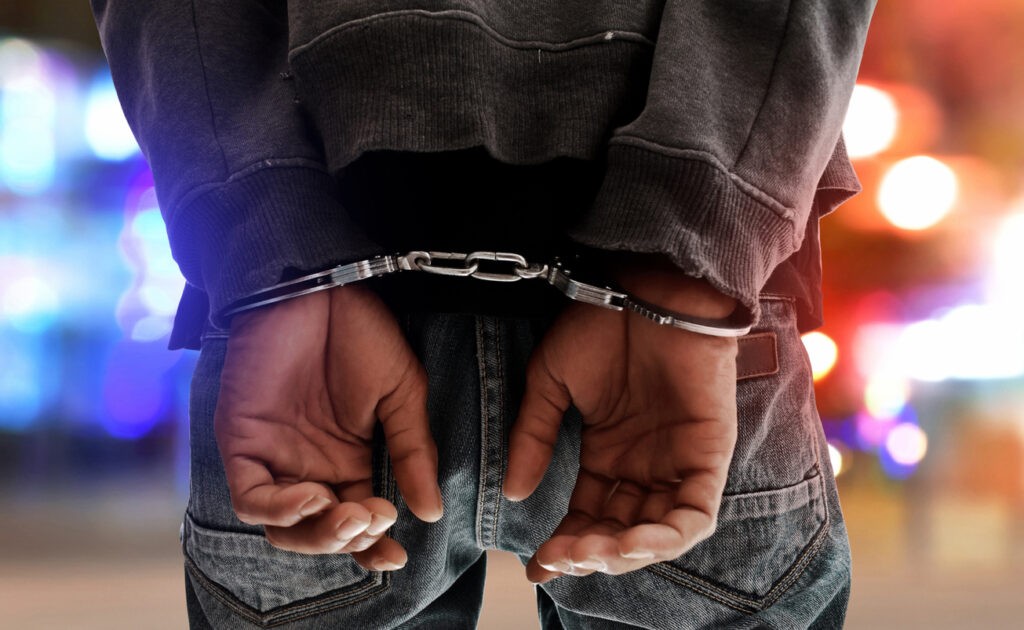
Italian police have arrested a Tajik member of the Islamic State (IS) terrorist group, according to a report by the ANSA news agency. According to police in Rome, 32-year-old Ilhomi Sayrahmanzoda was arrested at the city's Leonardo da Vinci–Fiumicino Airport after arriving on a flight from the Dutch city of Eindhoven. He had been wanted internationally since 2014 for fighting for IS in the war in Syria. Italian police established that Sayrahmanzoda was still an active member of IS, and had been using various aliases, connected with passports of Uzbekistan, Kyrgyzstan and Ukraine, to hide from law enforcement agencies. €2,000 in cash was confiscated from him, as well as a mobile phone, with which investigators are planning to identify whether Sayrahmanzoda had any connections in Italy. “His arrival in Rome raises troubling questions: did he have anything planned here? Has he hired anyone before? Were they waiting for him? His citizenship was a key factor in his arrest on March 22 amid heightened tensions surrounding the Crocus City Hall bombing. However, so far, there are no elements that indicate his involvement in this movement,” the ANSA report said. Italy is currently considering Tajikistan's request to extradite Sayrahmanzoda. Italian interior minister Matteo Piantedosi said the arrest was “a very important result, the result of an effective preventive action against the threat of terrorism.”

Central Asia Counts the Cost of Drug Trafficking

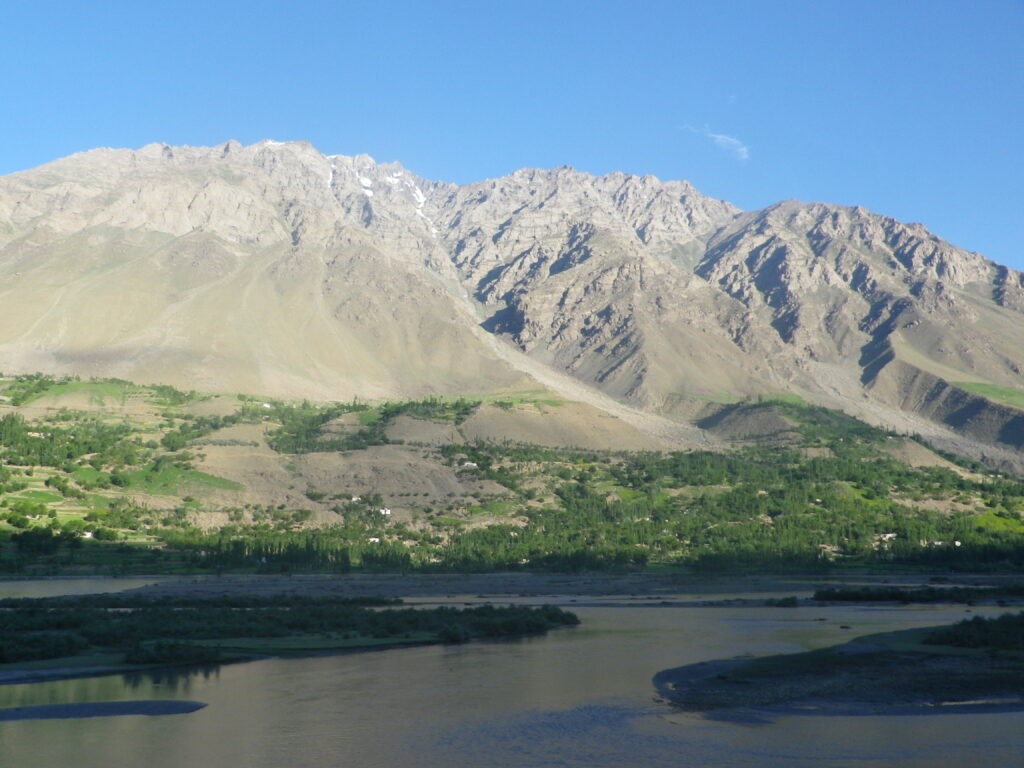
Speaking at the 67th session of the UN Commission on Narcotic Drugs in March, Zafar Samad - director of the Narcotics Control Agency under the President of Tajikistan - admitted that vast quantities of drugs are being smuggled to Europe and Russia through Tajikistan’s “northern route.” In other Central Asian nations, increased efforts are being made to curtail the problem. Kazakhstan, for example, is strengthening its legal systems and policies to effectively counter the laundering of proceeds from drug trafficking in cooperation with the United Nations Office on Drugs and Crime (UNODC). The Kazakh government also recently approved a Comprehensive Plan to Combat Drug Addiction and Trafficking. Given its long and porous border with Afghanistan, however, the problem in Tajikistan remains acute. “The increase in the volume of drug seizures in Tajikistan indicates that there are large stocks of drugs in the northern provinces of Afghanistan intended for shipment along the northern route,” Samad stated. Smugglers are “assessing the situation and exploring the possibilities of transporting drugs into Tajikistan, taking into account the measures taken by the Tajik Government to strengthen the Tajik-Afghan border by creating new border facilities.” This year will see the adoption of a CSTO program aimed at fortifying the border between Tajikistan and Afghanistan. However, the “northern route” - sometimes called the “Heroin Highway” - has a long and checkered history, which has not always led to interstate cooperation. [caption id="attachment_16236" align="aligncenter" width="495"] The village of Karakul, GBAO[/caption]   The Pamir Highway route was established in the 1990s, opening up new avenues for suppliers following the collapse of the Soviet Union. Beginning in the Kyrgyz second city of Osh, the highway - the second highest international road in the world - traverses the length of Tajikistan and down through the south of Uzbekistan before terminating in Afghanistan. An estimated 15 tons of opium and 80 tons of heroin are trafficked through Tajikistan each year, the majority passing through the poverty-stricken, self-governing Gorno-Badakhshan Autonomous Oblast (GBAO) along a desolate mountainous route known locally as Bam-i-Dunya - the Roof of the World. Said by locals to be older than Rome, Osh is a dusty spread of Soviet-era buildings adorned with satellite dishes and murals of MIG fighter jets and Misha the Bear. Having long been dubbed one of the drug capitals of Central Asia, Kalashnikov-wielding soldiers guarded cafés after dark. An ancient Silk Road route in use for millennia, the modern Pamirsky Trakt was completed in 1937. From Osh, the red soil highway ascends to the windswept mud-brick hamlet of Sary Tash, a major stopover on the smuggling route where the roads to Kashgar in China and the border with Tajikistan converge. Despite covering 45% of its landmass, the self-governing Gorno-Badakhshan Autonomous Oblast (GBAO) is home to just 3% of the population of Tajikistan. The only Central Asian country to have descended into civil war following the collapse of the USSR, the Pamiris chose the losing side, with the five-year-long conflict leaving approximately 100,000 dead and 1.2 million...

Japan-Funded Project Helps Tajikistan Manage Its Border With Afghanistan

Japan has long been a "steadfast supporter of Tajikistan, contributing tens of millions of dollars to the country’s development through the United Nations Development Programme (UNDP)." The Japanese government, through its Japan International Cooperation Agency (JICA), is also funding the “Border Management Project” – an initiative to support the Tajik Government in controlling its national border with Afghanistan, UNDP Tajikistan reports. The project aims to both secure the length of the Tajik-Afghan border and facilitate cross-border trade. It was initially launched in 2015, and will run until 2025. Since its launch the parties have constructed a new border checkpoint at Langar, and modernized the old checkpoints at Khumrogi and Shogun. Toshihiro Aiki, Japan’s ambassador to Tajikistan, recently commented: “We have had favorable relationships with the government of Tajikistan since its first steps of independence. Japan supports Tajikistan in many ways, considering strategic aspects, especially in light of the changed political landscape involving the whole Eurasian continent. There are some challenges that not only Tajikistan but most of the countries face.”  Given the problem of drug trafficking at the Tajik-Afghan border, the initiative is also supporting Tajikistan in disrupting illicit activities, protecting border communities from the harmful effects of the drug trade. 

The Impact of the Narcotics Trade in Tajikistan

Tajikistan, a Central Asian country, finds itself at the center of a significant narcotics trade route. This landlocked nation borders Afghanistan, a country that as of 2020, accounted for over 80% of global opium production (source). This geographical positioning has led to a profound influence on Tajikistan's social, economic, and political landscape. The narcotics trade has a significant economic impact in Tajikistan, given its strategic location bordering Afghanistan. This illicit trade has both direct and indirect influences on the country's economy. According to Matthew Kahane, the UNDP head in Tajikistan, it has been estimated that the drug trade accounts for 30% to 50% of the country's economy. Furthermore, drug trafficking through Tajikistan was estimated to generate $2.7 billion per year in 2011, potentially surpassing any legitimate source of wealth in the country. However, this income does not contribute to the country's overall economic development. Instead, it fosters corruption, undermines legal economic activities, and concentrates wealth in the hands of drug traffickers and corrupt officials. In addition, the narcotics trade increases the level of crime, corruption and the rich-poor divide. Moreover, Tajikistan's law enforcement agencies receive substantial financial and technical resources from foreign donors to aid them in the fight against drugs. However, the effectiveness of these efforts is questionable given the scale of the narcotics trade. The narcotics trade in Tajikistan has extensive social impacts, affecting various facets of the society ranging from public health to crime rates. One of the most immediate social impacts is the rise in substance abuse, particularly among the youth. In the last ten years, there has been an increase in drug use behavior among the youth in Tajikistan, leading to serious health consequences. Heroin use, in particular, is a significant concern. It not only harms the users but also places a strain on the country's healthcare system, which is ill-equipped to handle the rising number of addicts. The narcotics trade has a significant political impact in Tajikistan. The illicit drug trade has reportedly corrupted parts of Tajikistan's government. The lucrative profits from narcotics have incentivized officials at all levels to tolerate or even engage in drug trafficking. This corruption undermines the legitimacy of public institutions and erodes citizens' trust in their government. The narcotics trade poses a serious security threat. Non-state armed groups often use drug trafficking as a source of funding, which can destabilize the region and exacerbate conflict. In addition, the high levels of crime associated with the drug trade can lead to increased violence and social unrest. The Taliban, a dominant insurgent group in Afghanistan, is implicated in escalating narcotics trafficking in Tajikistan, a situation exacerbated by Afghanistan's instability and corroborated by reports from the UNODC and Eurasianet. Recognizing these challenges, international organizations and governments have developed programs to combat the narcotics trade in Tajikistan. The United Nations Office on Drugs and Crime (UNODC) has implemented several projects aimed at strengthening border control, improving the criminal justice response to drug trafficking, and promoting regional cooperation. Furthermore, the European Union and the...

The Geopolitical Fallout of Taliban’s Takeover: Neighboring Countries and Their Responses

The swift takeover of Afghanistan by the Taliban following the withdrawal of foreign forces (notably the United States) has created a complex geopolitical situation for neighboring countries. These nations had contemplated the prospect of a Taliban resurgence, but the sudden shift in power dynamics forced them to publicly acknowledge their stance towards a Taliban-led Afghanistan. The General Response In general, the consensus among these nations has been an acceptance of the new reality, with many expressing a willingness to engage in dialogue with Afghanistan's new leadership. While the two regional heavyweights, Moscow and Beijing, have both indicated their readiness to negotiate with the Taliban, they harbor concerns about militants from their own countries that are currently in Afghanistan and allied with the Taliban. The safety of foreign citizens still residing in Afghanistan further complicates the situation. Pakistan, a long-standing supporter of the Taliban, openly welcomed the group's recent success. Meanwhile, China, Iran, Uzbekistan, and Turkmenistan choose to concede their lack of influence over Afghan internal politics, instead expressing hope for potential cooperation with the Taliban. Tajikistan's Unique Stance Tajikistan, under the leadership of President Emomali Rahmon, presents a different narrative. Rahmon has been vocal in his opposition to the Taliban government in Afghanistan. This stance is partly due to his history as Tajikistan's leader during the previous Taliban control of Afghanistan and his support for ethnic Tajiks there who have been battling the Taliban. Tajiks constitute approximately 25% of the Afghan population, and their connection to Tajiks in Tajikistan is strong. None of the other neighboring states have this sort of relationship. Rahmon's concern for the Afghan Tajiks has earned him rare public support at home, which could be crucial as he prepares his son, Rustam, to succeed him as president. There appears to be a growing concern among Tajikistan's citizens about the potential illiberal influence of the Taliban. Following the Taliban takeover in Afghanistan, Tajikistan received thousands of refugees, with many more gathering at the border. This influx could indicate a fear of Taliban's rule among the population. There are also reports of Taliban attacks on Tajik communities. The Taliban enforces justice through its strict interpretation of Sharia law, including the implementation of criminal punishments such as public executions. Judges within the Taliban enforce the hierarchy and maintain centralized authority. This system has been criticized by human rights organizations for lacking justice, truth and reparation for crimes under international law as well as for human rights violations. Challenges Ahead Rahmon faces significant challenges in engaging with the Taliban due to the country's history with the Islamic Renaissance Party of Tajikistan (IRPT). The IRPT, an Islamic political party far more moderate than the Taliban, was a major opposition group during Tajikistan's 1992-1997 civil war. It later became the second-largest party in Tajikistan, posing a threat to Rahmon's power. In 2015, the Tajik government banned the IRPT, labeling it an extremist group based on claims of a coup attempt. Given this history, it's hard for the Tajik government to establish ties with...

The Threat of Taliban to Democracy in Tajikistan: An Intensifying Crisis

Tajikistan is in an increasingly precarious position due to the resurgent Taliban regime in neighboring Afghanistan. Unlike its regional counterparts, Tajikistan stands firm in its refusal to engage with the Taliban, highlighting its unique stance in the geopolitical landscape. The Taliban's swift takeover of Afghanistan has raised alarm bells in Tajikistan, with the government intensifying its criticism of the extremist group. The increasing complexity of threats posed by the Taliban and cross-border attacks by Islamic State affiliates have left leaders grappling for security solutions. There has been an uneasy truce along the Afghanistan's border with its Central Asian neighbors in the months after the Taliban seized control. However, the emergence of a new Taliban-affiliated group, Tehrik-e-Taliban Tajikistan, signals a heightened threat to Tajikistan's national security. This precarious situation is further complicated by the fact that Tajikistan's land border with Afghanistan has been closed since the Taliban takeover in 2021. This has restricted travel and trade between the two nations, adding economic pressure to the already tense standoff. In addition to the immediate threat that the Taliban poses, there are also fears about extremist groups using Afghanistan as a base for conducting terrorist activities. This has sparked terror fears in Central Asia, including in Tajikistan. While the international community has adopted a wait-and-see approach towards the Taliban, Tajikistan has taken a sharply and openly critical stance. This could potentially isolate the nation further and put its democratic principles under strain. It is clear that the threat Taliban poses to Tajikistan's democracy continues to be multi-faceted and is escalating. Ever since the Taliban came to power in Afghanistan in 2021, Tajikistan has been under an increased threat of terrorist attacks. The question remains whether these incursions into Tajikistan were real or staged, but there exists a real threat to the nation's security and democracy. The country's refusal to engage with the Taliban, coupled with the emergence of new extremist groups and the potential for Afghanistan to become a hub for terrorism, continue to pose a significant challenge to Tajikistan's democratic values and national security.