Viewing results 547 - 552 of 819
According to the agricultural trade publication East Fruit, Central Asians have little taste for bananas. Kazakhstan has the highest consumption rate but with an average of 4.5 kg of fresh bananas eaten per person, per year, comes nowhere near Uganda where each year, individuals enjoy a whopping 270 kg of bananas. Uzbekistan and Kyrgyzstan are fast catching up with Kazakhstan whilst in Tajikistan, the annual banana consumption per head is only 2.3 kg. In Turkmenistan, it appears that many citizens never touch the fruit. Lagging far behind its neighbours, a very modest 160 grams are consumed per head, per year; a figure which according to East Fruit analysts is even lower than that recorded for North Korea. Not surprisingly, countries with the highest banana consumption tend to be those where the fruit is grown and exported and by way of explaining the above data, Andriy Yarmak, an economist in the investment department of the Unites Nations (UN) Food and Agriculture Organization (FAO) stated, "Such a low consumption of bananas in Central Asian countries is due to the distance of the countries from the port infrastructure, which makes logistics very expensive. In addition, many countries in the region have high tariff and non-tariff barriers that prevent the import of exotic fruits into these regions. The third factor is the relatively low prices of local fruits, especially in the season of their mass production.”
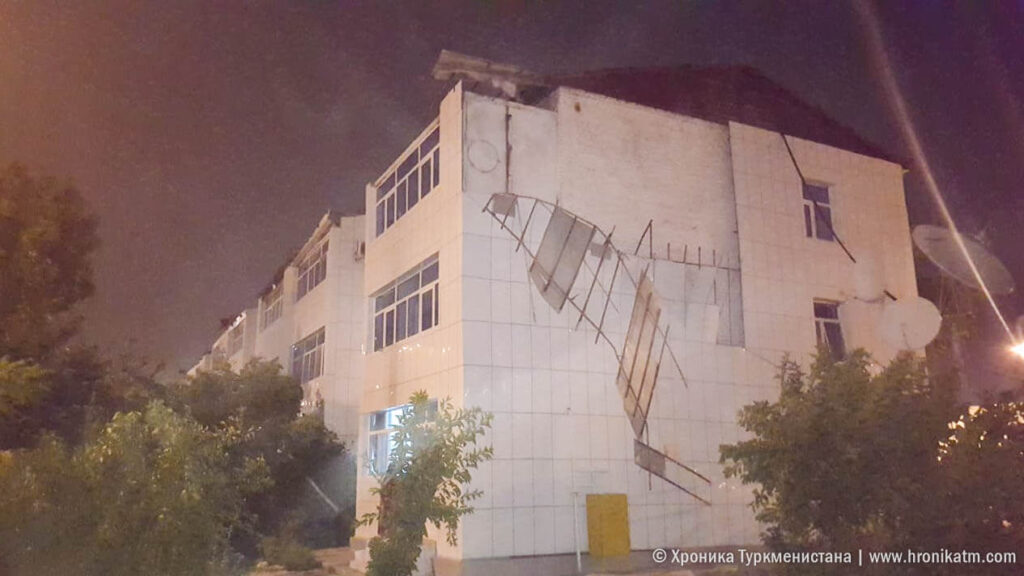
On April 27 activists from the Warsaw Post-Soviet Dissident Alliance will hold a protest in Warsaw, Poland, against the Turkmen government. The event is being organized in memory of the dozens of victims of the 2020 windstorm in the city of Turkmenabat. The protest will mark the fourth anniversary of the April 27 storm that brought hurricane-force winds to Turkmenabat. The storm claimed dozens of lives, but authorities in Ashgabat have never mentioned it -- nor have they offered any support to the victims' families. Rather, criminal cases were opened against the volunteers who tried to help people in the city on their own, the Warsaw Alliance have claimed in a statement. The Alliance is demanding that Turkmen authorities acknowledge the storm as a historical fact, disclose the number of dead and injured, pay compensation to the injured citizens and their families, and declare April 27 as a day of mourning. On 27 April 2020 there was a severe windstorm in Turkmenistan. The gales damaged a number of settlements in the Turkmenabat region, leaving hundreds of people homeless. Electricity, gas and drinking water were cut off for several days in places like Lebap, Turkmanabat (partially), Kerki and Farob (completely). Turkmen state television made no mention of the storm. The windstorm also crossed into Uzbekistan, where one death and 41 injuries of various degrees were reported. In contrast to the response of the Turkmen government, Uzbekistan's president Shavkat Mirziyoyev immediately flew to the city of Bukhara, where there was the most damage, to meet with residents.
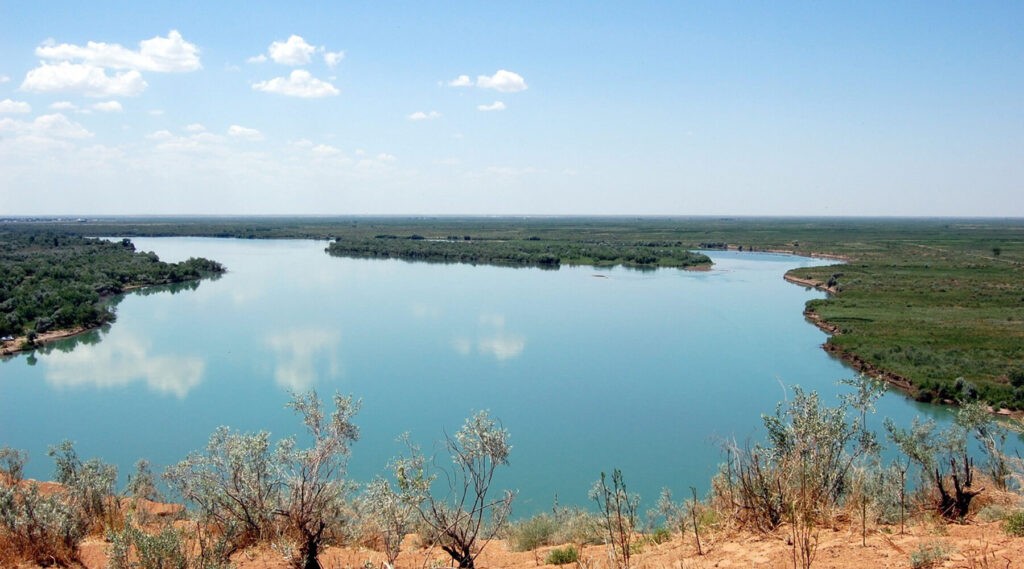
Last week in Kazakhstan, delegates came together for the 87th meeting of the Interstate Commission for Water Coordination (ICWC) of Central Asia, where they discussed the potential and limitations of regional water reservoirs ahead of the 2023-2024 agricultural growing season. According to the ICWC, some of the more pressing questions focused on confirming limits of water usage for the 2024 growing season for the Syr Darya and Amu Darya river basins and the prognosis for water release from the reservoirs in those basins. There's still no information on how much water will be sent to the Aral Sea basin. In accordance with the quota, the draw on water from the Amu Darya watershed will be 56 billion cubic meters for the year, with about 40 billion cubic meters to be used in the April-to-October growing season. As stated in the ICWC agreement, Uzbekistan will receive 16 billion cubic meters, Turkmenistan 15.5 billion cubic meters, and Tajikistan will get 6.9 billion cubic meters. The Syr Darya's water use quota for this year's growing season is around 11.9 billion cubic meters, with 8.8 billion cubic meters going to Uzbekistan, 1.9 billion cubic meters for Tajikistan, 920 million cubic meters for Kazakhstan, and 270 million cubic meters for Kyrgyzstan. According to the ICWC, the totals for irrigated lands by Central Asian country are 4.3 million hectares in Uzbekistan, 2.5 million hectares in Kazakhstan, 1.9 million hectares in Turkmenistan, 1 million hectares in Kyrgyzstan, and 680,000 in Tajikistan.
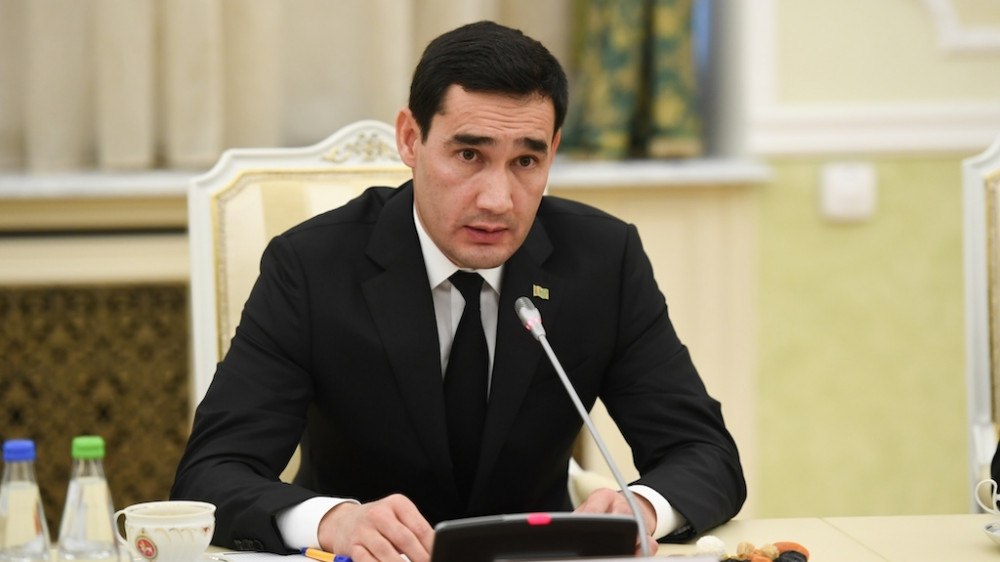
According to a report by the Chronicles of Turkmenistan, the main questions asked to employees of state bodies in Turkmenistan during the attestation period are related to the president and his relatives. This year, employees of the Transport and Communications Agency, the Health and Medical Industry, the Ministry of Labor and Social Protection of the Population, the Ministry of Public Education, and the Turkmen Oil Concern were certified in Ashgabat. Reportedly, employees of these institutions were warned about the need to pass the certification, and people were prepared for questions about their profession and job responsibilities, with those who had bought a diploma and didn't have a deep understanding of their specialty especially worried. However, the examiners were not interested in the civil servants' professional knowledge, but in the biography of President Serdar Berdymukhamedov. People were asked where he was born and educated, what positions he held, his family members and the books he has purportedly written. Not all civil servants passed the certification. Managers have threatened to demote or cut their salaries of those who failed, whilst encouraging their employees to apply for recertification, the report stated.
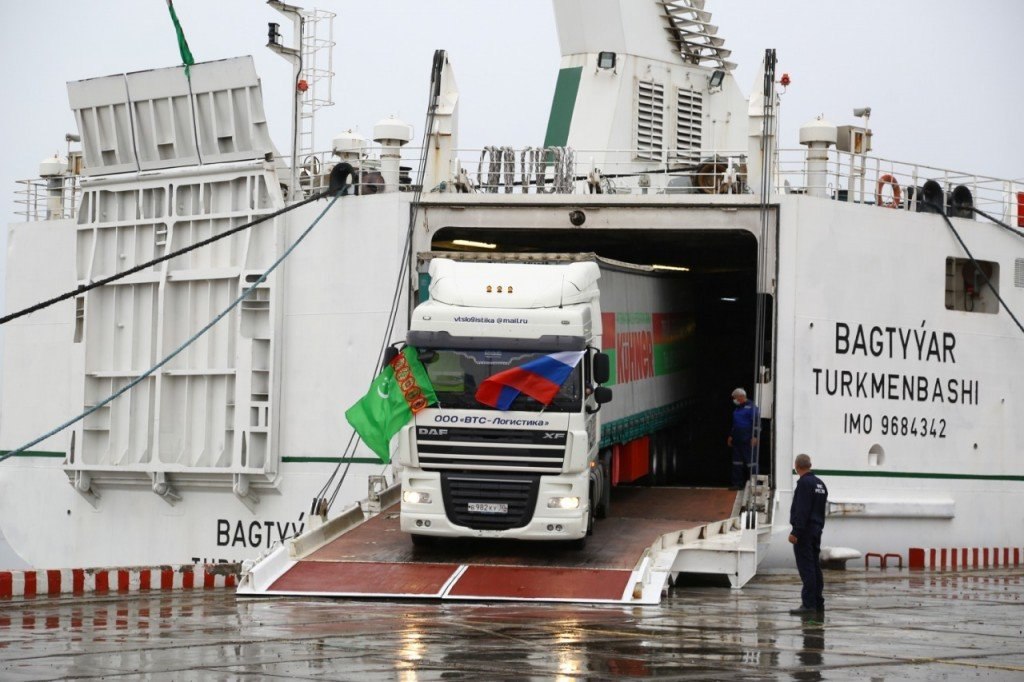
Turkmenistan's Caspian Sea port of Turkmenbashi has started shipping cargo to the Russian port of Olya on the Turkmenistan-flagged ferry Bagtyyar, according to a report from the Turkmen Sea and River Routes (Turkmendeñizderýaýollary) Agency. The agency calls this voyage an important step towards the development of trade relations between Turkmenistan and Russia -- and an opportunity for the national merchant fleet to deliver perishable goods to their destination on time. The Bagtyyar, which according to Marine Optima was built in 2015 and has a summer deadweight tonnage (DWT) of just over 3,300 tons, is equipped with modern safety and navigation systems which guarantee cargo safety. Additionally, the Turkmen side says it's ready to open a shipping route for grain crops to be transited from the southern regions of Russia through the Caspian Sea to the countries of the Persian Gulf and other markets. At the port of Turkmenbashi, goods can be transshipped through the free zone without customs fees for up to three years. 2018 saw the opening of the port of Turkmenbashi, which increased access to markets throughout the Middle East and Europe. The project, worth $1.5 billion, was carried out by Gap Inşaat, a company based in Turkey. With the exception of oil products, the port can handle 17 million tons of different types of cargo annually. Four terminals (general cargo, container, bulk cargo and car ferries) are located on an area of more than 150 hectares.
On April 17, Turkmenistan President Serdar Berdimuhamedov attended the launch of a new section of the Ashgabat-Turkmenabat high-speed highway linking the cities of Tejen and Mary. Phased construction of one of the most ambitious transport projects in Turkmenistan began in January 2019. Covering 600 kilometres, it comprises three sections - Ashgabat-Tejen (203 kilometres), Tejen-Mary (109 kilometres), and Mary-Turkmenabat (288 kilometres) – and once completed, will provide a faster and more economical means of transporting goods across the country. Hailing the high-speed Ashgabat-Turkmenabat highway a modern revival of the ancient Silk Road, President Berdimuhamedov reiterated his country’s commitment to the development of transport corridors from East-West and North-South and stated: “Turkmenistan is located at the junction of two continents, and such a favourable location provides a huge advantage in the formation of an international transport and logistics corridor, the integration of the domestic transport sector into the global system and the expansion of trade, economic, cultural and humanitarian ties with partner countries.”