• KGS/USD = 0.01144 0%
  • KZT/USD = 0.00209 0%
  • TJS/USD = 0.10523 0%
  • UZS/USD = 0.00008 0%
  • TMT/USD = 0.28530 0%
  • KGS/USD = 0.01144 0%
  • KZT/USD = 0.00209 0%
  • TJS/USD = 0.10523 0%
  • UZS/USD = 0.00008 0%
  • TMT/USD = 0.28530 0%
  • KGS/USD = 0.01144 0%
  • KZT/USD = 0.00209 0%
  • TJS/USD = 0.10523 0%
  • UZS/USD = 0.00008 0%
  • TMT/USD = 0.28530 0%
  • KGS/USD = 0.01144 0%
  • KZT/USD = 0.00209 0%
  • TJS/USD = 0.10523 0%
  • UZS/USD = 0.00008 0%
  • TMT/USD = 0.28530 0%
  • KGS/USD = 0.01144 0%
  • KZT/USD = 0.00209 0%
  • TJS/USD = 0.10523 0%
  • UZS/USD = 0.00008 0%
  • TMT/USD = 0.28530 0%
  • KGS/USD = 0.01144 0%
  • KZT/USD = 0.00209 0%
  • TJS/USD = 0.10523 0%
  • UZS/USD = 0.00008 0%
  • TMT/USD = 0.28530 0%
  • KGS/USD = 0.01144 0%
  • KZT/USD = 0.00209 0%
  • TJS/USD = 0.10523 0%
  • UZS/USD = 0.00008 0%
  • TMT/USD = 0.28530 0%
  • KGS/USD = 0.01144 0%
  • KZT/USD = 0.00209 0%
  • TJS/USD = 0.10523 0%
  • UZS/USD = 0.00008 0%
  • TMT/USD = 0.28530 0%

Viewing results 5845 - 5850 of 5850

Kazakhstan’s Exports to Organization of Islamic Cooperation Countries Reaches $8.4 Billion

The Minister of Trade and Integration of Kazakhstan, Arman Shakkaliyev addressed the 39th meeting of the Standing Committee of the Organization of Islamic Cooperation on Economic and Trade Cooperation (COMSEC) in Istanbul. The official opening ceremony of the event took place on December 4th with the participation of Turkish President Recep Tayyip Erdogan. The Organization of Islamic Cooperation (OIC) is the largest official Muslim governmental international organization, uniting 57 countries. Today, OIC countries comprise more than a quarter of the world's population - 1.7 billion people on four continents - Asia, Africa, Europe, and South America. Over the past three years, total trade turnover between member states has increased from $3.7 trillion to $4.5 trillion. During the meeting, ministers from the participating countries discussed further efforts to strengthen cooperation, including in trade and agriculture. Kazakhstan is actively seeking to make a significant contribution to food security. Over the past five years, the country has doubled its volume of agricultural products and exports them to more than 80 countries, working in this direction with OIC members. “OIC countries are among the active trade and economic partners of Kazakhstan,” said Shakkaliev, addressing a report on improving the potential for trade with OIC member states. “Our trade turnover for the first nine months of 2023 amounted to $12.5 billion. Exports of Kazakhstani products to the OIC countries account for more than half of the total trade turnover - $8.4 billion. We need to combine the efforts of all members of the Organization in the development of transport and logistics infrastructure, and expansion of investment cooperation.”

Kazakhstan Increases Oil Supplies to Germany via Russia by 54% in November

Kazakhstan Increases Oil Supplies to Germany via Russia by 54% in November The volume of transportation of Kazakh oil through the system of trunk oil pipelines of Russia’s Transneft PJSC in the direction of the Adamova Zastava oil delivery point in Russia for further delivery to Germany will increase from the planned 100,000 tons to 154,000 tons, the director of the transportation department of KazTransOil JSC, Abai Beisembayev said on November 30th. KazTransOil JSC is the national operator of the main oil pipeline in Kazakhstan. “Despite difficult meteorological conditions in the Black Sea, KazTransOil JSC fully fulfills its obligations to shippers”, Beisembayev said. “There are no restrictions on the part of Transneft PJSC today. Due to the limitations of oil transportation through the system of the Caspian Pipeline Consortium JSC, a number of shippers who would like to pump oil through our system have applied to KazTransOil JSC. Operational work was carried out with Transneft PJSC on additional pumping of the resources of Karachaganak Petroleum Operating B.V. In November, it was planned to deliver 100,000 tons of oil to Germany, but by the end of the month, the volume of transportation of Kazakh oil through the system of trunk oil pipelines of Transneft PJSC in the direction of the Adamova Zastava oil delivery point for further delivery to Germany will amount to 154,000 tons”. KazTransOil JSC confirmed its technical capability to supply 1.2 million tons of Kazakh oil a year towards the Adamova Zastava oil delivery point for further transportation to Germany, but the actual volume depends on requests from oil companies.

CAREC Countries Endorse New Vision to Fight Climate Change Together

Member countries of the Central Asia Regional Economic Cooperation (CAREC) program committed to working together to cut greenhouse gas emissions and build resilience to climate change. “We endorse the Regional Action on Climate Change: A Vision for CAREC to help countries implement their commitments under the Paris Agreement”, said a joint ministerial statement issued at the 22nd CAREC Ministerial Conference held on November 30th in Tbilisi. The statement was endorsed by ministers and high-level officials from Azerbaijan, the People’s Republic of China, Georgia, Kazakhstan, the Kyrgyz Republic, Mongolia, Pakistan, Tajikistan, Turkmenistan, and Uzbekistan. “I am confident this shared Vision will enhance the CAREC program’s impact on this most critical climate challenge facing the subregion”, said Asian Development Bank (ADB) President, Masatsugu Asakawa. “I look forward to concrete progress on bringing forward more climate projects - including in renewable energy, sustainable agriculture, efficient water use, economic diversification, and strengthening supply chains - to improve the region’s climate resilience and adaptation”. The Vision emphasizes the importance of energy transition and the improved use of renewable energy sources, strengthening the regional electricity trade, deploying innovative financing solutions, and investing in climate-resilient infrastructure and policies. It calls for strengthened collaboration and coordination with the program’s development partners in supporting the region’s climate agenda. A scoping study published earlier this year showed climate change is expected to have severe impacts in the CAREC region, including higher-than-average temperature rises, water scarcity, expanded desertification, and glacial melting. To address water issues in the region, CAREC will support countries to improve their expertise and capacities in transboundary water management, water productivity, and to invest in more efficient irrigation systems to boost agricultural productivity. CAREC will also support efforts to decarbonize transport and continue deepening regional connectivity with efficient transport technologies and infrastructure. Other priority areas include developing climate-smart cities with electrified mass transit systems and promoting climate and disaster resilience through regional risk management and financing initiatives. The CAREC program is a partnership of countries and development partners working together to promote sustainable development, accelerate economic growth, and reduce poverty. The ADB hosts the CAREC secretariat.

Kazakhstan and U.S. Issue Joint Statement on Methane Reduction

Kazakhstan and U.S. Issue Joint Statement on Methane Reduction The Special Representative of the President of the Republic of Kazakhstan for International Environmental Cooperation, Zulfiya Suleimenova, and Special U.S. Presidential Envoy for Climate Change, John Kerry issued a joint statement on accelerating methane reductions to meet the Global Methane Pledge (GMP). Kazakhstan and the United States declared their mutual commitment to accelerate the development and implementation of policies and projects to rapidly reduce methane emissions, especially in the fossil energy sector. Building on more than 30 years of successful partnership between Kazakhstan and the United States, this statement commemorated the fifth anniversary of the Enhanced Strategic Partnership between Kazakhstan and the United States and expanded opportunities for cooperation in the field of methane control. The statement: recognized the key role the two countries play in creating a greener, safer and better world; stressed the importance of rapidly reducing methane emissions by 2030 to limit global warming to 1.5 degrees Celsius; recognized the significant potential of the fossil energy sector to reduce methane emissions and the need to rapidly reduce emissions in this sector. The statement also served as a memorandum of understanding of the importance of voluntary action in promoting collective efforts to reduce global methane emissions; highlighted the need to seek to mobilize global action and strengthen support for existing international initiatives to reduce methane emissions through effective bilateral action; and recognized the critical participation of the private sector, development banks, financial institutions and international aid agencies in supporting the implementation of the Pledge.

Foreign Investors Look to Build Power Plants in the Kyrgyz Republic with a Capacity of 3.6 Gigawatts

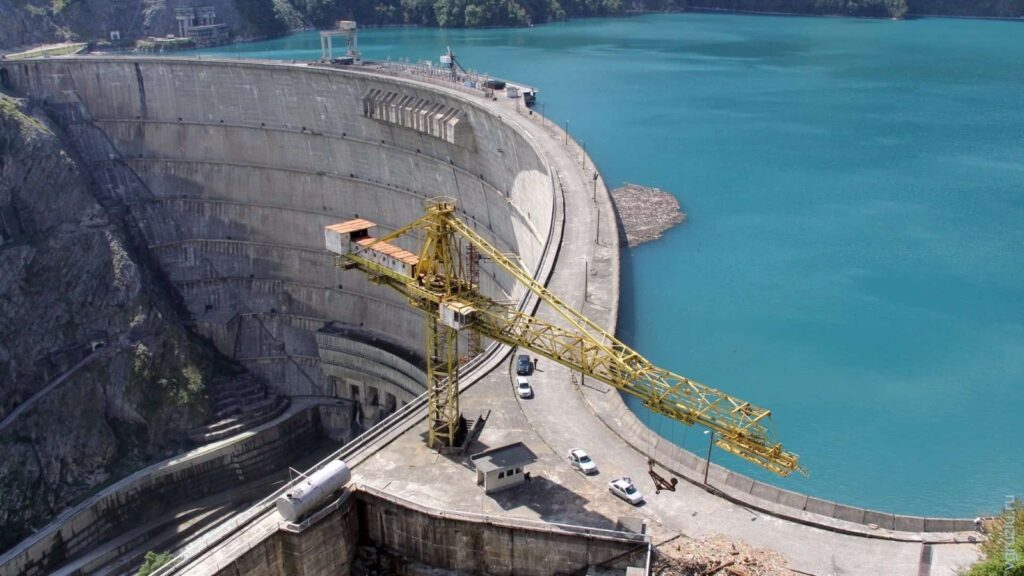
Energy companies from France and the UAE plan to invest in hydropower and renewable energy projects with a total capacity of 3.6 gigawatts in Kyrgyzstan. The capacity of the Toktogul hydroelectric station is already more than 1.2 gigawatts. The President of the Kyrgyz Republic expressed confidence that the practical implementation of the agreements will soon begin. As part of the World Climate Summit in Dubai, the Ministry of Energy of the Kyrgyz Republic, the French company EDF, and the UAE state company, Masdar signed a memorandum in the energy sector. The foreign partners assured that summit they are ready to cooperate with the Kyrgyz Republic and implement the projects provided for in the memorandum. In his speech, Energy Minister, Taalaibek Ibraev focused on the potential of Kyrgyzstan in the field of electricity generation and further cooperation with investors. The signing ceremony took place in the presence of President Sadyr Japarov, after which further negotiations took place with representatives of both companies. Japarov emphasized that the Kyrgyz side will provide everything necessary to ensure high-quality implementation of the terms of the memorandum, the presidential press service reported. Japarov also called on participants at the meeting to pay special attention to the hydropower potential of the Kyrgyz Republic, which today no more than 13% of has been utilized. He emphasized that the country has taken a firm course towards the development of a “green” economy. Masdar representatives noted the importance of the solar power plant construction project being implemented in the Issyk-Kul region, and stated that they would use their experience “to support Kyrgyzstan’s clean energy goals”.

Uzbekistan to Take Measures for Rational Use of Water Resources in Agriculture

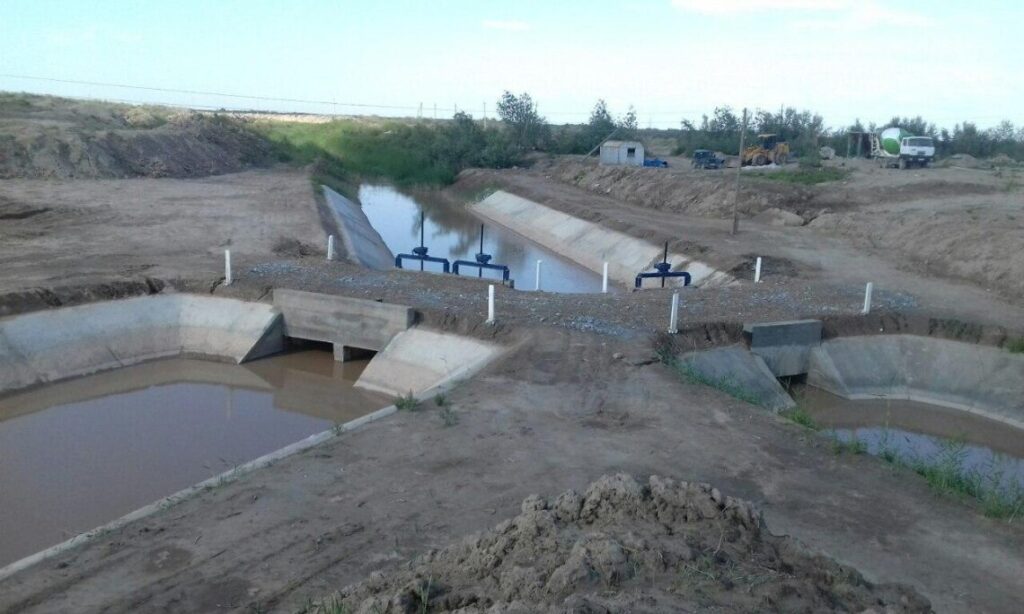
Uzbekistan's President, Shavkat Mirziyoyev, led a government session last week focused on strategies for the efficient utilization of water resources. Discussions highlighted that 20% of Uzbekistan's water resources originate within the country, while the rest is sourced from neighboring territories. Ongoing climate shifts are progressively diminishing these water sources, with forecasts projecting potential water deficits of up to 15 billion cubic meters in Uzbekistan by 2030. Despite these challenges, there's notable inefficiency in water usage. A staggering 90% of Uzbekistan's water resources are allocated to agricultural purposes. For instance, irrigating a single hectare of cotton fields consumes 10-11 thousand cubic meters of water yearly, whereas countries with similar climates and soil profiles use 2-3 times less water. The annual expenditure on water management in Uzbekistan amounts to approximately $1 billion, making it the fourth-largest recipient of budget allocations following education, healthcare, and agriculture. Regrettably, due to flawed calculations and persisting outdated methodologies in water resource management, the desired efficacy isn't realized. The president emphasized that the upcoming year will be a transitional phase, shifting toward an emergency mode to conserve water. A primary goal is the concrete lining of canals and ditches. It's estimated that about 14 billion cubic meters, or 36%, are lost annually in natural irrigation systems without yielding any economic benefit. Most significant losses are observed in regions like the Republic of Karakalpakstan, Namangan, Navoi, Khorezm, and Bukhara. The water sector has declared a pivotal year for canal concreting, aiming to concrete 1,500 kilometers next year—four times more than in 2023. By 2025, the target is to concrete at least 2,000 kilometers of canals. Another crucial objective is the adoption of water-saving technologies. Uzbekistan, with 4.3 million hectares under irrigation, has introduced water-saving technologies in 30% of these areas. In these clusters and farms, efficiency gains of 30-40% in water usage alongside increased productivity have been achieved.