• KGS/USD = 0.01143 0%
  • KZT/USD = 0.00213 0%
  • TJS/USD = 0.10593 0.47%
  • UZS/USD = 0.00008 0%
  • TMT/USD = 0.28571 0%
  • KGS/USD = 0.01143 0%
  • KZT/USD = 0.00213 0%
  • TJS/USD = 0.10593 0.47%
  • UZS/USD = 0.00008 0%
  • TMT/USD = 0.28571 0%
  • KGS/USD = 0.01143 0%
  • KZT/USD = 0.00213 0%
  • TJS/USD = 0.10593 0.47%
  • UZS/USD = 0.00008 0%
  • TMT/USD = 0.28571 0%
  • KGS/USD = 0.01143 0%
  • KZT/USD = 0.00213 0%
  • TJS/USD = 0.10593 0.47%
  • UZS/USD = 0.00008 0%
  • TMT/USD = 0.28571 0%
  • KGS/USD = 0.01143 0%
  • KZT/USD = 0.00213 0%
  • TJS/USD = 0.10593 0.47%
  • UZS/USD = 0.00008 0%
  • TMT/USD = 0.28571 0%
  • KGS/USD = 0.01143 0%
  • KZT/USD = 0.00213 0%
  • TJS/USD = 0.10593 0.47%
  • UZS/USD = 0.00008 0%
  • TMT/USD = 0.28571 0%
  • KGS/USD = 0.01143 0%
  • KZT/USD = 0.00213 0%
  • TJS/USD = 0.10593 0.47%
  • UZS/USD = 0.00008 0%
  • TMT/USD = 0.28571 0%
  • KGS/USD = 0.01143 0%
  • KZT/USD = 0.00213 0%
  • TJS/USD = 0.10593 0.47%
  • UZS/USD = 0.00008 0%
  • TMT/USD = 0.28571 0%

Viewing results 5881 - 5886 of 6033

Kazakhstan to Build New Reservoirs to Reduce Dependence on Neighboring Countries

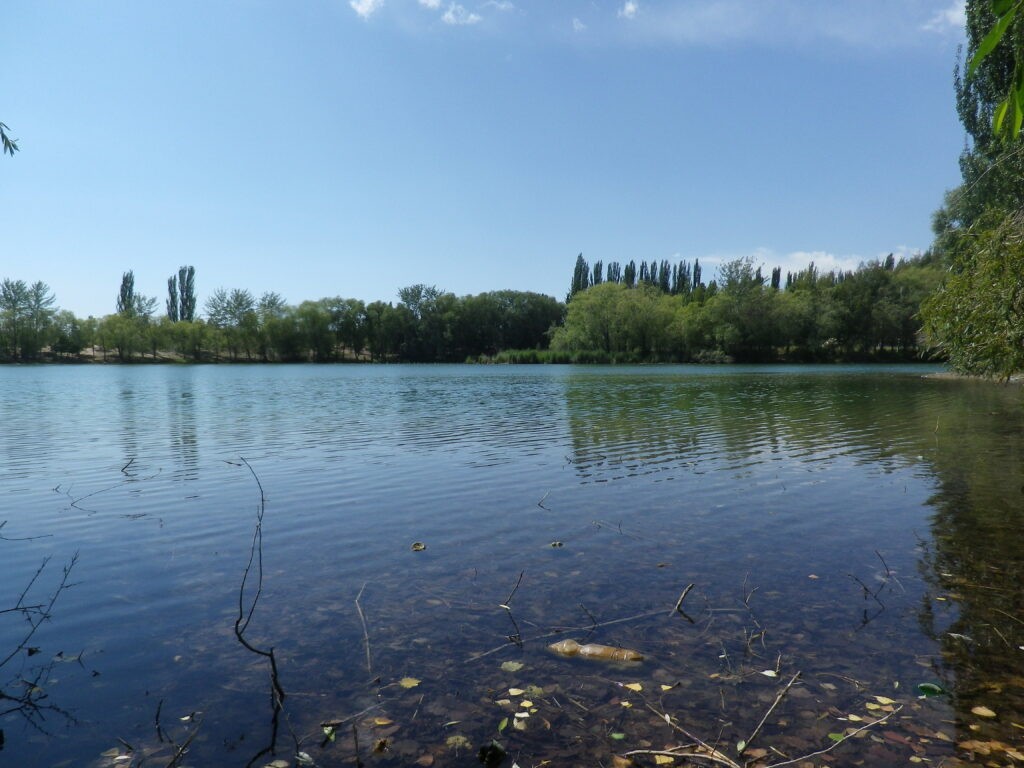
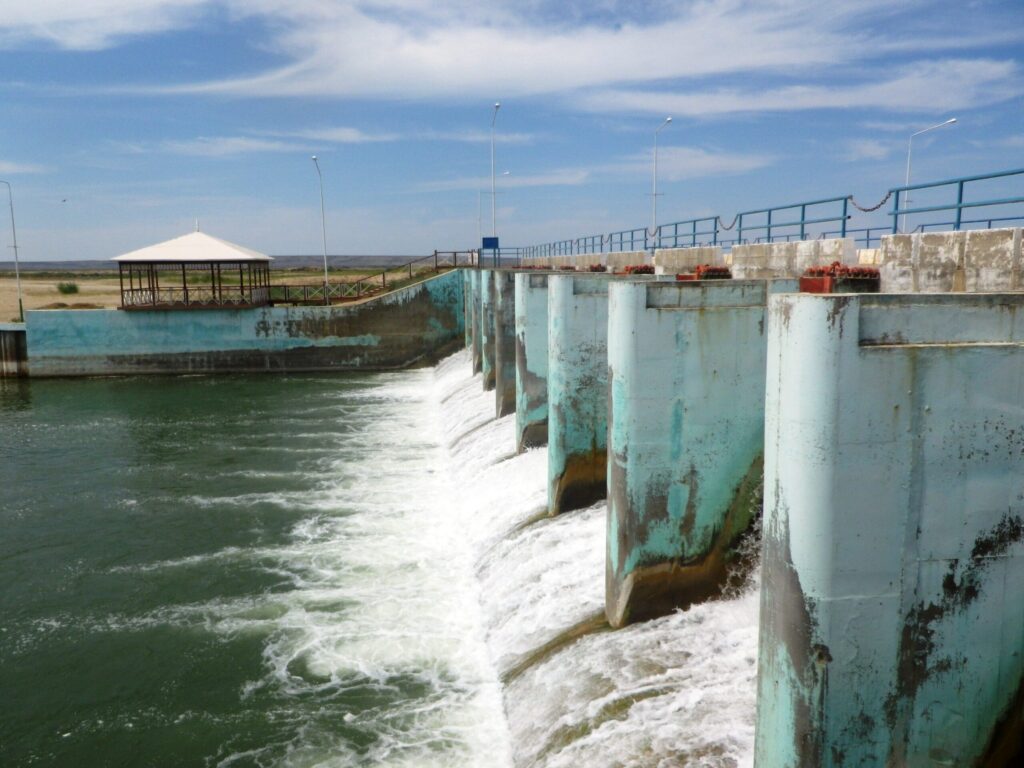
The Ministry of Water Resources and Irrigation of Kazakhstan on December 22nd said it is beginning work on the construction of nine new reservoirs out of a planned twenty to reduce Kazakhstan’s dependence on the water flow from neighboring countries by 25%. The commissioning of new reservoirs will also increase the area of irrigated land by 250,000 hectares and reduce the threat of flooding in 70 rural settlements with a population of 137,000 people. Currently, design documentation is being developed for the nine facilities, and negotiations are underway to attract investors to the construction of new reservoirs. The Ministry of Water Resources and Irrigation has developed a Comprehensive Water Development Plan for 2024-2030. The document includes measures for the construction and reconstruction of reservoirs, reconstruction of hydraulic structures and irrigation systems. “The plan will be implemented in several stages,” said the Minister of Water Resources and Irrigation of Kazakhstan, Nurzhan Nurzhigitov. “In 2024-2026, it is planned to begin construction of twenty new reservoirs with a volume of 2.4 km³ in eleven regions. The implementation of the Comprehensive Plan will increase the volume of available water resources by 3.7 km³, expand the area of irrigated land to 2.2 million hectares, reduce annual losses of irrigation water by 3 km³, and also provide water supply to 41 settlements with a population of more than 55,000 people.” Kazakhstan, especially its southern regions, is highly dependent on irrigation water flow from upstream Kyrgyzstan. This past summer, Kyrgyzstan experienced a shortage of irrigation water and was forced to reduce the water flow to Kazakhstan’s southern Zhambyl region, which negatively impacted the region’s agriculture.
Kazakhstan Launches Construction of New Railroad to China

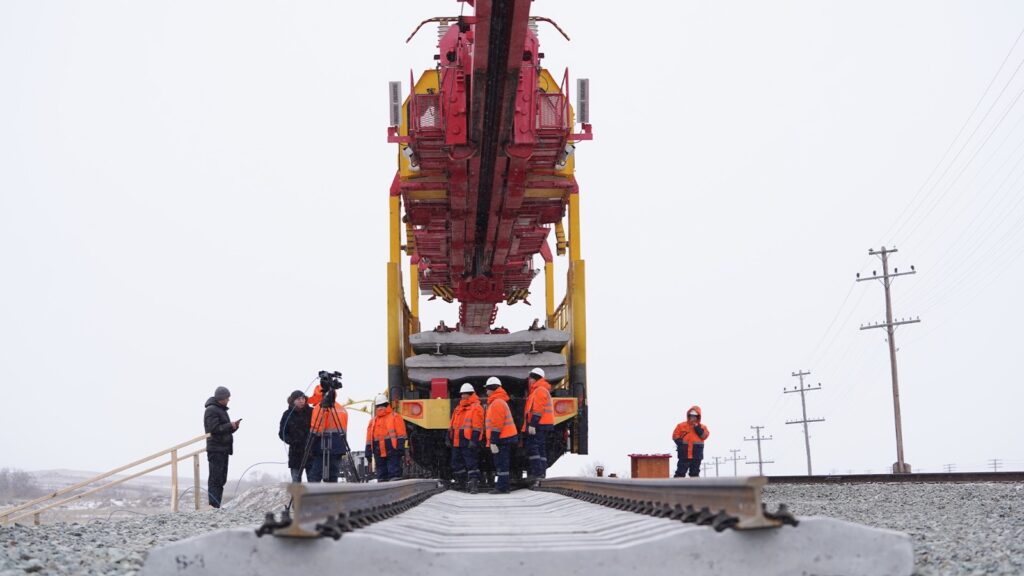
The Prime Minister of Kazakhstan, Alikhan Smailov, via a teleconference on December 20th officially inaugurated the construction of a new railway line, Bakhty-Ayagoz, with a total length of 272 km in the Abay Region of southern Kazakhstan. The project is being implemented upon the instruction of President Kassym-Jomart Tokayev to increase the transport and transit potential of Kazakhstan. The project also involves the opening of a third border crossing with China, Bakhty-Chuguchak. The railway line will increase the throughput capacity between Kazakhstan and China from 28 million to around 48 million tons, lessen the burden on the southern checkpoints, and attract additional volumes of transit. It is planned that the double-track line will begin operating in 2027. The large-scale project will be realized with the participation of a private investor on PPP principles. During the ceremony, the Prime Minister stated that last year Kazakhstan's railroads transported the largest volume of cargo since the country’s independence, which amounted to 245 billion tons/kilometer. These rates have been maintained in the current year, despite the geopolitical situation and infrastructure constraints.[/vc_column_text][vc_single_image image="12823" img_size="full" el_class="scond-image" parallax_scroll="no" woodmart_inline="no"][vc_column_text woodmart_inline="no" text_larger="no"]"Over the past five years, the volume of transit container transportation has grown 3.2-fold. Existing transit corridors are being expanded, and new ones are being opened. The Trans-Caspian International Transport Route, North-South and Southern corridors have become particularly relevant," Smailov said. At the same time, the throughput and infrastructure capacities have reached their peak. To address this strategic issue, a decision was made to implement a number of infrastructure projects in the rail industry. The new line is expected to help increase Kazakhstan's exports and the transit of goods from Russia to China and back.

Kazakhstan and Saudi Arabia on Path to Strategic Partnership

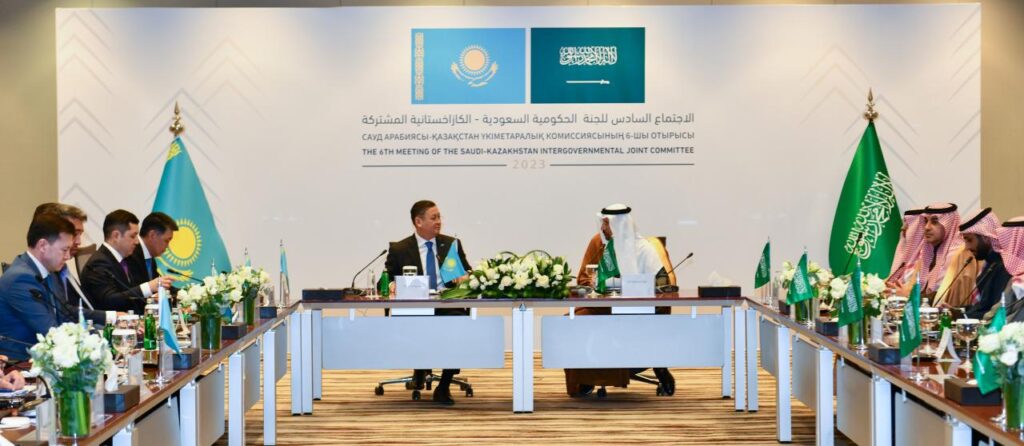
Kazakhstan and Saudi Arabia on Path to Strategic Partnership On December 20th, the sixth meeting of the Kazakh-Saudi Intergovernmental Commission on Trade, Economic, Scientific, Technical and Cultural Cooperation (IGC) was held in Riyadh. The co-chairs of the Commission are Deputy Prime Minister-Minister of Foreign Affairs of Kazakhstan, Murat Nurtleu, and Saudi Minister of Investment, Khalid bin Abdulaziz Al-Falih. As part of the IGC meeting, a Kazakh-Saudi investment round table was organized with the participation of over a hundred business representatives from the two countries. Opening the event, Foreign Minister Nurtleu noted the strategic importance of intensifying cooperation between the public and private sectors of the two countries. The minister drew attention to the enormous potential of the Saudi market for strengthening trade and economic relations, as well as the unlimited prospects for expanding investment partnerships. Nurtleu stated that both countries have significant opportunities to further deepen contacts in such sectors as green energy, food security, transport and logistics, mining, petrochemicals, agriculture, finance, and tourism. Saudi co-chairman of the IGC, Khalid Al-Falih drew attention to the interest of the Kingdom’s leadership in strengthening a diverse array of ties with Kazakhstan, which is considered the leader of the Central Asian region. “Kazakhstan is the largest country with a vast territory, rich natural resources and human capital. It is extremely important for us today to bring relations with your country to the most serious level, which involves a confidential political dialogue, mutually beneficial trade and economic ties, as well as large-scale investments in your economy,” said the Saudi minister. The event also featured speeches from the heads of over thirty large companies in the Kingdom, including such giants as Saudi Aramco and ACWA Power. The latter is already starting to implement renewable energy projects in Kazakhstan. The parties agreed to open a joint innovation hub early next year, which will allow startup projects in Kazakhstan to gain access to the markets of the Middle East and North Africa, and will help promote the brand of Kazakhstan as an IT country.

Mutual Direct Investments Among Central Asian Countries Growing

Mutual Direct Investments Among Central Asian Countries Growing On December 19th, the Eurasian Development Bank (EDB) said it is continuing its series of EDB Monitoring of Mutual Investments (MMI) publications. The MMI encompasses a database of investment projects, containing detailed information on mutual direct investments in Eurasia, covering Armenia, Azerbaijan, Belarus, Georgia, Kazakhstan, the Kyrgyz Republic, Moldova, Russia, Tajikistan, Turkmenistan, Uzbekistan, and Ukraine. EDB analysts observe that the Eurasian countries’ FDI stock reached U$48.8 billion in mid-2023, following a 5.4% increase in 2022, and with continued growth in 2023. Kazakhstan reinforced its status as the regional leader in terms of inward mutual direct investment stock, with a share of 27.2% as of June 2023 against 26.6% in 2021, followed by Uzbekistan (19.8%), Belarus (12.0%), Russia (9.8%), and Azerbaijan (8.7%). EDB researchers highlighted that FDI stock within Central Asia totaled U$1.1 billion by the end of 1H 2023, marking a 1.8-fold increase compared to 2016. The key areas of mutual capital investments are extractive industries, manufacturing, and financial services. The leading domestic investors in the region are Kazakhstan and Uzbekistan. In the medium term, uncertainties may persist in the dynamics of Eurasia’s mutual investments. EDB analysts note the following factors that will shape medium-term trends in mutual investments: The “neighborhood effect” - the share of Eurasian Economic Union countries in Eurasia’s mutual investments will continue to grow; Dynamic growth in manufacturing. Commencement of production of higher added value products in the countries of the region will be the main driver of growth; and Greater attractiveness of the transport and logistics sector due to shifts in commodity flows and Central Asian countries’ focus on developing dry ports, logistics hubs, and distribution centers.

President Japarov: Kyrgyzstan Should Provide Irrigation Water to Kazakhstan

A UN resolution obliges upstream countries, including Kyrgyzstan, to provide water to downstream states, Kyrgyz President Sadyr Japarov said on December 16th at the second People’s Kurultai (Congress) in Bishkek. Answering questions from the Kurultai delegates, the president said that the water problem would be solved through the construction of so-called ten-day and daily regulation pools. Such reservoirs will allow for the accumulation of water in winter and for it to be freely shared with neighbors downstream. The president said that Kyrgyzstan does not have a sufficient number of reservoirs, and, therefore, this year there was not enough water to supply to Kazakhstan. This past summer, the southern regions of Kazakhstan experienced a severe shortage of irrigation water for their fields. The construction of such reservoirs, the president explained, will meet the needs of Kyrgyzstan and, in addition, there will also be enough water to supply to downstream neighbors. The president also announced plans to build reservoirs. The reservoir construction program will last until 2027, he said.

EBRD to Allocate €200 Million for Development of Youth Businesses in Central Asia

EBRD to Allocate €200 Million for Development of Youth Businesses in Central Asia The European Bank for Reconstruction and Development (EBRD) has launched a program aimed at developing youth businesses in Central Asia and Mongolia, and will allocate $218 million over seven years to ensure access to financing and training for young entrepreneurs. The program is aimed at the development of micro, small and medium-sized businesses under the guidance of young people aged 18 to 35 years. Companies will receive financing through 20 partner financial institutions, whilst participants will also be able to receive trainings, access various events, and use consulting services. The investments is set to be complemented by a package of up to €30 million in grants and concessional co-financing. The EBRD notes that many young people in Central Asia have entrepreneurial skills, but do not have economic opportunities. According to the bank's estimates, only 10% of young people have the necessary education and work skills. "Solving this problem is important for Central Asia, where small and medium—sized enterprises account for almost half of total employment and almost 40% of regional GDP," the EBRD emphasized. The program is funded by the Government of Kazakhstan, the Small Business Foundation, and the European Union.