• KGS/USD = 0.01144 0%
  • KZT/USD = 0.00216 0%
  • TJS/USD = 0.10659 0%
  • UZS/USD = 0.00008 0%
  • TMT/USD = 0.28530 0%
  • KGS/USD = 0.01144 0%
  • KZT/USD = 0.00216 0%
  • TJS/USD = 0.10659 0%
  • UZS/USD = 0.00008 0%
  • TMT/USD = 0.28530 0%
  • KGS/USD = 0.01144 0%
  • KZT/USD = 0.00216 0%
  • TJS/USD = 0.10659 0%
  • UZS/USD = 0.00008 0%
  • TMT/USD = 0.28530 0%
  • KGS/USD = 0.01144 0%
  • KZT/USD = 0.00216 0%
  • TJS/USD = 0.10659 0%
  • UZS/USD = 0.00008 0%
  • TMT/USD = 0.28530 0%
  • KGS/USD = 0.01144 0%
  • KZT/USD = 0.00216 0%
  • TJS/USD = 0.10659 0%
  • UZS/USD = 0.00008 0%
  • TMT/USD = 0.28530 0%
  • KGS/USD = 0.01144 0%
  • KZT/USD = 0.00216 0%
  • TJS/USD = 0.10659 0%
  • UZS/USD = 0.00008 0%
  • TMT/USD = 0.28530 0%
  • KGS/USD = 0.01144 0%
  • KZT/USD = 0.00216 0%
  • TJS/USD = 0.10659 0%
  • UZS/USD = 0.00008 0%
  • TMT/USD = 0.28530 0%
  • KGS/USD = 0.01144 0%
  • KZT/USD = 0.00216 0%
  • TJS/USD = 0.10659 0%
  • UZS/USD = 0.00008 0%
  • TMT/USD = 0.28530 0%

Viewing results 253 - 258 of 371

Uzbekistan Provides Incentives for Households to Install Solar Panels

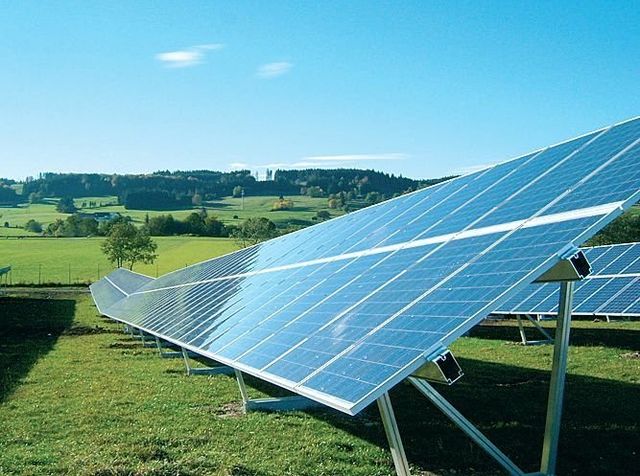
As part of a government program to encourage the installation of low-power solar panels (up to 50 kW) in households in regions of Uzbekistan, citizens are to be provided with a subsidy for electrical energy produced by solar panels. For electricity produced by solar panels installed on properties and facilities owned by individuals, a subsidy of 1,000 Uzbek som (0.081U$) is to be allocated for every kilowatt-hour of surplus electrical energy transferred to the national power grid, the Uzbek Energy Ministry said. Persons who have installed renewable energy sources are also exempt from land tax and property tax. Individuals and legal entities who have installed renewable energy sources with a total capacity of up to 100 kW are exempt from paying the property tax from such devices, land tax on plots occupied by devices, and profit tax for electricity sold by legal entities to the national power grid for a period of three years from the date of their commissioning and when installing electricity storage systems with a capacity of at least 25% of the installed capacity of solar panels for ten years. In recent years, Uzbekistan has experienced increasing electricity shortages, especially in the cold winter months, as the country’s population grows and natural gas reserves are depleting. This has prompted the Uzbek government to embark on a large-scale program to introduce renewable energy sources (wind and solar power plants).
Green Pitching Event at COP28 Focuses on Central Asia’s Sustainable Future

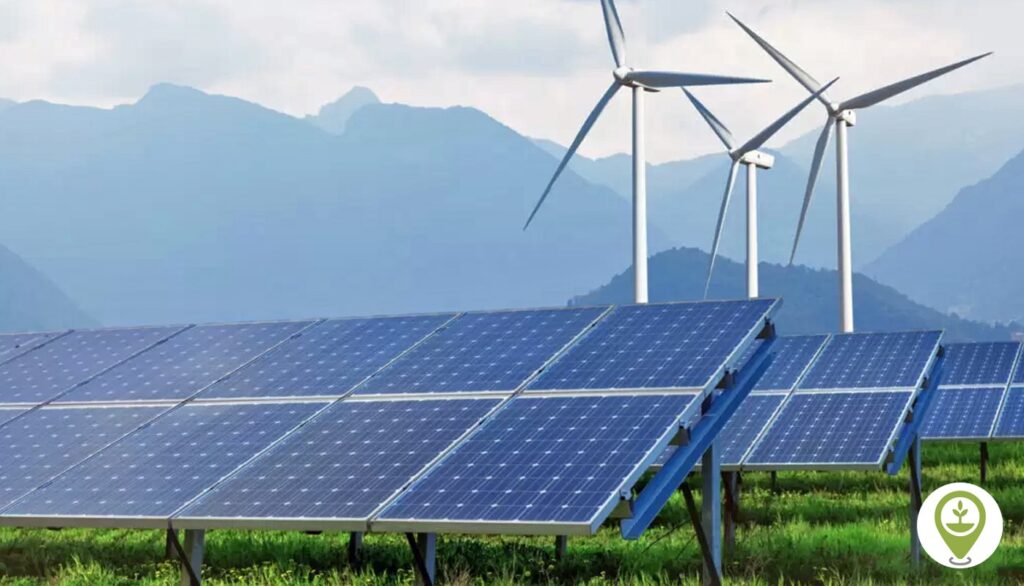
As reported on the United Nations Development Programme (UNDP) website, the UNDP in Kazakhstan organized a Green Projects Pitching Event for the countries of Central Asia, which aimed to spotlight innovative and sustainable initiatives across the region, showcasing a collaborative commitment to green growth and climate resilience. The 28th United Nations Climate Change Conference, or COP28, kicked off on November 30th and continues through to December 12th in Dubai, United Arab Emirates, with a growing urgency to increase action for meaningful change. The countries of Central Asia are presenting a common regional position on the most pressing climate issues at global scale, adopting the cooperative approach: Five countries – one region – one vote. As part of a region particularly vulnerable to the effects of climate change, the Central Asian nations are actively participating in the COP28 climate policy negotiations, advocating for commitments to reduce emissions, achieve carbon neutrality, and secure access to climate finance for the region. “The climate crisis knows no borders; it is a challenge that transcends individual nations,” said Nuri Ozbagdatli, UNDP Climate Change Specialist for Europe and Central Asia. “Success in addressing this global issue requires collective action. Together, the global community must pool our expertise, resources, and innovation to tackle climate change comprehensively, ensuring a sustainable future for all. In the countries of Central Asia, we strongly believe in the vast potential offered by the region's nature, population, and especially its youth. These factors form crucial elements in our joint endeavors to confront and overcome the challenges posed by climate change." The event was opened by the Ministers of Ecology from three Central Asian countries: Kazakhstan, Kyrgyzstan, and Uzbekistan. "Achieving a substantial reduction in greenhouse gases requires significant financial investment,” said Yerlan Nyssanbayev, Minister of Ecology and Natural Resources of Kazakhstan, in his welcoming speech. “The strategy of low-carbon development adopted by Kazakhstan this year estimates a net investment of US$610 billion in low-carbon technologies. At the same time, the importance of climate financing, which helps societies and economies build resilience and adapt to the impacts of climate change, cannot be overstated."

UNDP Outlines Approach for Green Transition

As outlined in a press release on its website, the United Nations Development Programme (UNDP) has embarked on a mission to apply foresight to its programme activities, with an initial focus on the Green Transition. This approach seeks to envision alternative futures and explore their implications for policy development. UNDP aims to foster collaboration by engaging government agencies, think tanks, NGOs, and the private sector, incorporating diverse perspectives into the decision-making process, UNDP Uzbekistan said. Matilda Dimovska, UNDP Resident Representative in Uzbekistan highlighted that "We are proud to announce the first exercise on Green Transition Foresight in Uzbekistan as a groundbreaking milestone. By uniting various stakeholders, we have fostered a collaborative environment that has yielded thought-provoking outcomes in the form of drivers of change, scenarios, and potential implications. Our objective is not to predict specific outcomes, but rather to stimulate critical thinking, question prevailing assumptions, and uncover influential forces that can shape policies for a sustainable future in the world of uncertainties". Through a series of engaging online and in-person interactions from 2022 to 2023, futurologists, UNDP experts, and government partners utilized the University of Houston's Foresight Framework. This collaborative effort involved domain mapping, scanning for signals of change, generating drivers of change, modeling alternative future scenarios, and identifying actionable ideas to support ongoing government reforms. Among the identified ideas are the development of a national tariff system, prioritizing youth involvement in the green economy, focusing on internal capacity building, and fostering cross-government coordination. Building on the insights gained, UNDP plans to continue experimentation and prototyping, allowing for the development of adaptable strategies and policies. By employing narrative scenarios, UNDP aims to ensure resilience and responsiveness to unforeseen challenges. UNDP remains committed to providing necessary assistance in leveraging foresight and scenario-based approaches in policymaking to enable transformative change. Through these efforts, UNDP is dedicated to supporting Uzbekistan in navigating the complexities of the Green Transition and building a sustainable future.

EDB Proposes Ten Steps to Preserve Irrigated Land Potential and Support Water Conservation in Central Asia

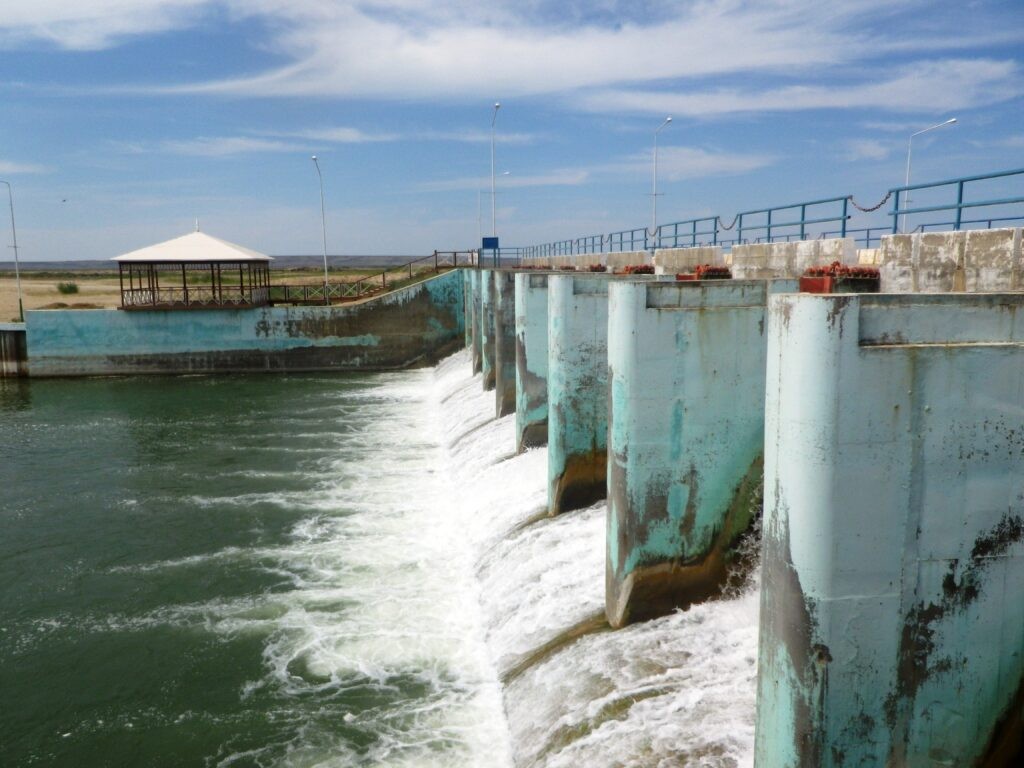
As outlined in a press release on the EDB website, in the summer of 2023, Central Asia was faced once again with water shortages, which have a significant impact on agriculture. The sector relies on irrigation, which consumes up to 80% of available water, and has a poor track record with regard to the efficient use of water resources. The irrigation infrastructure is over 50 years old. More than half of all irrigated land has become salinized, and 40% of water is lost through irrigation canals. A new Eurasian Development Bank (EDB) study entitled “Efficient Irrigation and Water Conservation in Central Asia” outlines ten practical steps for preserving irrigated land potential and promoting water conservation. The list includes four recommendations for adoption at a regional level and six at a national level. The measures are designed to save enough water each year to support sustainable development. Implementing the measures will require collaboration between governments, farmers and multilateral development institutions. The need for urgent action is intensified by the anticipated reduction in the flow of the Amu Darya River. Water deficit is a key structural constraint to socio-economic development in Central Asia. This region is among the most vulnerable to climate change, with temperatures rising at a faster rate than the global average. Periods of drought and low water are becoming more frequent, and the hydrological patterns of rivers and groundwater supplies are undergoing change. Glacier areas have been diminishing rapidly, with a 30% decrease over the last 50 years. Climate change is leading to reduced river flows at a time when the region’s demand for water is growing rapidly. The primary solution to the water deficit lies in improving irrigation practices. Agriculture in Central Asia is the largest consumer of water, with irrigation accounting for 100.4 km3 of the total 127.3 km3 (80%) of water used in the region in 2020. Historically, irrigation has played a vital role in developing agriculture and ensuring food security in the region. Central Asia boasts 10.1 million hectares of irrigated land, representing approximately 2.9% of the world’s total. This irrigated land generates nearly 66% of the region’s gross agricultural output in terms of value. However, Central Asia’s irrigation infrastructure is highly degraded and technically inadequate. It lacks the equipment needed for metering and distributing water for irrigation and controlling its use in the field. The average age of the irrigation infrastructure is over 50 years. Up to half of irrigated land is salinized. Water use in agriculture is inefficient, with 40% of water lost in the irrigation canal system. A commitment to conserving water appears to be the only solution to protecting the potential of irrigated land and food security in Central Asia. This shift in approach is imperative not only because of climate change and escalating water demand, but also to mitigate the anticipated decrease in the flow of the Amu Darya River from Afghanistan. By 2028, the combined effects of climate change, low-water periods and the commissioning of the Kosh-Tepa Canal in...

ACWA Power to Build Green Hydrogen Plant

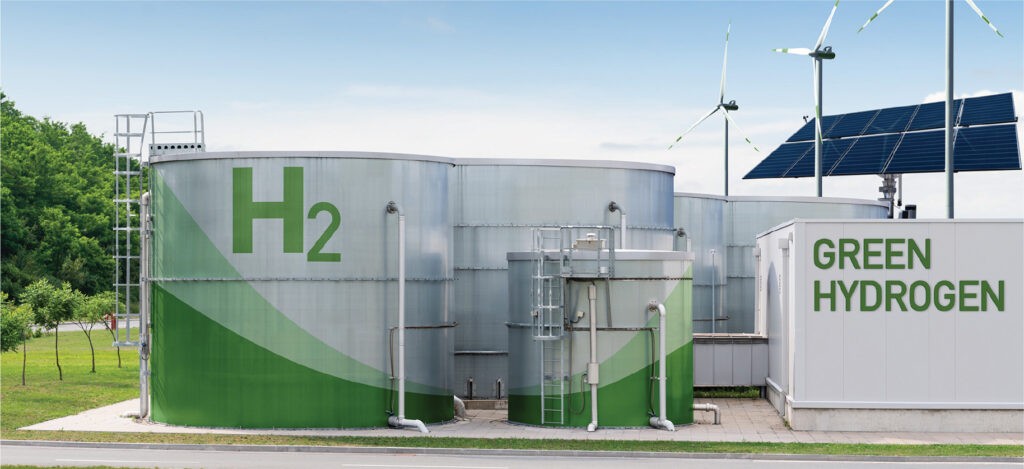
The Ministry of Investment, Industry and Trade of Uzbekistan on July 10 hosted negotiations between Minister Laziz Kudratov and Mohammad Abunayyan, Chairman of the Board of ACWA Power. The parties discussed implementation of the company’s current portfolio of projects in Uzbekistan and prospects for expansion of investment cooperation in energy and chemical industry, the Uzbek ministry said. Today the investment portfolio of the Saudi company in Uzbekistan includes 8 projects with a total cost of over 6.8 billion USD and design capacity of more than 5.5 GW. It was emphasized that the success of the company plays an important role in promoting Uzbekistan as a comfortable investment destination and a leading center for introduction of renewable energy sources in the Central Asian region. Constructive exchange of views was held on topical issues relating to implementation of current projects on construction of a combined cycle power plant in Syrdarya region with a capacity of 1.5 GW, wind power plants in Bukhara region and Republic of Karakalpakstan with a total capacity of 2.6 GW and solar power plants in Samarkand and Tashkent regions with a capacity of 1.4 GW. An agreement was reached to take a set of practical measures to ensure accelerated commissioning of the projects. A number of new initiatives were considered separately. Thus, the parties welcomed the completion of necessary procedures and reaching new agreements on the project of construction of a plant for the production of "green" hydrogen, with a capacity of 3 thousand tons per year. The start of construction works is scheduled for the fall of this year. In addition, a discussion was held on the prospects for accelerating the project of localization of equipment production for wind turbines. Each of the parties stressed that the implementation of this project in Uzbekistan will significantly expand the geography and volume of renewable energy sources and increase the availability of these technologies in the domestic market.