• KGS/USD = 0.01144 0%
  • KZT/USD = 0.00194 -0%
  • TJS/USD = 0.10822 -0.18%
  • UZS/USD = 0.00008 0%
  • TMT/USD = 0.28490 -0.28%
  • KGS/USD = 0.01144 0%
  • KZT/USD = 0.00194 -0%
  • TJS/USD = 0.10822 -0.18%
  • UZS/USD = 0.00008 0%
  • TMT/USD = 0.28490 -0.28%
  • KGS/USD = 0.01144 0%
  • KZT/USD = 0.00194 -0%
  • TJS/USD = 0.10822 -0.18%
  • UZS/USD = 0.00008 0%
  • TMT/USD = 0.28490 -0.28%
  • KGS/USD = 0.01144 0%
  • KZT/USD = 0.00194 -0%
  • TJS/USD = 0.10822 -0.18%
  • UZS/USD = 0.00008 0%
  • TMT/USD = 0.28490 -0.28%
  • KGS/USD = 0.01144 0%
  • KZT/USD = 0.00194 -0%
  • TJS/USD = 0.10822 -0.18%
  • UZS/USD = 0.00008 0%
  • TMT/USD = 0.28490 -0.28%
  • KGS/USD = 0.01144 0%
  • KZT/USD = 0.00194 -0%
  • TJS/USD = 0.10822 -0.18%
  • UZS/USD = 0.00008 0%
  • TMT/USD = 0.28490 -0.28%
  • KGS/USD = 0.01144 0%
  • KZT/USD = 0.00194 -0%
  • TJS/USD = 0.10822 -0.18%
  • UZS/USD = 0.00008 0%
  • TMT/USD = 0.28490 -0.28%
  • KGS/USD = 0.01144 0%
  • KZT/USD = 0.00194 -0%
  • TJS/USD = 0.10822 -0.18%
  • UZS/USD = 0.00008 0%
  • TMT/USD = 0.28490 -0.28%
18 December 2025

Viewing results 271 - 276 of 472

Uzbekistan to Drill Deeper for Natural Gas

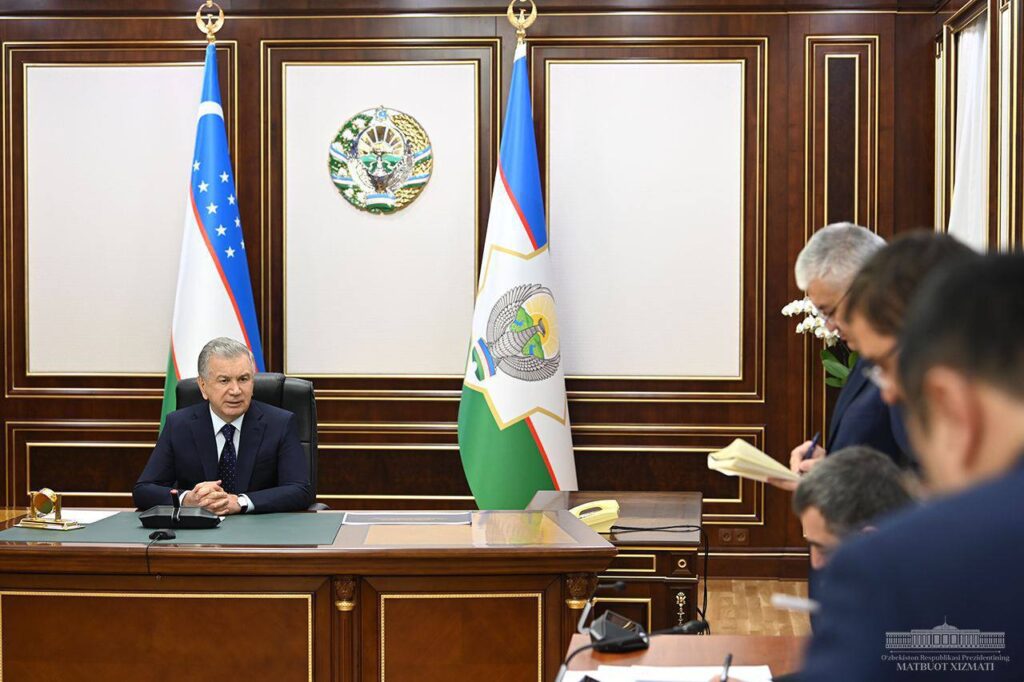
Uzbekistan to Drill Deeper for Natural Gas A government meeting chaired by President Shavkat Mirziyoyev on December 18th discussed the country’s geological exploration program for 2024. At the meeting, it was stated that work is being carried out in two directions: maintaining natural gas production volumes at existing fields and discovering new reserves. In recent years, the depth of geological exploration has been increased from 2-3 kilometers to 4-5 kilometers. As a result, new gas reserves were discovered and an additional 4.4 billion cubic meters were produced. An international consulting company was also involved in this work, which helped to identify many promising areas. Next year, it is planned to carry out seismic work on an area of 3,500 square kilometers and drill new exploratory wells. The meeting considered the ways to transition geological drilling to a depth of 6-7 kilometers using advanced technologies. The issue of attracting foreign investment in the sector was also discussed. In recent years, Uzbekistan’s natural gas industry has experienced problems due to the depletion of reserves at existing fields. This year, Uzbekistan started importing natural gas from Russia through Kazakhstan.
ADB to Improve 700 km of Rural Roads in Uzbekistan

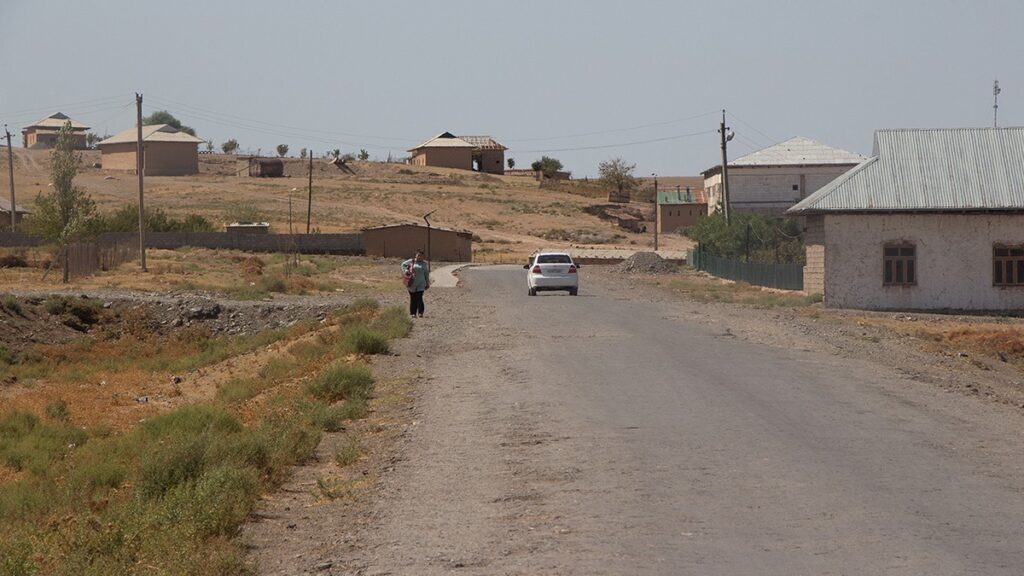
ADB to Improve 700 km of Rural Roads in Uzbekistan The Asian Development Bank (ADB) has approved a $240 million loan to improve 700 kilometers of rural roads in Uzbekistan, making them safer and more climate-resilient in order to enhance connectivity and promote rural development, the Bank said on December 11th. “With almost half of double-landlocked Uzbekistan’s population living in rural areas that rely on agriculture as the main source of livelihood, connectivity is critical,” said ADB Director General for Central and West Asia, Yevgeniy Zhukov. “Keeping rural communities connected to markets and services through safe, reliable, and climate-resilient rural roads is essential to achieve inclusive, sustainable economic development.” Aligned with the government’s National Development Strategy 2030 and the Rural Road Strategy 2035, the project marks a key initiative to kickstart the government’s Rural Road Program. It will focus on local and inter-farm rural roads in twelve regions and the Republic of Karakalpakstan. The improvements aim to enhance capacity, quality, connectivity, ensuring safety and climate resilience through reinforced embankments, bridges, culverts, and drainage systems. As a pioneering effort in Uzbekistan and the Commonwealth of Independent States, the project will provide rural communities and farmers with all-weather access to markets, schools, health services, and district centers. “ADB will help strengthen the operational capacity of both the Committee for Roads and local governments for the sustainable maintenance of rural roads,” said ADB Senior Transport Specialist, Yongkeun Oh. “We will support the implementation of a web and GIS-based rural road asset management system to improve decision-making and planning capabilities, leading to more efficient maintenance and resource allocation.” To capitalize on improved access to markets and economic opportunities, the project also aims to empower rural women through training in sustainable agriculture and climate-resilient practices. Community development facilities will be upgraded to provide entrepreneurship and livelihood skills training, alongside campaigns to raise awareness about gender violence and road safety.

Green Pitching Event at COP28 Focuses on Central Asia’s Sustainable Future

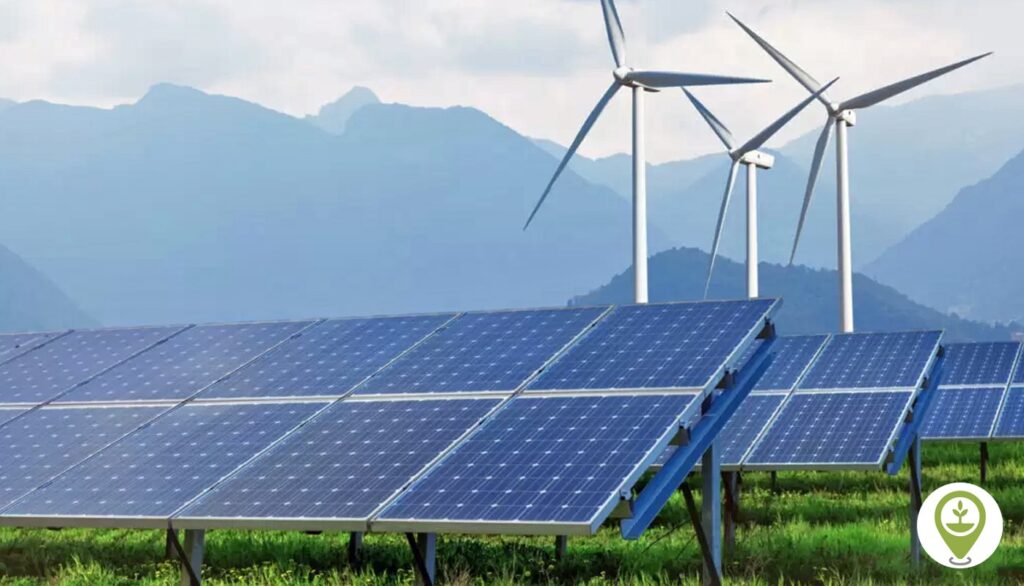
As reported on the United Nations Development Programme (UNDP) website, the UNDP in Kazakhstan organized a Green Projects Pitching Event for the countries of Central Asia, which aimed to spotlight innovative and sustainable initiatives across the region, showcasing a collaborative commitment to green growth and climate resilience. The 28th United Nations Climate Change Conference, or COP28, kicked off on November 30th and continues through to December 12th in Dubai, United Arab Emirates, with a growing urgency to increase action for meaningful change. The countries of Central Asia are presenting a common regional position on the most pressing climate issues at global scale, adopting the cooperative approach: Five countries – one region – one vote. As part of a region particularly vulnerable to the effects of climate change, the Central Asian nations are actively participating in the COP28 climate policy negotiations, advocating for commitments to reduce emissions, achieve carbon neutrality, and secure access to climate finance for the region. “The climate crisis knows no borders; it is a challenge that transcends individual nations,” said Nuri Ozbagdatli, UNDP Climate Change Specialist for Europe and Central Asia. “Success in addressing this global issue requires collective action. Together, the global community must pool our expertise, resources, and innovation to tackle climate change comprehensively, ensuring a sustainable future for all. In the countries of Central Asia, we strongly believe in the vast potential offered by the region's nature, population, and especially its youth. These factors form crucial elements in our joint endeavors to confront and overcome the challenges posed by climate change." The event was opened by the Ministers of Ecology from three Central Asian countries: Kazakhstan, Kyrgyzstan, and Uzbekistan. "Achieving a substantial reduction in greenhouse gases requires significant financial investment,” said Yerlan Nyssanbayev, Minister of Ecology and Natural Resources of Kazakhstan, in his welcoming speech. “The strategy of low-carbon development adopted by Kazakhstan this year estimates a net investment of US$610 billion in low-carbon technologies. At the same time, the importance of climate financing, which helps societies and economies build resilience and adapt to the impacts of climate change, cannot be overstated."

ADB Helps Support Privatization, Expand Lending to MSMEs in Uzbekistan

According to a press release by the Asian Development Bank (ADB), the bank, in partnership with Sanoat Qurilish Bank (SQB) have signed a $50 million senior convertible loan to support Uzbekistan’s privatization of state-owned banks, which will strengthen the banking sector, and contribute to economic growth and job creation. The International Finance Corporation (IFC) and the European Bank for Reconstruction and Development (EBRD) are parallel lenders. The loan will be used to help SQB expand its financing to underserved micro, small, and medium-sized enterprises (MSMEs), including those owned or led by women (WMSMEs). Portfolio diversification will contribute to SQB's transition into a fully universal commercial bank by serving a broader customer segment. ADB will also provide technical assistance to help SQB implement its transformation roadmap. “ADB fully supports the Government of Uzbekistan in its transformation to a vibrant and inclusive market economy and its implementation of banking sector reforms”, said ADB’s Director General of the Private Sector Operations Department, Suzanne Gaboury. “This project will support the stability of the country’s banking system, capitalization and deposit levels, while strengthening resilience and lending to climate projects and underserved MSMEs and WMSMEs”. According to ADB’s Uzbekistan Country Director, Kanokpan Lao-Araya, “MSMEs continue to struggle to secure commercial financing to fund their growth, with women-owned enterprises being the most affected. ADB is supporting an enabling environment in Uzbekistan for MSMEs gain easier access to markets, as well as providing much needed financing to close the financing gap for MSMEs. ADB’s partnership with SQB builds on those two objectives”. MSMEs play a significant role in Uzbekistan’s economy, comprising the majority of registered businesses and employing 74% of the workforce. However, access to financing remains a challenge, with only 13% of the sector having access to commercial loans. Women-led businesses face an even greater financing gap, estimated at $2.7 billion, with loans to women-owned businesses making up just 2.5% of total bank loans.

Teen Jailed for Derogatory Post About President Mirziyoyev

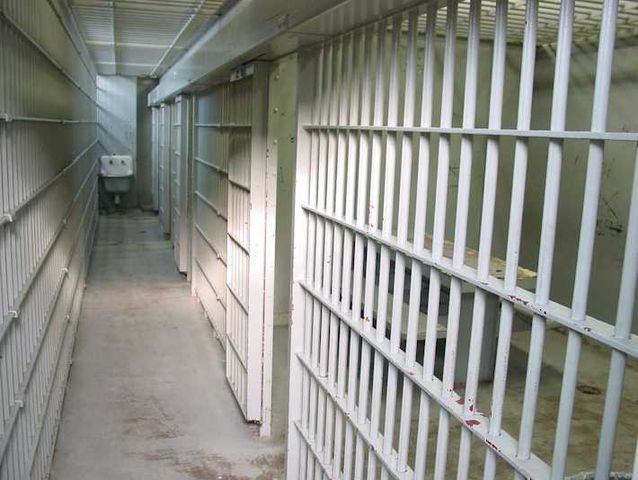
A Samarkand regional court has sentenced a 19-year-old Uzbek individual to two-and-a-half years in prison for derogatory comments aimed at President Shavkat Mirziyoyev in an Instagram post featuring the presidential family, some of whom hold significant political and business positions, as per RFE/RL's Uzbek Service. Dilshod Iskandarov becomes the latest among at least three Uzbeks convicted within the last year under a criminal statute related to insulting or defaming the president. Iskandarov reportedly deleted the post following warnings from relatives about its potential consequences.

EDB Proposes Ten Steps to Preserve Irrigated Land Potential and Support Water Conservation in Central Asia

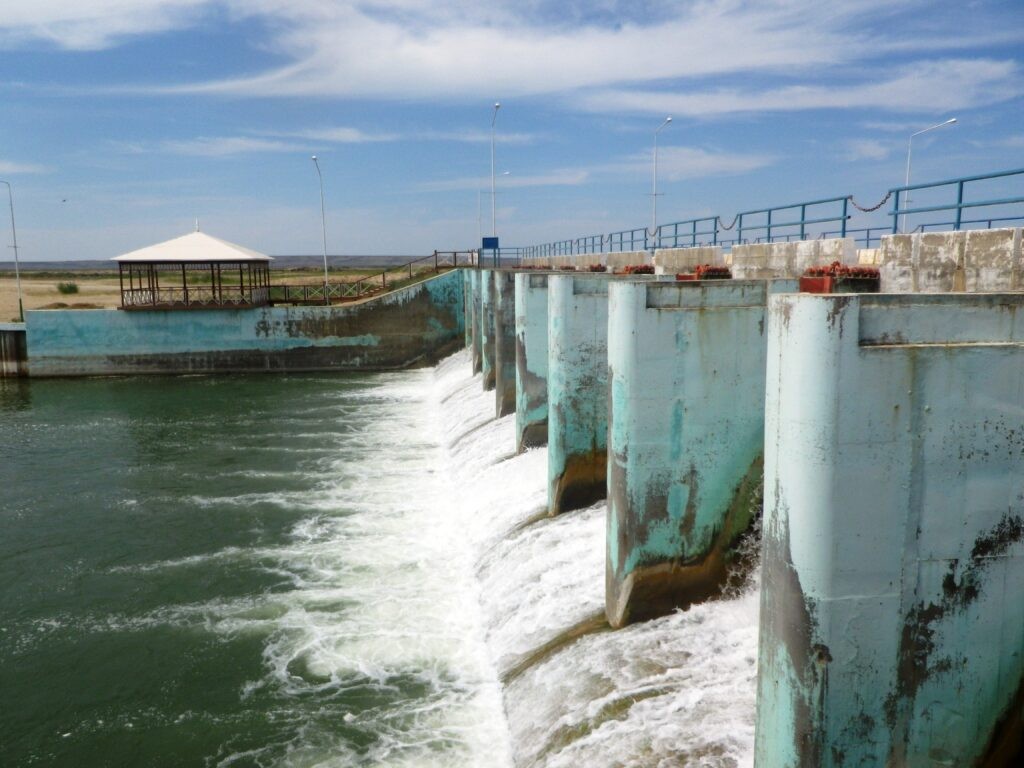
As outlined in a press release on the EDB website, in the summer of 2023, Central Asia was faced once again with water shortages, which have a significant impact on agriculture. The sector relies on irrigation, which consumes up to 80% of available water, and has a poor track record with regard to the efficient use of water resources. The irrigation infrastructure is over 50 years old. More than half of all irrigated land has become salinized, and 40% of water is lost through irrigation canals. A new Eurasian Development Bank (EDB) study entitled “Efficient Irrigation and Water Conservation in Central Asia” outlines ten practical steps for preserving irrigated land potential and promoting water conservation. The list includes four recommendations for adoption at a regional level and six at a national level. The measures are designed to save enough water each year to support sustainable development. Implementing the measures will require collaboration between governments, farmers and multilateral development institutions. The need for urgent action is intensified by the anticipated reduction in the flow of the Amu Darya River. Water deficit is a key structural constraint to socio-economic development in Central Asia. This region is among the most vulnerable to climate change, with temperatures rising at a faster rate than the global average. Periods of drought and low water are becoming more frequent, and the hydrological patterns of rivers and groundwater supplies are undergoing change. Glacier areas have been diminishing rapidly, with a 30% decrease over the last 50 years. Climate change is leading to reduced river flows at a time when the region’s demand for water is growing rapidly. The primary solution to the water deficit lies in improving irrigation practices. Agriculture in Central Asia is the largest consumer of water, with irrigation accounting for 100.4 km3 of the total 127.3 km3 (80%) of water used in the region in 2020. Historically, irrigation has played a vital role in developing agriculture and ensuring food security in the region. Central Asia boasts 10.1 million hectares of irrigated land, representing approximately 2.9% of the world’s total. This irrigated land generates nearly 66% of the region’s gross agricultural output in terms of value. However, Central Asia’s irrigation infrastructure is highly degraded and technically inadequate. It lacks the equipment needed for metering and distributing water for irrigation and controlling its use in the field. The average age of the irrigation infrastructure is over 50 years. Up to half of irrigated land is salinized. Water use in agriculture is inefficient, with 40% of water lost in the irrigation canal system. A commitment to conserving water appears to be the only solution to protecting the potential of irrigated land and food security in Central Asia. This shift in approach is imperative not only because of climate change and escalating water demand, but also to mitigate the anticipated decrease in the flow of the Amu Darya River from Afghanistan. By 2028, the combined effects of climate change, low-water periods and the commissioning of the Kosh-Tepa Canal in...