• KGS/USD = 0.01144 0%
  • KZT/USD = 0.00209 0%
  • TJS/USD = 0.10431 0.1%
  • UZS/USD = 0.00008 0%
  • TMT/USD = 0.28571 0%
  • KGS/USD = 0.01144 0%
  • KZT/USD = 0.00209 0%
  • TJS/USD = 0.10431 0.1%
  • UZS/USD = 0.00008 0%
  • TMT/USD = 0.28571 0%
  • KGS/USD = 0.01144 0%
  • KZT/USD = 0.00209 0%
  • TJS/USD = 0.10431 0.1%
  • UZS/USD = 0.00008 0%
  • TMT/USD = 0.28571 0%
  • KGS/USD = 0.01144 0%
  • KZT/USD = 0.00209 0%
  • TJS/USD = 0.10431 0.1%
  • UZS/USD = 0.00008 0%
  • TMT/USD = 0.28571 0%
  • KGS/USD = 0.01144 0%
  • KZT/USD = 0.00209 0%
  • TJS/USD = 0.10431 0.1%
  • UZS/USD = 0.00008 0%
  • TMT/USD = 0.28571 0%
  • KGS/USD = 0.01144 0%
  • KZT/USD = 0.00209 0%
  • TJS/USD = 0.10431 0.1%
  • UZS/USD = 0.00008 0%
  • TMT/USD = 0.28571 0%
  • KGS/USD = 0.01144 0%
  • KZT/USD = 0.00209 0%
  • TJS/USD = 0.10431 0.1%
  • UZS/USD = 0.00008 0%
  • TMT/USD = 0.28571 0%
  • KGS/USD = 0.01144 0%
  • KZT/USD = 0.00209 0%
  • TJS/USD = 0.10431 0.1%
  • UZS/USD = 0.00008 0%
  • TMT/USD = 0.28571 0%

Viewing results 739 - 744 of 1133

Uzbekistan-China Trade on the Rise

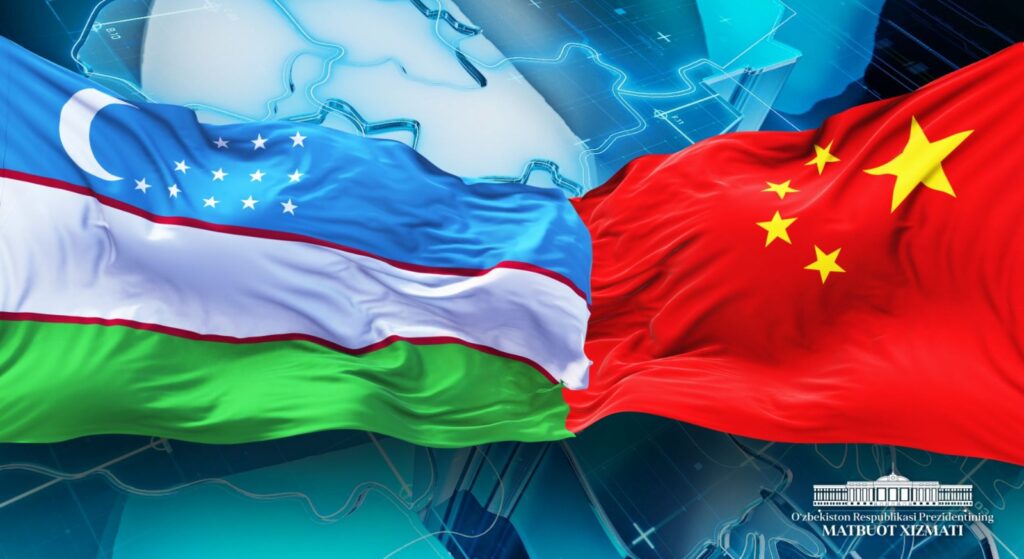
Uzbekistan and China are poised to increase bilateral trade to $20 billion a year. The statement, quoted by the news portal Novosti Uzbekistana (nuz.uz) was given by given by Obid Khakimov, director of Uzbekistan’s Center for Economic Research and Reforms (CERR) at the conference ‘Uzbekistan and China: promoting mutually beneficial cooperation for the benefit of the two countries’ peoples.’ In 2023, China ranked top amongst Uzbekistan's partners in trade, with a share of 22%. Over the past 7 years, Uzbekistan’s trade turnover with China has increased almost threefold from $4.8 billion to $13.7 billion; exports have risen from $2 billion to $2.5 billion, and imports from $2.7 billion to $11.3 billion. The analysis by the CERR illustrates Uzbekistan’s potential to increase its exports to China by substituting products currently sourced in large volumes from third world countries. In the main, these comprise fruit, vegetables and other foods, textiles, copper, and chemicals. Uzbekistan is especially interested in collaborative projects with China for the deep processing of locally mined strategic raw materials, and the implementation of socially important programs based on partnerships between public and private sectors. The early construction of the China-Kyrgyzstan-Uzbekistan railway, which by cutting the distance travelled by 900km, will reduce the delivery time of cargo by 7-8 days, is another area of key importance to Uzbekistan. According to Uzbekistan’s Statistics Agency, in 2023, China’s contribution of 25.6% was the largest of the total sum of foreign investments and loans in Uzbekistan. In comparison, the contribution from Russia was 13.4%; Saudi Arabia, 7.9%; Turkey, 6.4%; the United Arab Emirates, 5.8%, and Germany, 4.3%.

Uzbekistan to Introduce New Visa Program for Those Looking for ‘Second Home’

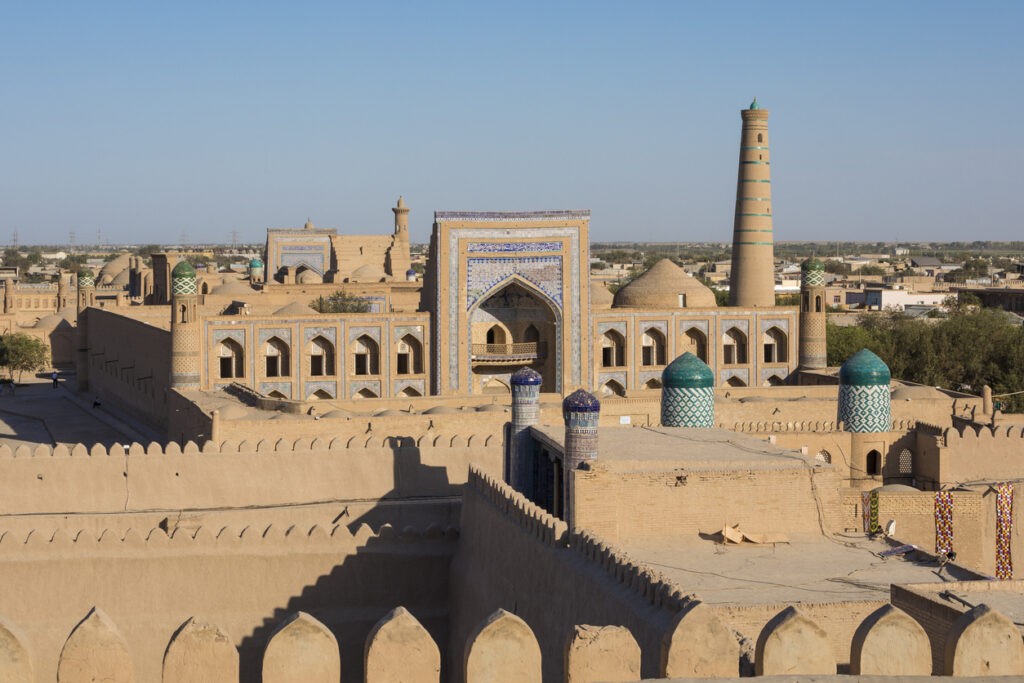
Uzbekistan is introducing a tourist visa program called Uzbekistan Is My Second Home, enabling foreign visitors to stay in its north-western Khorezm region for up to a year without restrictions. President Shavkat Mirziyoyev has also unveiled a three-year plan for developing the region’s tourism industry, commenting that the sector is one of Khorezm’s primary economic drivers. In the town of Khiva, in the western part of Khorezm, authorities are planning to open new 24-hour cafes, restaurants, and grocery stores. Major Uzbek cities, including Urgench just north of Khiva, are to receive 30 billion sum (around $2.4m) in subsidies in order to lower the cost of airline tickets. Unfortunately, several parts of Khorezm still currently lack hotels. Loans at present are offered at an 18% interest rate for a period of seven years -- with a two-year grace period -- for the construction of hotels and resorts to increase the number of available tourist beds. The Khorezm region has the highest density of tourist attractions, historical sites, and architectural artifacts in all of Uzbekistan. The area is home to 254 cultural heritage monuments, which span the Neolithic era and the 19th century. Thirty-two are holy places, 66 are sculptures, six are attractions, and 18 are archaeological.

USAID Supports Uzbekistan’s First Green Hydrogen Hub

According to a statement issued by the U.S. Embassy in Uzbekistan on February 29th, the United States Agency for International Development (USAID) is set to introduce a new initiative to support Uzbekistan’s clean energy objectives. Under Uzbekistan’s “Strategy for the Development of Renewable and Hydrogen Energy,” the region has a target to increase its generation of renewable energy (solar, wind, and hydro) by 25 percent by 2030, and carbon neutrality by 2050. To support the government’s goals and with the collaboration of the Uzbek Ministry of Energy and energy sector stakeholders, USAID has announced the launch a Green Hydrogen Hub. Edward Michalski, Acting Director of USAID Mission to Uzbekistan, reported, “USAID is committed to supporting the Central Asian countries in the pursuit of clean energy development and other energy priorities, as not just a goal, but a necessity.” By helping to further the energy sector’s expertise in clean energy technologies, the Hub will play an important role in shaping the region’s future energy landscape. A new curriculum on green hydrogen established by USAID in partnership with the University of Delaware, USA, and Tashkent State Technical University, has now been incorporated into a master’s degree program.

A New Railway Project for China, Kyrgyzstan and Uzbekistan

On March 1st, Akylbek Japarov Chairman of the Cabinet of Ministers of the Kyrgyz Republic, Abdulla Aripov Prime Minister of Uzbekistan and Ma Xingrui Communist Party Secretary of China’s western Xinjiang Uygur Autonomous Region, met in Kashgar (Xinjiang) to discuss the construction of the China-Kyrgyzstan-Uzbekistan railway. Japarov first praised the incentive for its potential to strengthen the development of trade and economic cooperation between the three countries and reported that a jointly funded feasibility study of the project had already been developed and approved. Uzbekistan’s Prime Minister Aripov expressed his country’s interest in developing multimodal transport routes to support the joint construction of the China-Kyrgyzstan-Uzbekistan railway. Addressing the insufficient throughput capacity of the Irkeshtam checkpoint on the Kyrgyz-Chinese border, Japarov stated, “increasing the volume of cargo throughput at the Irkeshtam checkpoint is an issue relevant to both the Kyrgyz and Chinese sides, as well as the Uzbek side. It is therefore important that all checkpoints are modernized and equipped with updated means of customs control.” He then reported that new customs inspection complexes at the Irkeshtam and Torugart checkpoints to be installed this year, will allow up to 125 vehicles per hour to cross the border, and added that the Kyrgyz side aims to increase the throughput capacity of these checkpoints to 1,000 vehicles per day. In the interest of developing trade and economic ties, the Secretary of Xinjiang’s Party Committee welcomed the Kyrgyz Prime Minister's proposals and supported his stance that Xinjiang is perceived as a gateway to China from Kyrgyzstan and in turn, several other Central Asian countries.

Two Hydrometric Stations Open On Uzbekistan, Tajikistan Border

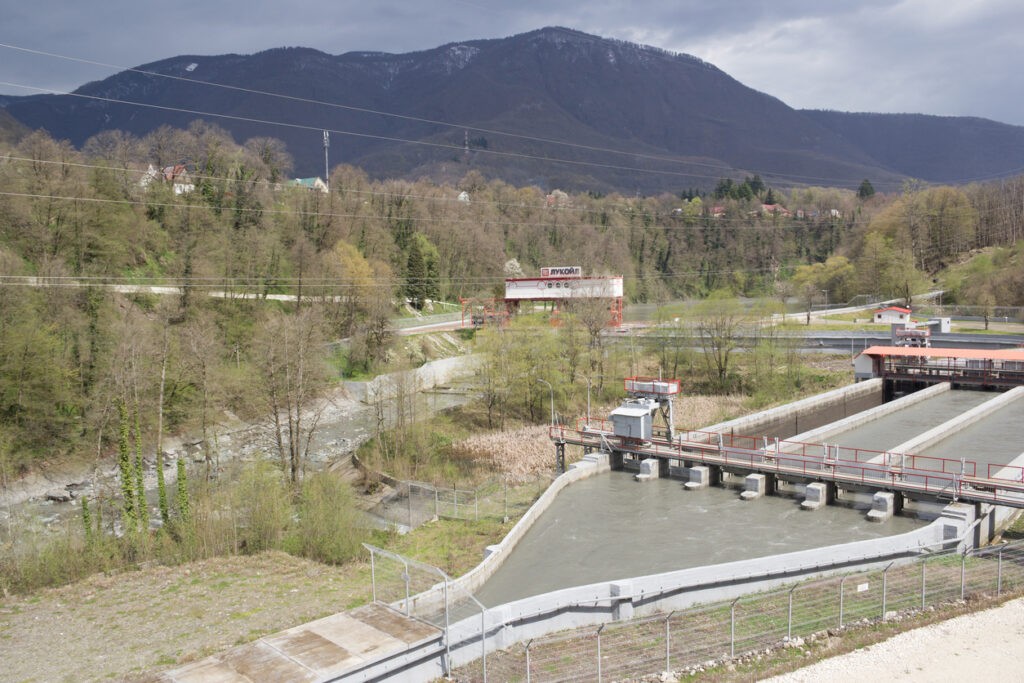
Two hydrometric stations have been opened along the cross-border Great Fergana Canal and North Fergana Canal, according to a report by news portal Gazeta.uz. Construction of the stations was facilitated by the Swiss government’s Blue Peace Central Asia initiative. The project was started in 2017 in response to the need for a cross-border strategy for water management in Uzbekistan and Tajikistan. The hydrometric stations were opened as part of the sixth meeting of the Uzbekistan-Tajikistan working group on the coordinated use of the transnational rivers’ water resources in Central Asia. The two countries signed a protocol on the automated computations and real-time transfer of cost data to Tajikistan and Uzbekistan from the two stations. The Gazeta.uz report claims that Switzerland has been assisting water reform initiatives in Tajikistan and Uzbekistan for nearly 20 years, employing an integrated approach to national water resources management. Blue Peace Central Asia supports the creation of guidelines for regional cooperation aimed at ensuring water security for the entire population of Central Asia. Recently, the data source Meteojurnal released statistics regarding the use of Amudarya water by Central Asian nations in 2023, based on information from the scientific information center of the Central Asian interstate water management coordination commission (Afghanistan was not taken into account). The largest user of river water was Turkmenistan, which diverted 42% of river water (20 cubic kilometers) to its own country. In second place was Uzbekistan, which used 38.4% of the river’s water (about 18.3 cubic kilometers). The next largest user, Tajikistan, accounted for 19.8% of water (more than 9.4 cubic kilometers).

 Uzbekistan Signs $246 Million Loan Agreement With Japanese Agency

Uzbekistan and the Japan International Cooperation Agency (JICA) have signed a loan agreement, this time for lending by the Sustainable Economic and Social Development Support Program in Japan, worth up to ¥37 billion ($246 million). The loan will help the Uzbek government continue its reforms to make the country's economy more market-driven. Its objective is to safeguard social cohesion and stability, encompassing the citizens who are susceptible to fluctuations in financial circumstances. JICA supports enhancing market institutions and the conditions that allow the private sector to flourish -- as well as enhancing state-owned enterprise governance, promoting social inclusion, and promoting sustainability. Moreover, the line of credit contributes to the Sustainable Development Goals (SDG) of poverty eradication, promoting gender equality, work safeguards and economic growth. The Ministry of Economy and Finance is designated as the executive agency of the agreement on the part of Uzbekistan. The loan is provided for a period of 30 years. In January 2022, at a meeting between the Director of the Cultural Heritage Agency of Uzbekistan Shahriyor Nurulloyev and first deputy head of the JICA office in Uzbekistan Yoshimasa Takemura, JICA allocated ¥55.9 million yen ($490,000) to their Uzbek counterparts. Funds were given to preserve and digitize cultural heritage archives and to strengthen cooperation between the two countries in the field of cultural heritage preservation.