• KGS/USD = 0.01144 0%
  • KZT/USD = 0.00193 -0%
  • TJS/USD = 0.10858 0.09%
  • UZS/USD = 0.00008 0%
  • TMT/USD = 0.28571 0%
  • KGS/USD = 0.01144 0%
  • KZT/USD = 0.00193 -0%
  • TJS/USD = 0.10858 0.09%
  • UZS/USD = 0.00008 0%
  • TMT/USD = 0.28571 0%
  • KGS/USD = 0.01144 0%
  • KZT/USD = 0.00193 -0%
  • TJS/USD = 0.10858 0.09%
  • UZS/USD = 0.00008 0%
  • TMT/USD = 0.28571 0%
  • KGS/USD = 0.01144 0%
  • KZT/USD = 0.00193 -0%
  • TJS/USD = 0.10858 0.09%
  • UZS/USD = 0.00008 0%
  • TMT/USD = 0.28571 0%
  • KGS/USD = 0.01144 0%
  • KZT/USD = 0.00193 -0%
  • TJS/USD = 0.10858 0.09%
  • UZS/USD = 0.00008 0%
  • TMT/USD = 0.28571 0%
  • KGS/USD = 0.01144 0%
  • KZT/USD = 0.00193 -0%
  • TJS/USD = 0.10858 0.09%
  • UZS/USD = 0.00008 0%
  • TMT/USD = 0.28571 0%
  • KGS/USD = 0.01144 0%
  • KZT/USD = 0.00193 -0%
  • TJS/USD = 0.10858 0.09%
  • UZS/USD = 0.00008 0%
  • TMT/USD = 0.28571 0%
  • KGS/USD = 0.01144 0%
  • KZT/USD = 0.00193 -0%
  • TJS/USD = 0.10858 0.09%
  • UZS/USD = 0.00008 0%
  • TMT/USD = 0.28571 0%
22 December 2025

Viewing results 499 - 504 of 858

China to Invest in Electric Scooter Production in Uzbekistan

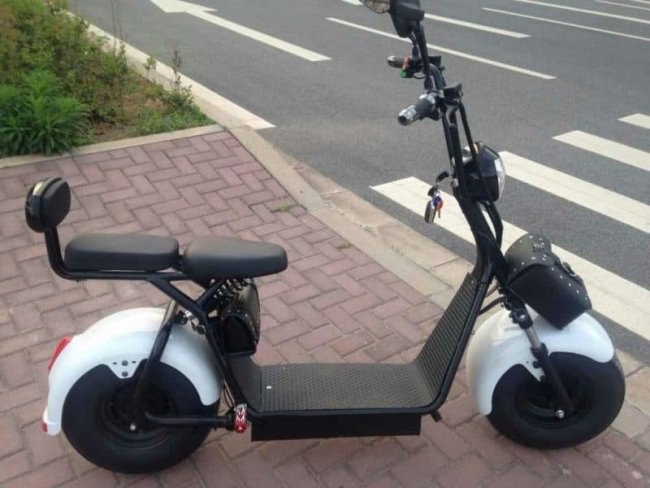
The Chinese company ECOMOTO has announced plans to become a joint producer of electric scooters in the Yangiyul district of Uzbekistan. A memorandum was signed at a meeting between Odiljon Ataullayev, hokim of Yangiyul district and investors whereby the project will be funded by direct foreign investment of 10 million dollars and create 50 jobs. The production of modern, competitively-priced electric scooters is expected to begin in the second quarter of 2025. A metal construction plant, built by the Chinese company Da Fu which recently started operating near Yangiyul, will produce up to 500 tons of products per year.  

Startups from Kazakhstan, Kyrgyzstan, and Uzbekistan to Undergo Training in Silicon Valley

During a visit to the U.S., Kazakhstan’s Minister of Digital Development, Innovation, and Aerospace Industry Zhaslan Madiyev signed four contracts with Alchemist X, Stanford Healthcare Innovation Lab, Draper University, and Silkroad Innovation Hub. Through these contracts, 50 startups from Central Asia will have the opportunity to undergo training and a residency program in Silicon Valley this year. As the Kazakh Ministry of Digital Development reported, Alchemist's five-month intensive program in Silicon Valley is designed for "mature" B2B startups. It aims to help them successfully enter the American market. Program participants will receive comprehensive support, including assistance in concluding first contracts with clients, attracting investment, studying client needs, and interacting with experienced mentors. Ten startups from Kazakhstan, Kyrgyzstan, and Uzbekistan were selected from the 81 applications submitted for the Alchemist X program. More than 20 startups will also participate in the Silicon Valley Residency Program, an online pre-acceleration program. Based on the results of this program, startups will be selected to undergo an offline program at the Silkroad Innovation Hub in California. The minister also signed a letter of intent (LOI) with Draper University to send 10 Kazakhstani startups to participate in this fall’s Hero Training program, designed for early startups. Madiyev also signed a memorandum with Stanford School of Medicine to launch a new six-week program for 10 Kazakhstani startups for technologies in healthcare. The program will be held at the Stanford Healthcare Innovation Lab and is designed for startups working in AI in healthcare, genomics, bioinformatics, biological sciences, precision medicine, neuroscience, and psychology.

Rise in Uzbekistan’s Foreign Trade Turnover

According to a report  published by the Statistics Agency of Uzbekistan on the country's socio-economic situation for the first  half of 2024, the gross domestic product amounted to 567.4 trillion UZS ($44.93 billion), an increase of 6.4% compared to the same period last year. The industrial network grew by 7.8%; agriculture, forestry, and fisheries by 3.8%, and construction by 10.1%. Local enterprises produced industrial products worth 370.0 trillion UZS ($29.30 billion) and the volume of agricultural, forestry, and fishery products totalled 170,297.3 billion UZS ($13.49 billion). The rate of inflation in Uzbekistan's consumer sector was 5.2%. Foreign trade turnover amounted to $31,828.2 million, an increase of $2,486.7 million or 8.5% compared to 2023. Exports reached $12,992.7 million, an increase of 5.5%, and imports, reached $18,835.5 million, an increase of 10.6% compared to the previous year. In July 1, 2024, 455,600 enterprises (excluding farms and peasant farms) were operating in the country, of which 387,100 are small enterprises and micro firms. Between January and June, 42,400 new enterprises and organizations were established, of which 41,000 were small enterprises and micro firms, and by July, of the 13,880 enterprises operating with foreign capital, 4,221 were joint ventures, and 9,659, solely international.  

Uzbekistan Launches NATO-Standard Armored Vehicle

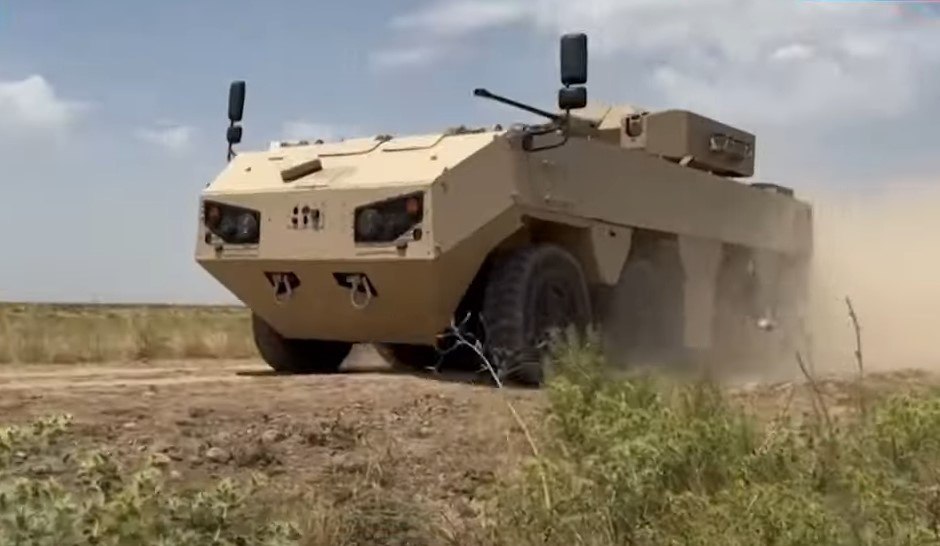
As reported by Uzbekistan 24, the Uzbekistan Defense Industry Agency has developed a new armored military vehicle, "Arslon," which is built to NATO standards. The vehicle, which weighs over 30 tons, can accommodate eight paratroopers and a crew of three. Its front is designed to protect against 30 mm armor-piercing shells. The side armor is capable of repelling 4.5-mm-caliber bullets. “In creating this armored personnel carrier, the parameters provided by NATO standards were considered. This is a national product created in Uzbekistan in cooperation with enterprises that produce high-quality components,” said Akmal Karimov, a company representative.

Kazakhstan, Iran, Turkmenistan and Russia to Develop North-South Transport Corridor

On July 19 - 20, the Ministry of Transport of Kazakhstan organized its first meeting on the North-South transit and trade corridor in Aktau attended by delegations from Azerbaijan, Armenia, Afghanistan, Kazakhstan, Russia, Belarus, Turkmenistan, UAE, Iran, Iraq, Oman, and Uzbekistan. By connecting Russia and Belarus to ports in the Persian Gulf, with further access to India, the North-South transport corridor will broaden prospects for trade and become a key engine for Kazakhstan's economic development. During the meeting,  Kazakhstan, Iran, Turkmenistan, and Russia signed a roadmap for the development of the eastern route of the North-South transport corridor from 2024 to 2025, aimed to increase the corridor's throughput to 15 million tons of cargo annually by 2027 and 20 million tons by 2030. Kazakh Minister of Transport Marat Karabaev commented: “Kazakhstan intends to continue its active participation in the development of the Eastern branch of the North-South corridor, which has the highest potential for growth in cargo flows until 2030 and appears to be the safest and shortest transit route to the Indian Ocean. Therefore, it is necessary to begin the practical implementation of the Roadmap signed today for the synchronous development of the eastern route of the North-South corridor passing through the territories of Kazakhstan, Russia, Turkmenistan, and Iran.”

Kyrgyzstan and Uzbekistan Launch Joint Projects, Seek to Increase Trade

On July 18, Kyrgyzstan's president Sadyr Japarov arrived on a state visit to Uzbekistan and held talks with his compatriot Shavkat Mirziyoyev in Tashkent. Mirziyoyev immediately emphasized that the state visit of the Kyrgyz president opens a new chapter in multifaceted Uzbek-Kyrgyz cooperation. The negotiations centered on measures to increase bilateral trade turnover, primarily through import substitution programs and industrial cooperation projects. The parties agreed to establish trading houses in Bishkek and Tashkent, form a portfolio of export-import contracts aiming to increase bilateral trade to $2 billion in the coming years, and launch a “green-light corridor” for the accelerated transportation of agricultural produce and livestock products. As the portfolio of ongoing industrial cooperation projects has already reached $300 million, the parties agreed to increase the authorized capital of the Uzbek-Kyrgyz Fund to $200 million to boost the financing of such projects. Identifying cooperation in the energy sector as strategically important, the two leaders spoke about an earlier signing of an agreement on joint construction of the Kambarata HPP-1 in Kyrgyzstan. This will allow for the construction of the hydropower plant to begin. Mirziyoyev commented: “We will take measures to speed up the signing of a trilateral [also with the participation of Kazakhstan] agreement on constructing the Kambarata-1 hydroelectric power plant. This megaproject will undoubtedly serve the sustainable development of our entire region.” Japarov emphasized that the key outcome of the negotiations was the signing of a Joint Statement on further deepening and expanding a comprehensive strategic partnership between Kyrgyzstan and Uzbekistan. Japarov also stressed the importance of an earlier start to the construction of the China-Kyrgyzstan-Uzbekistan railway, which will be strategically important for strengthening the transport connectivity between Kyrgyzstan and Uzbekistan, as well as for the entire Central Asia region. Japarov and Mirziyoyev also participated in a video conference ceremony to launch joint Kyrgyz-Uzbek projects. The leaders officially launched the work of a plant for the assembly of cars, trucks, and buses in the Chui region of northern Kyrgyzstan. Construction of the joint Kyrgyz-Uzbek automobile plant to manufacture Chevrolet and Isuzu vehicles began in May 2023, and the first car rolled off its assembly line in May 2024. During the first year of operation, Uzbekistan’s UzAuto Motors will invest $50 million to assemble 10,000 cars. These cars will be the Chevrolet Cobalt, Onix, and Tracker. The presidents also launched a joint factory in Kara-Balta, northern Kyrgyzstan, to produce linen and knitwear products. The factory will produce 17 thousand tons of knitted fabric annually and 7 million pieces of knitted products. Finally, the presidents launched the construction of two photovoltaic power plants, each with a capacity of 200 MW, in Uzbekistan’s Fergana and Namangan regions. The electricity generated by the plants will be supplied to Kyrgyzstan.