• KGS/USD = 0.01144 0%
  • KZT/USD = 0.00213 0%
  • TJS/USD = 0.10714 0.09%
  • UZS/USD = 0.00008 0%
  • TMT/USD = 0.28571 0%
  • KGS/USD = 0.01144 0%
  • KZT/USD = 0.00213 0%
  • TJS/USD = 0.10714 0.09%
  • UZS/USD = 0.00008 0%
  • TMT/USD = 0.28571 0%
  • KGS/USD = 0.01144 0%
  • KZT/USD = 0.00213 0%
  • TJS/USD = 0.10714 0.09%
  • UZS/USD = 0.00008 0%
  • TMT/USD = 0.28571 0%
  • KGS/USD = 0.01144 0%
  • KZT/USD = 0.00213 0%
  • TJS/USD = 0.10714 0.09%
  • UZS/USD = 0.00008 0%
  • TMT/USD = 0.28571 0%
  • KGS/USD = 0.01144 0%
  • KZT/USD = 0.00213 0%
  • TJS/USD = 0.10714 0.09%
  • UZS/USD = 0.00008 0%
  • TMT/USD = 0.28571 0%
  • KGS/USD = 0.01144 0%
  • KZT/USD = 0.00213 0%
  • TJS/USD = 0.10714 0.09%
  • UZS/USD = 0.00008 0%
  • TMT/USD = 0.28571 0%
  • KGS/USD = 0.01144 0%
  • KZT/USD = 0.00213 0%
  • TJS/USD = 0.10714 0.09%
  • UZS/USD = 0.00008 0%
  • TMT/USD = 0.28571 0%
  • KGS/USD = 0.01144 0%
  • KZT/USD = 0.00213 0%
  • TJS/USD = 0.10714 0.09%
  • UZS/USD = 0.00008 0%
  • TMT/USD = 0.28571 0%

Viewing results 325 - 330 of 569

Uzbekistan Opens New  Museum Commemorating WW2 Japanese POWs

On 30 April, Uzbekistan Minister of Ecology, Environmental Protection and Climate Change Aziz Abdukhakimov  joined by Ambassador of Japan to Uzbekistan Hatori Takashi, founder and director of the museum, Jalil Sultanov, and representatives of the Japan Society in Uzbekistan to celebrate the opening of a new museum in Tashkent commemorating Japanese prisoners of war. Over 20,000 Japanese POWs captured by the Soviet Union during the second world war, were interned in Uzbekistan between 1945-1950. During this period, the prisoners were dispersed across the country to construct buildings, dams, and roads in regions including Angren, Bekabad, and Kokand, and in Tashkent, built the Alisher Navoi Opera Theatre, the Mukini Theatre, the Central Telegraph and Ministry of Culture, as well as barracks still in use today. According to estimates, 817 died in the process. The new premises, under construction since 2023, replace the original museum founded in May 1998. Housing photographs, documents, and artefacts, such as prisoners’ workwear and a wooden crib made for the local market, the collections testify to the lives of Japanese POWs in Uzbekistan, and given a new lease of life, are expected to become a major draw for Japanese tourists visiting the country.

EU Gives Uzbekistan’s Agriculture Another Boost

On April 25 the European Union presented €6 million ($6.4 million) to the Uzbek government to support the country's National Food Security and Healthy Nutrition Strategy. Alongside the grant the EU has also provided funds to help the Ministry of Agriculture to carry out its planning reforms. Further funding of €20 million ($21.4 million) will be issued later this year and next, in support of Uzbekistan's National Agriculture Development Strategy for 2020-2030. The overall objective is the establishment of more market-orientated and sustainable agriculture and food sectors, and subsequently, the creation of more jobs and better access to safe and nutritious food for people in Uzbekistan. “The agri-food sector is critical for Uzbekistan’s economy and is a major source of employment,” commented the EU's ambassador to Uzbekistan Charlotte Adriaen. “Family-run or ‘dekhan’ farms produce most of the meat and vegetables consumed by Uzbek citizens. Our focus is therefore on those reforms that enable these farms to prosper, adapt to a changing climate, protect the environment, produce healthy food, and become part of local and global value chains. The grant funding together with other European Union initiatives such as GSP+ will also help to boost exports to the EU.” The European Union is Uzbekistan’s main funder of developments in the agriculture and food sectors. Between 2020-2023 it provided grants totaling €32.5 million ($35 million).

Samarkand to Host Asian Women’s Forum Next Month

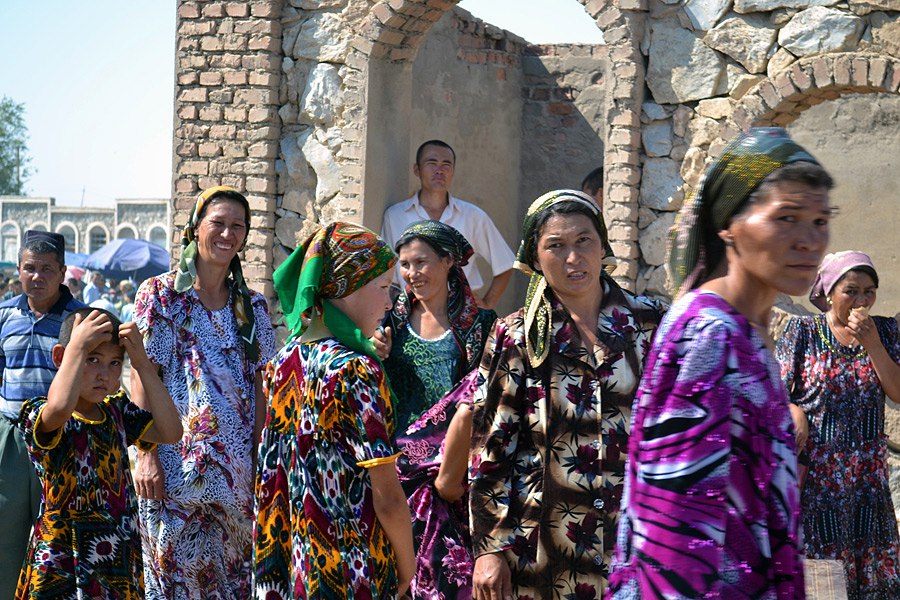
The Asian Women's Forum will be held in Samarkand this May, where participants will discuss the situation surrounding women's rights in the countries of Central and Southeast Asia. The forum will discuss issues related to expanding women's rights, and reducing poverty in the region by involving women in entrepreneurship. Sessions will pay special attention to the role of parliaments in stimulating women's participation in business, gender-oriented budgeting, elimination of gender disparity, and eradication of all forms of violence against women and children. The participants will also focus on modern approaches and best practices in promoting the green economy, the impact of climate change on gender issues in the region -- as well as protection of women's rights and interests. Women are now a driving force in all aspects of life in Central Asia. Addressing the 78th session of the UN Commission on the Status of Women in New York, Chairwoman of the Senate of the Oliy Majlis (bicameral parliament) of Uzbekistan Tanzila Narbayeva said that "the attitude towards women has fundamentally changed in the country. Much attention is [being] paid to their education, mastering professions and foreign languages -- as well as to the development of women's entrepreneurship." To date, Uzbekistan has adopted more than 40 legal and regulatory acts to improve the status of women in society, established the National Agency for Social Protection, which, among other things, provides targeted assistance to women and works specifically on the social adaptation of women returned from conflict zones in Syria, Iraq and Afghanistan.

Authorities Find Secret Tunnel Connecting Kyrgyzstan and Uzbekistan

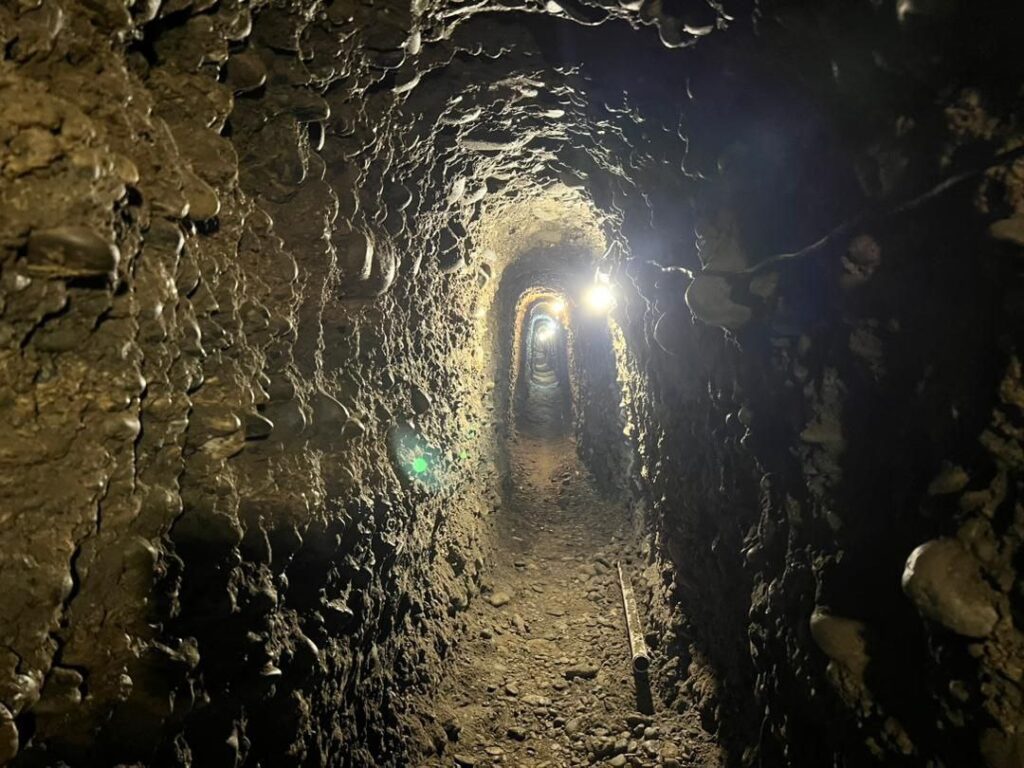
Another underground passage has been found in the Jalal-Abad region of Kyrgyzstan, which was being used to illegally transport both people and contraband goods into neighboring Uzbekistan. The suspects involved have been arrested. That's according to a report from news outlet, Kaktus, which references information from the press service of the Department of Internal Affairs of Kyrgyzstan's Osh region. On April 5, officers of the Ministry of Internal Affairs of Osh region arrested a female citizen of Uzbekistan who illegally crossed the Kyrgyz border. During the investigation, it turned out that she crossed the international border into Kyrgyzstan through a secret tunnel connecting the two countries. The police opened a criminal case under Article 168 of the Criminal Code of Kyrgyzstan on “Organization of illegal migration, illegal importation of migrants.” On the night of April 12, a local citizen was arrested in the Nooken district suspected of organizing illegal crossings of the Kyrgyz-Uzbek border for payment. According to police, during the arrest, specially marked currency and night vision binoculars were confiscated. In addition, 87 boxes of narcotics with an initial value of about $30,000 dollars were found in his house. This is the third secret underground passageway discovered, with two secret underground tunnels connecting the city of Khanabad, Andijan region (Uzbekistan), with Bekabad village, Suzok district, Jalalabad region (Kyrgyzstan) having previously been identified. Members of a cross-border criminal group consisting of citizens of Uzbekistan and Kyrgyzstan were captured. On March 17 of this year, a Kyrgyz citizen took a total of 813 mobile phone devices in 16 bags to Uzbekistan using an underground tunnel, and tried to take 1.745 kilograms of gold bars and jewelry out of the country. They were apprehended with physical evidence.

Innovating in Uzbekistan: Council Aims to Nurture Young Scientists

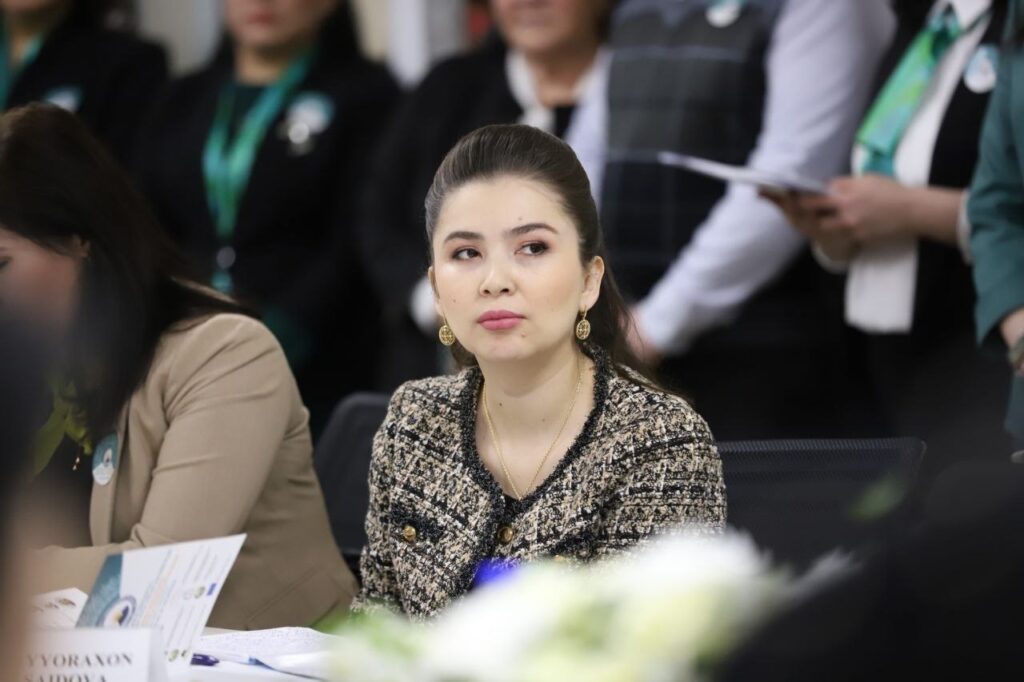
TASHKENT, Uzbekistan - Uzbekistan has this to say to any young Uzbek citizen interested in science: Step up and collaborate. Uzbekistan’s Council of Young Scientists, or CYS, is seeking to expand the ranks of fledgling scientists, overseeing financial and other support as well as programs to attract researchers. The group, founded in 2017 under a presidential initiative, had more than 10,000 members in 2022 and the number has tripled since then, according to director, Sayyora Saidova. In an interview with The Times of Central Asia, Saidova talked about the surge of interest in science in Uzbekistan. “Even though the age limit for membership in the organization is 30, scientists under 45 are also members of our organization,” said Saidova, who has a PhD in philosophy. “We are ready to accept every young person interested in science as a member of the organization. In most cases, young scientists apply to CYS to find a scientific supervisor.” The non-governmental group has organized free online and in-person conferences, offering a platform for young people to publish articles that are checked for quality by an editorial board. Young inventors are encouraged through forums and competitions, and it helps to patent their ideas, Saidova said. The council introduced the “PhD sari qadam” (Step to PhD) project through social networks to support aspiring female scientists. In its second season, organizers selected a hundred women who were trained for two months on how to complete a PhD. Saidova spoke to The Times of Central Asia, or TCA, after the project’s closing ceremony on April 5. Dilorom Mamadjanova, a participant in the “PhD sari qadam” project, said Uzbekistan offers adequate opportunities for young researchers. “In our country, as in countries such as Germany, Finland, and the Czech Republic, doctoral students do not pay any fees,” said Mamadjanova, a PhD student at Tashkent State Pedagogical University. However, she pointed out difficulties. “In some higher education institutions, doctoral students are required to come to the university every day, [as] daily attendance is taken,” she said in written remarks to TCA. “I believe that doctoral students should spend time in research facilities for their research work - libraries and similar places useful for dissertation work.” Mamadjanova also noted that there were “small obstacles” when a doctoral student wants to use the database of another university’s library and is required to get a letter of application from his or her own university in order to do so. “I believe that this is a time-consuming, bureaucratic process,” she said. Saidova said the Council of Young Scientists cooperates with the Ministry of Innovation, helping young researchers in chemistry and physics get permission to use laboratories and access international literature. “Although CYS does not have its own fund, it participates in many state and international grants. We directly mediate between international organizations and researchers,” Saidova said. “Last year, the UNICEF organization announced a grant to fight against corruption. CYS brought together all young scientists doing scientific work in this field. The organization directly helped young...

Uzbekistan to Host Eco Race in Support of Aral Sea Region

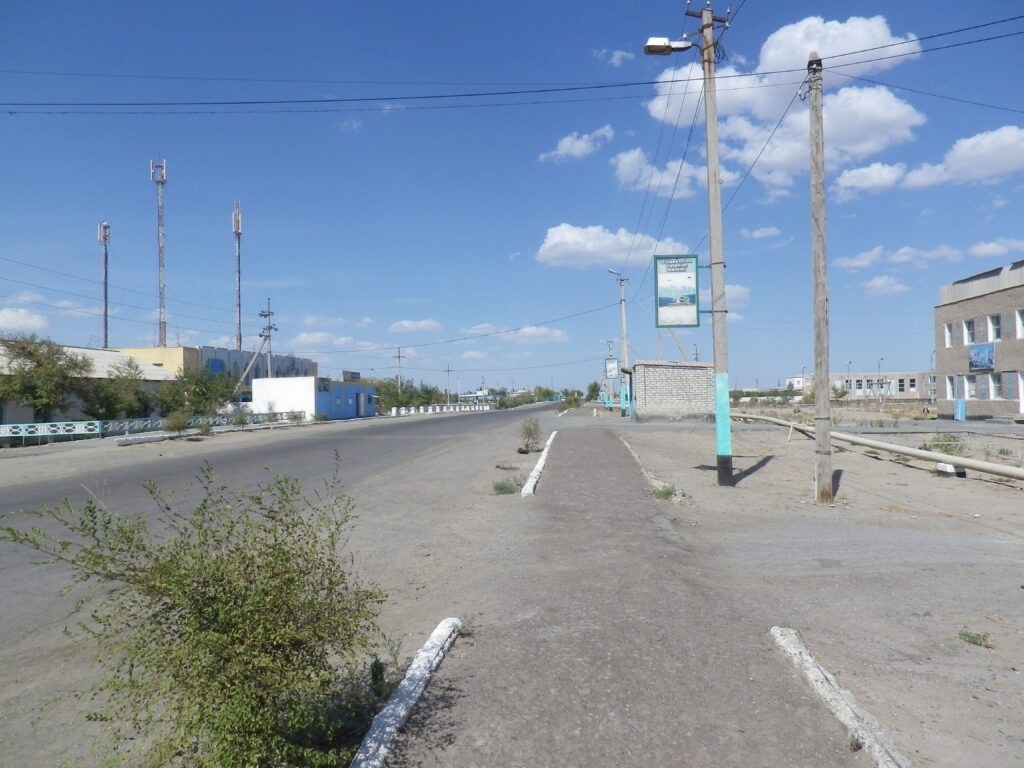
On April 18 in Moynaq, Karakalpakstan, organizers Prorun will host an Aral Sea Eco Race with a total distance of two kilometers. Participants will run one km to the location of a tree planting, plant a tree, and then return. At the finish line, each participant will receive a medal in the form of a symbolic tree for partaking in the restoration project. As organizer Andrey Kulikov told the Times of Central Asia, "the run is being held to draw the world's attention to the environmental problems of the region and inspire everyone to take actions to protect it. Twelve participants have already registered, and about a hundred runners are expected. The run will be held at the experimental site next to the nature museum in Moynaq. The three fastest runners will receive commemorative prizes. In every race organized by the Prorun movement, we aim to attract as many people as possible to a healthy lifestyle and to dedicate the races to environmental protection and environmental issues. Our biggest event will be a 42-km marathon on the dried-up Aral Sea bed, which will take place on June 17. A hundred people will take part in the race dedicated to the International Day to Combat Desertification and Drought. In addition, Prorun practices 'plogging' races, during which participants collect rubbish along their route." The Aral Sea Eco Race is being held as part of the Aral Sea Tourism Week, which will run from April 16-19 in the Nukus and Moynaq districts of Karakalpakstan. During the week, there will be an international scientific and practical seminar "Goodwill Ambassadors of the Aral Sea," an exhibition and an art exhibition entitled "The Aral Sea Through the Eyes of Artists," where paintings of the Aral Sea will be presented. The participants will also enjoy a gastronomic festival called 99 kinds of fish dishes of the Aral Sea, and a trip to historical monuments. Last autumn, Uzbekistan planted 28,000 hectares of greenery in the Moynaq district and the desert areas of the Aral Sea basin as part of a nationwide greening campaign called Yashil Makon (Green Edge). In 2024, Kazakhstan plans to plant on 275,000 hectares of the former Aral Sea bed. In total, according to the Ministry of Ecology and Natural Resources of Kazakhstan, 544,500 hectares of forest were sown between 2021-2023.