• KGS/USD = 0.01144 0%
  • KZT/USD = 0.00212 0%
  • TJS/USD = 0.10432 -0.29%
  • UZS/USD = 0.00008 0%
  • TMT/USD = 0.28571 0.28%
  • KGS/USD = 0.01144 0%
  • KZT/USD = 0.00212 0%
  • TJS/USD = 0.10432 -0.29%
  • UZS/USD = 0.00008 0%
  • TMT/USD = 0.28571 0.28%
  • KGS/USD = 0.01144 0%
  • KZT/USD = 0.00212 0%
  • TJS/USD = 0.10432 -0.29%
  • UZS/USD = 0.00008 0%
  • TMT/USD = 0.28571 0.28%
  • KGS/USD = 0.01144 0%
  • KZT/USD = 0.00212 0%
  • TJS/USD = 0.10432 -0.29%
  • UZS/USD = 0.00008 0%
  • TMT/USD = 0.28571 0.28%
  • KGS/USD = 0.01144 0%
  • KZT/USD = 0.00212 0%
  • TJS/USD = 0.10432 -0.29%
  • UZS/USD = 0.00008 0%
  • TMT/USD = 0.28571 0.28%
  • KGS/USD = 0.01144 0%
  • KZT/USD = 0.00212 0%
  • TJS/USD = 0.10432 -0.29%
  • UZS/USD = 0.00008 0%
  • TMT/USD = 0.28571 0.28%
  • KGS/USD = 0.01144 0%
  • KZT/USD = 0.00212 0%
  • TJS/USD = 0.10432 -0.29%
  • UZS/USD = 0.00008 0%
  • TMT/USD = 0.28571 0.28%
  • KGS/USD = 0.01144 0%
  • KZT/USD = 0.00212 0%
  • TJS/USD = 0.10432 -0.29%
  • UZS/USD = 0.00008 0%
  • TMT/USD = 0.28571 0.28%

Viewing results 175 - 180 of 280

Uzbekistan’s Supreme Court Vacates Convictions of 198 Victims of Stalinist Repressions

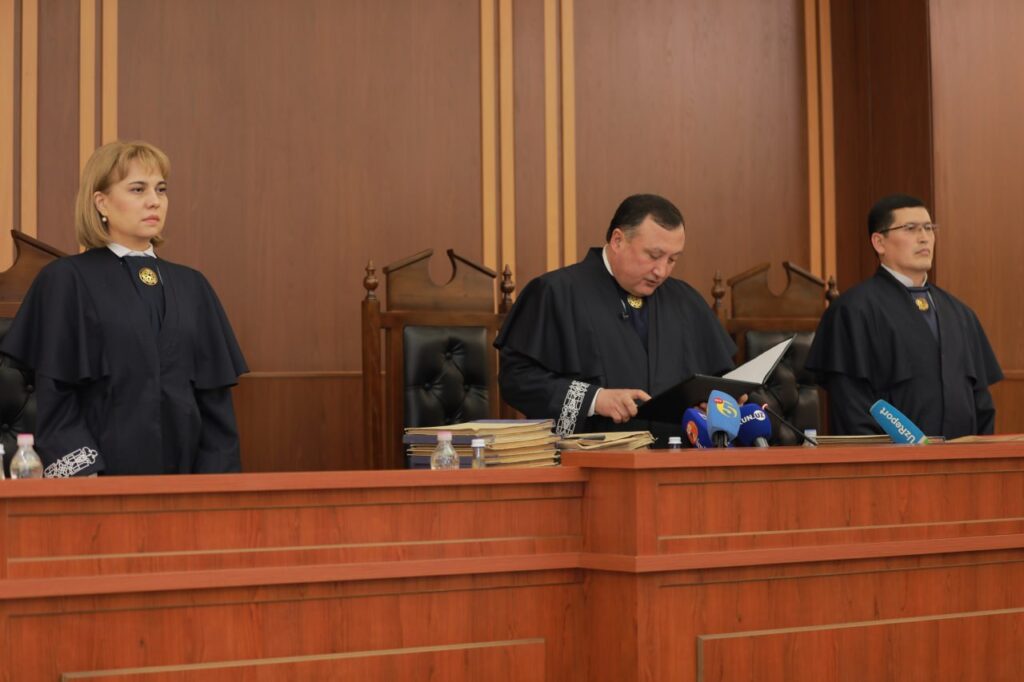
On May 6, the criminal trial panel of the Supreme Court of Uzbekistan considered 11 criminal cases involving 198 people who were unjustly punished by court verdicts over the period of 1930–1938, according to the press services of the Supreme Court of the Republic of Uzbekistan. Among those acquitted are high-ranking officials who held positions in the judicial system. Most of them were sentenced to death or long-term imprisonment with confiscation of property according to verdicts handed down by the Criminal Trial Committee of the Supreme Court of the Union of Soviet Socialist Republics on June 21, 1930. The vacating of those convictions was carried out according to a decree issued by President Shavkat Mirziyoyev dated October 8, 2020, titled “On further study of the legacy of repression victims and additional measures to perpetuate their memory." In order to ensure the implementation of the decree, a working group at the republican level was established to further study the legacy of repression victims, as well as organizing and coordinating the work of perpetuating their memory. After the approval of that “road map” for clearing the names of the victims of repression and perpetuating their memory, the scope of research on identifying victims was expanded, and officials were given the opportunity to use the departmental archives of ministries and agencies. Over the course of its efforts, the working group identified 1,031 people who were repressed during the Soviet-era, who subsequently had their convictions vacated.

Uzbekistan’s Schoolchildren to Sit International PISA Tests

In 2025, Uzbekistan, with the support of the World Bank, will participate  in the Programme for International Student Assessment (PISA) administered by the Organization for Economic Cooperation and Development (OECD), with pilot testing starting this May. PISA testing assesses the ability of students from more than 80 countries in their knowledge and skills in reading, math and science. When allocating funding for PISA testing in 2019, World Bank experts noted the acute shortage of teachers and their low qualifications and in addition,  the absence of means to assess  both the quality of preschool education and a comfortable environment for learning. "Investing in children's early education is one of the most effective ways to develop human capital, which in turn will stimulate economic growth in the country," Hideki Mori, the head of the World Bank's representative office in Uzbekistan, said at the time. Last year's test results placed Uzbek schoolchildren in the bottom ten  of the 80 participant countries. The cause indicated significant problems within the domestic education system and subsequent data revealed a direct correlation between test results and  families' socioeconomic status. To address the issue,  officials plan to allocate more than $3.7 billion for schools and school education curricula this year.

Uzbekistan Will Allow Gambling From Next Year

From 1 January 2025, gambling, lotteries and betting activities will be legal in Uzbekistan. The National Agency for Advanced Projects will control the legal entities that will manage gambling activities in the country. Those management companies will pay a tax on revenue at the rate of four percent for five years. Under the regulations, the age limit will be set for gambling participants at 18 years of age, and companies must have a license to provide betting services and gambling platforms. Despite the current bans, the population actively participates in games of chance -- using foreign and illegal services. That means that participants risk falling prey to scammers, losing huge sums of money in the process. Crimes and suicides among gamblers are not uncommon. According to preliminary estimates, the state budget will receive about $6 million per year. Earlier, the Uzbekistan Football Association's press secretary, Davron Faiziev, spoke about the advantages of legalizing betting activities: "By banning betting activities, we lose a lot. First of all, a large flow of funds goes to other countries. This is why the decision was made -- to legalize all this, to control and ensure clean activity in the future." In Faiziev's opinion, gaming and betting companies can improve the situation in the sports sector of the country's economy, as according to foreign experience, many betting offices are active sponsors of sports teams.

U.S. Government Discusses Data From Air Quality Monitor at Tashkent Embassy

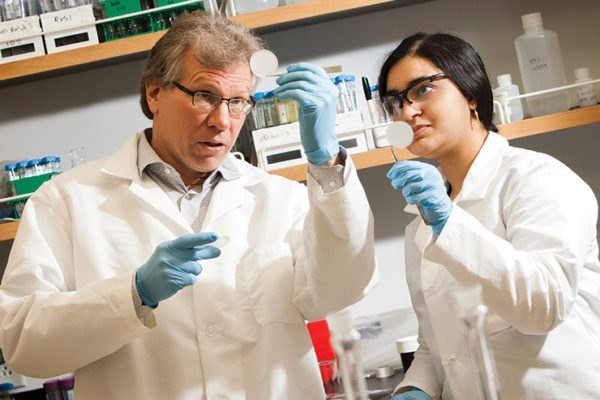
On April 22, a press conference was held at the U.S. Embassy in Uzbekistan with American air quality specialist and researcher Jay Turner speaking to media representatives about the air quality monitoring device installed at the embassy in Tashkent in 2018. According to Turner, the device monitors the concentration of air particles every hour: data is taken every 53 minutes, the remaining seven minutes are spent analyzing it, and the results are compared to the previous hour. Devices recently installed by Uzhydromet also monitor air quality hourly, and their data is roughly similar to that recorded at the U.S. Embassy. However, there are aspects that should be taken into account when comparing the results, says Turner. “It is required to follow certain protocols during the monitoring process. The equipment at the embassy follows these protocols, which I have checked myself. If we assume that Uzhydromet follows these protocols and submits its reports, it can be said that it will be the same as our data,” he said. Turner mentioned that work is currently underway to determine the differences between the monitoring devices. “To find an answer to this question, the U.S. State Department has allocated grant funds to Duke University and plans to install inexpensive air quality monitoring sensors throughout Tashkent. A portion of them has already been installed,” he stated.

Turkmen Dissidents Mark Anniversary of Deadly Storm With Government Protest

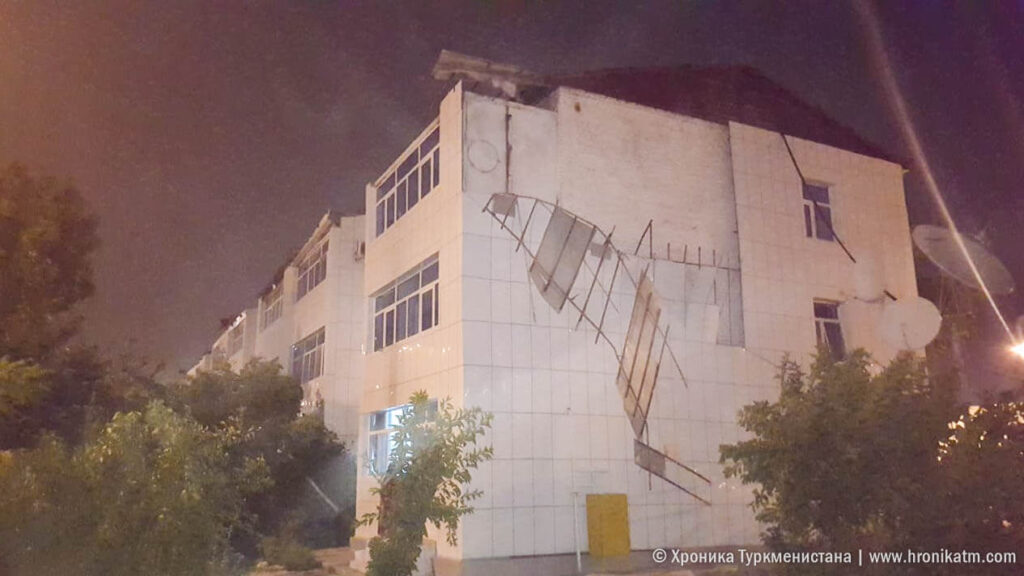
On April 27 activists from the Warsaw Post-Soviet Dissident Alliance will hold a protest in Warsaw, Poland, against the Turkmen government. The event is being organized in memory of the dozens of victims of the 2020 windstorm in the city of Turkmenabat.  The protest will mark the fourth anniversary of the April 27 storm that brought hurricane-force winds to Turkmenabat. The storm claimed dozens of lives, but authorities in Ashgabat have never mentioned it -- nor have they offered any support to the victims' families. Rather, criminal cases were opened against the volunteers who tried to help people in the city on their own, the Warsaw Alliance have claimed in a statement. The Alliance is demanding that Turkmen authorities acknowledge the storm as a historical fact, disclose the number of dead and injured, pay compensation to the injured citizens and their families, and declare April 27 as a day of mourning. On 27 April 2020 there was a severe windstorm in Turkmenistan. The gales damaged a number of settlements in the Turkmenabat region, leaving hundreds of people homeless. Electricity, gas and drinking water were cut off for several days in places like Lebap, Turkmanabat (partially), Kerki and Farob (completely). Turkmen state television made no mention of the storm. The windstorm also crossed into Uzbekistan, where one death and 41 injuries of various degrees were reported. In contrast to the response of the Turkmen government, Uzbekistan's president Shavkat Mirziyoyev immediately flew to the city of Bukhara, where there was the most damage, to meet with residents.

Uzbekistan Seeks to Expand Trade Horizons with Europe

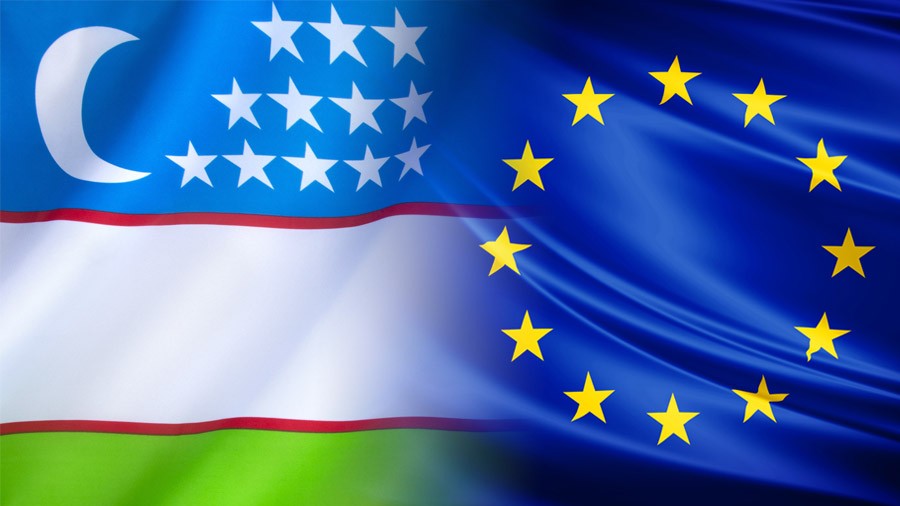
- Opinion by Robert Cutler   Uzbekistan's economic landscape has been evolving, with announcements of major reforms and international cooperation aimed at economic modernization and increasing its profile in global markets. Its partnership with the European Union (EU) has focused on critical raw materials. At the same time, Tashkent plans to reduce gas exports in favour of expanding petrochemical production and inviting foreign investment into its mining sector. In October 2023, the European Parliament (EP) had endorsed this policy direction by adopting a resolution on Uzbekistan based on a series of broad programmatic documents regarding Central Asia, including a previous Memorandum of Understanding (MoU) with Uzbekistan on energy cooperation. The EP also favorably mentioned the Enhanced Partnership and Cooperation Agreement (EPCA) concluded in July 2022 to "modernize" the EU's Partnership and Cooperation Agreement signed with Uzbekistan in 1999. A new MoU signed earlier this month by the European Commission’s Executive Vice-President Valdis Dombrovskis and Uzbekistan's Minister of Investment, Industry and Trade Laziz Kudratov foresees an ambitious intensification of the partnership. The agreement is touted as a step towards diversifying supply chains to Europe for critical raw materials (CRMs) required for the energy transition.   The EU's strategic economic partnership with Uzbekistan The new MoU follows on the EU's 25 October 2023 agreement with Uzbekistan during the Global Gateway Forum. That agreement had confirmed that Uzbekistan, with its reserves of metals such as silver, titanium, and lithium, would join the so-called Critical Raw Materials Forum. However, a critical evaluation of the MoU shows that a lot of hard work will be necessary to realize its plans and promises. In fact, the MoU represents a list of possibilities for cooperation without a guarantee of follow-through. The new partnership focuses on a number of areas of potential collaboration. These may be grouped under three general categories: (1) integrating CRM value and supply chains and their resilience; (2) mobilization of funding; and (3) cooperation on production, research, innovation and capacity building. The MoU itself admits that further specific cooperation is required to establish an operational roadmap that would specify particular joint actions for implementation. This partnership is in line with the EU's Global Gateway Initiative, which seeks to mobilize up to €300 billion in investments by 2027, although the initiative has been criticized for largely being a re-packaging of previously established programs without significant new funding. As far as Uzbekistan is concerned, the big unspoken problem is the need to enhance the country's economic competitiveness in global markets.   Uzbekistan's mineral resources exploration Only about 20 percent of Uzbekistan’s territory has been explored. Potential mineral resources are evaluated at US$5.7 billion, with the country’s explored reserves representing about US$1 billion of this amount. This unexplored potential represents a significant opportunity for further enhancing Uzbekistan's potential global competitiveness in the mineral resources sector, but only if transportation logistics can be economically put into place. According to the U.S. Geological Service, Uzbekistan also has reserves of other minerals - such as calcium, kaolin, rhenium and vermiculite...