• KGS/USD = 0.01143 0%
  • KZT/USD = 0.00200 0%
  • TJS/USD = 0.10593 0.09%
  • UZS/USD = 0.00008 0%
  • TMT/USD = 0.28575 0%
  • KGS/USD = 0.01143 0%
  • KZT/USD = 0.00200 0%
  • TJS/USD = 0.10593 0.09%
  • UZS/USD = 0.00008 0%
  • TMT/USD = 0.28575 0%
  • KGS/USD = 0.01143 0%
  • KZT/USD = 0.00200 0%
  • TJS/USD = 0.10593 0.09%
  • UZS/USD = 0.00008 0%
  • TMT/USD = 0.28575 0%
  • KGS/USD = 0.01143 0%
  • KZT/USD = 0.00200 0%
  • TJS/USD = 0.10593 0.09%
  • UZS/USD = 0.00008 0%
  • TMT/USD = 0.28575 0%
  • KGS/USD = 0.01143 0%
  • KZT/USD = 0.00200 0%
  • TJS/USD = 0.10593 0.09%
  • UZS/USD = 0.00008 0%
  • TMT/USD = 0.28575 0%
  • KGS/USD = 0.01143 0%
  • KZT/USD = 0.00200 0%
  • TJS/USD = 0.10593 0.09%
  • UZS/USD = 0.00008 0%
  • TMT/USD = 0.28575 0%
  • KGS/USD = 0.01143 0%
  • KZT/USD = 0.00200 0%
  • TJS/USD = 0.10593 0.09%
  • UZS/USD = 0.00008 0%
  • TMT/USD = 0.28575 0%
  • KGS/USD = 0.01143 0%
  • KZT/USD = 0.00200 0%
  • TJS/USD = 0.10593 0.09%
  • UZS/USD = 0.00008 0%
  • TMT/USD = 0.28575 0%
21 February 2026

Our People > Owen Prew

Owen Prew's Avatar

Senior Regional Editor

Owen is currently based in Bishkek, studying for an MA in Central Asian Studies with Russian. Prior to joining The Times of Central Asia, he spent two decades working as a lawyer both in the UK and internationally. He holds an Executive MBA, a Diploma in History, and a Law degree from Oxford University. In his spare time, he is an aspiring fiction writer and travel enthusiast, with a strong focus on Central Asia.

Articles

The Future of Kyrgyz Tech – Scaling Global Companies, Attracting Foreign Capital

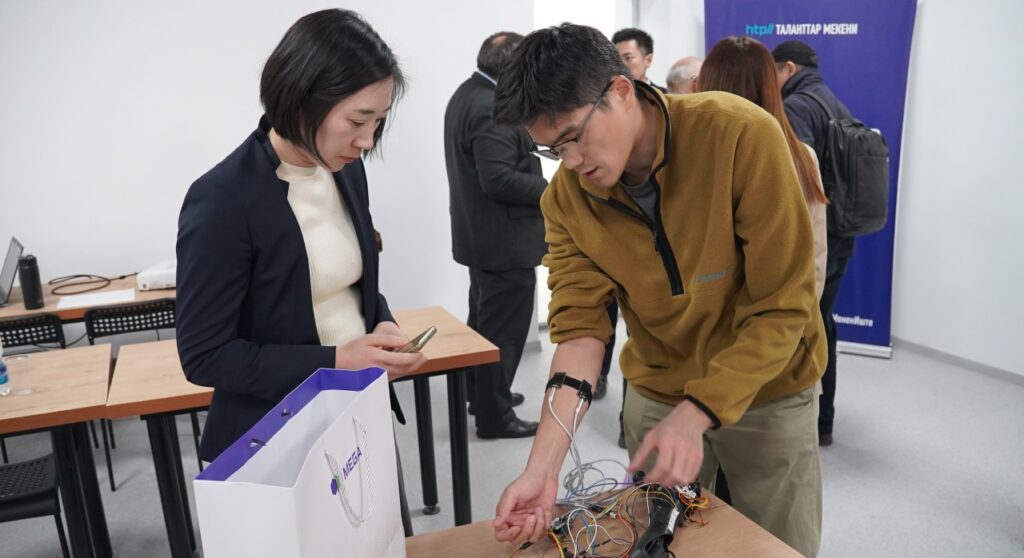
In the second installment of our exclusive two-part interview, The Times of Central Asia continues its deep dive into Kyrgyzstan’s evolving tech landscape with Elena Nechaeva, Head of Communications at the High Technology Park of the Kyrgyz Republic (HTP). Last week, we explored the startups and entrepreneurs who are currently building and scaling global businesses. If you missed it, you can read the first part of the interview here. This week, we focus on policy reform, cross-border cooperation, investor outreach, and the path ahead for Kyrgyz entrepreneurs in an increasingly globally competitive market. [caption id="attachment_40428" align="aligncenter" width="1280"] Image: The High Technology Park, Kyrgyz Republic[/caption] TCA: In terms of regulation and policy, what improvements or reforms would you like to see to better support innovation? Elena Nechaeva: There are several policy improvements that could really accelerate innovation in Kyrgyzstan, and many tech leaders have been very open about them. One of the biggest needs is a clearer national strategy for startups. Now, it’s not fully defined who exactly drives startup development and what the government’s long-term role should be. A coordinated approach with clear ownership would help the ecosystem grow much faster. Another important area is venture legislation and a stronger legal framework. Founders and investors often mention the need for a proper venture law, elements of English common law, and better protection of intellectual property. These changes would make it far easier to attract long-term capital and for investors to feel confident working with local companies. There’s also a lot of focus on the importance of modernizing higher education and expanding international partnerships. Strong engineering programs and links between academia and industry are essential for deep-tech development. And finally, Kyrgyzstan needs policies that help retain and attract talent. The digital nomad visa is already showing positive results, but it can be expanded. TCA: How does the Kyrgyz Republic's tech ecosystem compare to others in Central Asia or the wider region? Nechaeva: If you look at the region by population size, Kyrgyzstan is much smaller - about 7 million people, compared to nearly 20 million in Kazakhstan and over 36 million in Uzbekistan. And yet, with a far smaller talent pool and fewer resources, the country already exports more than $130 million in IT services, almost entirely to global markets. Whilst Kyrgyzstan’s tech ecosystem is smaller than some of our neighbors, it is one of the fastest-growing. What makes it different is that it is being developed from the bottom up - driven by founders, engineers, and communities rather than large state programs. That’s why the ecosystem is very agile, open, with a real-world focus on exports. Another difference is the mindset: Kyrgyz startups grow with a “global from day one” approach. They don’t build for a domestic market - they build for the U.S., Europe, and the wider world from day one. That creates a very different culture and pushes teams to compete internationally right from the start. So, while our ecosystem is smaller in size, it’s fast, flexible, and...

3 months ago

How the Kyrgyz Republic’s High Technology Park is Quietly Building a Digital Powerhouse

In an exclusive two-part interview with The Times of Central Asia, Elena Nechaeva, Head of Communications at the High Technology Park of the Kyrgyz Republic (HTP), offers a rare and detailed look into one of Central Asia’s most underreported digital ecosystems. While much attention has been given to the tech potential of Uzbekistan and Kazakhstan, Kyrgyzstan is quietly and deliberately attempting to build a globally connected digital economy, and, in recent years, it has gone from strength to strength. With deepening links to Silicon Valley and a new generation of ambitious startups and entrepreneurs, the country’s tech talent is emerging as some of the most competitive in the region. In this special series, The Times of Central Asia reveals the start-ups, entrepreneurs, and trends shaping Kyrgyzstan’s regional innovation space and why international investors should start paying attention. TCA: Can you briefly describe the mission and strategic goals of the High Technology Park (HTP)? Elena Nechaeva: The High Technology Park of the Kyrgyz Republic is built on a simple belief: the internet is our ocean. For a landlocked country, digital technologies open limitless space, a borderless world where geography no longer defines opportunity. The High Technology Park was created to help Kyrgyz companies export their talent and products and integrate into the wider global technology economy. As a government-backed organization, our mission is to accelerate the country’s economic growth through IT and to create global opportunities for local talent whilst developing the Kyrgyz Republic as an emerging hub for innovation. In the long term, our strategy is focused on three clear priorities. Firstly, we want to reach $1 billion in annual revenue generated by HTP resident companies. We aim to scale Kyrgyz IT exports by supporting companies with a favorable tax regime. This means 0% VAT, 0% corporate income tax, 0% sales tax, 5% personal income tax, to help them grow internationally. Then, we want to enable the first unicorn startup founded in the Kyrgyz Republic. The High Technology Park supports startups through international programs, accelerators, and a number of global partnerships, allowing them to access networks in Silicon Valley, Europe, and Asia. We have also set an ambitious target to train and empower 50,000 software developers. Developing these skills is perhaps the most important thing that we do. We are working closely with universities, schools, bootcamps, and private EdTech companies to cultivate a new generation of engineers and digitally savvy professionals. [caption id="attachment_40039" align="aligncenter" width="1280"] Image courtesy of The High Technology Park, Kyrgyz Republic @ the 2025 Gitex Expo in Dubai[/caption] TCA: How has the High Technology Park evolved since its inception? What have been the most significant milestones to date? Nechaeva: Since its inception, the High Technology Park has evolved from a small initiative into a fast-growing IT hub. The Kyrgyz tech ecosystem began developing in 2008, originally with the founding of the Kyrgyz Association of Software and Service Developers - the first professional organization uniting the country’s tech companies. This laid the foundation for a specialized IT regime. The...

3 months ago

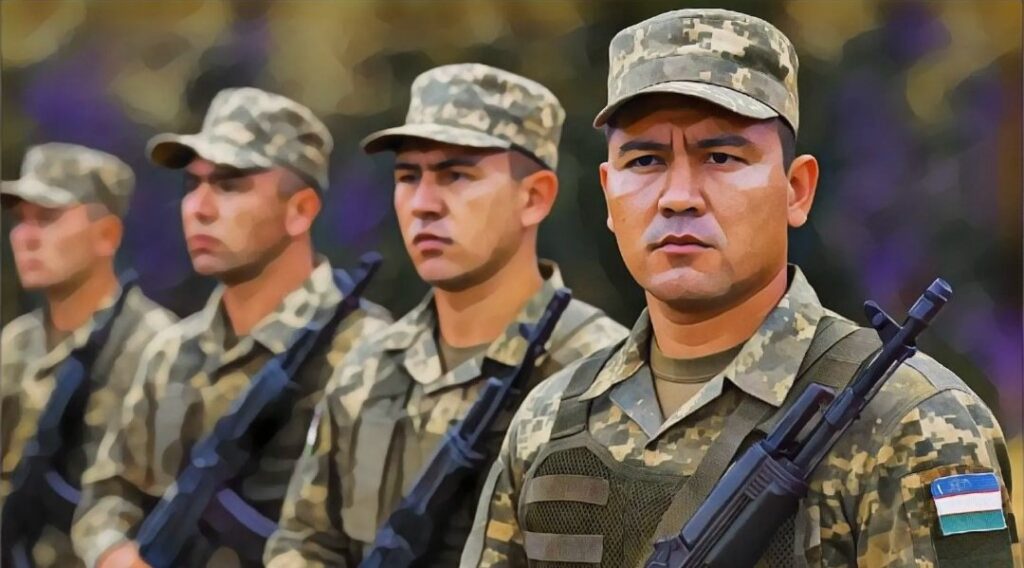
Inside Uzbekistan’s Regional Defense Strategy: An In-Depth Interview with Michael Hilliard

Michael Hilliard is Director of Defense & Security Analysis at the Oxus Society for Central Asian Affairs, where he leads a specialist project analyzing the armed forces of Central Asia. The Oxus Society’s latest report, focusing on Uzbekistan’s military, has just been released. The Times of Central Asia spoke with Hilliard about the report, Uzbekistan’s evolving defense doctrine, and its future role as a military power in the region. TCA: In light of the new report on Uzbekistan’s military, how would you characterize Uzbekistan’s overarching security and defense doctrine, especially in relation to the broader Central Asian region? Michael Hilliard: Uzbekistan’s primary defense doctrine is essentially internally focused. Since independence, and particularly since the events in Andijan in 2005, Tashkent has concentrated on transforming its forces into a rapid-response military with specializations in counterterrorism, crowd control, and dispersal operations. When you speak with officers or policymakers within the defense establishment, 2005 is a recurring reference point. During those early hours, protestors overran a motor rifle unit and seized weapons. Many defense personnel still believe that if they had been able to react faster, the final outcome in the square might have been different. This need for rapid adaptability has driven much of Tashkent’s defense policy since then. TCA: The report notes that Kazakhstan has now overtaken Uzbekistan as the region’s leading military power and that this gap is likely to widen. To what extent does this reflect Tashkent’s greater emphasis on regional cooperation and the resolution of border disputes, rather than competition? Hilliard: Kazakhstan’s economic dominance makes this outcome unsurprising. The country now accounts for just under 60% of Central Asia’s total GDP as of 2024. With that level of wealth, Astana naturally has greater resources to allocate to defense. However, Uzbekistan traditionally spends a higher proportion of its budget on the military. Despite having only half of Kazakhstan’s GDP, it has often matched Kazakhstan’s defense spending in real terms. If Kazakhstan simply accelerates its defense spending to the regional average, it will quickly surge ahead. Ultimately, it’s an issue of economics; Kazakhstan has more money to spend. TCA: What is the role of the Shanghai Cooperation Organisation (SCO) and its Regional Anti-Terrorist Structure (RATS) in shaping Uzbekistan’s regional military posture? Hilliard: While some once had ambitious visions for the SCO, today it’s primarily intelligence-focused. Joint exercises are still held but remain limited, and RATS’ influence has declined somewhat following China’s controversial maneuvering within the organization. At present, RATS focuses more on identifying individuals or groups, such as traffickers or terrorist networks, that all member states have a shared interest in apprehending. It’s quite different from the CSTO, where Moscow wields far greater control. TCA: How might Tashkent view the recent clashes between Taliban and Pakistani forces, given that Pakistan currently chairs RATS? Hilliard: Tashkent’s attention is mainly on northern Afghanistan, not the Taliban-Pakistan clashes in the southeast. These incidents appear limited, so they’re unlikely to alter Tashkent’s calculus significantly. However, they do make cross-regional initiatives such as the Tajikistan-Afghanistan-Pakistan-India (TAPI)...

4 months ago