• KGS/USD = 0.01144 0%
  • KZT/USD = 0.00217 0%
  • TJS/USD = 0.10625 0%
  • UZS/USD = 0.00008 0%
  • TMT/USD = 0.28530 0%
  • KGS/USD = 0.01144 0%
  • KZT/USD = 0.00217 0%
  • TJS/USD = 0.10625 0%
  • UZS/USD = 0.00008 0%
  • TMT/USD = 0.28530 0%
  • KGS/USD = 0.01144 0%
  • KZT/USD = 0.00217 0%
  • TJS/USD = 0.10625 0%
  • UZS/USD = 0.00008 0%
  • TMT/USD = 0.28530 0%
  • KGS/USD = 0.01144 0%
  • KZT/USD = 0.00217 0%
  • TJS/USD = 0.10625 0%
  • UZS/USD = 0.00008 0%
  • TMT/USD = 0.28530 0%
  • KGS/USD = 0.01144 0%
  • KZT/USD = 0.00217 0%
  • TJS/USD = 0.10625 0%
  • UZS/USD = 0.00008 0%
  • TMT/USD = 0.28530 0%
  • KGS/USD = 0.01144 0%
  • KZT/USD = 0.00217 0%
  • TJS/USD = 0.10625 0%
  • UZS/USD = 0.00008 0%
  • TMT/USD = 0.28530 0%
  • KGS/USD = 0.01144 0%
  • KZT/USD = 0.00217 0%
  • TJS/USD = 0.10625 0%
  • UZS/USD = 0.00008 0%
  • TMT/USD = 0.28530 0%
  • KGS/USD = 0.01144 0%
  • KZT/USD = 0.00217 0%
  • TJS/USD = 0.10625 0%
  • UZS/USD = 0.00008 0%
  • TMT/USD = 0.28530 0%

Our People > Stephen M. Bland

Stephen M. Bland's Avatar

Stephen M. Bland

Managing Editor and Head of Investigations

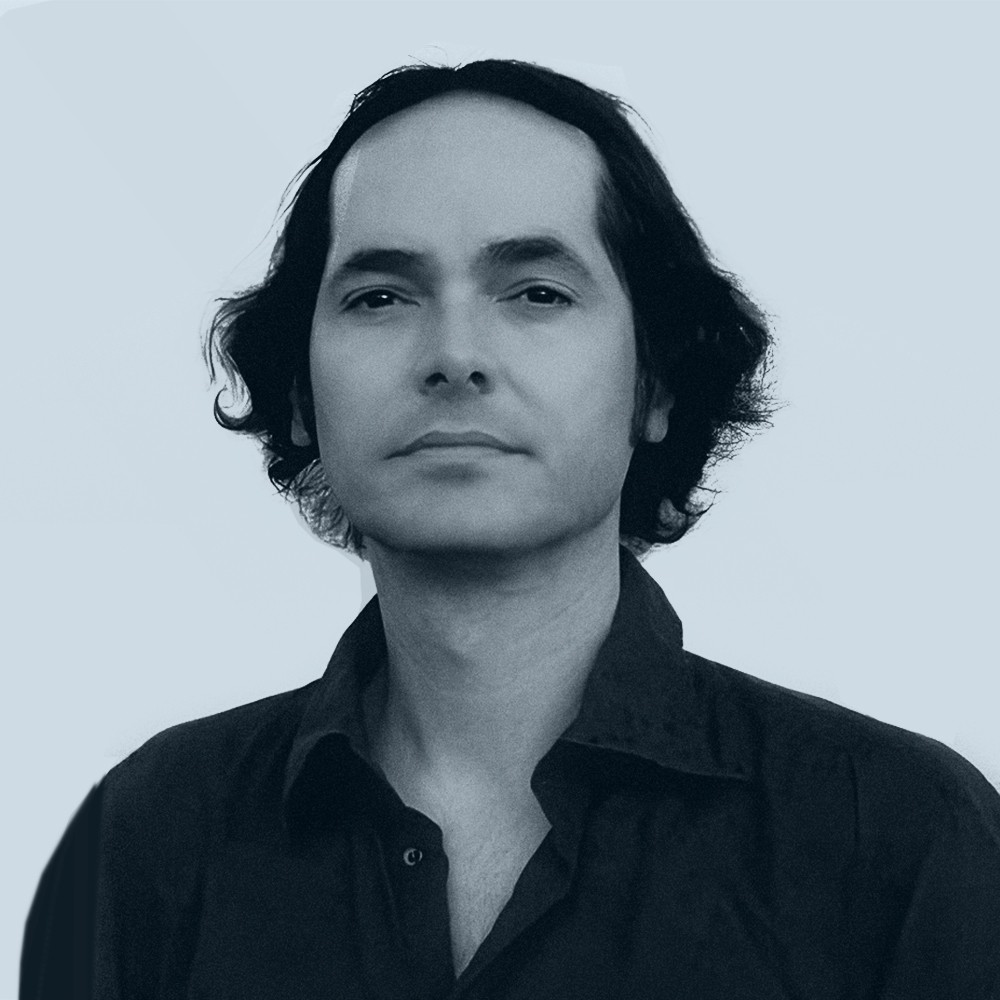
Stephen M. Bland is a journalist, author, editor, commentator, and researcher specializing in Central Asia and the Caucasus. Prior to joining The Times of Central Asia, he worked for NGOs, think tanks, as the Central Asia expert on a forthcoming documentary series, for the BBC, The Diplomat, EurasiaNet, and numerous other publications.

His award-winning book on Central Asia was published in 2016, and he is currently putting the finishing touches to a book about the Caucasus.

Articles

World Nomad Games Opening Ceremony: A Fusion of the Ancient and the Modern

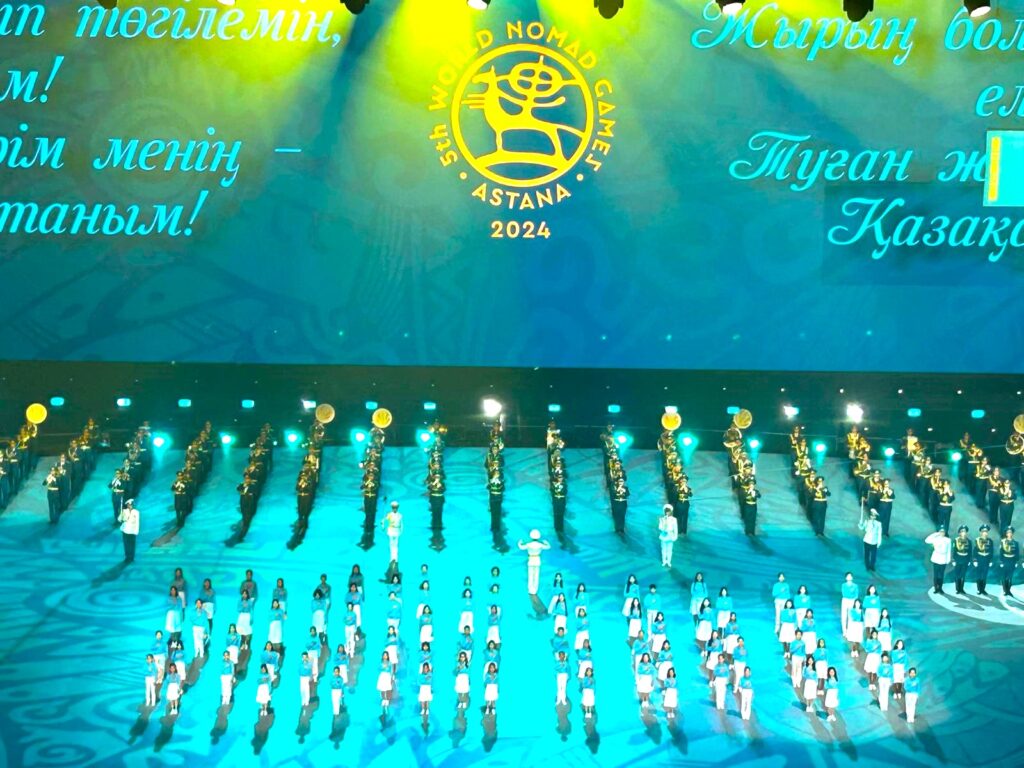
With much pageantry, September 8 saw Astana host the opening ceremony of the 5th World Nomad Games, themed as the "Gathering of the Great Steppe." A procession of singers and dancers in tall white telpek hats and flowing red and gold robes opened proceedings, marrying modern beats to traditional music. This fusion of the ancient and the present was a key theme running through the entire event. With the melodies building to crescendo, the flag-waving crowd lifted their torches aloft, chanting “Kazakhstan,” before the national anthem peeled out from the stage. With 89 countries participating in this edition, the parade of athletes followed, each nation led forth by a white steed and a woman in a traditional, sparkling costume. From the hundreds representing the Kyrgyz Republic – a perennial champion at the World Nomad Games – to far smaller contingents, such as the three representatives from Benin, each nation was afforded their moment in the spotlight. Last, but far from least, the athletes from Kazakhstan emerged to a huge roar of appreciation. Taking to the podium with the keynote address, President Tokayev told the crowd Kazakhstan is “known to everyone as a land of peace and coexistence. The games, he stated, are a “great event on a global scale… Nomadic civilization has left a deep mark on world history. The new technologies they developed provided the impetus for global progress. Five thousand years ago, nomads domesticated the horse and shaped a horseback riding culture that spread across the world… Serving as a bridge between East and West, nomads played a crucial role in the rapprochement of various cultures. “The great nomadic life will never cease to exist,” Tokayev concluded. “Even amid globalization, the nomadic lifestyle that existed for a thousand years is reviving and taking a new shape. Modern nomads are making efforts to reclaim a central place in history. We are moving and traveling easily all over the world in search of education and job opportunities.” First Deputy Prime Minister, Roman Sklyar took the opportunity to emphasize that in the wake of unprecedented floods, the nation had grasped this moment to show “resilience in our commitment to our traditions.” Respect and solidarity were at the core of his address, whilst without naming specific conflicts which continue to cast a long shadow over the region, Skylar stated that there can be “no peace without unity.” Specifically mentioning the conflict in Gaza, the son of Turkey’s President, Bilal Erdogan, President of the World Ethnosport Confederation echoed these sentiments, remarking that the games represent the “bonds of unity that the world needs today more than ever.” [video width="848" height="480" mp4="https://timesca.com/wp-content/uploads/2024/09/WhatsApp-Video-2024-09-08-at-23.10.59.mp4"][/video] Also in attendance at the event hosted by President Tokayev were the President Mirziyoyev of Uzbekistan, President Japarov of the Kyrgyz Republic, Gurbanguly Berdimuhamedov, the Chairman of the People's Council of Turkmenistan, the Rais (Head) of Tatarstan, Rustam Minnikhanov, the Head of the Republic of Sakha (Yakutia), Aisen Nikolayev, and the former president of Mongolia, Nambaryn Enkhbayar. Dazzling visuals marked the end...

2 years ago

The Steppe Blooms in the Hands of a Woman – British Publisher Focuses on Jizzakh

Jizzakh, a region which is historically significant yet little known outside the borders of Uzbekistan, is now stepping into the international spotlight with a special issue of OCA Magazine launched in London. This edition, OCA Magazine: Jizzakh, weaves together a tapestry of narratives from writers spanning continents from Uzbekistan and the United Kingdom and the United States, France, India, Bulgaria, and Finland. These contributors dive deep into the heritage, history, economics, culture, and cuisine of Jizzakh, painting a vibrant picture of a region with a rich strategic importance and cultural legacy. Renowned as the birthplace of Uzbekistan's leaders Shavkat Mirziyoyev and Sharaf Rashidov, Jizzakh holds a special place in the nation’s heart. It is also home to an array of notable figures who have made substantial contributions to regional and national development, ranging from the founders of dynasties to contemporary athletes and scientists. This special issue seeks to illuminate these stories, with feature articles such as one on Maria Shevel (Akhmedjanova), a winner of the Heroine of Labor award whose architectural influence has shaped the visage of Jizzakh, and the iconic sanatorium in the Zaamin National Reserve. As Uzbekistan continues its rapid development under President Mirziyoyev, global curiosity about this vibrant country continues to grow. The magazine not only looks into the region’s history, but looks ahead, exploring Jizzakh's potential as an economic powerhouse. Articles discuss such projects as nuclear energy development and advancements in education, showcasing Jizzakh as a region poised for growth.

2 years ago

Embracing the Spirit: An Interview with Nick Willert of the U.S. Team at the World Nomad Games

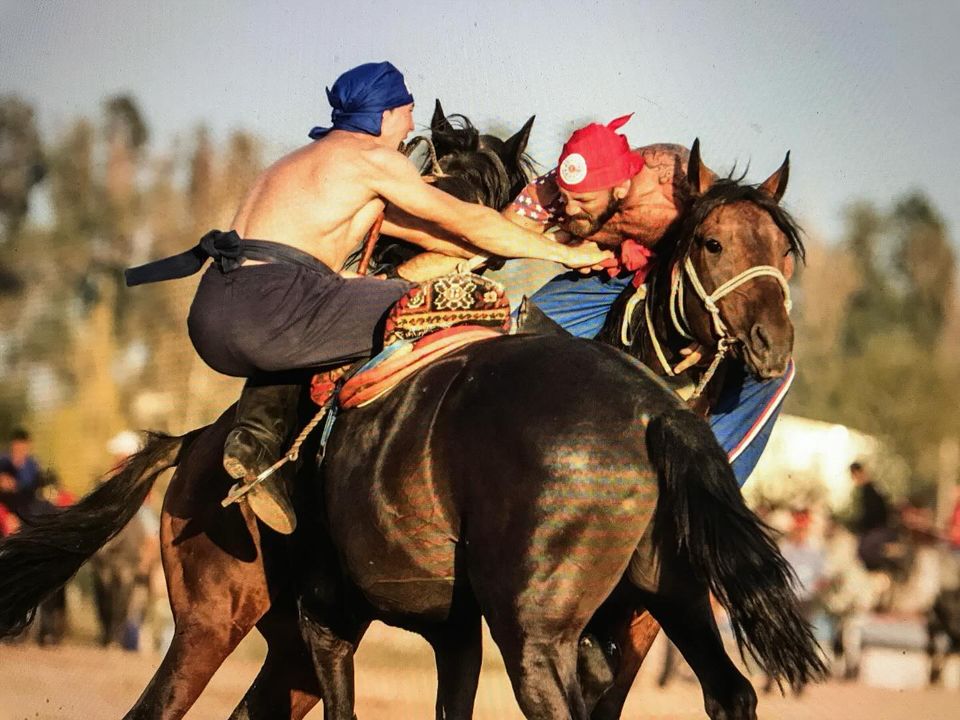
As Kazakhstan gears up to host the 5th World Nomad Games in Astana from September 8-13, a vibrant festive atmosphere is taking over the city with streets adorned with flags and banners celebrating this year's theme, "The Gathering of the Great Steppe." In the build-up to the games, which will host competitors from 89 countries, TCA spoke to Nick Willert, who will be representing the U.S. in kokpar, horseback wrestling, and kok boru. [caption id="attachment_22495" align="aligncenter" width="1080"] Kokpar; image: Nick Willert[/caption] TCA: What is your equestrian background, and when did you first hear about, become interested in, and start competing in kokpar and kok buru? Willert: I grew up on a horse ranch in Wyoming, so I have always been comfortable around horses, but equestrian sports were never my main focus. After I served in the United States Marine Corps, I worked as a professional skier and professional MMA fighter, as well as a surf instructor and salvage diver in California. In 2018, I was recruited by friends that I grew up with to compete in kokpar and kok boru in the World Nomad Games. That is where I also discovered horseback wrestling, and became the first American horseback wrestler. [caption id="attachment_22496" align="aligncenter" width="1080"] Image: Nick Willert[/caption] TCA: Have you traveled much in Central Asia before? Willert: Besides traveling to Central Asia two previous times for horseback wrestling and kokpar par/kok boru, I spent a lot of time in Asia working for a wildlife production company as their animal wrangler and scout locator. That is where I truly developed a deep love and admiration for Asia and Central Asia and the cultures that exist in those regions. [caption id="attachment_22497" align="aligncenter" width="423"] Image: Nick Willert[/caption] TCA: What kind of horses do you use for training? During the competition, what horses will your team use? Willert: Finding horses and having enough time to get to know each horse has always been a big challenge for the American team. However, our Kyrgyzstan colleagues have been a big help in facilitating the procurement of horses for our team. [caption id="attachment_22498" align="aligncenter" width="886"] Image: Nick Willert[/caption] TCA: Does your team try to imitate the Central Asian players, or are there some distinctive ways in which Americans play kokpar? Willert: I think it tends to be an interesting mix of imitation of the techniques that we have seen, as well as combining some western horsemanship skills and bringing those into play as well. [caption id="attachment_22499" align="aligncenter" width="826"] Image: Nick Willert[/caption] TCA: How do you expect your team to fare in the World Nomad Games? Willert: I’m aware that the U.S. team is considered underdogs in this sport, but are ready to play to the best of our ability, without fear, and have a lot of fun doing it!

2 years ago

Deadly Attacks in Russia Spark Fears of Extremism Amid Ethnic Tensions

On August 23 2024, four prison employees were killed after several prisoners staged a revolt in the remote IK-19 Surovikino penal colony in the southwestern Volgograd region of Russia. Special forces stormed the facility and “neutralized” the attackers, whom the Russian media named as Temur Khusinov, 29, and Ramzidin Toshev, 28, from Uzbekistan, and Nazirchon Toshov, 28, and Rustamchon Navruzi, 23, from Tajikistan. In a mobile phone video released by the perpetrators, the attackers identified themselves as members of Islamic State, claiming their actions were fueled by a desire to avenge the mistreatment of Muslims. The footage starkly depicted prison officials lying in pools of blood, while other clips showed the attackers moving freely through the prison courtyard. With the twentieth anniversary of the Beslan school massacre - perpetrated by members of a Chechen separatist group called the Riyad as-Saliheen Martyrs’ Brigade - drawing near, tensions in Russia are running high, with the perceived threat from extremism leading to a wave of xenophobia. The Crocus City Hall attack, which allegedly involved Tajiks, served to stoke ethnic tensions in Russia, leading to backlash by nationalists. Faced with such conditions and prejudice, an exodus of migrant workers during a time of war has left Russia with a dearth of human capital. Through the Collective Security Treaty Organization (CSTO), Russia is working with the C5 to detect and combat violent extremists, some of whom are illegally entering Central Asia before traveling to Russia. The Central Asian states, which are secular, are meanwhile trying to balance rights to religious freedom with blocking the malinfluence of oppressive and potentially violent ideologies. Three Central Asian countries border Afghanistan, and both the U.S. and the UNODC are working with Tajikistan to counter terrorism and violent extremism. While some extremist groups see Central Asia as a fertile recruiting ground, a UN report from 2023 noted that “Regional Member States estimated current ISIL-K strength at between 1,000 and 3,000 fighters, of whom approximately 200 were of Central Asian origin.” Despite these low numbers, however, the fact that some observers continue to link Islamic State Khorasan Province to the countries of Central Asia - even though the terrorist organization has purely Afghan roots - means that Central Asia once again finds itself at the center of a nexus of international security challenges.

2 years ago

Silk Road Treasures: A Few of My Favorite Things

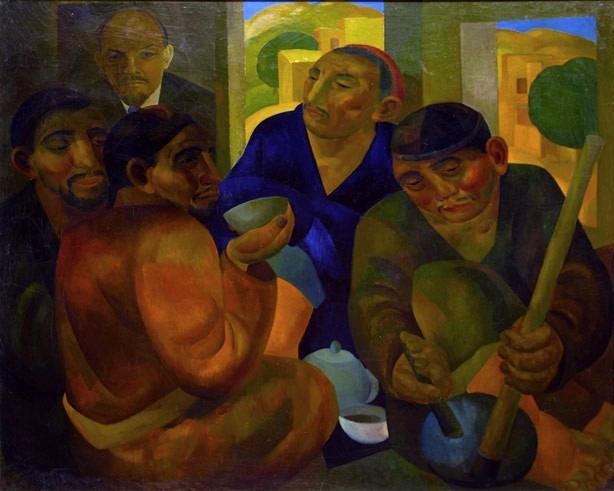
Under the banner of "Silk Road Treasures", TCA’s people – journalists, editors, authors – share their personal experiences of Central Asia and her people, and by listing their favorite places, literature, films, art, architecture and archaeological sites, alongside encounters with customs and traditions, provide pointers for readers wishing to visit the region. Stephen M. Bland - Senior Editor and Head of Investigations Architecture: Bukhara - The Kalon Trinity [caption id="attachment_21936" align="aligncenter" width="2560"] The Kalon Mosque, Bukhara; image: TCA, Stephen M. Bland[/caption]   From the ninth century Pit of the Herbalists to the Ismail Samani Mausoleum and the bird market, the old town in Bukhara isn’t really about its separate sights, it’s the sum of its parts, the timeless city permeated by an air of antiquity like a window into the past. That having been said, however, the jewel in the crown of Bukhara is the trinity of the Kalon Mosque, Minaret, and the Mir-i-Arab Madrasah. Built as an inland lighthouse for desert caravans, the Kalon Minaret - “great” in Tajik - was probably the tallest building in Central Asia upon its completion in 1127. The third minaret to have been built on this site, previous incarnations had caught fire and collapsed onto the mosque below, officially because of the “evil eye.” Also known as the “Tower of Death,” over the centuries the minaret has seen countless bodies sewn into entrail catching sacks and tossed from its 47-meter-tall lantern. Particularly popular during Manjit times, this practice survived until the 1920s. [caption id="attachment_21937" align="aligncenter" width="2560"] The lantern of the Kalon Minaret, Bukhara; image: TCA, Stephen M. Bland[/caption]   Home of the first recorded use of the now ubiquitous blue tile in Central Asia, the 14 distinct bands of the minaret are majestic in the pink evening light, its scale and intricacy remarkable. While the sense of history lingers, everyday life continues unabated at its stout base, and when the heat of the day abates, head-scarfed babushkas sat chit-chatting on the cool stone steps of the Madrassa, while kids kick soccer balls against the ancient stones.   Art: The State Art Museum of the Republic of Karakalpakstan, Nukus [caption id="attachment_21939" align="aligncenter" width="500"] Lev Galperin - "On his Knees"[/caption]   Once a thriving agricultural center, Karakalpakstan is now one of the sickest places on Earth. Respiratory illness, typhoid, tuberculosis and cancers are rife, birth defects and infant mortality rates amongst the highest in the world. The deliberate destruction of the Aral Sea for irrigation purposes has caused toxic dust storms so vast they are visible from space, ravaging a 1.5-million-kilometre square area. Spreading nitrates and carcinogens, these storms used to hit once every five years, but now come ten times a year. Yet it is in the capital of Karakalpakstan, Nukus, that a remarkable collection of art has survived in part because of its inhospitable location. Risking denouncement as an “enemy of the people,” obsessive Ukrainian-born painter, archaeologist and art collector, Igor Savitsky spirited away thousands of avant-garde pieces banned in the Soviet Union....

2 years ago