
• KGS/USD = 0.01144 0%
  • KZT/USD = 0.00216 0%
  • TJS/USD = 0.10663 0%
  • UZS/USD = 0.00008 0%
  • TMT/USD = 0.28530 0%
  • KGS/USD = 0.01144 0%
  • KZT/USD = 0.00216 0%
  • TJS/USD = 0.10663 0%
  • UZS/USD = 0.00008 0%
  • TMT/USD = 0.28530 0%
  • KGS/USD = 0.01144 0%
  • KZT/USD = 0.00216 0%
  • TJS/USD = 0.10663 0%
  • UZS/USD = 0.00008 0%
  • TMT/USD = 0.28530 0%
  • KGS/USD = 0.01144 0%
  • KZT/USD = 0.00216 0%
  • TJS/USD = 0.10663 0%
  • UZS/USD = 0.00008 0%
  • TMT/USD = 0.28530 0%
  • KGS/USD = 0.01144 0%
  • KZT/USD = 0.00216 0%
  • TJS/USD = 0.10663 0%
  • UZS/USD = 0.00008 0%
  • TMT/USD = 0.28530 0%
  • KGS/USD = 0.01144 0%
  • KZT/USD = 0.00216 0%
  • TJS/USD = 0.10663 0%
  • UZS/USD = 0.00008 0%
  • TMT/USD = 0.28530 0%
  • KGS/USD = 0.01144 0%
  • KZT/USD = 0.00216 0%
  • TJS/USD = 0.10663 0%
  • UZS/USD = 0.00008 0%
  • TMT/USD = 0.28530 0%
  • KGS/USD = 0.01144 0%
  • KZT/USD = 0.00216 0%
  • TJS/USD = 0.10663 0%
  • UZS/USD = 0.00008 0%
  • TMT/USD = 0.28530 0%

Viewing results 1 - 6 of 9

Contemporary Theater in Kazakhstan: Between Tradition and Experiment

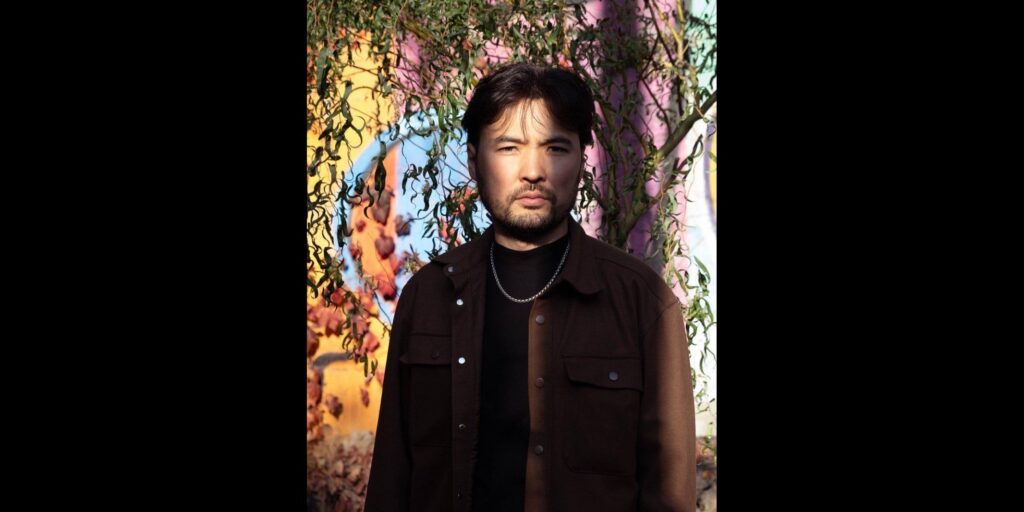
Contemporary theater in Kazakhstan is undergoing a period of active development, balancing the preservation of cultural heritage with the search for new forms of expression. The Times of Central Asia spoke with Abai Kazbayev, an actor at the Zhambyl Regional Russian Drama Theater who is currently studying acting and directing, about how the theater scene is evolving, the challenges faced by actors and directors, and why experimentation has become essential. TCA: Tell us about yourself. How did your journey into theater begin, and what influenced your decision to become an actor? Abai: I entered the profession through my love of cinema. At first, I took part in crowd scenes, and then I became fascinated with the filmmaking process itself. To deepen my involvement, I joined a private theater on the recommendation of friends. There, I had the opportunity to work with Saulius Varnas from Lithuania, as well as with professionals such as Marat Amirayev and Altynshash Shayakhmetova. Today, I'm studying acting and directing at university, while also working at the Zhambyl Regional Russian Drama Theater. TCA: How do you assess the current state of contemporary theater in Kazakhstan? Abai: If we distinguish contemporary theater from traditional formats, most such productions are concentrated in Almaty. In other cities, theater tends to follow a more academic style, although there are exceptions. Personally, I'm drawn to how contemporary theaters reinterpret and reimagine classical works. This approach attracts both new and more discerning audiences. TCA: What makes Kazakhstani theater distinctive compared to that of other countries? Abai: Its uniqueness lies in the combination of cultures. We have European forms, ballet and opera, alongside contemporary interpretations, including those inspired by Bulat Ayukhanov. On the one hand, there are traditional productions about khans and batyrs; on the other, there are stories such as that of a boxer in Almaty in the 1980s, a stage adaptation of Martin Scorsese’s Raging Bull. TCA: How can contemporary theater preserve national traditions while remaining engaging for younger audiences? Abai: Through experimentation. For example, last year in Taraz, a sound drama based on Alexander Grin’s novella Scarlet Sails was staged. It offered a new interpretation: some lines were delivered in Kazakh, and Captain Grey’s song was also performed in Kazakh. It was an attempt to reflect Kazakhstan’s multiculturalism. Interestingly, the production was staged by students from GITIS in Russia. I believe such experiments help attract younger audiences while preserving national traditions. TCA: How important are elements of national culture, language, music, and folklore in today’s productions? Abai: There's currently a broader trend across the arts of returning to cultural roots, and theater is no exception. Every culture seeks self-identification. In cinema, folklore characters are widely used, particularly in the horror genre. In the theater, however, folklore tends to remain within traditional productions and is often treated with a sense of reverence. At the same time, it is worth mentioning the ballet Aldar Köse at the Abai Kazakh National Theater of Opera and Ballet in Almaty. TCA: How do you view experimental...
Actor Rauan Akhmedov on Cinema in Kazakhstan and Why He Has No Interest in Hollywood

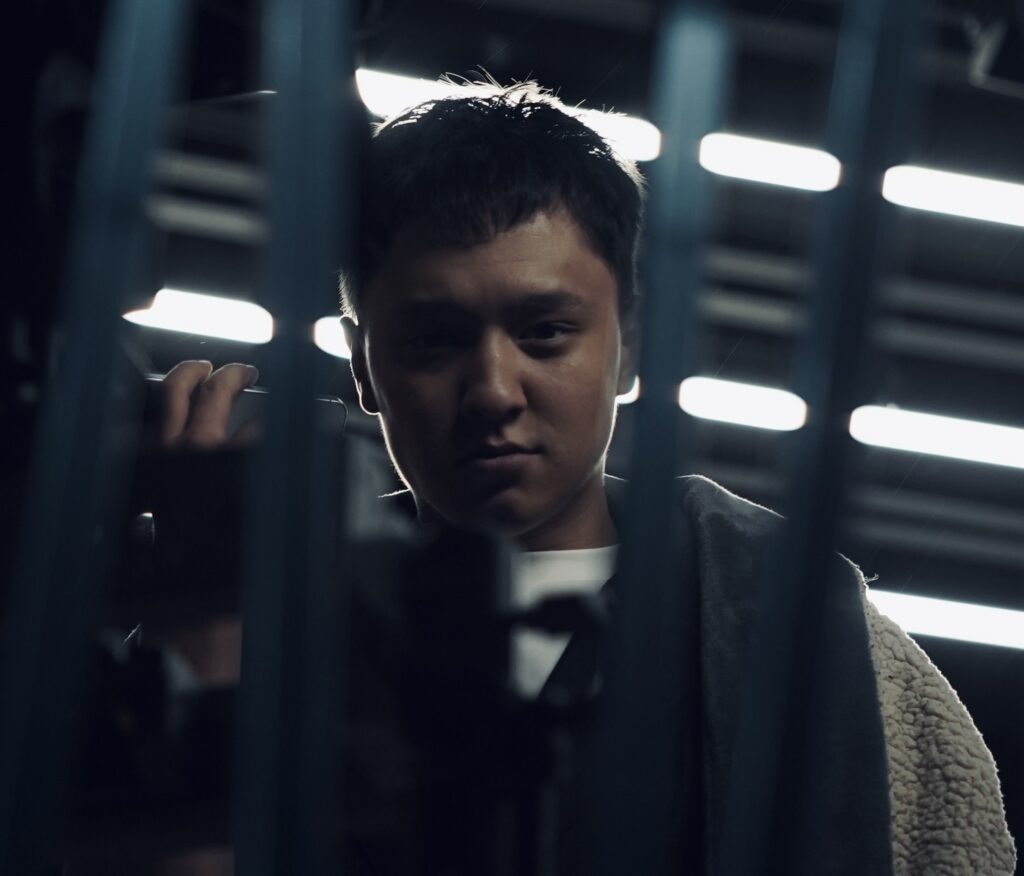
Rauan Akhmedov is one of Kazakhstan’s most sought-after young actors. Despite his rapidly rising career and growing international interest in Kazakh cinema, the 22-year-old says his priority is to continue developing within the domestic industry. In an interview with The Times of Central Asia, he discusses the state of cinema in Kazakhstan, the role of personal experience in his acting, and why tradition and modernity are not mutually exclusive. TCA: Your breakthrough came with Black Yard, directed by Dias Bertis. Is it true he noticed you while you were filming a small cameo in the series The Player? Rauan: Yes. I came to the audition, and we were rehearsing a scene with another candidate, I think he was reading for a doctor. We weren’t getting it right, so at some point the director stepped away. I then suggested to my scene partner that we try a different approach. Dias overheard us, came over, and said, “Switch roles.” We did, and he decided I should take the part. Apparently, he liked my performance, and later he invited me to Black Yard. TCA: You have three films coming out this spring. Is the Kazakhstani film industry becoming overcrowded? Do you feel the urge to work abroad? Rauan: Not yet. I want to follow my own path and realize my potential here. I believe Kazakhstani cinema can reach a very high level. I don’t dream about Hollywood. If I ever end up there, I want it to be through a Kazakhstani project. It’s important for me to stay at home, the language, the culture, the people. I want to grow here and contribute to the development of cinema in my country. Especially as audiences abroad are beginning to take an interest in our films. We haven’t conquered the world yet, but we’re improving all the time. Kazakhstan has strong potential. TCA: Would you describe yourself as a patriot? Rauan: Yes. I respect our filmmakers. When someone succeeds, when a film performs well at the box office, I’m genuinely pleased, even if it’s not my project. I think that once we overcome internal divisions and start supporting one another, we can achieve a great deal. TCA: Many films are now being shot in the Kazakh language. Does that give Kazakh-speaking actors a competitive advantage? Rauan: Probably. But in my view, that’s natural. Every country produces films in its own language. We are Kazakhs, who else will make films in Kazakh? At the same time, I respect all languages, Russian, English, Chinese. The more languages you know, the broader your perspective. TCA: You often portray characters from the 1990s, even though you were born in the 2000s. How do you research that period? Rauan: Partly through my parents. But it’s not that long ago, you can find a lot online, and I experienced some of it myself. For example, we had a rotary phone at home. We often used a VCR to watch home videos, family celebrations, my parents’ wedding. I saw how young they...

Kazakhstan-Based Actor Nyshanbek Zhubanaev on His Journey, Faith, and the Future of Cinema

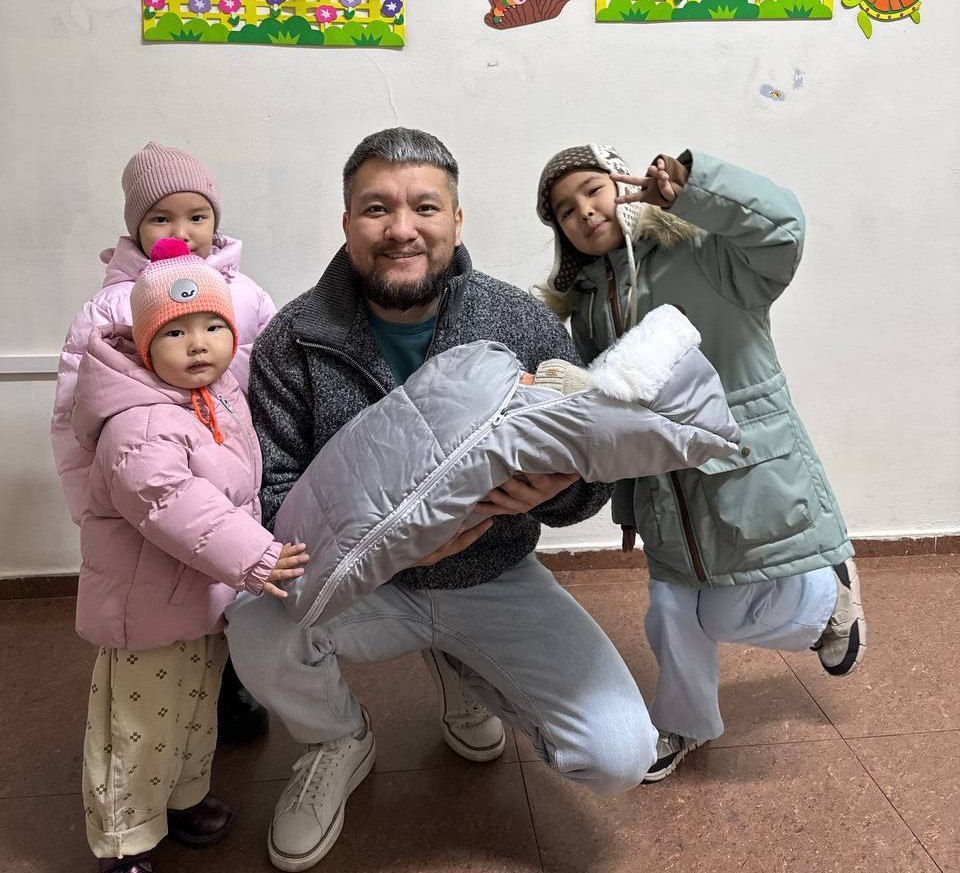
Nyshanbek Zhubanaev is a professional actor, a graduate of the T.K. Zhurgenov Kazakh National Academy of Arts, and a rising star of series such as Sheker, 1286, and Munai. His path into acting, however, did not begin with red carpets or casting calls, but at a phosphorus plant. Taking a leap of faith to escape a life he describes as scripted by others, Zhubanaev pursued his childhood dream with persistence and conviction. In an interview with The Times of Central Asia, he reflects on his first steps in cinema, the role of faith, inner conflict, and why, for him, humanity matters more than talent. TCA: Your popularity came with the web series Sheker 2, 1286, and Munai. Two of them are set in the 1990s. Why do you think this decade continues to fascinate directors? Zhubanaev: It was a time of contrasts and complexity. When people say Munai romanticizes crime, I feel they’ve missed the point. It’s not about crime, it’s about the clash of personalities and how the oil business emerged in our country. The 90s serve as a backdrop. And in cinema, atmosphere is half the battle. As an actor, I want to be part of projects where that atmosphere is palpable. Whether it’s the 90s or another era doesn't matter. What matters is telling strong, vivid stories. TCA: What themes do you feel are missing in Kazakh cinema today? Zhubanaev: Our cinema is still developing, and there’s so much left to explore. People often say we lack films about love and relationships. We do have them, but not the kind you want to talk about seriously. And love is one of the hardest topics to portray, it leaves you no room to hide behind genre, action, or style. It demands talent. I read a lot, and I’m constantly amazed by the richness of Kazakh literature and history, and how little of it we bring to the screen. Take Mukhtar Auezov’s Karash Okigas, it’s a ready-made screenplay. During Soviet times, Kyrgyz director Bolotbek Shamshiyev adapted it, but today it deserves a modern retelling. TCA: You often cite literature as a source of cinematic inspiration. Zhubanaev: Absolutely. Look at Remarque’s All Quiet on the Western Front. Its recent film adaptation won an Oscar, though I found the film debatable. We have our own counterpart, Kazakh Soldier by Gabit Musrepov. Why not adapt that with a modern cinematic language? I also love the works of Beimbet Mailin. He’s an incredibly cinematic writer who remains relevant today. His Shuganyn Belgisi, written nearly a century ago, still speaks to issues like equality and the role of women in traditional society. As far as I know, Akan Satayev is currently preparing a film adaptation of Mailin’s Kulpash, the story of a woman who takes a desperate step to save her family during a famine. It’s powerful, dramatic material. The problem isn’t a lack of themes, it’s about who tells the story and how. You can create a visually perfect film and still fail...
