New FAO Report Ranks Tajikistan Among World’s Most At-Risk Countries for Land Degradation
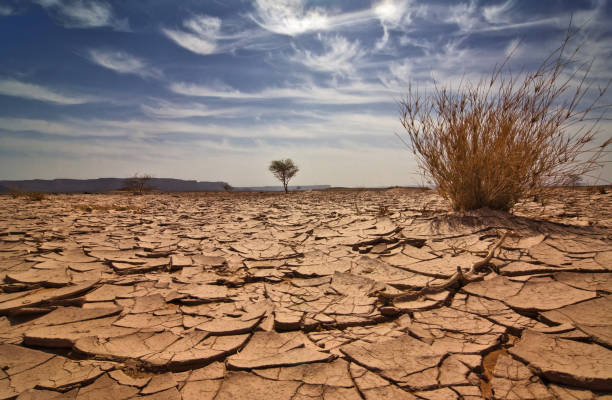
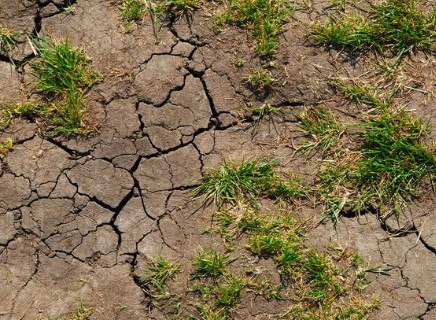
Tajikistan is among the countries most vulnerable to land degradation, according to a new report from the Food and Agriculture Organization of the United Nations (FAO). The findings point to alarming environmental and socio-economic risks for a country where agriculture remains the primary source of employment. The FAO attributes Tajikistan's vulnerability to a combination of small landholdings and intense pressure on soil resources. The country has more than 1 million rural households, including approximately 181,000 dekhkan farms. The average landholding is just 0.2 hectares, with a median size of 0.1 hectares, meaning half of all farmers operate on micro-plots. Challenges to Sustainable Agricultural Growth Under these conditions, expanding agricultural production is not feasible through increased acreage. Instead, growth depends on improving soil quality, upgrading irrigation systems, ensuring stable water access, and adopting modern technologies. These factors now define the boundaries of Tajikistan's agricultural development. According to the FAO, land degradation has affected 3.2 billion people globally, nearly 40% of the world's population. In some regions, agricultural yields have already declined by at least 10%. In Tajikistan, the stakes are especially high. The country has limited arable land, and its farming sector relies heavily on glacial meltwater and consistent irrigation. Climate risks are intensifying faster here than in many neighboring states. Extent and Impact of Land Degradation International experts estimate that nearly 70% of Tajikistan’s arable land is already degraded, with 10% of the population living in affected areas. The main drivers are erosion, salinization, and nutrient depletion, which collectively undermine soil productivity. These environmental pressures reduce rural incomes, increase reliance on external resources such as fertilizers, and contribute to forced migration, exacerbating social and economic vulnerabilities across the country.