Opinion: Kazakhstan Bets Big on AI to Power Local and Global Growth
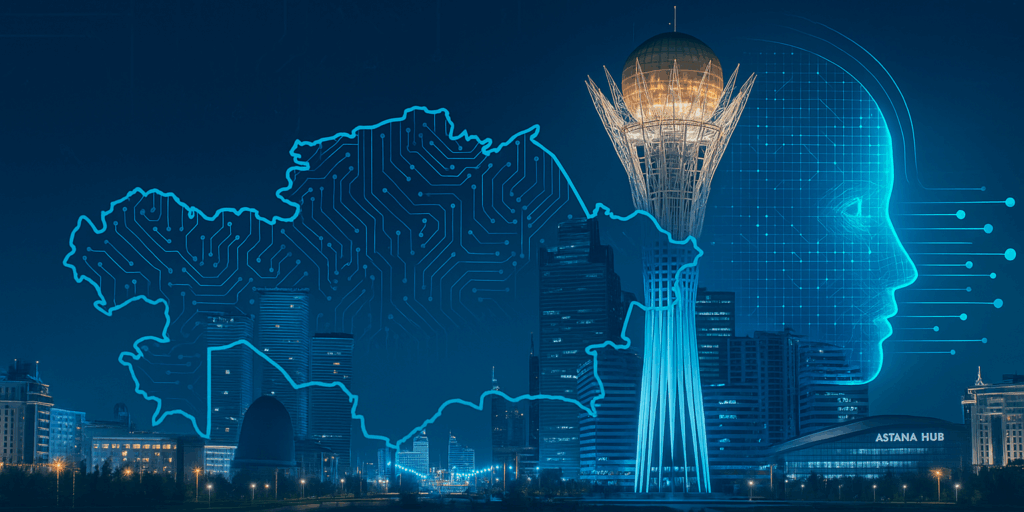
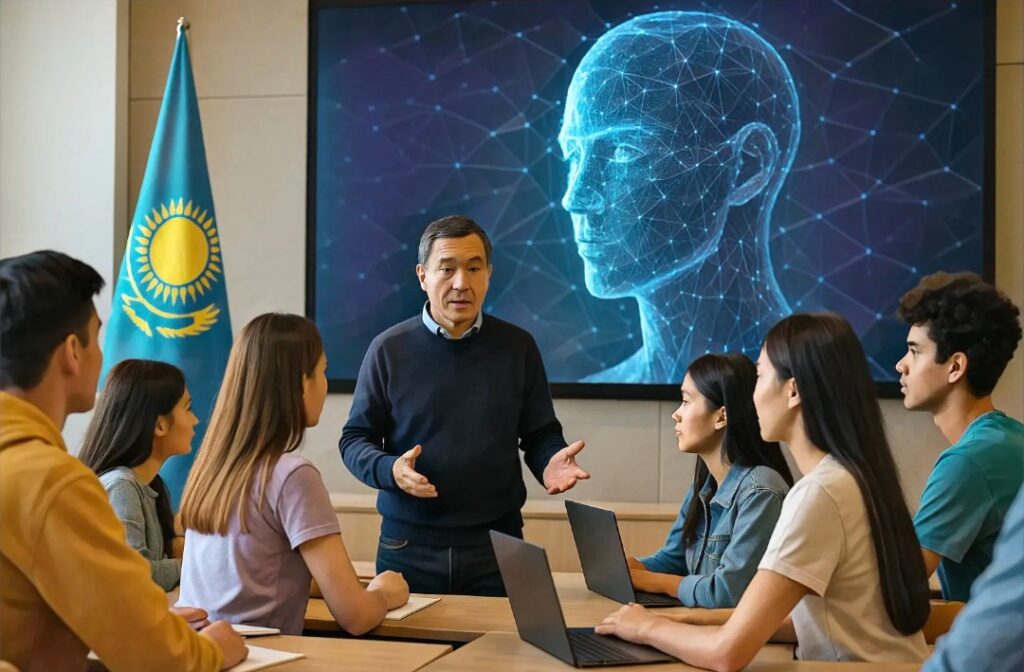
A bold vision for Kazakhstan’s future In his recent State of the Nation address, the President of Kazakhstan articulated a bold and ambitious future for the country. He presented a new vision, central to which was the announcement of artificial intelligence adoption and digitization as new national priorities, positioning them as essential for the country’s economic modernization and long-term competitiveness. The speech marked a significant moment for the government. Historically, much of its policy focus has been on managing risk and navigating regulatory uncertainty. Now, the administration is pivoting to focus instead on high-growth, innovation-led initiatives to build a more competitive and resilient Kazakhstan that can thrive in a rapidly changing global economy. In his address, President Tokayev announced the creation of the Ministry of Artificial Intelligence and Digital Development. Its initial mandate is to develop the Digital Code, a comprehensive framework that will set out how every sector of the economy, from finance and energy to education and healthcare, will integrate AI and digital tools in a structured and sustainable way. Leapfrogging into the digital economy Kazakhstan is embracing leapfrog innovation to harness tools such as AI and blockchain technologies to help accelerate economic growth and diversify its economy. This bet will ensure that the nation remains competitive for generations to come in a digital-led global landscape where technology leadership increasingly defines prosperity. Central to the project’s long-term success is the evolution of Kazakhstan’s educational system, and the country has recently approved its first national framework for integrating AI into its curriculum, signaling a major shift toward future-ready learning. This initiative covers areas including ethics, legal regulation, personal data protection, and academic integrity. Kazakhstan is now one of the first countries to adopt its own national approach in this field, having drawn on the recommendations of UNESCO, OECD, and the EU’s work to ensure global best practices. Building tomorrow’s AI leaders today From the 2025–2026 academic year, AI is being integrated throughout the curriculum with the aim of converting classrooms into technology-literate talent pipelines. Students will benefit from new online courses, while teachers will be supported with professional development programs (with over 11,000 teachers already trained and more to follow). Globally, the adoption of AI in education is surging. According to AllAboutAI, in 2025, 86% of students worldwide use AI in their studies, and half of all teachers will leverage AI for lesson planning. The market for AI in education is projected to reach over $2.7 trillion by 2033, having been valued at $177 billion in 2023. With nearly 30% of Kazakhstan’s population under the age of 15 and a median age of just 29, the country is well placed to transform its students into a new generation of professionals ready to contribute to the country’s technological evolution and global competitiveness. Universities such as the Astana IT University (AITU), International Information Technology University, and the Kazakh-British Technical University, all part of the NNEF ecosystem, are at the forefront of integrating AI across their curricula, ensuring that students gain the skills they need for the digital economy and innovation-driven...