
• KGS/USD = 0.01144 0%
  • KZT/USD = 0.00202 0%
  • TJS/USD = 0.10672 -0.09%
  • UZS/USD = 0.00008 0%
  • TMT/USD = 0.28530 0%
  • KGS/USD = 0.01144 0%
  • KZT/USD = 0.00202 0%
  • TJS/USD = 0.10672 -0.09%
  • UZS/USD = 0.00008 0%
  • TMT/USD = 0.28530 0%
  • KGS/USD = 0.01144 0%
  • KZT/USD = 0.00202 0%
  • TJS/USD = 0.10672 -0.09%
  • UZS/USD = 0.00008 0%
  • TMT/USD = 0.28530 0%
  • KGS/USD = 0.01144 0%
  • KZT/USD = 0.00202 0%
  • TJS/USD = 0.10672 -0.09%
  • UZS/USD = 0.00008 0%
  • TMT/USD = 0.28530 0%
  • KGS/USD = 0.01144 0%
  • KZT/USD = 0.00202 0%
  • TJS/USD = 0.10672 -0.09%
  • UZS/USD = 0.00008 0%
  • TMT/USD = 0.28530 0%
  • KGS/USD = 0.01144 0%
  • KZT/USD = 0.00202 0%
  • TJS/USD = 0.10672 -0.09%
  • UZS/USD = 0.00008 0%
  • TMT/USD = 0.28530 0%
  • KGS/USD = 0.01144 0%
  • KZT/USD = 0.00202 0%
  • TJS/USD = 0.10672 -0.09%
  • UZS/USD = 0.00008 0%
  • TMT/USD = 0.28530 0%
  • KGS/USD = 0.01144 0%
  • KZT/USD = 0.00202 0%
  • TJS/USD = 0.10672 -0.09%
  • UZS/USD = 0.00008 0%
  • TMT/USD = 0.28530 0%
06 February 2026

Viewing results 1 - 6 of 4

Kyrgyzstan Expands Security Cooperation with the U.S.

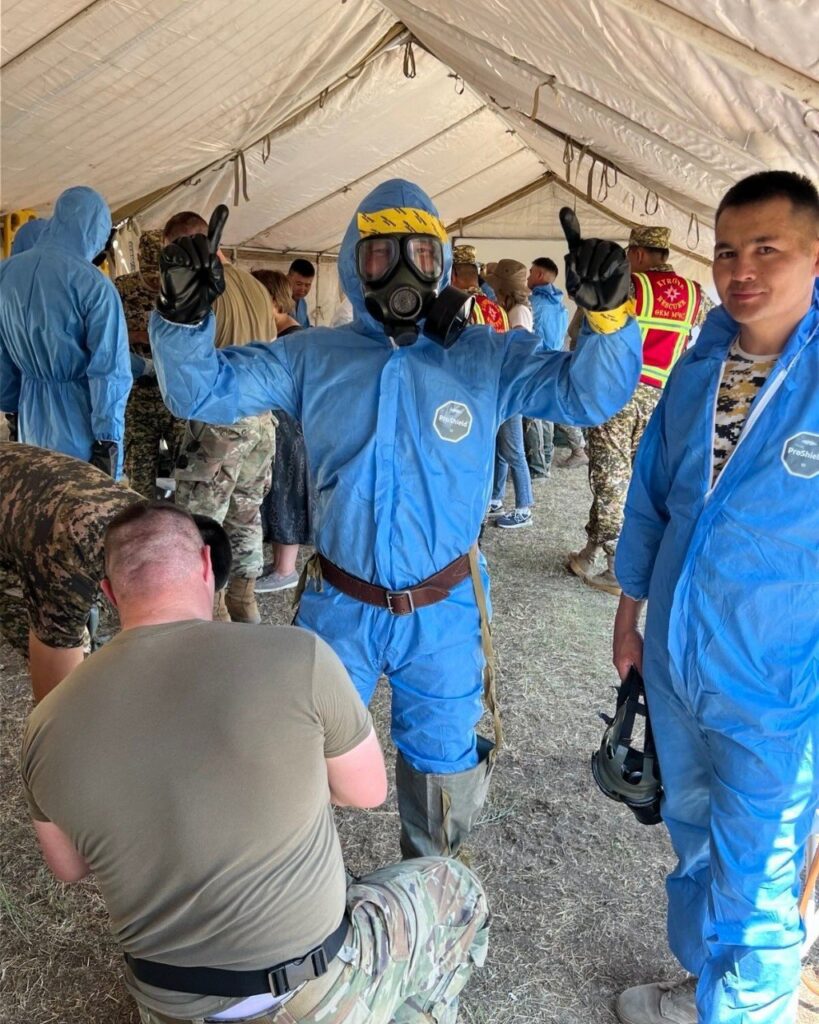
Alongside U.S. business leaders and government officials who arrived in Bishkek for the B5+1 business forum, security representatives from U.S. Central Command, the U.S. Air Force, and the Montana National Guard also visited the Kyrgyz capital, according to the U.S. Embassy in Bishkek. At a meeting held at the Kyrgyz Ministry of Defense in the village of Koy-Tash, both sides discussed military cooperation plans for the 2027 fiscal year. Participants carried out detailed planning of joint activities, focusing on experience-sharing and establishing common objectives for the near future. “We thank the Ministry of Defense of the Kyrgyz Republic for organizing this event. The participants joined forces to promote our regional goals aimed at enhancing security and stability,” the U.S. Embassy stated. U.S. Chargé d'Affaires Les Zentos emphasized that over the past 30 years of Kyrgyzstan's independence, a strong partnership has developed between the Montana National Guard and the Kyrgyz Ministry of Defense, as well as with the Ministry of Emergency Situations and the Border Service. This relationship, he noted, is based on trust and a commitment to shared goals. [caption id="attachment_43371" align="aligncenter" width="960"] Image: kg.usembassy.gov[/caption] “We hope to improve and optimize plans for military contacts in 2026 and 2027. Today's meeting is important for strengthening mutual understanding and finding common ground,” Zentos said. This is not the first visit by representatives of the Montana National Guard and the U.S. Air Force to Kyrgyzstan. Approximately six months ago, the two sides held joint military exercises under the name “Ak-Shumkar-2025.” According to U.S. officials, the drills facilitated exchanges of expertise in humanitarian operations, disaster relief, air medical evacuation, search and rescue, and border security. The Montana National Guard has maintained a long-standing relationship with Kyrgyzstan since 1996, under the U.S. National Guard Bureau’s State Partnership Program. The U.S. Embassy also noted that bilateral military cooperation extends beyond this program. It includes participation in regional exercises organized by U.S. Central Command, which bring together countries from Central and South Asia to pursue shared security objectives.


Politicians Discuss the Impact of Afghan Military Aircraft Remaining in Uzbekistan

The Times of Central Asia previously reported that when the Taliban seized power in August 2021, 22 military aircraft and 24 helicopters of the Afghan military crossed into Uzbekistan’s airspace. US Ambassador to Uzbekistan Jonathan Henick reported that the US and Uzbekistan had officially agreed that fighter jets and military helicopters will remain in Uzbekistan, whilst The Ministry of National Defense of the Islamic Emirate of Afghanistan, in turn, stated that “Any deal regarding the fate of Afghanistan’s helicopters and planes in Uzbekistan is unacceptable.” Dr. Davud Azami, an expert on international politics and security issues, commented: “Until the normalization of bilateral relations, the US will not hand over this aviation equipment to the Taliban, but this is unlikely to happen soon. This makes the matter more complicated.” Regarding the Taliban government’s demand for the return of the equipment to Afghanistan, he explained:  “The Taliban wants to strengthen its Air Force with these planes, especially helicopters. They also want to use the aircraft for humanitarian and rescue operations, especially during natural disasters like floods and earthquakes. Because buying such planes and helicopters requires money and a partner to sell them, the Taliban is at a huge disadvantage.” Azami stated that the Taliban is waiting for a “favorable opportunity” to exert more pressure on Uzbekistan, and added that the two sides will continue improving their relations despite disagreements over aircraft and helicopters. According to another BBC Uzbekistan interviewee, Uzbek political analyst Farhod Tolipov, this recent Taliban statement is flexible, and referenced the warning of the Taliban's interim Defense Minister that the countries who provided the military aircraft will suffer harmful consequences if the units are not returned. “The Taliban responded by using the phrase ‘good neighborliness’ in the sense that they should not break cooperation. That's why I think that based on what they said, the issue should not take a sharp turn. Because now, neither Afghanistan itself nor its government has become a superpower, and its economy, which is in crisis, needs to be developed. No country in the world has yet recognized them; many problems are ahead. That's why, in my opinion, the probability that they will be obsessed with this one problem is not very high,” said Tolipov. The analyst also expressed his opinion on the construction of the Qoshtepa Canal: “If this project is left unchecked and implemented unilaterally, the environmental consequences will harm Afghanistan itself. Environmental consequences and tragedies know no bounds. It will not be a tragedy for Uzbekistan alone, but also, potentially, for Afghanistan. Therefore, -given an understanding of the risks involved- they should continue work on the project,  in coordination, of course, with Uzbekistan, Turkmenistan, and Tajikistan.” Recommendations from Daniel Runde, a Senior Vice President at the Center for Strategic and International Studies (CSIS), on strengthening the USA's relations with Uzbekistan, appeared in previous report by The Times of Central Asia.