
• KGS/USD = 0.01144 0%
  • KZT/USD = 0.00213 0%
  • TJS/USD = 0.10678 -0.19%
  • UZS/USD = 0.00008 0%
  • TMT/USD = 0.28571 0%
  • KGS/USD = 0.01144 0%
  • KZT/USD = 0.00213 0%
  • TJS/USD = 0.10678 -0.19%
  • UZS/USD = 0.00008 0%
  • TMT/USD = 0.28571 0%
  • KGS/USD = 0.01144 0%
  • KZT/USD = 0.00213 0%
  • TJS/USD = 0.10678 -0.19%
  • UZS/USD = 0.00008 0%
  • TMT/USD = 0.28571 0%
  • KGS/USD = 0.01144 0%
  • KZT/USD = 0.00213 0%
  • TJS/USD = 0.10678 -0.19%
  • UZS/USD = 0.00008 0%
  • TMT/USD = 0.28571 0%
  • KGS/USD = 0.01144 0%
  • KZT/USD = 0.00213 0%
  • TJS/USD = 0.10678 -0.19%
  • UZS/USD = 0.00008 0%
  • TMT/USD = 0.28571 0%
  • KGS/USD = 0.01144 0%
  • KZT/USD = 0.00213 0%
  • TJS/USD = 0.10678 -0.19%
  • UZS/USD = 0.00008 0%
  • TMT/USD = 0.28571 0%
  • KGS/USD = 0.01144 0%
  • KZT/USD = 0.00213 0%
  • TJS/USD = 0.10678 -0.19%
  • UZS/USD = 0.00008 0%
  • TMT/USD = 0.28571 0%
  • KGS/USD = 0.01144 0%
  • KZT/USD = 0.00213 0%
  • TJS/USD = 0.10678 -0.19%
  • UZS/USD = 0.00008 0%
  • TMT/USD = 0.28571 0%

Viewing results 1 - 6 of 6

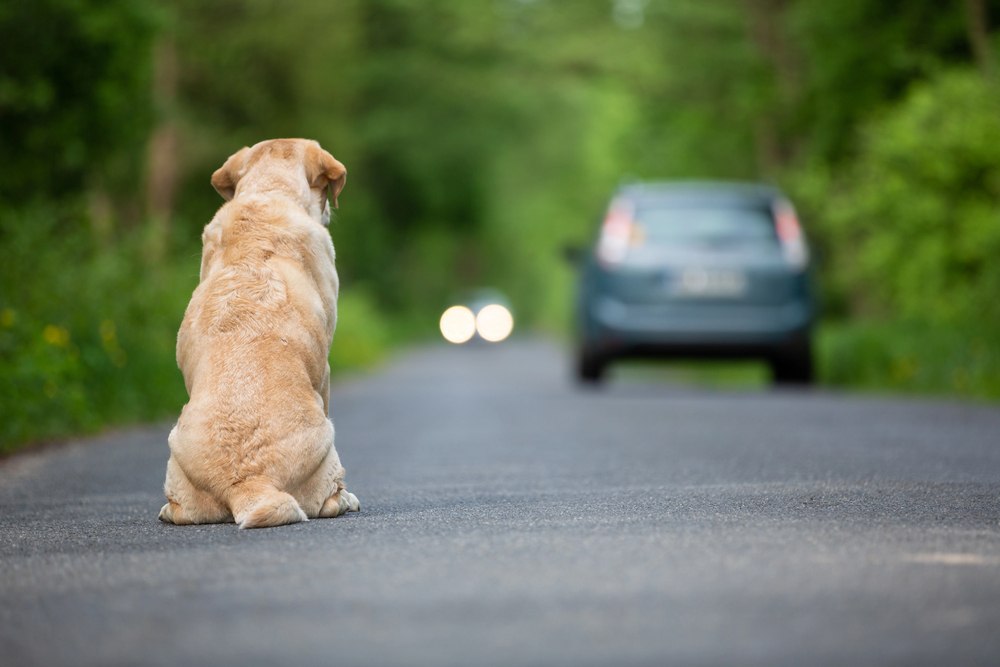
Animal Euthanasia in Kazakhstan: Cruelty or Necessity?

In early April 2026, Kazakhstan's lower house of parliament, the Mazhilis, approved in the first reading amendments to the law “On Responsible Treatment of Animals.” The key proposed change is a shift away from the policy of returning vaccinated and sterilized dogs to their habitats, toward the legalization of euthanasia. The decision has triggered a sharp public divide: supporters cite safety concerns, particularly for children, while critics view the amendments as a rollback of the humane principles enshrined in the 2021 law and an attempt to compensate for institutional shortcomings through the mass culling of stray animals. Background: From Reform to Reversal In 2021, Kazakhstan sought to overhaul its approach to managing stray animal populations, aligning it with international practices. This led to the adoption of a dedicated law, which formalized a transition from culling to the CNVR model (capture, neuter, vaccinate, and return). The reform was presented as a compromise between humane treatment and public safety. The shift was driven by both civic activism and political momentum. In 2020, President Kassym-Jomart Tokayev described attitudes toward animals as a benchmark of societal development, acknowledging systemic shortcomings in the country. He later emphasized that state protection should extend to both people and animals. The initiative received support both domestically and internationally. Authorities pledged a systemic approach, including the creation of a national animal registry, mandatory microchipping, expansion of shelters, and tighter regulation of pet ownership. The expectation was that these measures would gradually reduce the stray population in a humane and sustainable manner. The Case for the Amendments: Safety and Cost The amendments, introduced in 2024, propose a transition to a no-return capture model. Despite criticism from animal welfare groups, the bill passed its first reading on April 8, 2026, and was forwarded to the Senate eight days later. Lawmakers, including Mazhilis committee chairman Yedil Zhanbyrshin, argue that the CNVR model has failed to deliver results under Kazakhstan’s conditions. They cite an increase in the stray dog population from 207,000 in 2022 to 247,000 in 2023. Another factor highlighted is the unintended consequence of mandatory microchipping introduced in 2023. According to lawmakers, the cost of registration and sterilization, averaging around 27,000 KZT (approximately $54), led some owners to abandon their pets. This, they argue, is reflected in the sharp decline in registered dogs, from 28,000 in 2022 to just 961 in 2024. Public safety remains the central argument. According to the Ministry of Health, Kazakhstan records an average of 105 animal attacks per day. Fiscal considerations are also significant. A full CNVR program is estimated to require annual spending of 14-15 billion KZT (approximately $28-30 million). Against the backdrop of competing budget priorities, including education and healthcare, lawmakers consider such expenditures excessive. They also point to practices in countries such as the United States and Japan, where euthanasia is used as a population control measure. Under the proposed model, captured animals would be held for a limited period, 15 days for unchipped dogs and 60 days for those with identified owners....
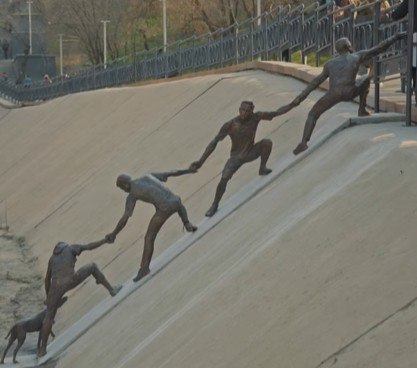

Monument to Human Chain Rescue Unveiled in Almaty

In 2016, residents of Almaty formed a human chain to rescue a dog and its owner who had become trapped in a river. Ten years later, in March 2026, an art installation commemorating the dramatic rescue was unveiled on the Ulken River, which flows into the Sairan Reservoir, one of the city’s most popular recreational areas. The sculpture stands near the site of the incident. The dog had fallen into the water and was unable to climb out because of the steep riverbanks. Its owner climbed down in an attempt to help but also became stranded. Witnesses then joined forces to pull them to safety. A video of the rescue quickly went viral, reportedly attracting about 15 million views on the Daily Mail’s Facebook page and a further 6.5 million views across other social media platforms. International television networks also covered the story. The installation depicts a chain of people holding onto one another, symbolizing solidarity and mutual assistance. The hand of the final figure extends beyond the fence, allowing visitors to grasp it and symbolically take part in the rescue. City officials said the sculpture was funded by private donations. According to media reports, the identities of the individuals who took part in the rescue remain unknown. “The concept of the installation is based on the ideas of mutual aid, solidarity, and unity. The composition shows figures linked in a chain, symbolizing support and collective action in overcoming difficulties. It is inspired by an image that resonated widely with the public and reflects values close to every resident,” an official statement said. [caption id="attachment_45900" align="aligncenter" width="286"] Still from the 2016 rescue video[/caption] The installation was created by Yerbosyn Meldibekov, a prominent contemporary artist from Kazakhstan whose works are held in museum collections in Antwerp, Hong Kong, Singapore, and other cities. This is not the first time that acts of animal rescue in Kazakhstan have inspired artistic tributes. In 2019 in Almaty and in 2020 in Karaganda, murals were painted on residential buildings in memory of forestry inspector Yerlan Nurgaliyev, who was killed by poachers. The murals depict him holding a rescued saiga calf and are based on a photograph that went viral after his death. The incident took place in January 2019 in the Karaganda Region. Game wardens Pyotr Nitsik and Yerlan Nurgaliyev were pursuing poachers illegally hunting saiga antelopes when they were attacked. Nurgaliyev was killed, while his colleague survived with serious injuries. The perpetrators were later detained. Nurgaliyev was posthumously awarded the Order of Barys for bravery and self-sacrifice in the line of duty, and Nitsik also received a state award.