• KGS/USD = 0.01143 0%
  • KZT/USD = 0.00202 0%
  • TJS/USD = 0.10661 -0.19%
  • UZS/USD = 0.00008 0%
  • TMT/USD = 0.28575 0%
  • KGS/USD = 0.01143 0%
  • KZT/USD = 0.00202 0%
  • TJS/USD = 0.10661 -0.19%
  • UZS/USD = 0.00008 0%
  • TMT/USD = 0.28575 0%
  • KGS/USD = 0.01143 0%
  • KZT/USD = 0.00202 0%
  • TJS/USD = 0.10661 -0.19%
  • UZS/USD = 0.00008 0%
  • TMT/USD = 0.28575 0%
  • KGS/USD = 0.01143 0%
  • KZT/USD = 0.00202 0%
  • TJS/USD = 0.10661 -0.19%
  • UZS/USD = 0.00008 0%
  • TMT/USD = 0.28575 0%
  • KGS/USD = 0.01143 0%
  • KZT/USD = 0.00202 0%
  • TJS/USD = 0.10661 -0.19%
  • UZS/USD = 0.00008 0%
  • TMT/USD = 0.28575 0%
  • KGS/USD = 0.01143 0%
  • KZT/USD = 0.00202 0%
  • TJS/USD = 0.10661 -0.19%
  • UZS/USD = 0.00008 0%
  • TMT/USD = 0.28575 0%
  • KGS/USD = 0.01143 0%
  • KZT/USD = 0.00202 0%
  • TJS/USD = 0.10661 -0.19%
  • UZS/USD = 0.00008 0%
  • TMT/USD = 0.28575 0%
  • KGS/USD = 0.01143 0%
  • KZT/USD = 0.00202 0%
  • TJS/USD = 0.10661 -0.19%
  • UZS/USD = 0.00008 0%
  • TMT/USD = 0.28575 0%
08 February 2026

Viewing results 1 - 6 of 4

The Unseen Animals of Central Asia: A Photography Exhibit by Bogna Wiltowska

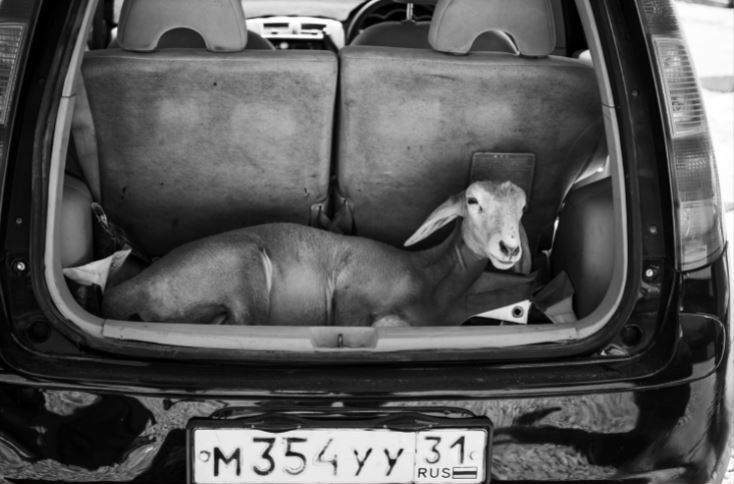
For six months, Polish photographer Bogna Wiltowska documented animals in farms and slaughterhouses in Central Asia as a We Animals Fellow. On World Farmed Animals Day (Oct 2nd), a virtual exhibition of her work will open, allowing everyone to witness the untold stories of the animals Bogna encountered in Kyrgyzstan and Kazakhstan - countries experiencing the gradual industrialization of animal agriculture. Explaining her choice to focus on animals in this yet unexplored region, Bogna said, “Until now, the lives of farmed animals in Central Asia have remained largely undocumented. At the same time, I knew that an animal advocacy movement led by passionate grassroots activists was slowly beginning to emerge there. This was the perfect moment to take a closer look at what was happening and give animals a voice in countries where they aren’t often considered.” [caption id="attachment_36666" align="aligncenter" width="734"] Image: Bogna Wiltowska[/caption] Every year, We Animals awards a small number of Animal Photojournalism Fellowships, which support up-and-coming photojournalists to tell the stories of animals used for food. Fellows work remotely with We Animals’ founder, award-winning photojournalist Jo-Anne McArthur, for approximately six months. The Fellow receives funding to cover project costs and a stipend for the duration of the Fellowship, totalling $6,500 CAD ($4,670). Based in Poland, Bogna is the Director of Investigations at the non-profit Otwarte Klatki and has worked in several countries documenting industrial farming and rescuing animals. Despite witnessing enormous suffering, she remains committed to a better world for animals. [caption id="attachment_36667" align="aligncenter" width="732"] Image: Bogna Wiltowska[/caption] Bogna was awarded the fellowship in recognition of her experience, well-planned project, and desire to grow in the field of animal photojournalism. Her project illuminates underrepresented animals and provides advocates in Central Asia with strong visuals for their work. Reflecting on this project, Bogna said, “The Fellowship was one of the most important experiences in my work for animals. After over a decade of working for animals and managing a large organization with an investigations team, I felt deeply tired and overwhelmed. The Fellowship placed me in a completely new role. This time, I was the one receiving support (instead of giving it), and I had the chance to learn from the best in areas where I had previously been self-taught.” [caption id="attachment_36668" align="aligncenter" width="1163"] Image: weanimals.org[/caption] The virtual exhibition will run from October 2nd to 31st, 2025. The free event is entirely virtual and available in English. It contains some graphic imagery.

Chinese Man Jailed in Tashkent for Pouring Boiling Water on Cat

A Chinese citizen in Tashkent has been sentenced to five days in detention after being found guilty of torturing a cat by repeatedly pouring boiling water on it, according to the animal protection organization “Mehr va Oqibat” (Kindness and Compassion). The incident occurred during the night of September 16-17, when a local resident contacted the group’s hotline after hearing the sound of a cat crying. Looking outside, the witness saw her neighbor, identified as Y.Z., a Chinese national, pouring boiling water onto the animal, which he had confined in a container to prevent it from escaping. Mehr va Oqibat promptly reported the case to the Ministry of Internal Affairs, the Ministry of Foreign Affairs, and the Chinese Embassy in Uzbekistan, urging legal action under Uzbek law and calling for the offender’s deportation. On September 18, the Yakkasaroy District Criminal Court sentenced Y.Z. to five days of administrative detention. His legal team appealed the decision, requesting a reduced penalty in the form of a fine. However, on September 20, the Tashkent City Criminal Court rejected the appeal and upheld the original sentence. In a statement, Mehr va Oqibat thanked its attorney, Dilshodbek Asadullayev, for representing the case in court, and expressed appreciation for the witness who reported the abuse. The organization reiterated its intention to pursue Y.Z.’s deportation. Founded in 2010, Mehr va Oqibat has been at the forefront of promoting humane treatment of animals in Uzbekistan. In 2019, the group launched the “Mushukkent” initiative, which established cat shelters in Tashkent police stations. In 2023, with the support of local residents, it built a three-story cat shelter in the Uchtepa district to provide refuge for stray animals during the winter. The project, supported by the Tashkent city administration and the National Guard, also serves as an educational tool to encourage compassion among children. The organization emphasized that preventing animal cruelty and fostering kindness are essential not only for animal welfare, but also for nurturing a more humane and just society.

Bishkek Continues Controversial Stray Dog Culling Amid Criticism and Lack of Resources

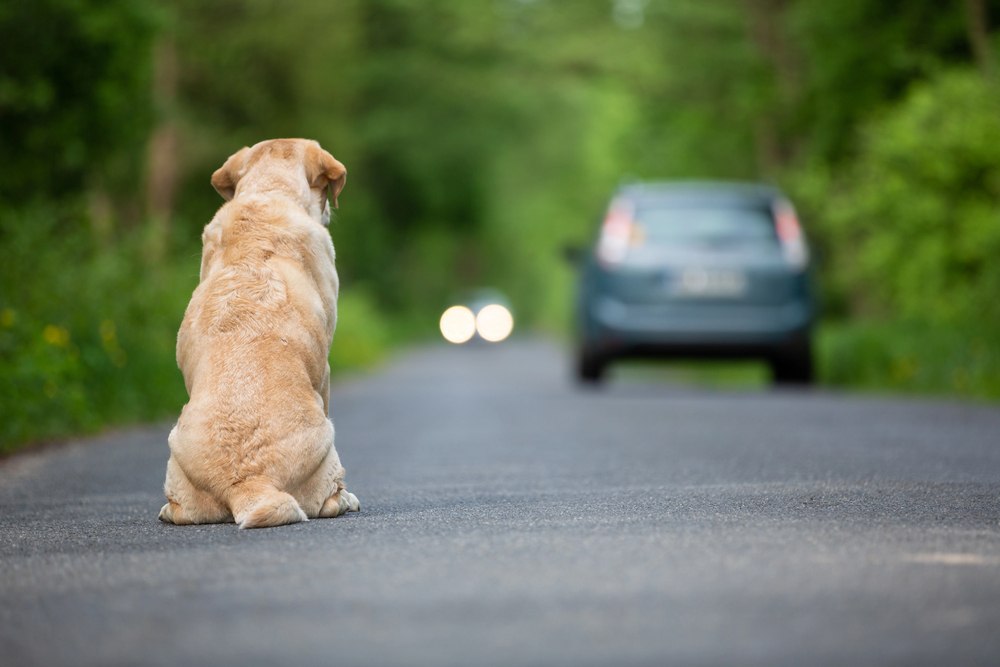
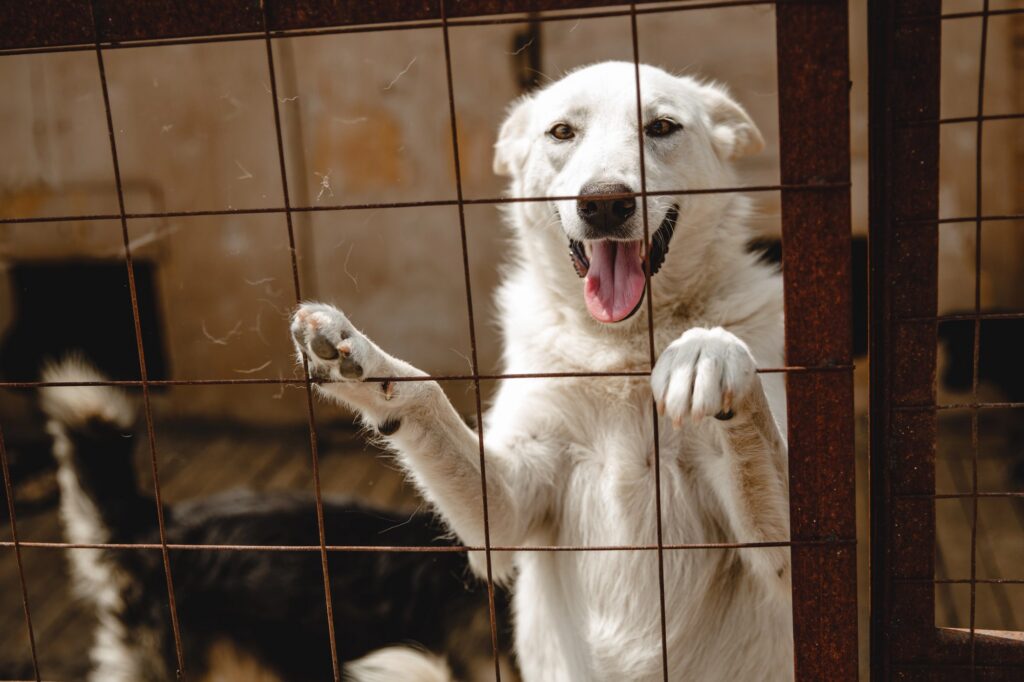
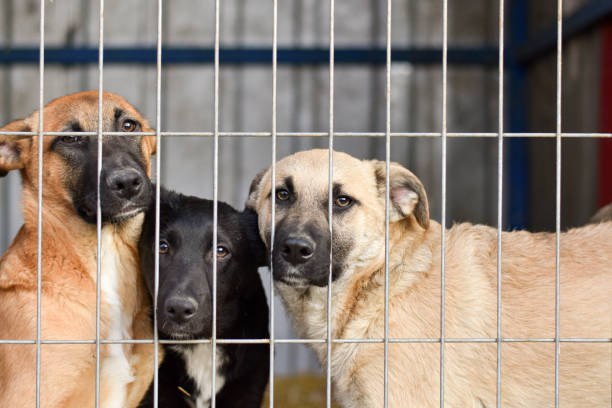
In 2024, Bishkek authorities received 158 citizen requests to capture and eliminate stray animals, all of which were fulfilled. According to official data, 14,378 stray dogs were captured and killed over the course of the year in the Kyrgyz capital​. Despite longstanding regulations mandating humane treatment, sterilization, vaccination, and release, city officials cite a lack of resources and infrastructure as the reason for continuing the practice of mass culling. The current rules were approved by the Bishkek City Council in 2002. “There are no municipal shelters for stray animals in Bishkek,” the City Council stated in official documents. “As a result, the municipal enterprise Tazalyk is forced to shoot stray dogs.” Officials argue that ending the practice would require the construction of an animal shelter, but such a project is not accounted for in the city’s budget. “Around the world, animal shelters are usually established by charitable organizations and public foundations,” said First Deputy Mayor Mirlanbek Baigonchokov, defending the administration’s inaction. The mayor’s office noted that stray dog shootings were temporarily halted in 2021, but resumed following what it described as numerous public complaints. From 2015 to 2024, Bishkek health institutions registered 1,391 dog bite cases, 949 of which involved children. Tazalyk reports that it costs approximately 430 Kyrgyz soms (about $5) to eliminate a single stray dog. This cost covers one bullet, a disposal bag, the hunter’s salary, and a contribution to the Social Fund​. However, animal welfare experts argue that culling is not only inhumane but ineffective. “Shooting does not work. In fact, the number of stray animals increases every year,” said Tazalyk Director Zholdosh Chushtukov. “We need a different approach. We propose mandatory sterilization and castration.”

Animal Protection Activists’ Voice Concern Over Dog Meat Dishes in Uzbek Cafes

Uzbekistan’s animal protection society, Mehr va Oqibat, has raised concerns after receiving numerous complaints from locals and foreign visitors about cafes and restaurants in Uzbekistan offering dog meat dishes on their menus. Controversial Supply and Health Concerns According to Mehr va Oqibat, Uzbekistan lacks specialized farms for raising dogs for meat, unlike some other Asian countries. The organization suggests that state services responsible for capturing stray animals might be the primary suppliers of dog meat. Activists argue that the purported medicinal benefits of dog meat remain scientifically unproven. Additionally, they warn that dog meat can transmit viruses during preparation and consumption, posing potential health risks. Mehr va Oqibat has officially contacted Uzbekistan’s State Veterinary Committee and the Sanitary-Epidemiological Service to clarify whether dog meat consumption is permitted in Uzbekistan. The organization has also inquired as to whether cafes and restaurants have obtained official authorization to serve dog meat dishes. Cultural and Historical Context The consumption of dog meat in Uzbekistan, as well as in neighboring Kazakhstan and Kyrgyzstan, is primarily linked to the Korean minorities residing in these countries. This practice is not widespread and is generally followed by small groups of ethnic Koreans and others, including Russians, Uzbeks, Kazakhs, and Kyrgyz, who consider it an “exotic” culinary choice. Ethnic Koreans were forcibly deported to Central Asia from the Russian Far East in the late 1930s under Joseph Stalin’s regime. Uzbekistan is now home to the largest Korean minority in Central Asia. As of 2023, over 200,000 ethnic Koreans lived in the country, according to the Uzbek Embassy in South Korea, making it the fifth-largest Korean diaspora in the world after the United States, China, Japan, and Canada. A Shift in Perspective The issue of dog meat consumption has garnered increasing attention globally. In January 2024, South Korea’s National Assembly passed a law banning the production and sale of dog meat, with the ban set to take effect in 2027. While dog meat consumption remains a niche practice in Uzbekistan, activists hope that raising awareness about ethical and health implications will encourage the authorities to address the issue comprehensively.