
• KGS/USD = 0.01143 0%
  • KZT/USD = 0.00213 0%
  • TJS/USD = 0.10593 0.47%
  • UZS/USD = 0.00008 0%
  • TMT/USD = 0.28571 0%
  • KGS/USD = 0.01143 0%
  • KZT/USD = 0.00213 0%
  • TJS/USD = 0.10593 0.47%
  • UZS/USD = 0.00008 0%
  • TMT/USD = 0.28571 0%
  • KGS/USD = 0.01143 0%
  • KZT/USD = 0.00213 0%
  • TJS/USD = 0.10593 0.47%
  • UZS/USD = 0.00008 0%
  • TMT/USD = 0.28571 0%
  • KGS/USD = 0.01143 0%
  • KZT/USD = 0.00213 0%
  • TJS/USD = 0.10593 0.47%
  • UZS/USD = 0.00008 0%
  • TMT/USD = 0.28571 0%
  • KGS/USD = 0.01143 0%
  • KZT/USD = 0.00213 0%
  • TJS/USD = 0.10593 0.47%
  • UZS/USD = 0.00008 0%
  • TMT/USD = 0.28571 0%
  • KGS/USD = 0.01143 0%
  • KZT/USD = 0.00213 0%
  • TJS/USD = 0.10593 0.47%
  • UZS/USD = 0.00008 0%
  • TMT/USD = 0.28571 0%
  • KGS/USD = 0.01143 0%
  • KZT/USD = 0.00213 0%
  • TJS/USD = 0.10593 0.47%
  • UZS/USD = 0.00008 0%
  • TMT/USD = 0.28571 0%
  • KGS/USD = 0.01143 0%
  • KZT/USD = 0.00213 0%
  • TJS/USD = 0.10593 0.47%
  • UZS/USD = 0.00008 0%
  • TMT/USD = 0.28571 0%

Viewing results 1 - 6 of 6

How Kazakhstan’s Animation Industry: An Interview with an ARA Studios Co-Founder

Kazakhstan’s animation industry is gradually developing despite a number of persistent challenges. The Times of Central Asia spoke with Bakytzhan Shabdukarimov, co-founder of ARA Studios, about how the team was formed, the difficulties animators face today, and how he views the future of the industry. TCA: How did the idea to create ARA Studios come about? Bakytzhan: The studio has two co-founders: Bakytzhan Shabdukarimov, that’s me, and Meirzhan Sandybay. The idea first emerged in 2017, and the studio was officially established in 2018. Before that, we worked on the project Shyraq. Last year, we had to disband most of our team after joining the animated series Säbi for the Balapan TV channel. That’s when we began transitioning to 3D projects. Originally, the studio focused more on 2D, while I personally worked in 3D. Over time, we fully shifted toward 3D production. TCA: Who is behind the studio and how many people are on the team? Bakytzhan: Right now, the core team is essentially just the two of us. But last year, we had more than 20 people. Unfortunately, projects and orders suddenly stopped, and it became difficult to maintain a large staff. So we switched to a new format, an online studio. We used to rent an office and maintain a large in-house team, but that has recently become too challenging. Now our team works remotely, and we come together when we take on larger projects. TCA: Which projects do you consider the most important? Bakytzhan: Of all our projects, Maqta Qyz remains the most important because it’s our flagship and we continue to develop it. But in reality, all our projects matter to us; each one has contributed to our growth and given us valuable experience. Our YouTube channel is active, and we’ve gained around 7,000 subscribers organically, without advertising or targeting. We plan to keep releasing new episodes and possibly expand into merchandise in the future. TCA: How is the animation industry developing in Kazakhstan today? Bakytzhan: Honestly, I haven’t been closely following all industry developments lately, but from what I can see, progress is slow. The industry remains relatively small; there is hardly a fully developed market. Most studios either work on government commissions from the Ministry of Culture or collaborate with “Qazaq Animation,” which allocates funding annually for short films, with the aim of developing them into larger projects. Other studios, including independent teams, focus on commercial work, advertising both domestically and internationally, as well as short films. At the same time, we do have strong 2D and 3D specialists and talented teams. TCA: Is there any support for animation studios? Bakytzhan: Yes, there is some support. As I mentioned, part of it comes through “Qazaq Animation.” There is also a new creative fund being launched that will support not only animation but the broader creative industries, film, music, and dance. Private funds are also emerging. For example, there are initiatives involving private investors and financial institutions. However, they mostly invest in feature live-action films. I’ve...

No Disneyland Planned as Uzbekistan and Disney Hold Exploratory Talks

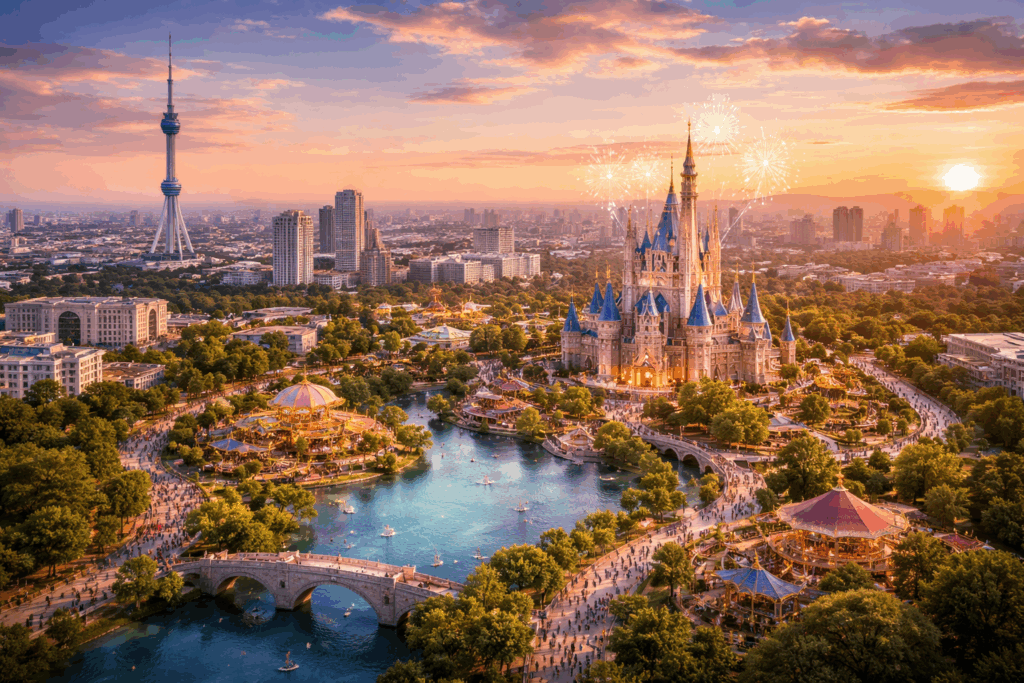
Uzbekistan has held early-stage discussions with The Walt Disney Company on possible cooperation in children’s media and creative industries, but no agreement has been announced to build a Disneyland or theme park in the country. The talks took place during a meeting between Saida Mirziyoyeva, the Uzbek president’s daughter and head of the Presidential Administration, and a Disney vice president responsible for international partnerships. According to an account cited by Uzbek media, the sides discussed potential cooperation in producing Uzbek-language children’s content, training specialists in animation and filmmaking, and developing a creative hub focused on film and media production. [caption id="attachment_41248" align="aligncenter" width="1200"] Image: Saida Mirziyoyeva, Telegram[/caption] Public attention intensified after Zamin.uz published an English-language article titled “Disneyland Park Planned for Construction in Uzbekistan.” The article itself, however, stated that the idea was under discussion rather than approved, and did not cite any signed agreements, confirmed investment figures, or construction timelines. Subsequent reporting by other Uzbek outlets aligned more closely with the official summaries, with Gazeta.uz reporting that the meeting focused on content production, professional training, and the possible opening of a Disney regional office serving Central Asia, without reference to a theme park project. UzDaily similarly reported discussions centered on children’s television programming and creative education initiatives, noting that the talks were exploratory in nature. Neither Disney nor the Uzbek authorities have released statements confirming plans to build a theme park. No land allocation, development partner, regulatory approval, or financing structure has been announced. Disney has not included Uzbekistan in its list of active or planned theme park developments. Disney theme park projects are typically announced only after extended negotiations and formal agreements. When the company confirmed a new theme park resort project in Abu Dhabi in 2025, it disclosed the local development partner, project framework, and governance structure at the time of announcement. Uzbekistan has made the creative industries and tourism development policy priorities in recent years, seeking partnerships with major international companies to expand film production, animation, and cultural exports. Officials say discussions with global media firms are part of that broader strategy. For now, the talks with Disney remain preliminary. Until formal agreements are announced by both sides, officials have indicated that references to a Disneyland under construction in Uzbekistan do not reflect the current status of discussions.