• KGS/USD = 0.01143 0%
  • KZT/USD = 0.00205 0%
  • TJS/USD = 0.10433 0.1%
  • UZS/USD = 0.00008 0%
  • TMT/USD = 0.28577 0%
  • KGS/USD = 0.01143 0%
  • KZT/USD = 0.00205 0%
  • TJS/USD = 0.10433 0.1%
  • UZS/USD = 0.00008 0%
  • TMT/USD = 0.28577 0%
  • KGS/USD = 0.01143 0%
  • KZT/USD = 0.00205 0%
  • TJS/USD = 0.10433 0.1%
  • UZS/USD = 0.00008 0%
  • TMT/USD = 0.28577 0%
  • KGS/USD = 0.01143 0%
  • KZT/USD = 0.00205 0%
  • TJS/USD = 0.10433 0.1%
  • UZS/USD = 0.00008 0%
  • TMT/USD = 0.28577 0%
  • KGS/USD = 0.01143 0%
  • KZT/USD = 0.00205 0%
  • TJS/USD = 0.10433 0.1%
  • UZS/USD = 0.00008 0%
  • TMT/USD = 0.28577 0%
  • KGS/USD = 0.01143 0%
  • KZT/USD = 0.00205 0%
  • TJS/USD = 0.10433 0.1%
  • UZS/USD = 0.00008 0%
  • TMT/USD = 0.28577 0%
  • KGS/USD = 0.01143 0%
  • KZT/USD = 0.00205 0%
  • TJS/USD = 0.10433 0.1%
  • UZS/USD = 0.00008 0%
  • TMT/USD = 0.28577 0%
  • KGS/USD = 0.01143 0%
  • KZT/USD = 0.00205 0%
  • TJS/USD = 0.10433 0.1%
  • UZS/USD = 0.00008 0%
  • TMT/USD = 0.28577 0%

Viewing results 1 - 6 of 53

Kazakh Archaeologists Unearth Unique Bronze Knives Attributed to Saka Nomads

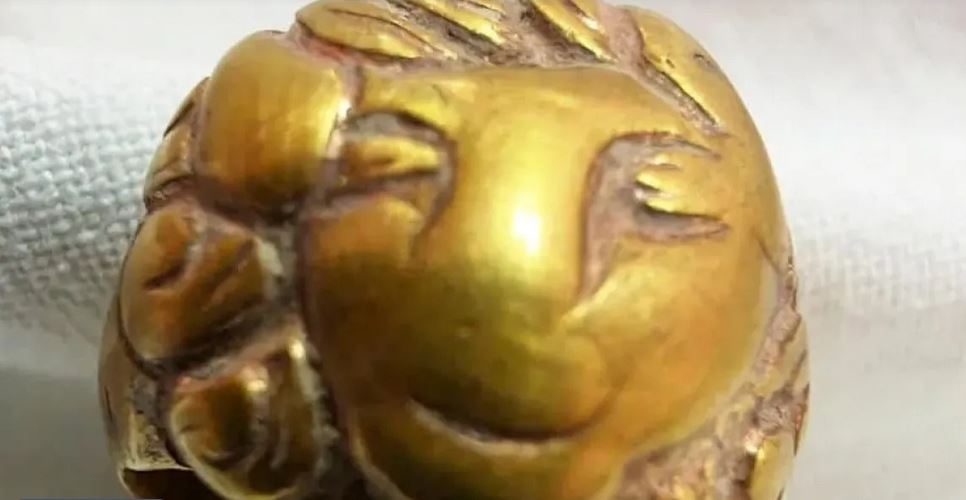
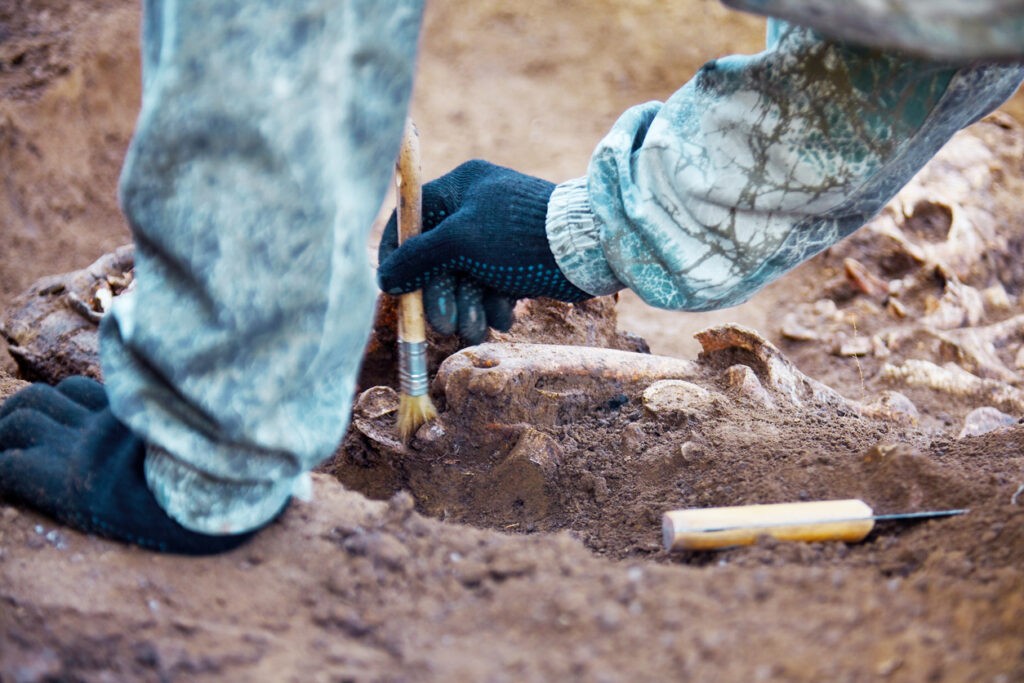
In Kazakhstan’s Pavlodar region, archaeologists from Margulan University, accompanied by students, have uncovered two rare bronze knives believed to date back to the early Saka period. The discovery was made in Bayan-Aul National Park near Lake Toraygyr, within the newly identified Toraygyr-7 burial complex. According to Elena Tusheva, chief curator of the university’s archaeological collection, the knives were cast using ancient techniques from locally sourced bronze. “Stylistically, they already belong to the early Iron Age, confirming the existence of advanced metallurgical practices and stable cultural ties in the region,” she explained. In addition to the knives, archaeologists uncovered the remains of individuals from the Tasmola culture. Student Angelina Grishchenko noted, “The remains are well preserved, allowing us to determine sex, age, and anthropological features. While excavating a lower layer, we also discovered an older burial attributed to the Andronovo culture.” Margulan University has been conducting research in the Bayanaul region for over a decade and plays a key role in preserving its archaeological heritage. Symbols of Power and Medieval Ruins In a separate find in the Almaty region, archaeologists from Al-Farabi Kazakh National University uncovered a gold ring weighing nearly eight grams, engraved with the image of a lion, a symbol of power and strength. Discovered within a Saka burial, the artifact is believed to reflect the mythological beliefs of the Saka elite from the 4th-3rd centuries BCE. The site also yielded the remains of a man and a woman, along with artifacts including ceramics, iron tools, and additional gold ornaments. Meanwhile, in the Zhetysu region, archaeologists have unearthed the ruins of a medieval city, a discovery previously supported only by written records. Olga Gumirova, executive director of the Petroglyph Hunters Foundation, stated that findings included brick walls, the remnants of a tower, and evidence of fire damage, suggesting the city may have been destroyed during the Mongol invasions. Comparisons are already being drawn to UNESCO-recognized sites such as Talkhiz and Koylyk. Further west, in the Shet district of the Karaganda region, researchers from the Saryarka Archaeological Institute identified 25 sites dating from the Bronze Age through the Middle Ages. These include burial mounds, necropolises, and complex funerary structures. Formal dating will proceed once excavation permits are secured, according to institute director Alexei Kukushkin. The “Golden Man” and a Buddhist Heritage Site Among the most celebrated recent discoveries was the 2018 unearthing of a burial site in East Kazakhstan. Led by archaeologist Zeynolla Samashev, the team discovered over 3,000 gold objects, including women’s earrings, necklaces, and horse harness fittings from the 8th-7th centuries BCE. The remains are popularly dubbed the “Golden Man” of Eastern Kazakhstan. In southern Kazakhstan’s Merken district, within the Ayranada Gorge, archaeologists uncovered remnants of an ancient Buddhist temple. Artifacts include temple fragments and a carved stone Buddha head. Anna Krokosheva, a senior researcher at the Museum of Ancient Taraz, emphasized the find’s importance in understanding the region’s cultural role along the Great Silk Road. Despite being situated more than 3,000 meters above sea level, the site...

Rare Dinosaur Fossils Discovered in Kyrgyzstan

Rare dinosaur fossils unearthed in Kyrgyzstan have been identified as species endemic to the region, according to Ayzek Bakirov, acting director of the M.M. Adyshev Institute of Geology at the National Academy of Sciences of Kyrgyzstan. Bakirov shared the findings in an interview with 24.kg. The discoveries stem from a series of joint expeditions in 2025 involving scientists from Kyrgyzstan, Germany, and the United Kingdom. As a result, new Jurassic-era sites, dating back approximately 165 million years, were located near the town of Tash-Kumyr in southern Kyrgyzstan. While these sites hold significant scientific promise, excavation has been temporarily suspended due to a lack of funding. Notably, a new species of theropod, a group of predatory dinosaurs, was discovered in the Tash-Kumyr area last year during earlier fieldwork conducted with researchers from Munich’s Paleontological Museum. “Discoveries of dinosaur remains began in the early 20th century and still continue. New sites are being found, and new species are being studied,” Bakirov noted. He added that more than 30 dinosaur fossil sites are now known across Kyrgyzstan, highlighting the steady progress of local scientific efforts. Elsewhere in the region, significant paleontological discoveries have also been made. In November 2024, scientists unearthed dinosaur fossils estimated to be 85 million years old in Tajikistan’s Sughd region. Excavations took place in the village of Kansai, a site long recognized for its wealth of prehistoric remains, including reptiles, turtles, crocodiles, amphibians, and fish from the Cretaceous period. That expedition, led by Russian and Tajik researchers, built upon Soviet-era studies. Among the participants were Umed Nabiev, a master’s student in paleontology, and ecologist Gafurjon Karimov. The team focused on recovering smaller vertebrates to help expand the understanding of prehistoric ecosystems in Central Asia.

Unique Artifact from Kushan Era Unearthed in Tajikistan

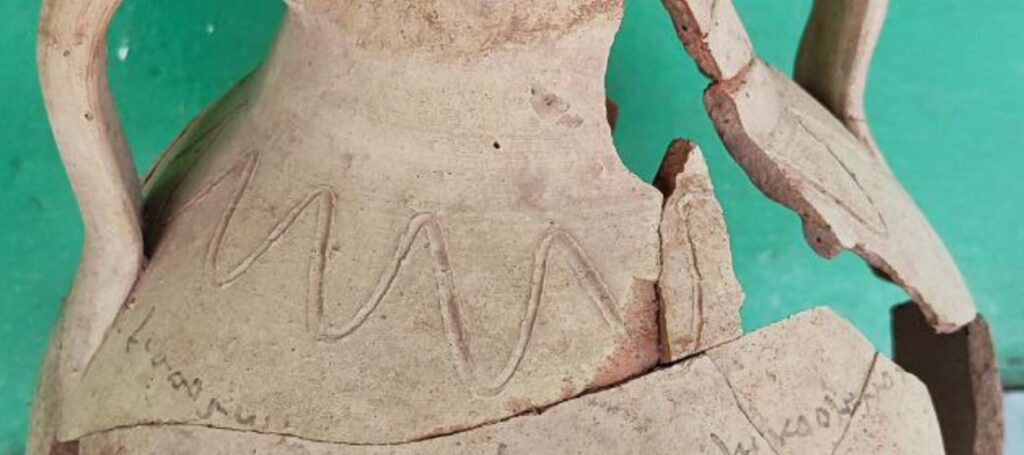
Archaeologists from the National Museum of Tajikistan have unearthed a rare and significant artifact, a clay vessel bearing a complete inscription in the Bactrian language, dating to the Kushan era. The discovery was made at the Khalkhajar archaeological site near the village of Sarband, according to the museum’s announcement. A Jug with a Story Excavations at Khalkhajar began on May 20 under the direction of Mirali Zamon Karimdodzoda, head of the museum’s archaeology and numismatics department. The team uncovered the remains of ancient architectural structures, including clay and brick walls with traces of whitewash and well-preserved sections of interior spaces. Most of the artifacts unearthed date back to the Kushan Empire’s peak between the 1st and 3rd centuries AD. Among the most notable finds is a two-handled clay jug, recovered in fragments and meticulously restored. What makes the vessel exceptional is its intact inscription in Bactrian, written in a distinct broken script, an exceedingly rare occurrence in Tajikistan. Deciphering the Inscription To analyze the text, the museum enlisted the expertise of internationally renowned scholars: Professor Nicholas Sims-Williams, a specialist in ancient Iranian languages, and numismatist Joe Cribb. Based on their interpretation, the inscription reads: “eiado gō(l)z[o ]sido finzo sagkino ol(o) mo(.)” Translation: “This water jug belongs to the woman Sagkina.” This simple phrase is of considerable linguistic and cultural significance. It offers a rare glimpse into everyday life and personal property practices in the Kushan period, shedding light on literacy, gender, and identity in ancient Central Asia. Cultural and Historical Significance The name “Sagkina” provides valuable material for onomastic studies and enriches understanding of female naming conventions in the region during the Kushan era. The presence of such inscriptions suggests a relatively advanced level of literacy and a societal norm of marking personal belongings, an important insight into domestic life and social organization at the time. Experts note that finds of this nature are vital for tracing the evolution of writing systems in Eastern Iran and for better understanding the intersection of language and material culture in ancient societies. Echoes of Empire The Kushan Empire was one of the most expansive and influential states in ancient Central Asia, encompassing areas of present-day Afghanistan, Pakistan, India, southern Uzbekistan, and parts of Tajikistan. The Bactrian language, written in a modified Greek script, served as a key medium for administration and trade, and today remains essential to reconstructing the region’s historical narrative. Archaeological efforts at Khalkhajar are ongoing. All discoveries are being catalogued for future public exhibition at the National Museum of Tajikistan, where the inscribed jug will take pride of place as a symbol of the region’s rich cultural heritage.

Kazakh Archaeologists Uncover Scythian-Era Treasures

Archaeologists from Al-Farabi Kazakh National University have uncovered artifacts from the Scythian era in Kazakhstan’s Almaty region, including a rare gold ring weighing nearly eight grams. A Symbol of Power and Authority The excavations took place in the Uyghur district near the village of Togyzbulak and were led by Professor Dosbol Baigunakov, dean of the university’s history department. The team studied the Togyzbulak-1 and Togyzbulak-2 burial mound complexes, which contain more than 20 ancient burial sites. Among the most notable discoveries were burial mounds No. 3 and No. 4, which contained the remains of a man and a woman, along with ceramic vessels, iron and stone artifacts, and gold jewelry. The standout find was a gold ring engraved with a lion, a symbol of strength and authority. Researchers believe the image combines human and animal traits, reflecting the spiritual worldview of the Saka tribes in the 3rd-4th centuries BC. “These findings confirm that the territory of the modern Uyghur region was a cultural center of the Saka civilization,” the university said in a statement. Ruins of a Burned City [caption id="attachment_33402" align="aligncenter" width="931"] Image: Al-Farabi National University[/caption] Separately, a potentially groundbreaking discovery has been made in the Zhetysu region. Olga Gumirova, executive director of the Petroglyph Hunters Foundation, reported the discovery of ruins from a medieval city previously known only through historical texts. Archaeologists unearthed remnants of a tower, fragments of brick walls, and traces of fire, suggesting the city may have been destroyed during the Mongol invasion. While further research is ongoing, early comparisons are being drawn to the UNESCO World Heritage Sites of Talkhiz and Koylyk. A month earlier, archaeologists from the Saryarka Archaeological Institute discovered 25 historical and cultural sites in the Shet district of the Karaganda region. These include burial mounds, necropolises, and complexes dating to the Bronze Age, Iron Age, and Middle Ages. According to the institute’s director, Alexei Kukushkin, this marks the beginning of an extensive research campaign, with formal dating pending excavation approvals. The “Golden Man” and Buddhist Relics One of the most significant archaeological discoveries in recent years is the 2018 find in the Tarbagatay district of East Kazakhstan, where over 3,000 gold artifacts were unearthed in a burial site. Led by renowned archaeologist Zainolla Samashev, the expedition found women’s bell earrings, gemstone necklaces, and ornate horse adornments dating to the 7th-8th centuries BC, treasures of exceptional artistic and historical value. Another major discovery occurred in the Ayranada Gorge in the Merken district, where archaeologists found fragments of an ancient Buddhist temple and a carved stone head of Buddha. Anna Krokosheva, senior researcher at the Museum of Ancient Taraz, noted that the find reinforces the region’s historical importance along the Silk Road. Despite the site’s remote location at over 3,000 meters above sea level, the artifacts are well-preserved and could enhance scientific and cultural tourism in southern Kazakhstan.

Ruins of a Burned Medieval City Unearthed in Southern Kazakhstan

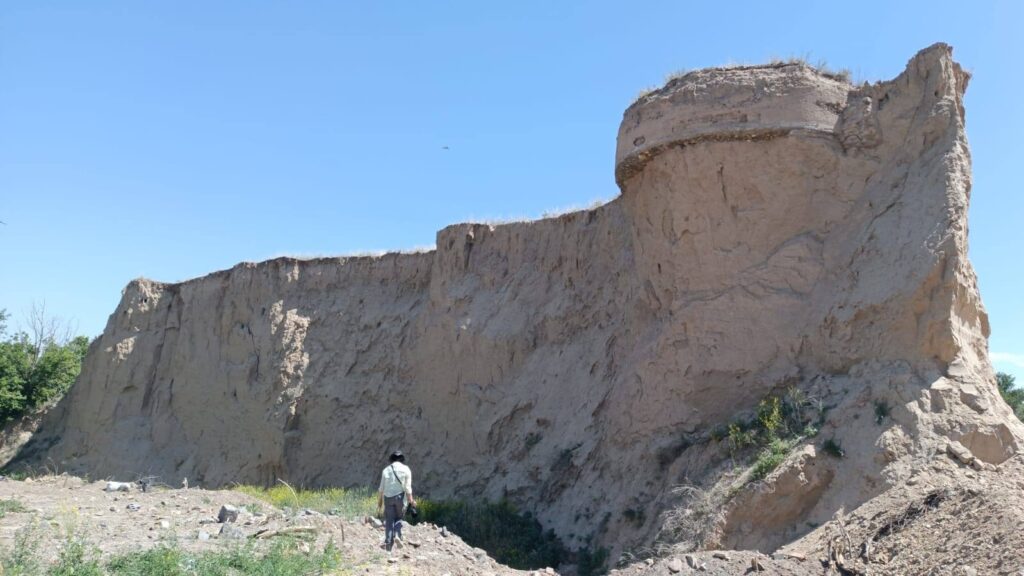
Archaeologists in Kazakhstan may have uncovered the ruins of a long-lost medieval city previously known only from historical texts. The discovery was announced by Olga Gumirova, executive director of the Petroglyph Hunters Foundation. Tower, Masonry, and a Burned Past The remains were found in the Zhetysu region, and experts believe the site could be as archaeologically significant as Talkhiz or Koylyk, both of which are included on the UNESCO World Heritage List. "It looks like we've found the medieval city that everyone has been looking for! First, we saw the remains of brickwork in a quarry, a miraculously preserved tower, and then a wall... Medieval bricks protruded from the ground. The city was severely burned during the Mongol invasion," Gumirova wrote on Facebook. Archaeologists have been informed, though analysis and discussion are just beginning. Talkhiz, now part of the Almaty region, was established in the 8th century as a hub of trade and industry. Koylyk, also known as Antonovskoe, thrived from the 8th to 14th centuries. Both are recognized as cultural heritage sites of global significance. Twenty-Five New Sites in the Saryarka Steppes Meanwhile, archaeologists from the Saryarka Archaeological Institute made significant discoveries in the Shet district of Karaganda region. In May 2025, researchers uncovered 25 new historical and cultural sites, including burial mounds, necropolises, and complex structures from the Bronze, Iron, and Medieval Ages. “Work is just beginning, but we can already confidently speak about the importance of the finds,” said Alexei Kukushkin, director of the institute. Dating and full excavation await official approval. Eastern Kazakhstan’s “Golden Man” A remarkable earlier discovery occurred in 2018 in the Tarbagatai district of East Kazakhstan. An expedition led by archaeologist Zeynolla Samashev uncovered a burial site containing nearly 3,000 gold artifacts dating back to the 7th-8th centuries BCE. Items included women’s earrings, gemstone necklaces, and ornate horse gear, highlighting the artistic and cultural richness of the era. Buddhist Temple Found in Zhambyl Region In another discovery underscoring Kazakhstan’s diverse historical legacy, archaeologists unearthed the remains of a Buddhist temple in the Ayranada Gorge, Merken district, Zhambyl region. Fragments of a structure and a partially buried stone sculpture of a Buddha were found, reinforcing the area's importance along the Great Silk Road. “The Buddhist temple and the head of Buddha could become interesting tourist attractions,” said Anna Krokosheva, senior researcher at the Museum of Ancient Taraz. However, the site remains difficult to access, located at over 3,000 meters above sea level with no existing infrastructure. Krokosheva noted that this inaccessibility has helped preserve the artifacts. From steppe burial mounds to ancient ruins, Buddhist temples to gold-laden tombs, Kazakhstan continues to reveal a rich, multilayered historical narrative. The recently discovered city in Zhetysu may become a vital link in this story, an archaeological treasure of national and potentially global significance. What remains hidden beneath the soil may yet reshape our understanding of medieval Kazakhstan.

Uzbek-Chinese Team Uncovers Han Dynasty Relics

A joint archaeological team from China and Uzbekistan has unearthed significant cultural relics at the Mengchaktepa site in Uzbekistan. Among the discoveries are silk fragments, coins, and a bronze mirror dating back to the Han Dynasty (206 BC-AD 220). The excavation uncovered six tombs and two buildings. These findings could provide deeper insights into the Silk Road during the Wei (220-265), Jin (265-420), and Northern and Southern Dynasties (386-589). This marks the first discovery of silk at Mengchaktepa or anywhere in the Fergana Valley in nearly 40 years. The last such finding, in the 1980s, confirmed that the silk was produced in China. Since 2012, the China-Uzbekistan archaeological team has focused on excavating Mengchaktepa, uncovering relics that underscore frequent trade and cultural exchanges in the region. The area excavated in 2024 is located in the northwest corner of the site. Research from 1986 indicated that this part of the site was contemporaneous with the Wei, Jin, and Northern and Southern Dynasties in China. Liu Tao, a member of the Chinese Academy of Social Sciences and leader of the archaeological team, noted that silk fragments were discovered near the tibia of a tomb skeleton. These fragments are believed to be remnants of trousers. Further studies are underway to confirm the silk’s origin. Copper coins were also recovered, including one too rusted to identify markings. Researchers determined it to be a Chinese-style coin featuring a circular shape with a square hole, reflecting Chinese cultural influence. Both the silk and coins have been sent to a laboratory for detailed analysis, with results expected in 2025. The six tombs excavated feature unique designs distinct from ancient Chinese tombs. They employed reed coffins, constructed using locally available reed stalks braided and wrapped with wood. This adaptation likely utilized materials sourced near the Syr Darya River. However, the tomb structures resemble those of Central China. They include passages, adobe-sealed doors, and cave chambers. One of the larger tombs measures 3 meters wide, 4 meters long, and 2 meters high. It features an arched ceiling, steps connecting the passage to the chamber, and an adobe gate. Cave chamber tombs first appeared during the Warring States Period (475-221 BC) and became prominent during the Han Dynasty. The Times of Central Asia previously reported that this team had unearthed seven tombs, two buildings, and numerous artifacts, including silk fabrics, leather goods, bronze mirrors, square-holed coins, and beads at Mengchaktepa. These findings continue to shed light on the rich cultural and trade connections between Central Asia and China in ancient times.