• KGS/USD = 0.01144 0%
  • KZT/USD = 0.00215 0%
  • TJS/USD = 0.10641 0%
  • UZS/USD = 0.00008 0%
  • TMT/USD = 0.28530 0%
  • KGS/USD = 0.01144 0%
  • KZT/USD = 0.00215 0%
  • TJS/USD = 0.10641 0%
  • UZS/USD = 0.00008 0%
  • TMT/USD = 0.28530 0%
  • KGS/USD = 0.01144 0%
  • KZT/USD = 0.00215 0%
  • TJS/USD = 0.10641 0%
  • UZS/USD = 0.00008 0%
  • TMT/USD = 0.28530 0%
  • KGS/USD = 0.01144 0%
  • KZT/USD = 0.00215 0%
  • TJS/USD = 0.10641 0%
  • UZS/USD = 0.00008 0%
  • TMT/USD = 0.28530 0%
  • KGS/USD = 0.01144 0%
  • KZT/USD = 0.00215 0%
  • TJS/USD = 0.10641 0%
  • UZS/USD = 0.00008 0%
  • TMT/USD = 0.28530 0%
  • KGS/USD = 0.01144 0%
  • KZT/USD = 0.00215 0%
  • TJS/USD = 0.10641 0%
  • UZS/USD = 0.00008 0%
  • TMT/USD = 0.28530 0%
  • KGS/USD = 0.01144 0%
  • KZT/USD = 0.00215 0%
  • TJS/USD = 0.10641 0%
  • UZS/USD = 0.00008 0%
  • TMT/USD = 0.28530 0%
  • KGS/USD = 0.01144 0%
  • KZT/USD = 0.00215 0%
  • TJS/USD = 0.10641 0%
  • UZS/USD = 0.00008 0%
  • TMT/USD = 0.28530 0%

Viewing results 1 - 6 of 12

Kazakhstan Prioritizes Nuclear Energy in Long-Term Development Strategy

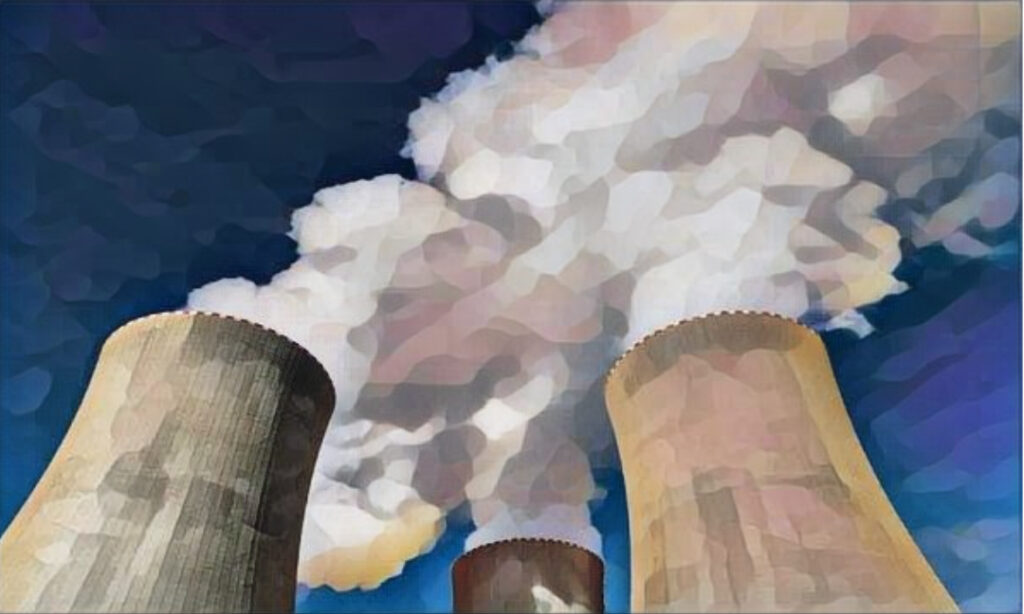
Kazakhstan has identified the development of nuclear energy as a strategic priority for the country's economic future, President Kassym-Jomart Tokayev announced at the Astana International Forum (AIF). “Kazakhstan, which possesses 40% of the world's uranium reserves, views nuclear energy as a key pillar of its national development strategy,” Tokayev stated. “However, sustainable development is impossible without addressing the climate crisis, particularly as Central Asia is among the region’s most vulnerable to climate change. Global warming is occurring here at twice the global average rate.” To address this, Tokayev outlined Kazakhstan’s commitment to a pragmatic and regionally coordinated climate agenda. He noted the country’s participation in various international organizations and agreements focused on environmental sustainability. In 2026, Kazakhstan, in partnership with the United Nations, will host a Regional Climate Summit, aimed at aligning Central Asian strategies with global environmental ambitions. Tokayev also highlighted the recent establishment of the UN Regional Center for Sustainable Development Goals for Central Asia and Afghanistan in Almaty. “This marks a significant step in our multilateral cooperation. The center will facilitate joint projects, provide technical support, and coordinate international efforts,” he said. At the same time, Kazakhstan continues to promote nuclear non-proliferation. “Today, nine countries possess more than 13,000 nuclear warheads. Experts warn that the risk of their use is rising, whether through miscalculation, accident, or escalation,” Tokayev cautioned. He emphasized the lasting impact of 450 nuclear tests conducted on Kazakh territory during the Soviet era. Public support for nuclear energy has been growing. In a referendum held last fall, over 70% of Kazakh citizens voted in favor of developing the country’s nuclear energy capacity. In January 2025, the government finalized a shortlist of potential technology suppliers for Kazakhstan’s first nuclear power plant. The contenders include Russia’s Rosatom, South Korea’s KHNP, China’s CNNC, and France’s EDF. The inaugural plant is expected to be built in the Almaty region and operational by 2035. Authorities are also evaluating sites for two additional facilities, with possible locations in Balkhash (southeastern Kazakhstan), Kurchatov (in the Abai region, near the former Semipalatinsk nuclear test site), and Aktau (Mangistau region, home to a Soviet-era experimental reactor). To oversee the development and regulation of the sector, Kazakhstan established the Atomic Energy Agency in March. Reporting directly to the president, the agency is responsible for uranium mining, atomic energy use, radiation safety, and management of the Semipalatinsk Nuclear Safety Zone.

Former Energy Minister to Lead Kazakhstan’s New Nuclear Energy Agency

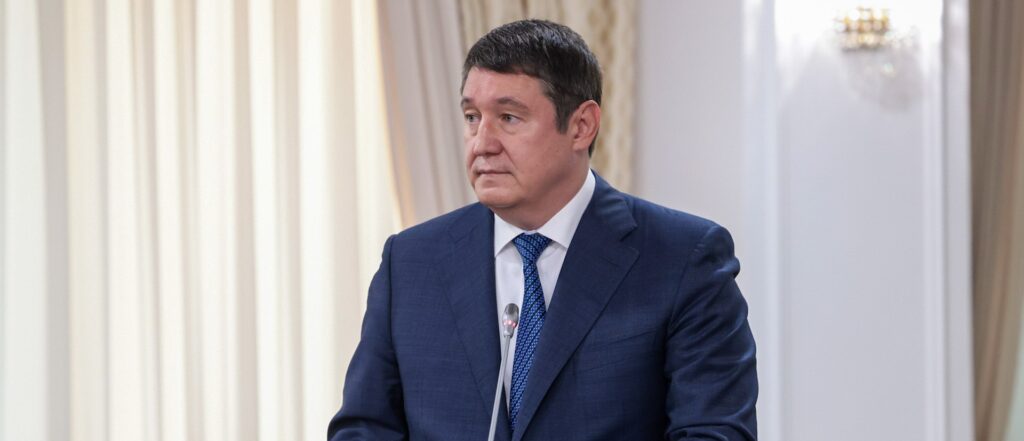
Kazakh President Kassym-Jomart Tokayev has signed a decree establishing the Atomic Energy Agency, a new government body that will report directly to the head of state. The decision, announced on March 18, is part of broader efforts to improve the country’s public administration system. The new agency will oversee uranium mining, the use of atomic energy, radiation safety, and the management of the Semipalatinsk nuclear safety zone. Previously, these responsibilities fell under the Ministry of Energy. Along with its functions, the agency will also inherit its first leader from the ministry: Almasadam Satkaliyev, who has been appointed as its head after being relieved of his role as energy minister. Satkaliyev has held key positions in Kazakhstan’s energy sector, including serving as vice president for economics at KazTransOil, head of the Kazakhstan Electricity Grid Management Company (KEGOC), and chairman of Samruk-Energo. Since 2023, he has led the Ministry of Energy, where he played a central role in preparing for a national referendum on nuclear power plant construction and negotiating with potential suppliers from Russia, China, South Korea, and France. As head of the new agency, Satkaliyev is expected to work closely with the presidential administration on drafting regulations and structuring the agency’s operations. His successor at the Ministry of Energy is Yerlan Akkenzhenov, who previously served as deputy energy minister and has experience within the national oil company KazMunayGas. Tokayev first announced plans to establish the Atomic Energy Agency just days ago during a meeting of the National Kurultai (Assembly), as reported previously by The Times of Central Asia.