Iran War Redraws Air Routes, Boosting Kazakhstan and Azerbaijan
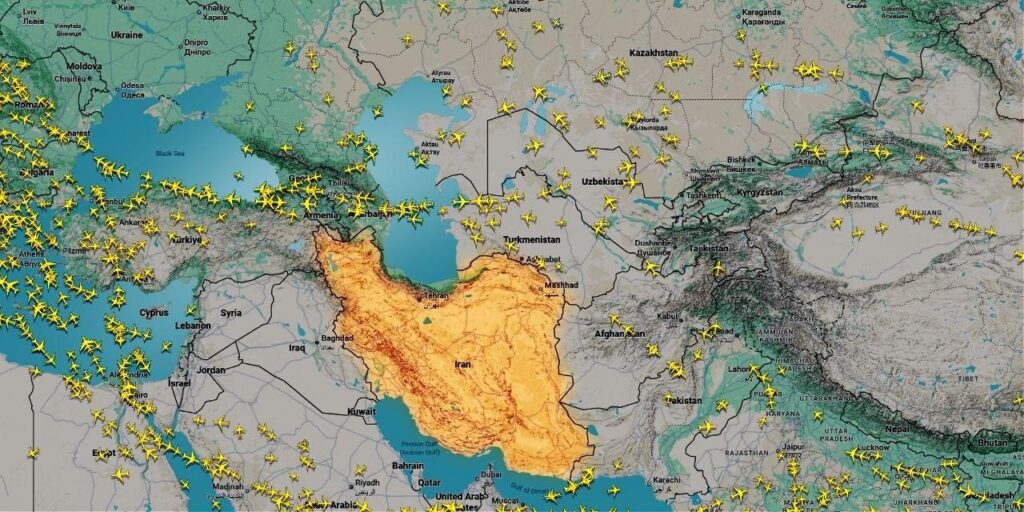
Kazakhstan and Azerbaijan are emerging as potential beneficiaries of disruptions in the global aviation fuel market as tensions around Iran force airlines to reroute flights and rethink transit hubs. The escalation of tensions in the Middle East, including heightened risks to shipping through the Strait of Hormuz, has led to sharp increases in energy prices and supply disruptions. Gas prices in the EU have risen by 70%, and oil by 60%, with additional costs reaching €14 billion. Roughly one-fifth of the world’s oil passes through the Strait of Hormuz, making any disruption critically significant for global markets. The aviation industry has been among the hardest hit sectors. According to industry sources cited by Bloomberg, Europe is expected to have sufficient jet fuel supplies in the short term, but stocks are under pressure, and supply risks could emerge if the conflict continues. The cost of jet fuel has risen from about $742 to more than $1,700 per ton in recent weeks in some markets. This increase is outpacing the rise in oil prices, intensifying pressure on airlines. As reported by The Telegraph, citing data from Cirium, around 7% of scheduled flights were canceled at the peak of recent disruptions, equivalent to more than 7,000 departures, compared with about 4.7% a year earlier. Airlines are responding by cutting flight schedules and revising their business models. Lufthansa, for example, is considering temporarily grounding part of its fleet. According to CEO Carsten Spohr, fuel shortages are likely to be felt first outside Europe, where supply chains are more vulnerable. At the same time, airfares have already risen by 15-20%, beginning to dampen demand. As passenger demand softens and costs rise, carriers are balancing route cuts with the need to maintain key markets. Fuel Costs Drive Route Shifts According to Sergey Agibalov, consulting director at Argus in the CIS, significant changes are also occurring in the geography of international air travel. Major Middle Eastern hubs, such as Dubai, Doha, and Abu Dhabi, have seen a decline in transit traffic amid safety concerns and are operating below normal capacity on key routes. Agibalov argues that this creates a window of opportunity for alternative routes between Europe and Asia, including Istanbul, Addis Ababa, and hubs in Central Asia and the South Caucasus. “Airports in Central Asia and the South Caucasus are now attractive not only to passengers, but also to airlines. Disruptions to Middle Eastern jet fuel exports linked to instability around the Strait of Hormuz have led to a sharp rise in fuel prices globally. This increase is outpacing the rise in oil prices, intensifying pressure on airlines. Recent industry data shows prices reaching as high as $1,600–1,800 per ton in some markets. Under these conditions, many airlines have begun optimizing their flight schedules; even if fuel is available, flying has become very expensive,” he noted. Against this backdrop, airports in Almaty, Astana, and Baku are seeing increased traffic and stronger airline interest. Argus estimates suggest volumes are already rising in Baku, as routes across Central...