• KZT/USD = 0.00214
  • TJS/USD = 0.10810
  • UZS/USD = 0.00008
  • TMT/USD = 0.29850
  • KZT/USD = 0.00214
  • TJS/USD = 0.10810
  • UZS/USD = 0.00008
  • TMT/USD = 0.29850
  • KZT/USD = 0.00214
  • TJS/USD = 0.10810
  • UZS/USD = 0.00008
  • TMT/USD = 0.29850
  • KZT/USD = 0.00214
  • TJS/USD = 0.10810
  • UZS/USD = 0.00008
  • TMT/USD = 0.29850
  • KZT/USD = 0.00214
  • TJS/USD = 0.10810
  • UZS/USD = 0.00008
  • TMT/USD = 0.29850
  • KZT/USD = 0.00214
  • TJS/USD = 0.10810
  • UZS/USD = 0.00008
  • TMT/USD = 0.29850
  • KZT/USD = 0.00214
  • TJS/USD = 0.10810
  • UZS/USD = 0.00008
  • TMT/USD = 0.29850
  • KZT/USD = 0.00214
  • TJS/USD = 0.10810
  • UZS/USD = 0.00008
  • TMT/USD = 0.29850
13 August 2026

Viewing results 1 - 6 of 4

Kazakhstan Begins Importing European Jet Fuel via the Middle Corridor

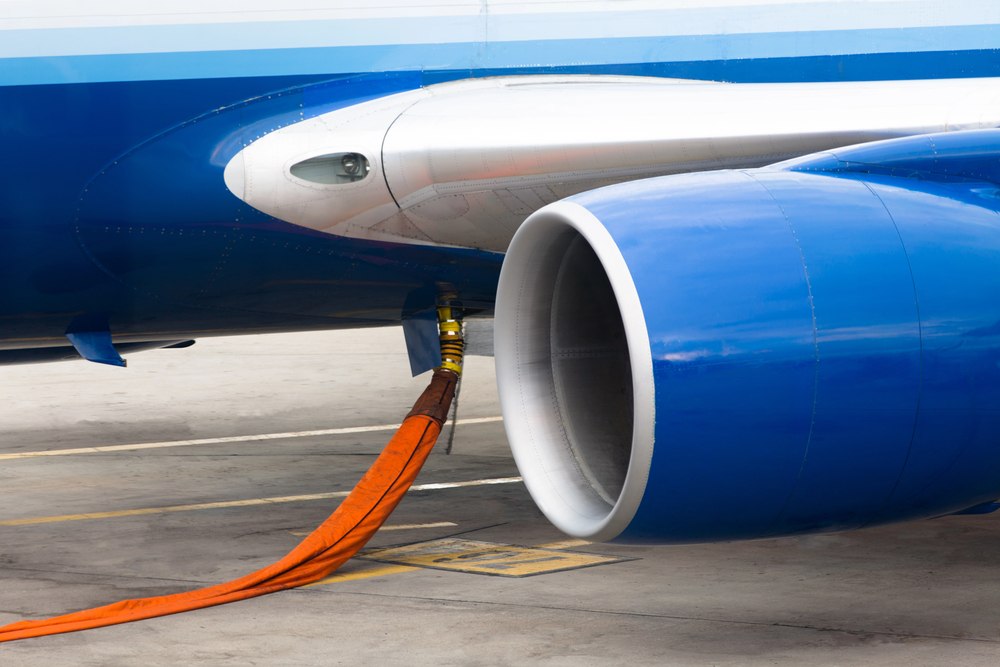
Kazakhstan has resumed importing European jet fuel through Georgia’s Batumi Oil Terminal after an eight-year break. The route gives the country another source as domestic demand continues to exceed production. The Batumi Oil Terminal, owned by Kazakhstan’s state pipeline operator KazTransOil, has resumed handling Jet A-1 fuel produced by European refineries. The first shipment, totaling 10,000 metric tons, arrived via the Black Sea and is awaiting onward transport by rail to Kazakhstan along the Trans-Caspian International Transport Route, also known as the Middle Corridor. Kazakhstan needs the additional supply because its refineries cannot meet domestic demand. As previously reported by The Times of Central Asia, jet fuel demand is expected to reach about 1.18 million metric tons in 2026. Domestic refineries are projected to produce around 750,000 metric tons, leaving a large shortfall to be covered by imports. The shortfall has grown this year amid maintenance at the Atyrau refinery and rising air traffic. Fuel supplies from Russia have also tightened. Moscow introduced temporary export restrictions to stabilize its domestic market. The restrictions created uncertainty for countries that have traditionally relied on Russian fuel. Kazakhstan has responded by looking for other import routes and expanding storage capacity. The Batumi terminal offers one alternative. On Georgia’s Black Sea coast, it connects maritime shipments with rail routes through the South Caucasus and across the Caspian Sea. The terminal is a major logistics hub on the Middle Corridor. According to KazTransOil, the terminal can handle up to 11 million metric tons of cargo a year. Its 132 storage tanks have a combined capacity of more than 585,000 cubic meters. During the first half of 2026, the Batumi Oil Terminal handled approximately 725,000 metric tons of petroleum products. Along with aviation fuel, it transships crude oil and refined products, including diesel and gasoline. The terminal also handles fuel oil and liquefied petroleum gas. The Batumi route reopened while global jet fuel supplies remain tight. Reuters reported this week that European inventories had fallen below one month’s supply, leaving the market vulnerable to disruptions caused by tensions in the Middle East. European buyers have turned to the United States and other suppliers in Africa and Asia. Kazakhstan is also expanding domestic storage capacity. The government has approved new aviation fuel facilities at airports to guard against shortages and build larger reserves. The first shipment will meet only a small part of Kazakhstan’s annual jet fuel demand. The Middle Corridor carries exports from Central Asia to Europe. The Batumi shipment shows that the corridor can also bring refined petroleum products into the region.
Tajikistan-Based Shohin Airlines Aims to Acquire Four Airbus Aircraft

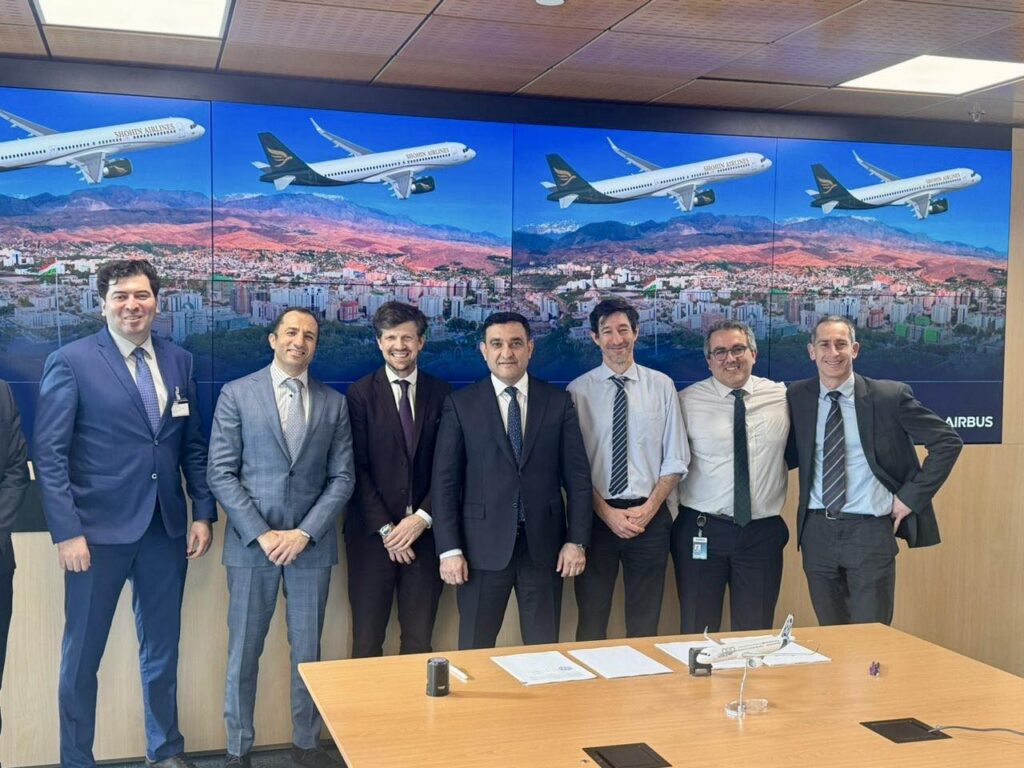
Shohin Airlines, a new private airline registered in Tajikistan, says it is in the final stage of acquiring four planes from the Airbus A320neo line of aircraft. The airline and the European aerospace company met on April 10 to discuss the acquisition of two A320neo and two A321neo aircraft, building on a dialogue that began earlier this year at the Airbus headquarters in Toulouse, France, according to Shohin Airlines. The discussions with Airbus are showing “steady positive momentum,” and implementation of agreements “will be an important step in developing the airline’s fleet and strengthening its position in the air transport market,” the airline said in a statement on Friday. Currently, Shohin Airlines operates helicopters for specialized flights. The negotiations with Airbus reflect its plans for significant expansion into commercial passenger traffic. Last month, the airline announced a $200 million investment from a European investment fund.

Iran War Redraws Air Routes, Boosting Kazakhstan and Azerbaijan

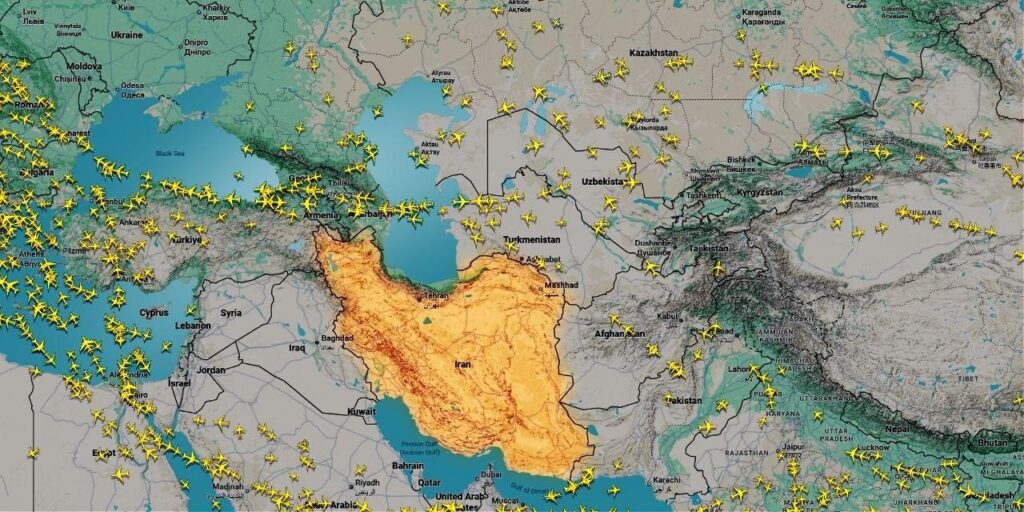
Kazakhstan and Azerbaijan are emerging as potential beneficiaries of disruptions in the global aviation fuel market as tensions around Iran force airlines to reroute flights and rethink transit hubs. The escalation of tensions in the Middle East, including heightened risks to shipping through the Strait of Hormuz, has led to sharp increases in energy prices and supply disruptions. Gas prices in the EU have risen by 70%, and oil by 60%, with additional costs reaching €14 billion. Roughly one-fifth of the world’s oil passes through the Strait of Hormuz, making any disruption critically significant for global markets. The aviation industry has been among the hardest hit sectors. According to industry sources cited by Bloomberg, Europe is expected to have sufficient jet fuel supplies in the short term, but stocks are under pressure, and supply risks could emerge if the conflict continues. The cost of jet fuel has risen from about $742 to more than $1,700 per ton in recent weeks in some markets. This increase is outpacing the rise in oil prices, intensifying pressure on airlines. As reported by The Telegraph, citing data from Cirium, around 7% of scheduled flights were canceled at the peak of recent disruptions, equivalent to more than 7,000 departures, compared with about 4.7% a year earlier. Airlines are responding by cutting flight schedules and revising their business models. Lufthansa, for example, is considering temporarily grounding part of its fleet. According to CEO Carsten Spohr, fuel shortages are likely to be felt first outside Europe, where supply chains are more vulnerable. At the same time, airfares have already risen by 15-20%, beginning to dampen demand. As passenger demand softens and costs rise, carriers are balancing route cuts with the need to maintain key markets. Fuel Costs Drive Route Shifts According to Sergey Agibalov, consulting director at Argus in the CIS, significant changes are also occurring in the geography of international air travel. Major Middle Eastern hubs, such as Dubai, Doha, and Abu Dhabi, have seen a decline in transit traffic amid safety concerns and are operating below normal capacity on key routes. Agibalov argues that this creates a window of opportunity for alternative routes between Europe and Asia, including Istanbul, Addis Ababa, and hubs in Central Asia and the South Caucasus. “Airports in Central Asia and the South Caucasus are now attractive not only to passengers, but also to airlines. Disruptions to Middle Eastern jet fuel exports linked to instability around the Strait of Hormuz have led to a sharp rise in fuel prices globally. This increase is outpacing the rise in oil prices, intensifying pressure on airlines. Recent industry data shows prices reaching as high as $1,600–1,800 per ton in some markets. Under these conditions, many airlines have begun optimizing their flight schedules; even if fuel is available, flying has become very expensive,” he noted. Against this backdrop, airports in Almaty, Astana, and Baku are seeing increased traffic and stronger airline interest. Argus estimates suggest volumes are already rising in Baku, as routes across Central...

Uzbekistan Becomes First Central Asian Buyer of Embraer C-390

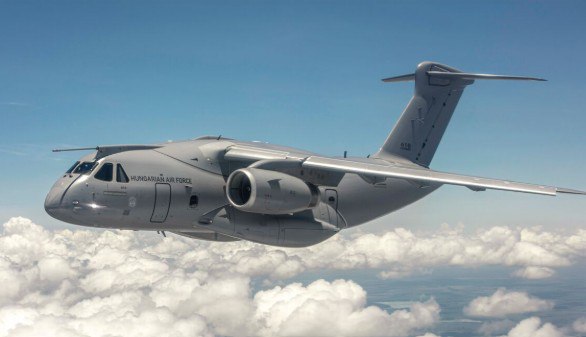
The aviation engineering company Embraer announced on February 3 at the Singapore Airshow that Uzbekistan is the previously undisclosed buyer of its C-390 Millennium military transport aircraft. In its announcement, Embraer Defense & Security identified Uzbekistan as the first Central Asian country to acquire and operate the aircraft. The Uzbek Air Force will primarily use the C-390 for transport and humanitarian missions, enhancing the country’s airlift capabilities and emergency response infrastructure. The acquisition marks a major milestone in the modernization of Uzbekistan’s military aviation fleet and aligns it with a growing list of global C-390 operators. “We officially welcome the Republic of Uzbekistan to the group of C-390 operators as the Uzbekistan Air Force modernizes its transport capabilities,” said Bosco da Costa Junior, President and CEO of Embraer Defense & Security. He added that the company is “honored by the choice of this leading Central Asia Air Force” and committed to ensuring reliable and effective aircraft operation. Designed and built in the 21st century, the C-390 Millennium is described by Embraer as the most modern military transport aircraft in its class. It can carry payloads of up to 26 tons, reach speeds of 470 knots, and cover longer distances than other medium-sized transport aircraft. It is equipped for a wide range of missions including cargo and troop transport, medical evacuation, search and rescue, firefighting, and humanitarian aid. Notably, the C-390 can operate from unpaved or temporary runways, making it suitable for deployment in difficult terrain. When fitted with quick-install air-to-air refueling systems, the aircraft operates under the KC-390 designation, capable of serving as both tanker and receiver. It is fully NATO-interoperable and designed for Agile Combat Employment (ACE) operations. Uzbekistan joins an expanding list of C-390 Millennium customers, including Brazil, Portugal, Hungary, South Korea, the Netherlands, Austria, the Czech Republic, Sweden, Slovakia, and Lithuania, according to Embraer.