Viewing results 1 - 6 of 3
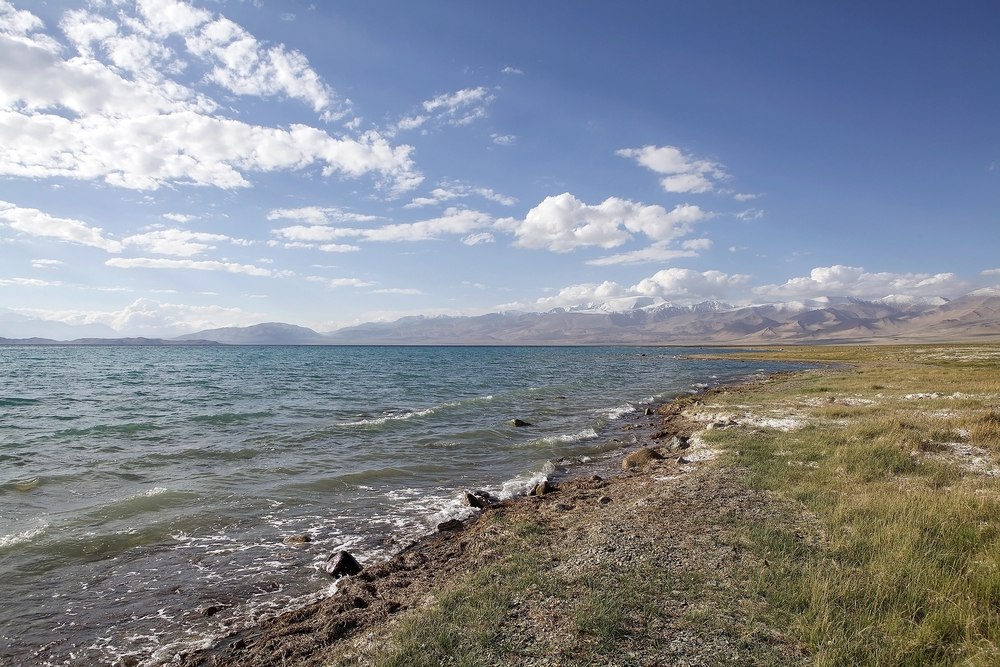
Tajikistan is planning a major modernization of the Tajik Sea reservoir, known until 2016 as the Kayrakkum Reservoir. The project is a strategic water initiative for the country and the wider Central Asian region. Prospects for the project were discussed during a meeting between Tajikistan’s officials and representatives of the Asian Development Bank (ADB) in Ulaanbaatar, according to the Tajik state news agency Khovar. According to Tajikistan’s Ministry of Energy and Water Resources, the talks involved Presidential Economic Adviser Ne’matullo Hikmatullozoda, Energy and Water Resources Minister Daler Juma, ADB Director General for Central and West Asia Leah Gutierrez, and Regional Head of Regional Cooperation and Integration Asad Aleem. The meeting focused on the “Efficient Management of Water Resources of the Bahri Tojik Reservoir” project. Hikmatullozoda described the initiative as one of Tajikistan’s key infrastructure priorities, aimed at adapting to climate change and addressing transboundary water challenges. The work would reinforce the reservoir’s protective dams to reduce flood risks and modernize its pumping stations. It also covers upgrades to irrigation, drainage, and collector systems, along with a digital monitoring system used to control and track water infrastructure. Officials said the project is expected to improve water resource management under changing climate conditions. It is also intended to make irrigation supplies more reliable and expand hydropower generation capacity. A preliminary feasibility study has already been prepared with ADB support. The Tajik Sea is located in Tajikistan’s Sughd Region on the Syr Darya River. The reservoir was created following the construction of a dam and hydropower station to regulate the river’s flow, with filling beginning in the 1950s. Today, the Tajik Sea remains one of the country’s largest reservoirs and an important site for energy production and irrigation. The adjacent Kayrakkum Hydropower Plant generates electricity, while the reservoir supplies water for agriculture across the region.
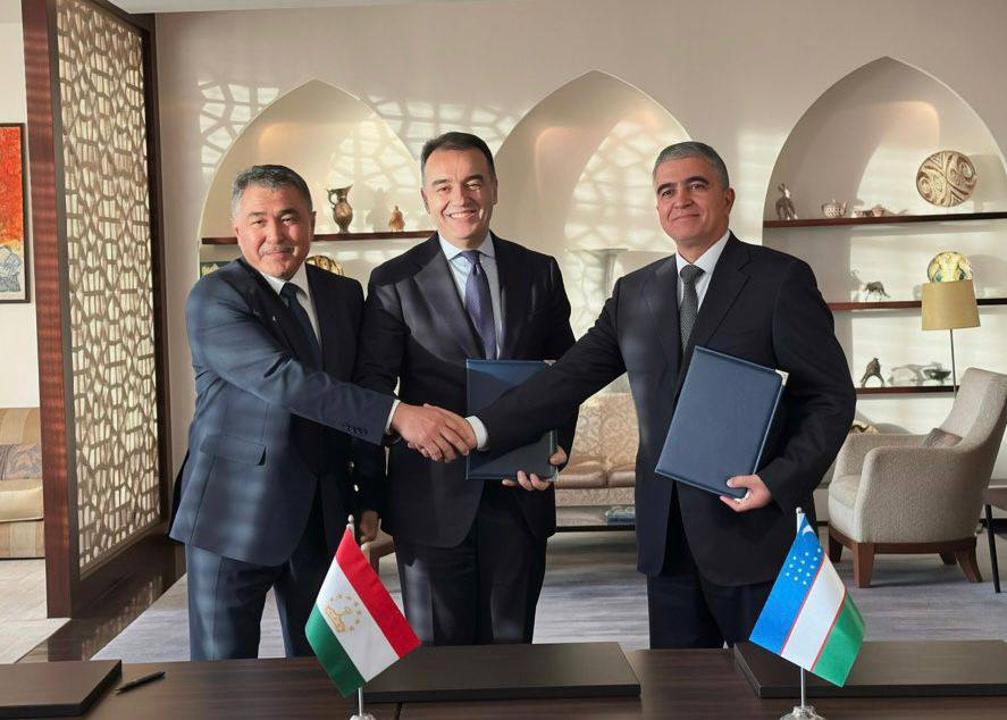
Kazakhstan, Tajikistan, and Uzbekistan have agreed on water releases from Tajikistan’s Bahri Tojik reservoir for the June-August 2026 irrigation period, Kazakhstan’s Ministry of Water Resources and Irrigation has announced. The agreement was formalized in a trilateral protocol signed by Kazakhstan’s Minister of Water Resources and Irrigation Nurzhan Nurzhigitov, Tajikistan’s Minister of Energy and Water Resources Juma Daler, and Uzbekistan’s Minister of Water Resources Shavkat Khamrayev. Under the agreed schedule, water from the Bahri Tojik reservoir will be released during the summer to support agricultural producers in Kazakhstan’s Turkestan region, particularly in the Maktaaral and Zhetysai districts, where irrigation demand rises sharply during the growing season. “The issue of supplying irrigation water to the southern regions remains under special control,” Nurzhigitov said in comments released by Kazakhstan's ministry. “The agreements reached are the result of constructive interaction and mutual support between Central Asian countries. The measures taken will help ensure a stable growing season and support domestic farmers.” The ministers also reaffirmed their intention to strengthen regional cooperation on the rational and mutually beneficial use of shared water resources, a longstanding challenge in Central Asia, where agriculture depends heavily on transboundary rivers and reservoirs. The Bahri Tojik reservoir, formerly known as the Kairakkum reservoir before being renamed in 2016, is one of Tajikistan’s largest artificial water bodies. Located in the northern Sughd region on the Syr Darya River, it has operated since 1959 and plays an important role in seasonal water distribution across the region. The latest agreement follows a similar arrangement reached in June 2025, when the three countries approved the coordinated use of reservoir water during the summer irrigation season. At the time, Kazakhstan expected to receive 491 million cubic meters of water to help offset shortages in southern farming areas.
Kazakhstan, Tajikistan, and Uzbekistan have agreed to jointly use irrigation water from Tajikistan’s Bahri Tojik reservoir during the summer of 2025. The Bahri Tojik reservoir, formerly known as the Kairakkum reservoir until its renaming in 2016, is one of Tajikistan’s largest water bodies. Located in the Sughd region in the north of the country, it was constructed on the Syr Darya River and has been operational since 1959. During the summer growing season, Tajikistan typically releases additional water to support downstream countries, including Uzbekistan and Kazakhstan, which face seasonal irrigation shortages. Water ministers from the three countries signed a protocol outlining the use of the reservoir from June to August 2025. The agreement aims to ensure a balanced and equitable distribution of water resources among the signatories. For Kazakhstan, the agreement is particularly significant, as the country anticipates receiving 491 million cubic meters of water from the reservoir at the height of the growing season. Nurzhan Nurzhigitov, Kazakhstan’s Minister of Water Resources and Irrigation, stressed the importance of regional cooperation on water issues. “Kazakhstan is committed to implementing joint projects on water resources management, as well as promoting the principles of international water law. Water is not only a natural resource, but also an instrument of sustainable development and regional stability,” he said.