
• KZT/USD = 0.00214
  • TJS/USD = 0.10810
  • UZS/USD = 0.00008
  • TMT/USD = 0.29760
  • KZT/USD = 0.00214
  • TJS/USD = 0.10810
  • UZS/USD = 0.00008
  • TMT/USD = 0.29760
  • KZT/USD = 0.00214
  • TJS/USD = 0.10810
  • UZS/USD = 0.00008
  • TMT/USD = 0.29760
  • KZT/USD = 0.00214
  • TJS/USD = 0.10810
  • UZS/USD = 0.00008
  • TMT/USD = 0.29760
  • KZT/USD = 0.00214
  • TJS/USD = 0.10810
  • UZS/USD = 0.00008
  • TMT/USD = 0.29760
  • KZT/USD = 0.00214
  • TJS/USD = 0.10810
  • UZS/USD = 0.00008
  • TMT/USD = 0.29760
  • KZT/USD = 0.00214
  • TJS/USD = 0.10810
  • UZS/USD = 0.00008
  • TMT/USD = 0.29760
  • KZT/USD = 0.00214
  • TJS/USD = 0.10810
  • UZS/USD = 0.00008
  • TMT/USD = 0.29760
12 August 2026

Viewing results 1 - 6 of 2

Four Tankers Load at CPC as Tengizchevroil Plans Larger Batumi Shipments

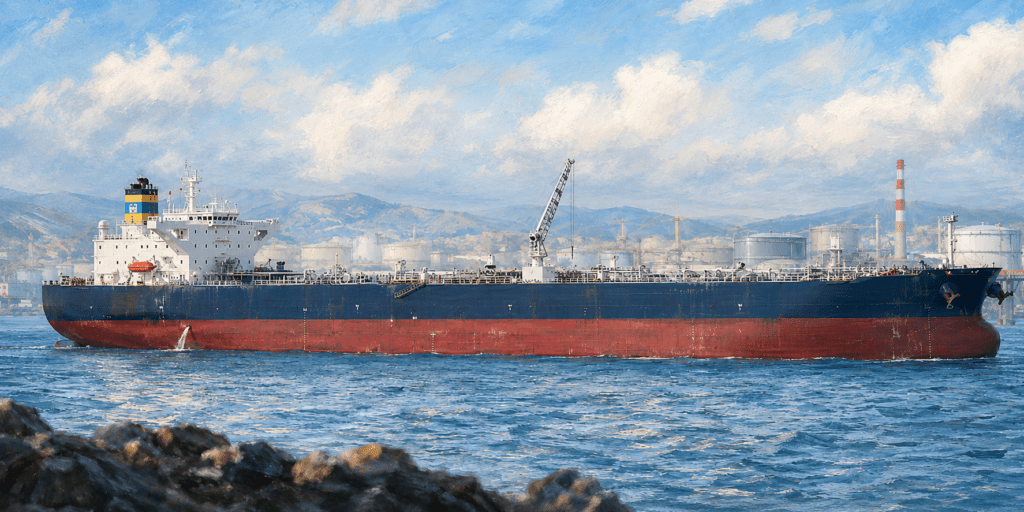
Four tankers have completed loading Kazakh crude at the Caspian Pipeline Consortium’s Black Sea terminal following the July 30 attacks, providing vessel-tracking confirmation that shipments restarted. Two have left the terminal area, while at least three more were waiting nearby, Bloomberg reported. Chevron CEO Mike Wirth said on July 31 that the pipeline was flowing and ships were being loaded. CPC has not issued a detailed notice covering the restart, but the completed cargoes confirm that tanker loading resumed, though throughput remains below normal. Kazakhstan’s Energy Ministry said CPC was receiving 100,000 metric tons of crude a day as of August 1, equivalent to about 730,000 barrels per day, after temporarily suspending its pipeline system on July 31. “The CPC continues to receive oil from shippers, while storage tanks are being filled,” the ministry said. It added that further increases would depend on tankers arriving on time for loading at the marine terminal. The offshore facility is technically capable of handling the volumes recorded before the attacks, but exports still depend on vessel availability and weather conditions. The daily charter rate for a tanker calling at the terminal reached $338,000 by the end of last week, nearly double its level a month earlier, according to Baltic Exchange data. Some shipowners were avoiding the terminal after repeated attacks on vessels loading or waiting nearby. An industry source familiar with operational data told Reuters that national oil and gas condensate output averaged about 1.85 million barrels per day in July, down 14% from 2.16 million barrels per day in June. Tengiz output fell 18% month on month, while Kashagan declined 25% and Karachaganak fell 18%, the source said. Tengiz was producing about 454,000 barrels per day on July 31, compared with a June average of 961,000 barrels per day. The Energy Ministry and the field operators had not confirmed those preliminary figures. CPC carries more than 80% of Kazakhstan’s oil exports and handles most production from Tengiz, Kashagan, and Karachaganak. The pipeline runs about 1,510 kilometers from western Kazakhstan through Russia to the terminal near Novorossiysk. Russia holds 31% of the consortium, while Kazakhstan holds 20.75%. Chevron owns 15%, and ExxonMobil holds 7.5%. Tengizchevroil is also expanding a smaller alternative route. The Chevron-led venture plans to send about 100,000 metric tons of Tengiz crude by rail to Georgia’s Batumi oil port terminal in August, Reuters reported, citing two industry sources. About 20,000 tons had moved through Batumi from the start of July, marking the first shipments on the route since March. The planned volume for August is equivalent to roughly 24,000 barrels per day, five times the July total, but small beside Tengiz’s normal output and the volumes CPC can carry. Batumi cannot replace the pipeline, though it provides an additional outlet if security problems again slow tanker arrivals near Novorossiysk. On August 3, the cargo ship Nadezhda was hit by a drone about 20 nautical miles from Novorossiysk, seriously injuring three crew members. The vessel was not reported to be carrying...

Kazakhstan Begins Importing European Jet Fuel via the Middle Corridor

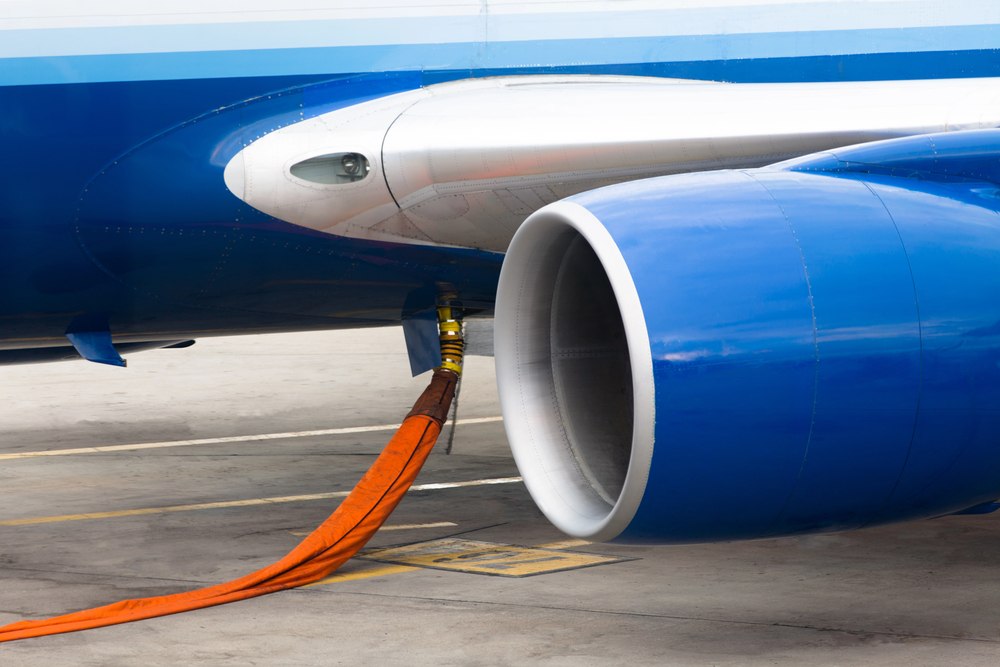
Kazakhstan has resumed importing European jet fuel through Georgia’s Batumi Oil Terminal after an eight-year break. The route gives the country another source as domestic demand continues to exceed production. The Batumi Oil Terminal, owned by Kazakhstan’s state pipeline operator KazTransOil, has resumed handling Jet A-1 fuel produced by European refineries. The first shipment, totaling 10,000 metric tons, arrived via the Black Sea and is awaiting onward transport by rail to Kazakhstan along the Trans-Caspian International Transport Route, also known as the Middle Corridor. Kazakhstan needs the additional supply because its refineries cannot meet domestic demand. As previously reported by The Times of Central Asia, jet fuel demand is expected to reach about 1.18 million metric tons in 2026. Domestic refineries are projected to produce around 750,000 metric tons, leaving a large shortfall to be covered by imports. The shortfall has grown this year amid maintenance at the Atyrau refinery and rising air traffic. Fuel supplies from Russia have also tightened. Moscow introduced temporary export restrictions to stabilize its domestic market. The restrictions created uncertainty for countries that have traditionally relied on Russian fuel. Kazakhstan has responded by looking for other import routes and expanding storage capacity. The Batumi terminal offers one alternative. On Georgia’s Black Sea coast, it connects maritime shipments with rail routes through the South Caucasus and across the Caspian Sea. The terminal is a major logistics hub on the Middle Corridor. According to KazTransOil, the terminal can handle up to 11 million metric tons of cargo a year. Its 132 storage tanks have a combined capacity of more than 585,000 cubic meters. During the first half of 2026, the Batumi Oil Terminal handled approximately 725,000 metric tons of petroleum products. Along with aviation fuel, it transships crude oil and refined products, including diesel and gasoline. The terminal also handles fuel oil and liquefied petroleum gas. The Batumi route reopened while global jet fuel supplies remain tight. Reuters reported this week that European inventories had fallen below one month’s supply, leaving the market vulnerable to disruptions caused by tensions in the Middle East. European buyers have turned to the United States and other suppliers in Africa and Asia. Kazakhstan is also expanding domestic storage capacity. The government has approved new aviation fuel facilities at airports to guard against shortages and build larger reserves. The first shipment will meet only a small part of Kazakhstan’s annual jet fuel demand. The Middle Corridor carries exports from Central Asia to Europe. The Batumi shipment shows that the corridor can also bring refined petroleum products into the region.