
• KGS/USD = 0.01144 0%
  • KZT/USD = 0.00217 0%
  • TJS/USD = 0.10656 0%
  • UZS/USD = 0.00008 0%
  • TMT/USD = 0.28530 0%
  • KGS/USD = 0.01144 0%
  • KZT/USD = 0.00217 0%
  • TJS/USD = 0.10656 0%
  • UZS/USD = 0.00008 0%
  • TMT/USD = 0.28530 0%
  • KGS/USD = 0.01144 0%
  • KZT/USD = 0.00217 0%
  • TJS/USD = 0.10656 0%
  • UZS/USD = 0.00008 0%
  • TMT/USD = 0.28530 0%
  • KGS/USD = 0.01144 0%
  • KZT/USD = 0.00217 0%
  • TJS/USD = 0.10656 0%
  • UZS/USD = 0.00008 0%
  • TMT/USD = 0.28530 0%
  • KGS/USD = 0.01144 0%
  • KZT/USD = 0.00217 0%
  • TJS/USD = 0.10656 0%
  • UZS/USD = 0.00008 0%
  • TMT/USD = 0.28530 0%
  • KGS/USD = 0.01144 0%
  • KZT/USD = 0.00217 0%
  • TJS/USD = 0.10656 0%
  • UZS/USD = 0.00008 0%
  • TMT/USD = 0.28530 0%
  • KGS/USD = 0.01144 0%
  • KZT/USD = 0.00217 0%
  • TJS/USD = 0.10656 0%
  • UZS/USD = 0.00008 0%
  • TMT/USD = 0.28530 0%
  • KGS/USD = 0.01144 0%
  • KZT/USD = 0.00217 0%
  • TJS/USD = 0.10656 0%
  • UZS/USD = 0.00008 0%
  • TMT/USD = 0.28530 0%

Viewing results 1 - 6 of 2

Kyrgyzstan Begins Building Strategic Highway to China’s Xinjiang

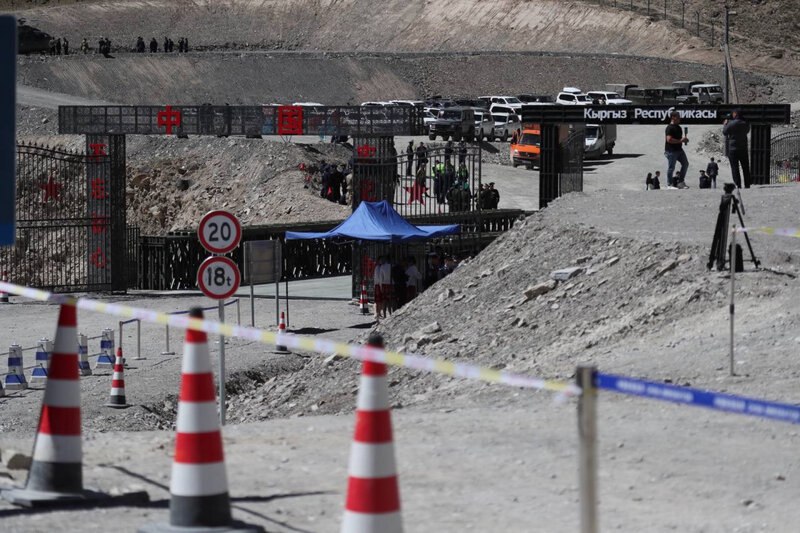
Kyrgyzstan has begun construction on the Barskoon-Bedel highway, a key section of the future Barskoon-Uchturfan-Aksu corridor that will link the Issyk-Kul region with China’s Aksu prefecture in Xinjiang via the Bedel Pass. The new road is expected to shorten the distance between Aksu and Kyrgyzstan by 500 kilometers, saving at least 12 hours of travel time for freight carriers. Route and Infrastructure The highway will cross the Barskoon and Soek passes, the Kara-Sai valley, and the Ashuu-Suu pass. To ensure year-round use, the project includes construction of a 5.5 km tunnel under the Soek pass and a 3.8 km tunnel beneath the Ashuu-Suu pass, both areas prone to heavy winter closures. Timeline and Contractor Construction is being carried out by China Road and Bridge Corporation (CRBC). The main roadworks are scheduled for completion in September 2029, with full commissioning of the highway and supporting facilities expected by September 2030. The Bedel checkpoint, first opened under a simplified regime in September 2024, lies in a remote mountain zone roughly equidistant from Karakol in Kyrgyzstan and Aksu in China. Its full-scale development with international-standard infrastructure is slated for completion by 2027. Trade and Regional Connectivity Once finished, the Barskoon-Bedel corridor will become Kyrgyzstan’s third road crossing with China, alongside the Irkeshtam (Osh region) and Torugart (Naryn region) passes. Unlike the older routes, which are frequently closed during winter, the new corridor is designed to provide a more reliable and time-efficient link. The project is expected to strengthen Kyrgyzstan’s role as a transit hub for Chinese goods heading to third-country markets. Bilateral trade between Kyrgyzstan and China reached $23 billion in 2024, an eightfold increase in recent years. Chinese Support Speaking at the ceremony, Chinese Ambassador Liu Jiangping said the new highway is part of a wider set of strategic projects advancing between the two countries, aimed at accelerating cargo flows and expanding trade, investment, and economic cooperation.

Kyrgyzstan Advances New Cross-Border Transport Corridor with China via Bedel Pass

Kyrgyzstan is advancing plans to develop a new international transport corridor through the Bedel checkpoint on the Chinese border, aiming to boost cross-border trade and reduce reliance on high-altitude routes that are often impassable in winter. Bedel Corridor Gains Momentum The proposed corridor was a central focus during Deputy Chairman of the Cabinet of Ministers Bakyt Torobaev’s July 8 visit to Beijing. Torobaev met with Chinese corporate leaders to discuss the construction of the Barskoon-Uchturfan-Aksu highway, which would link Kyrgyzstan’s Issyk-Kul Region with China’s Aksu Prefecture in Xinjiang via the Bedel Pass. The Bedel checkpoint, located in a remote mountainous region of southeastern Kyrgyzstan, was first opened under a simplified regime in September 2024. It lies roughly equidistant from Karakol and Aksu and currently operates with temporary infrastructure. According to the Kyrgyz government, the route’s full-scale development, including a modern highway and internationally compliant border facilities, is scheduled for completion by 2027. Bedel will become Kyrgyzstan’s third automobile crossing point with China, alongside the Irkeshtam (Osh Region) and Torugart (Naryn Region) passes. These older routes are frequently disrupted by severe winter weather. The new corridor is expected to offer a more reliable and time-efficient alternative for cargo moving between Xinjiang and Kyrgyzstan, reducing dependence on the longer Kashgar-Torugart-Naryn-Bishkek route. In Beijing, Torobaev and Chinese officials agreed to organize reciprocal business visits and establish joint working groups with representatives from both governments to coordinate the project. The corridor is expected to strengthen Kyrgyzstan’s role as a regional transit hub, facilitating the re-export of Chinese goods to third countries. Bilateral trade between Kyrgyzstan and China reached $23 billion in 2024, an eightfold increase in recent years. Progress on China-Kyrgyzstan-Uzbekistan Railway During his Beijing visit, Torobaev also attended the 12th World Congress on High-Speed Rail, where he emphasized the strategic importance of the China-Kyrgyzstan-Uzbekistan (CKU) railway project. The 523-kilometer line includes 304 kilometers running through Kyrgyz territory. Construction officially began on December 27, 2024, in Jalal-Abad. Once complete, the railway will link China’s Kashgar with the Kyrgyz cities, Torugart, Makmal, and Jalal-Abad, before continuing to Andijan in Uzbekistan. The project is designed to handle up to 15 million tons of cargo annually and carries an estimated investment of $4.7 billion. Torobaev noted that the Makmal transshipment station will serve as the core logistics hub on the Kyrgyz side, featuring customs infrastructure, storage facilities, and multimodal services to ensure smooth cargo transit between China and Uzbekistan. “The CKU railway is the shortest route between East and West,” he said. “It will connect China to European and Middle Eastern markets, forming a vital transport artery.” Torobaev also announced a proposed rail extension between Aksu in China and Balykchy in Kyrgyzstan via the Bedel checkpoint, which would further enhance the regional transport network.