• KGS/USD = 0.01143 0%
  • KZT/USD = 0.00212 0%
  • TJS/USD = 0.10718 -0.09%
  • UZS/USD = 0.00008 0%
  • TMT/USD = 0.28571 0%
  • KGS/USD = 0.01143 0%
  • KZT/USD = 0.00212 0%
  • TJS/USD = 0.10718 -0.09%
  • UZS/USD = 0.00008 0%
  • TMT/USD = 0.28571 0%
  • KGS/USD = 0.01143 0%
  • KZT/USD = 0.00212 0%
  • TJS/USD = 0.10718 -0.09%
  • UZS/USD = 0.00008 0%
  • TMT/USD = 0.28571 0%
  • KGS/USD = 0.01143 0%
  • KZT/USD = 0.00212 0%
  • TJS/USD = 0.10718 -0.09%
  • UZS/USD = 0.00008 0%
  • TMT/USD = 0.28571 0%
  • KGS/USD = 0.01143 0%
  • KZT/USD = 0.00212 0%
  • TJS/USD = 0.10718 -0.09%
  • UZS/USD = 0.00008 0%
  • TMT/USD = 0.28571 0%
  • KGS/USD = 0.01143 0%
  • KZT/USD = 0.00212 0%
  • TJS/USD = 0.10718 -0.09%
  • UZS/USD = 0.00008 0%
  • TMT/USD = 0.28571 0%
  • KGS/USD = 0.01143 0%
  • KZT/USD = 0.00212 0%
  • TJS/USD = 0.10718 -0.09%
  • UZS/USD = 0.00008 0%
  • TMT/USD = 0.28571 0%
  • KGS/USD = 0.01143 0%
  • KZT/USD = 0.00212 0%
  • TJS/USD = 0.10718 -0.09%
  • UZS/USD = 0.00008 0%
  • TMT/USD = 0.28571 0%

Viewing results 1 - 6 of 6

Tajikistan Pension Payments Suspended For 14,000 People Over Biometric Identification Rules

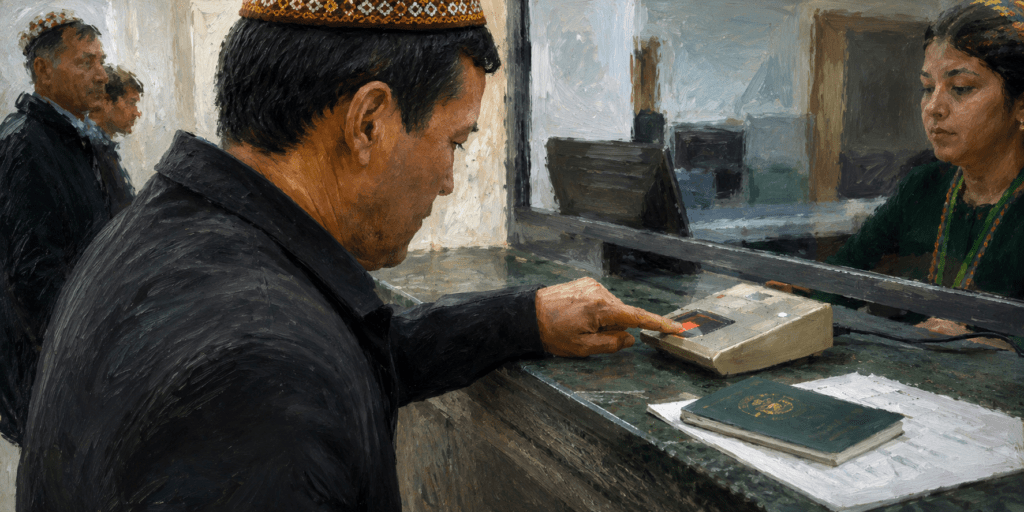
Authorities in Tajikistan have temporarily suspended pension payments to more than 14,000 people who failed to complete mandatory biometric identification procedures, according to the country’s Agency for Social Insurance and Pensions. The agency said that 14,022 pensioners did not complete the required re-registration process, resulting in the temporary suspension of transfers to their bank cards. Officials did not specify exactly when the payments were blocked. The pension re-registration campaign began in Tajikistan in the second half of November 2025 and was scheduled to conclude by the end of March this year. To complete the process, pensioners are required to appear in person at agency offices with identification documents. Verification is conducted through a Face ID system using mobile phones, while personal data and photographs are stored in a digital database. A source within the pension agency said the suspended payments affect both pensioners residing in Tajikistan and citizens currently living abroad. Authorities say pension payments will be fully restored once individuals complete the identification process, with all unpaid amounts transferred retroactively from the date payments were suspended. However, the new system has already raised concerns among lawyers and some pensioners, particularly citizens residing outside Tajikistan. In its official response, the agency stressed that personal presence remains mandatory and that representatives acting under a power of attorney cannot complete biometric registration on behalf of pension recipients. Tajik lawyer Khurshed Kurbonshoev argued that the right to social security is guaranteed under the country’s constitution and that existing legislation permits pension payments to be received through authorized representatives. According to Kurbonshoev, the state has the right to introduce additional control mechanisms, including biometric identification, but such measures should not violate constitutional rights. “If citizens living abroad are not provided with a real opportunity to complete re-registration through remote submission of biometric information via consulates and representative offices or through other alternative methods, then suspension of payments, regardless of the existence of a power of attorney, could constitute a disproportionate restriction,” the lawyer said. Kurbonshoev added that in the absence of alternative identification mechanisms, affected citizens may attempt to challenge the suspension of payments through the courts or other state bodies. The re-registration campaign is being conducted under a government protocol adopted on October 31, 2025. According to the pension agency, as of May 1, 2026, a total of 830,907 people had completed the identification process. The average pension in Tajikistan currently stands at around $56 per month. The average labor pension amounts to approximately $71 while social pensions average around $39.

Kazakhstan Introduces Mandatory Biometric ID for Mobile Phone Subscribers

Kazakhstan is implementing mandatory biometric identification for all new mobile phone subscribers as part of broader efforts to combat telephone and internet fraud, the Ministry of Artificial Intelligence and Digital Development has announced. The ministry noted that the country already enforces several measures to address SIM card misuse, including efforts to prevent fraud, illegal SIM registration, and the use of devices for mass calls and bulk messaging. From the start of 2026, these safeguards will be tightened further. Under the new regulations, SIM cards will only be issued after biometric identification is completed. Communication services will not be activated until the subscriber's identity is verified through facial scanning. The policy applies to both individuals and legal entities. “For businesses and organizations, this requirement also applies to employees issued SIM cards for work-related purposes. Biometric identification eliminates anonymous number usage and increases accountability,” the ministry stated. Authorities expect the measure to curb illegal SIM sales via dealers and intermediaries. Regardless of where a number is purchased, service activation will only occur once the end user’s identity is confirmed. Additionally, a cap has been introduced on the number of SIM cards that can be registered to a single individual: up to ten for personal and family use. Exceeding this limit requires documented justification and identification of the devices in which the extra SIMs will be used. “This approach reduces the risk of mass SIM registration, a hallmark of fraudulent operations,” the ministry added. A key component of the new anti-fraud framework is the expansion of collaboration between mobile operators and the Anti-Fraud Center of the National Bank of Kazakhstan. This cooperation is intended to ensure the swift identification and deactivation of numbers linked to criminal activity. “In the case of suspicious calls or SMS messages, including those made using SIM boxes, telecom operators will relay subscriber information to the National Bank's Anti-Fraud Center and launch an investigation. If fraud is confirmed, the number will be blocked immediately and telecom services suspended,” the ministry explained. As previously reported by The Times of Central Asia, Kazakhstan also intends to introduce joint liability for banks and mobile operators in cases of internet fraud perpetrated through their infrastructure.