
• KGS/USD = 0.01144 0%
  • KZT/USD = 0.00201 0%
  • TJS/USD = 0.10581 0%
  • UZS/USD = 0.00008 0%
  • TMT/USD = 0.28571 0%
  • KGS/USD = 0.01144 0%
  • KZT/USD = 0.00201 0%
  • TJS/USD = 0.10581 0%
  • UZS/USD = 0.00008 0%
  • TMT/USD = 0.28571 0%
  • KGS/USD = 0.01144 0%
  • KZT/USD = 0.00201 0%
  • TJS/USD = 0.10581 0%
  • UZS/USD = 0.00008 0%
  • TMT/USD = 0.28571 0%
  • KGS/USD = 0.01144 0%
  • KZT/USD = 0.00201 0%
  • TJS/USD = 0.10581 0%
  • UZS/USD = 0.00008 0%
  • TMT/USD = 0.28571 0%
  • KGS/USD = 0.01144 0%
  • KZT/USD = 0.00201 0%
  • TJS/USD = 0.10581 0%
  • UZS/USD = 0.00008 0%
  • TMT/USD = 0.28571 0%
  • KGS/USD = 0.01144 0%
  • KZT/USD = 0.00201 0%
  • TJS/USD = 0.10581 0%
  • UZS/USD = 0.00008 0%
  • TMT/USD = 0.28571 0%
  • KGS/USD = 0.01144 0%
  • KZT/USD = 0.00201 0%
  • TJS/USD = 0.10581 0%
  • UZS/USD = 0.00008 0%
  • TMT/USD = 0.28571 0%
  • KGS/USD = 0.01144 0%
  • KZT/USD = 0.00201 0%
  • TJS/USD = 0.10581 0%
  • UZS/USD = 0.00008 0%
  • TMT/USD = 0.28571 0%
24 February 2026

Viewing results 1 - 6 of 4

Kazakhstan’s Water Ministry Approves Roadmap to Eliminate the “Black Market” for Water

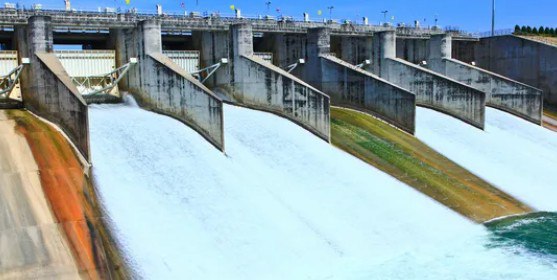
Kazakhstan’s Ministry of Water Resources and Irrigation, in coordination with the General Prosecutor's Office, has unveiled a comprehensive action plan to combat illegal water abstraction, commonly referred to as the “black market” for water. The roadmap was presented at an interdepartmental meeting earlier this week. The plan outlines systematic measures, including a nationwide audit of water resources, the mapping of regions vulnerable to illegal abstraction, and a review of state funding allocated for water infrastructure development. It also calls for the adoption of water-saving technologies and the implementation of anti-corruption mechanisms. Interdepartmental working groups will be established at both national and regional levels, incorporating law enforcement representatives with investigative authority. A central component of the strategy is the digital transformation of irrigation water distribution. This will include the deployment of satellite and digital monitoring systems, centralized accounting tools, and mandatory interdepartmental data-sharing. Special emphasis will be placed on ensuring compliance with water use quotas and promoting crop diversification among farmers. Minister of Water Resources and Irrigation Nurzhan Nurzhigitov emphasized that eradicating the shadow water trade demands coordinated efforts from government institutions and law enforcement, with the prosecutor’s office playing a leading role. “No lawbreaker should escape responsibility,” he said. According to ministry estimates, the black market accounts for 5-10% of Kazakhstan’s agricultural water consumption. The country’s total annual water usage is approximately 25 billion cubic meters, with the agricultural sector consuming about 60%, roughly 15 billion cubic meters. In a recent address to the nation, President Kassym-Jomart Tokayev called for the complete elimination of illegal water trafficking. As previously reported by The Times of Central Asia, Kazakhstan’s water legislation already includes provisions for the gradual tightening of regulations on legal water users. Authorities have stated that immediate action will be taken to dismantle the illicit segment of the market.


Ukrainian Fugitive Arrested in Poland for Organ Trafficking in Central Asia

A 35-year-old Ukrainian woman has been arrested in Przemyśl, Poland, based on an Interpol Red Notice, according to the country’s prosecutor’s office. She has been on the run since November 9, 2020, after being sentenced to 12 years in prison by a court in Kazakhstan for her role in an organized crime group involved in human organ trafficking. On March 6, 2025, border guards at the railway crossing in Przemyśl detained Ksenia P. (whose name is protected under Polish privacy laws) during a routine inspection. Authorities confirmed that she had been convicted in Kazakhstan for her involvement in an international criminal group that operated between 2017 and 2019. The group illegally harvested human tissues and organs for sale on the black market. Ksenia P. was found guilty of obtaining human kidneys from 56 victims across several countries, including Kazakhstan, Armenia, Azerbaijan, Ukraine, Kyrgyzstan, Tajikistan, Uzbekistan, and Thailand. The illegal trade was conducted for financial gain, with the criminal network relying on it as a steady source of income. Following her arrest, the District Prosecutor’s Office in Przemyśl questioned Ksenia P. and, on March 7, 2025, requested the District Court to impose a temporary seven-day detention. This measure is intended to facilitate her extradition to Kazakhstan, where she is expected to serve her sentence.